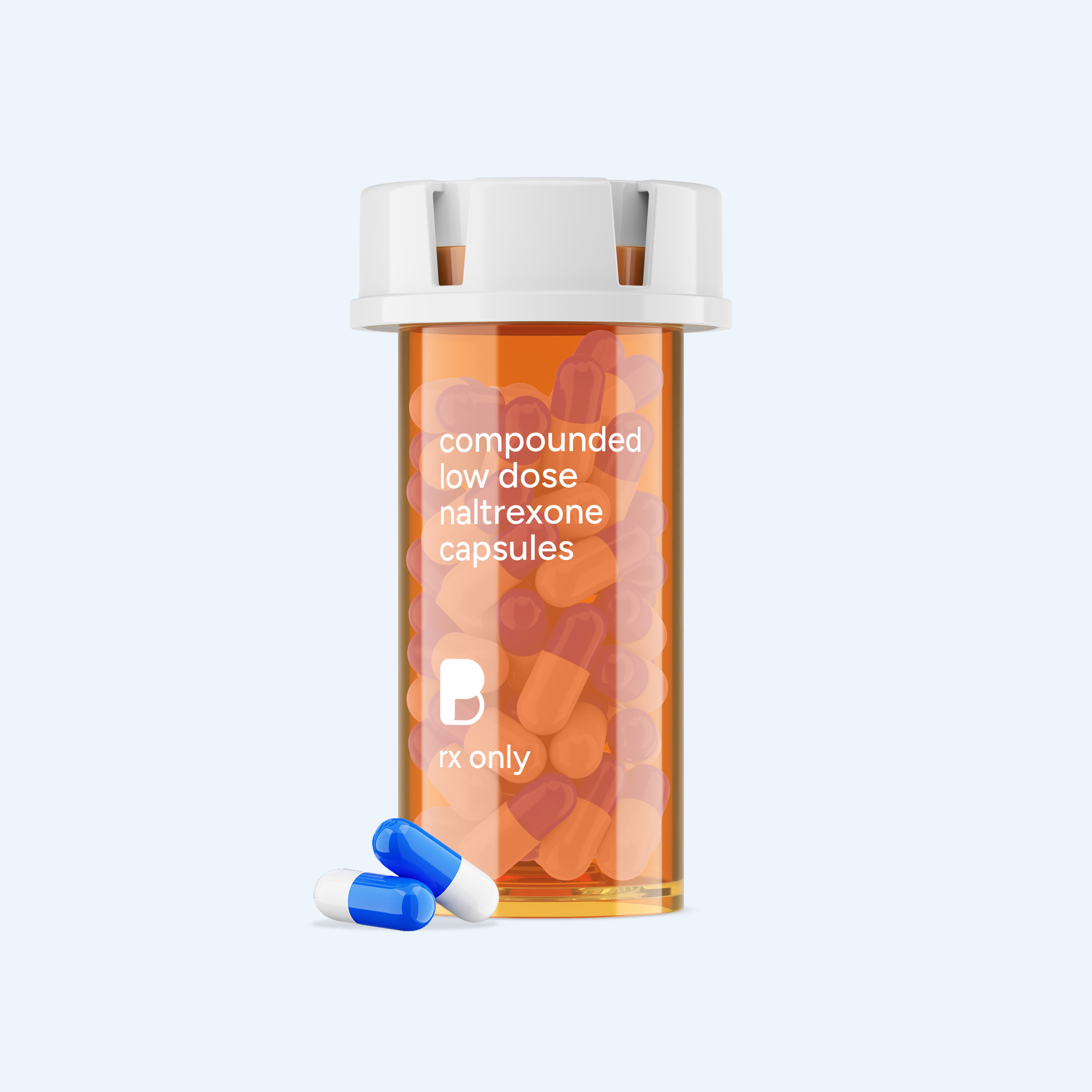




Low Dose Naltrexone (LDN) is a compounded, prescription-only medication prepared by a licensed pharmacy as oral capsules. Its active ingredient is naltrexone, an opioid antagonist (a medication that blocks opioid receptors). At its standard FDA-approved dose of 50 mg, naltrexone is used to help manage opioid and alcohol use disorders. "Low dose" naltrexone refers to much smaller doses — commonly in the range of about 1.5 to 4.5 mg — prepared by compounding.
Used this way, naltrexone is prescribed off-label, meaning for uses other than those the FDA has formally approved. It is not FDA-approved at these low doses, and a provider decides whether it is appropriate.
How is it thought to work?
The way LDN may produce effects is still being studied, and its mechanisms are considered proposed rather than fully established. Researchers have suggested that a brief, partial blockade of opioid receptors at low doses may prompt the body to temporarily increase its own natural opioids (endorphins), and that low-dose naltrexone may influence immune-signaling cells in the nervous system (glial cells, via a pathway called Toll-like receptor 4) in a way that could affect inflammation (LDN review, Medical Sciences; naltrexone monograph). Research in this area is ongoing, and not all studies agree.
What is it used for?
Providers may prescribe LDN off-label, and researchers have studied it in a range of conditions involving chronic pain or immune-system activity — for example, fibromyalgia and certain autoimmune and inflammatory conditions (review of reported uses). The evidence is still developing, results vary, and LDN is not FDA-approved for these uses. Only a licensed provider can decide whether it is appropriate for a particular patient; Bayview Pharmacy compounds LDN to a provider's prescription and does not provide consultations or determine appropriateness. A valid prescription is required.
Standard-dose naltrexone vs. low-dose naltrexone
These are the same medication at very different doses. The table below explains the difference for education only.
| Standard-dose naltrexone | Low-dose naltrexone (LDN) | |
|---|---|---|
| Typical dose | 50 mg (also a monthly injectable form) | Commonly about 1.5–4.5 mg |
| Status | FDA-approved | Off-label; compounded; not FDA-approved at this dose |
| Used for | Opioid and alcohol use disorders | Prescribed off-label; studied in various conditions |
| How it's made | Manufactured tablet/injection | Compounded capsule (these low strengths are not commercially available) |
This comparison is educational and is not a statement that LDN is effective for any particular condition. Your provider determines what is appropriate for you.
How is it used?
LDN capsules are taken by mouth, often once daily and sometimes at bedtime, exactly as directed by your prescriber. Providers commonly start low and adjust the dose over time. Your prescriber sets your dose and schedule, so never change your dose on your own. A Bayview pharmacist is available if you have questions about your prescription.
Side effects & safety
LDN is generally well tolerated at low doses. Reported effects can include vivid dreams or trouble sleeping (especially with bedtime dosing), headache, nausea or other stomach upset, and fatigue. Report any of these to your provider.
Because naltrexone is processed by the liver, tell your provider if you have liver problems. Stop and seek medical care for any reaction that concerns you.
Who should not use it?
LDN is not appropriate for everyone. It is generally avoided in people who are currently taking opioid medications or who are physically dependent on opioids, because it can block pain relief or trigger withdrawal. Extra caution applies to those with liver problems. Tell your provider about your health conditions and all medications and supplements you take — including any opioid medications — so they can determine whether LDN is appropriate for you. If you are pregnant or breastfeeding, discuss this with your provider.
How should it be stored?
Store your capsules at room temperature as directed on the label, away from excess heat and moisture, and keep them out of the reach of children. Do not use capsules after their expiration or beyond-use date.
Why is this compounded?
The low doses used for LDN — commonly about 1.5 to 4.5 mg — are not available as a standard manufactured product. Compounding lets a licensed pharmacy prepare naltrexone at these lower strengths and tailor the capsule to an individual prescription. As a 503A compounding pharmacy, Bayview Pharmacy prepares each order in small batches under USP <795> standards using quality ingredients.
Clinical details for prescribers
Naltrexone is a competitive mu- and delta-opioid receptor antagonist. At low doses (commonly 1.5–4.5 mg/day), proposed mechanisms include transient opioid-receptor blockade with compensatory upregulation of endogenous opioid tone, and modulation of glial activity via Toll-like receptor 4, with possible effects on the opioid growth factor pathway; these mechanisms remain under investigation and evidence across conditions is heterogeneous. Use at these doses is off-label and not FDA-approved. Note the opioid-antagonist interaction: LDN can attenuate opioid analgesia and precipitate withdrawal in opioid-dependent patients, with relevance to perioperative and acute-pain management; consider hepatic function. See the LDN therapeutic-utilization review and the naltrexone clinical chapter (NCBI).
Low Dose Naltrexone is a compounded medication and is not FDA-approved at these low doses; it is prescribed off-label. This information is educational and is not a substitute for your provider's instructions. Your provider determines whether it is appropriate and sets the dose.