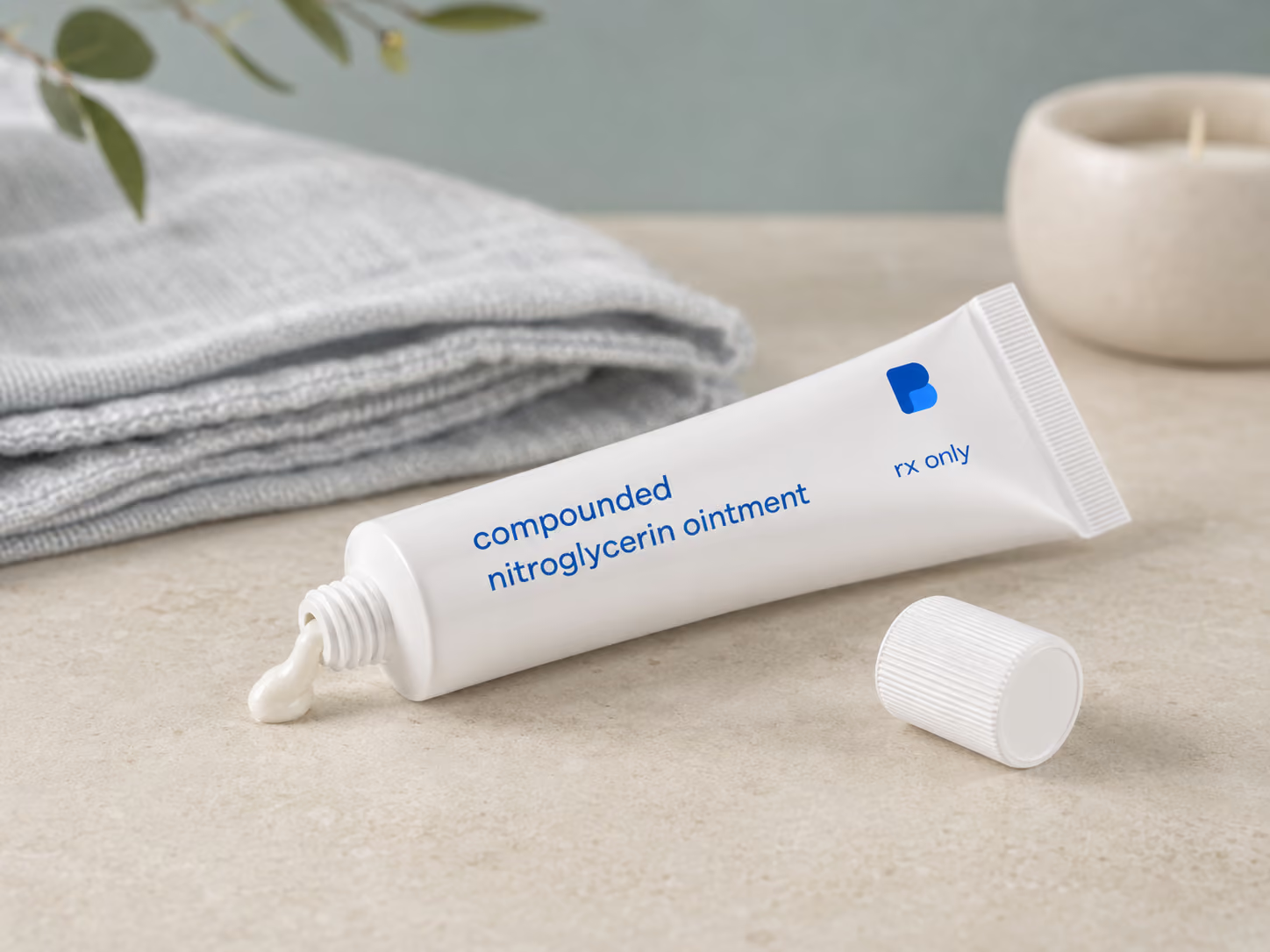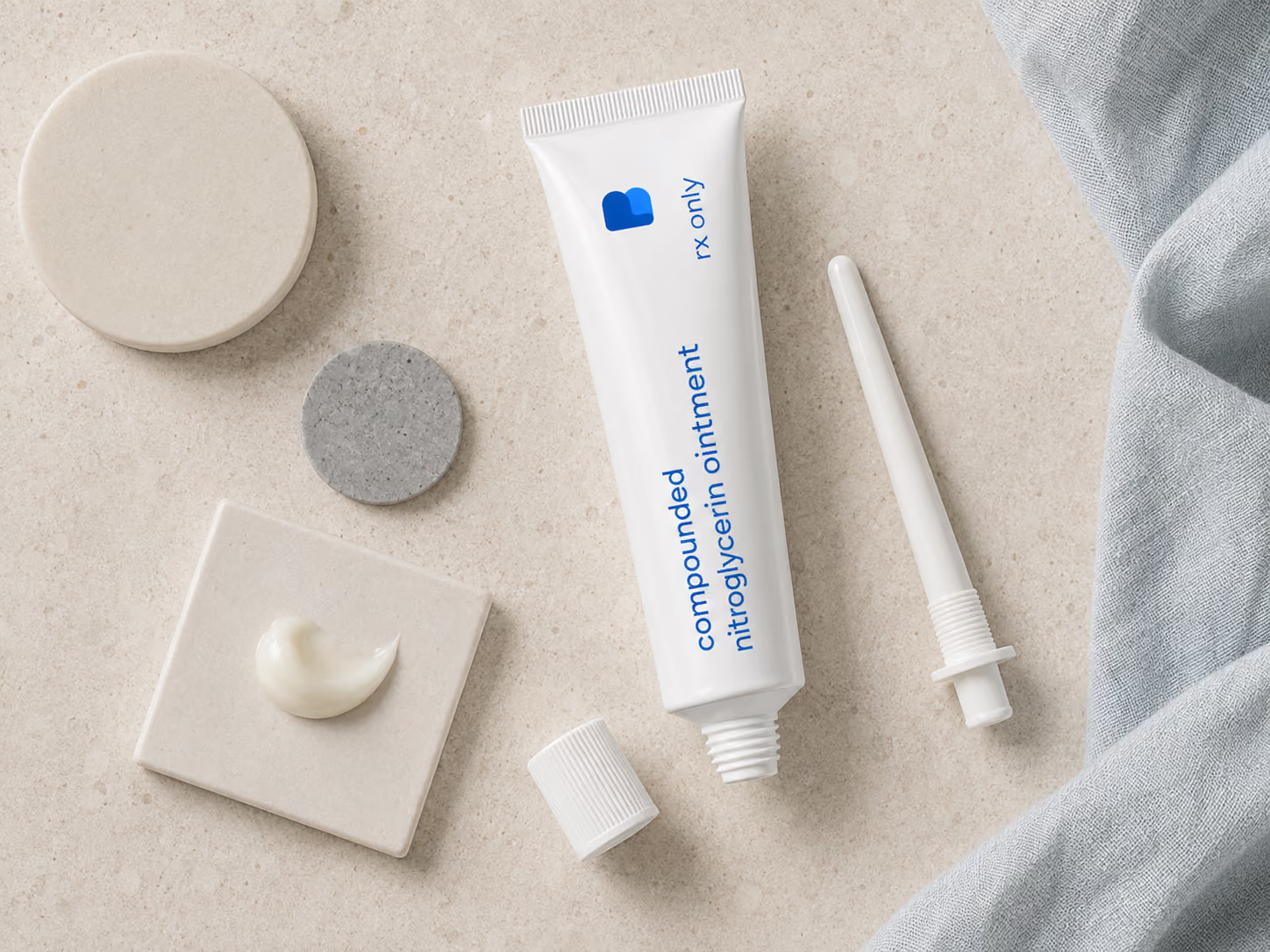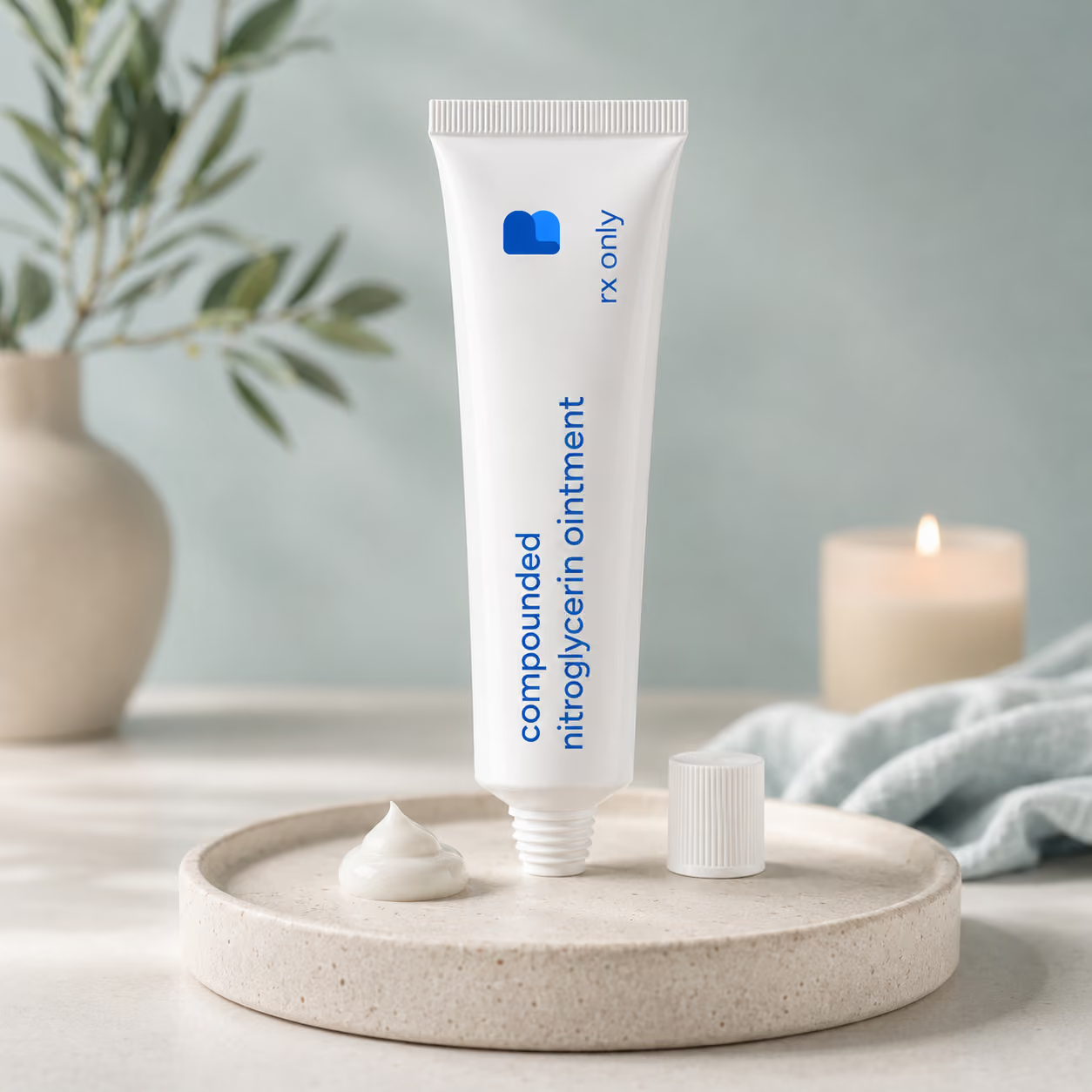





Nitroglycerin rectal ointment is a topical medication used to relieve the pain of a chronic anal fissure, a small tear in the lining of the anal canal that can cause sharp pain and muscle spasm. Applied to the anal area, nitroglycerin relaxes the tight internal anal sphincter and increases blood flow, which can reduce spasm and support healing.
An FDA-approved rectal nitroglycerin product exists (Rectiv, nitroglycerin 0.4% ointment). Bayview Pharmacy also compounds nitroglycerin in lower custom strengths and in combinations that are not commercially available, prepared to the strength your provider orders. Bayview compounds this as part of our pain management compounding line.
How does it work?
Nitroglycerin is a nitric oxide donor. Nitric oxide relaxes smooth muscle, so applying it near the anus lowers the resting tone of the internal anal sphincter and widens local blood vessels, increasing blood flow to the fissure. Lower pressure plus better perfusion eases the spasm-and-pain cycle and supports healing (StatPearls: Anal Fissures).
What is it used for?
It is used to relieve the pain of a chronic anal fissure, typically after conservative steps such as fiber, fluids, and sitz baths. A provider may direct its use as part of a treatment plan; whether it is appropriate depends on your history and the other medicines you take (Mayo Clinic).
Nitroglycerin, diltiazem, and nifedipine for fissures
Topical nitroglycerin and the calcium channel blockers diltiazem and nifedipine are all options a provider may consider for a chronic fissure; each works to relax the sphincter and improve blood flow. Calcium channel blockers appear comparably effective and often cause fewer headaches, while nitroglycerin is a long-used option. There is no single "best" choice, your provider weighs the trade-offs and decides (ASCRS 2023 guideline summary).
How is it used?
Your provider sets the strength, the exact amount, and how often to apply it. It is usually a small measured amount applied in or around the anus; using more than directed mainly increases side effects rather than benefit. Wash your hands after each application.
Side effects & safety
The most common side effect is headache, which is often dose-related, one reason Bayview compounds lower strengths. Some people feel dizzy or lightheaded because nitroglycerin can lower blood pressure. Do not use it with erectile-dysfunction drugs (PDE5 inhibitors such as sildenafil or tadalafil), which together can cause a dangerous drop in blood pressure (Mayo Clinic).
Who should not use it?
It should not be used by anyone taking a PDE5 inhibitor (such as sildenafil, tadalafil, or vardenafil), or by people with certain heart conditions, severe low blood pressure, or a known allergy to nitrates. Tell your provider about all medicines you take so they can confirm it is safe for you.
How should it be stored?
Store at room temperature away from heat and moisture, keep the container tightly closed, and keep it out of reach of children and pets. Use it by the beyond-use date on the label and discard any that is left over.
Why is this compounded?
Compounding lets the pharmacy prepare strengths lower than the commercial 0.4% product, and combinations such as nitroglycerin with lidocaine that are not available off the shelf, often to reduce headache while still relaxing the sphincter, matched to what your provider orders. The other compounded options for anal fissure are Diltiazem and Nifedipine. The full list is in our compounded medications catalog.
Clinical details for prescribers
Regulatory status. Nitroglycerin is not a controlled substance. A 0.4% rectal ointment is FDA-approved for pain of chronic anal fissure; the lower custom strengths (0.125%, 0.2%) and nitroglycerin/lidocaine combinations are compounded and not FDA-approved.
Formulation & dosing. Compounded as 0.125% and 0.2% rectal ointment, and 0.125% with lidocaine 1 to 2%. Commonly reported directions are about 1 cm of ointment applied to the distal anal canal every 12 hours for up to 3 weeks, applied with a glove or finger cot. Headache is dose-related, which is why therapy often starts at 0.125% before escalating.
Counseling / clinical points:
- Absolutely contraindicated with PDE5 inhibitors (sildenafil, tadalafil, vardenafil) and riociguat, screen every patient
- Counsel that headache is common, usually responds to acetaminophen, and tends to subside with continued use
- First doses are best applied sitting or lying down, orthostatic hypotension can occur
- Topical calcium channel blockers (diltiazem, nifedipine) heal fissures comparably with fewer headaches per the ASCRS guideline (ASCRS 2023), consider them first-line or as a switch for headache intolerance
- Persistent fissures after topical therapy warrant referral for botulinum toxin or sphincterotomy
Background: StatPearls, Anal Fissures. Account setup, licensing, and ordering are covered on our for providers page.
Nitroglycerin Rectal Ointment is a compounded medication and, in these custom strengths, is not FDA-approved. This information is educational and is not medical advice. Your provider determines whether it is appropriate and sets the dose.