



Methimazole is an antithyroid medication used in cats to help manage hyperthyroidism, an overactive thyroid gland that is very common in middle-aged and older cats. When the thyroid makes too much hormone, cats can lose weight despite a good appetite, become restless or vocal, and develop increased thirst and heart rate.
Bayview Pharmacy compounds methimazole in forms the commercial tablet cannot provide, most often a transdermal gel applied to the inner ear and a flavored oral liquid, so your veterinarian can match the medication to your cat and your household. It is part of our veterinary compounding line, alongside cisapride, ursodiol, pimobendan, and trilostane.
How does it work?
Methimazole is an antithyroid drug that reduces the thyroid gland's production of thyroid hormone. In its general human pharmacology it is described as a treatment for hyperthyroidism, an overactive thyroid that produces excess hormone (MedlinePlus). In cats, veterinarians use it to lower elevated thyroid hormone levels as part of a plan they determine and monitor.
What is it used for?
Veterinarians may prescribe methimazole to manage hyperthyroidism in cats. Whether it is appropriate for your cat, and how it fits alongside other options such as diet, radioactive iodine, or surgery, is a decision your veterinarian makes based on your cat's health and bloodwork.
How does the ear gel compare to tablets?
Many owners choose the transdermal ear gel because their cat resists pills, spits out tablets, or becomes stressed at dosing time. The gel is applied to the inner surface of the ear rather than swallowed, which can make daily treatment easier to keep up. Transdermal absorption can be more variable than an oral dose, so your veterinarian monitors your cat's response and thyroid levels and may adjust the strength or switch forms (Canadian Veterinary Journal). Where a cat will take liquid but not a pill, a flavored custom oral suspension is the other route.
How is it given?
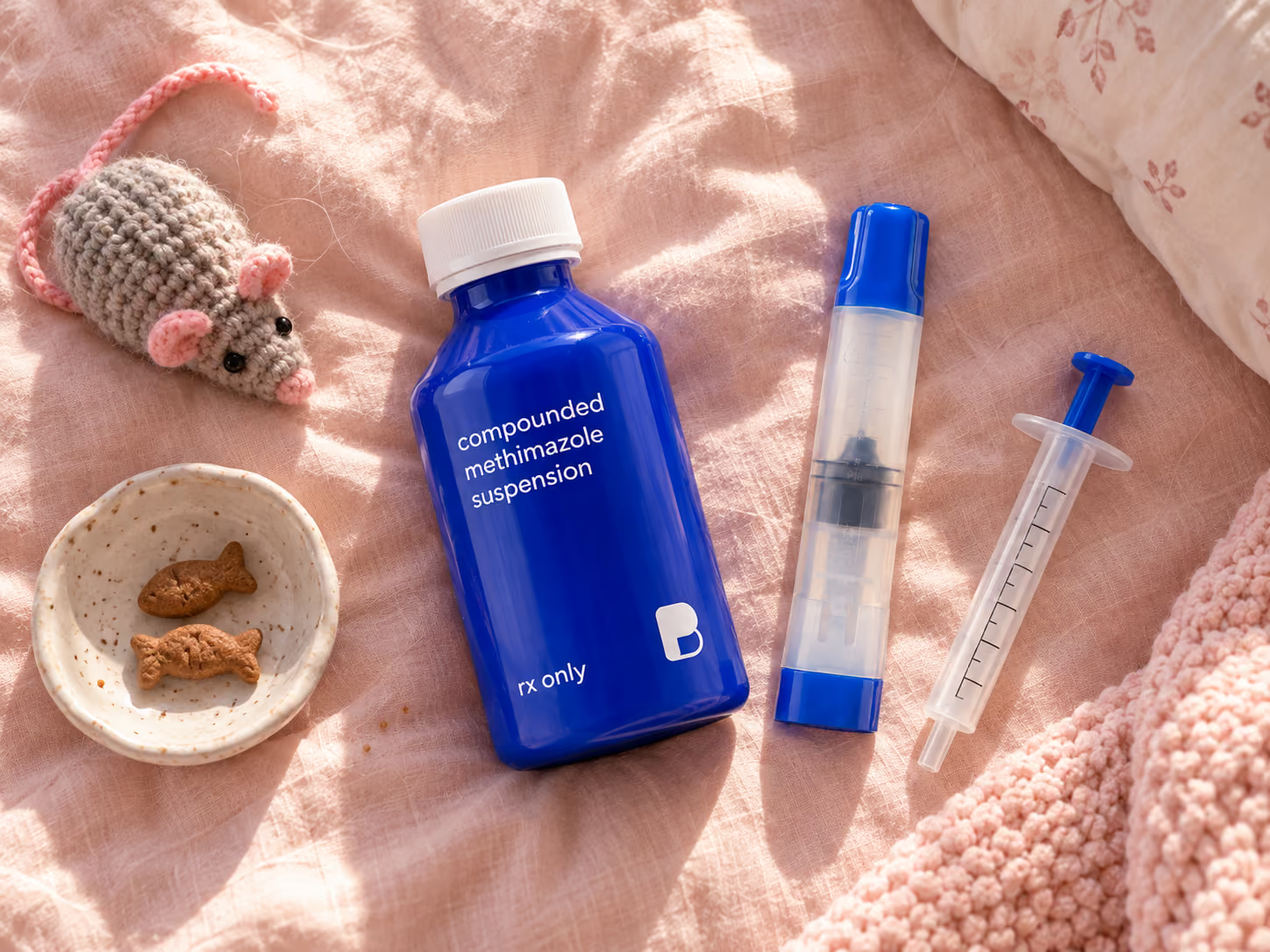
The transdermal gel is applied to the inner ear, usually with a metered TopiClick applicator. The flavored liquid is given by mouth. Your veterinarian sets the dose, which is specific to your cat, and the schedule. When applying the ear gel, wear a glove or finger cot, wipe any residue from the previous dose, and rotate between the left and right ear so one ear is not treated every time. Do not let children or other people in the household handle the medication, and wash your hands after each dose.
Side effects & safety
Common effects can include vomiting, poor appetite, and lethargy, and some cats develop itching or scratching around the face and neck. Rare but serious problems involving blood cells or the liver can occur. Veterinarians typically monitor bloodwork during treatment, including a complete blood count, liver values, thyroid levels, and kidney values. Clinical experience with transdermal methimazole in cats is described in the veterinary literature (Canadian Veterinary Journal). Contact your veterinarian if you notice any concerning changes.
Which pets should not take it?
Methimazole should not be given to cats that are allergic to it, and it is used with caution in pregnant cats. Tell your veterinarian about your cat's full history, including liver, kidney, or blood-cell problems and any other medications, so they can decide whether it is appropriate.
How should it be stored?
Store as directed on the label, keep the container tightly closed, and keep it out of reach of children and other pets. Handle the gel carefully and avoid skin contact, since it absorbs through skin. Do not use after the beyond-use date, and ask your veterinarian or pharmacist how to dispose of any unused medication.
Why is this compounded?
An approved tablet exists, but not every cat will take a pill and not every cat needs a standard strength. Bayview compounds methimazole as a transdermal ear gel, a flavored oral liquid in tastes such as chicken or fish, and in custom strengths, so your veterinarian can prescribe a form and dose your cat will accept. The rest of what we compound for animals is in our compounded medications catalog.
Clinical details for prescribers
Regulatory status. Methimazole is not a controlled substance. An FDA-approved feline tablet exists. Transdermal gel and flavored oral liquids are compounded and used extralabel under AMDUCA within a valid veterinarian-client-patient relationship, typically for cats that cannot be pilled.
Formulation and dosing. Compounded as a transdermal ear gel (about 1.25 to 7.5 mg per 0.1 mL in Lipoderm or PLO base with a TopiClick applicator) and flavored oral suspension (about 1.25 to 15 mg/mL). Commonly reported starting dosing is 2.5 mg per cat every 12 hours, applied to the inner ear pinna with alternating ears. Recheck total T4 two to four weeks after any dose change and titrate.
Counseling and clinical points:
- Caregivers must wear gloves or a finger cot and wash hands. Methimazole absorbs through human skin, and pregnant caregivers should avoid handling it.
- Wipe residue from the pinna before the next application and monitor for local irritation.
- Monitor CBC and chemistry. Facial pruritus, hepatopathy, and blood dyscrasias are the notable adverse effects.
- Normalizing T4 can unmask underlying chronic kidney disease. Track renal values alongside thyroid levels.
- Transdermal onset can be slower than oral dosing. Allow adequate time before dose escalation.
Transdermal delivery trades slower onset for better long-term compliance in cats that resist pills. Account setup and ordering are covered on our for providers page.
References
Methimazole for Cats is a compounded veterinary medication and is not FDA-approved. This information is educational and is not a substitute for your veterinarian's instructions. Your veterinarian determines whether it is appropriate and sets the dose.

.avif)