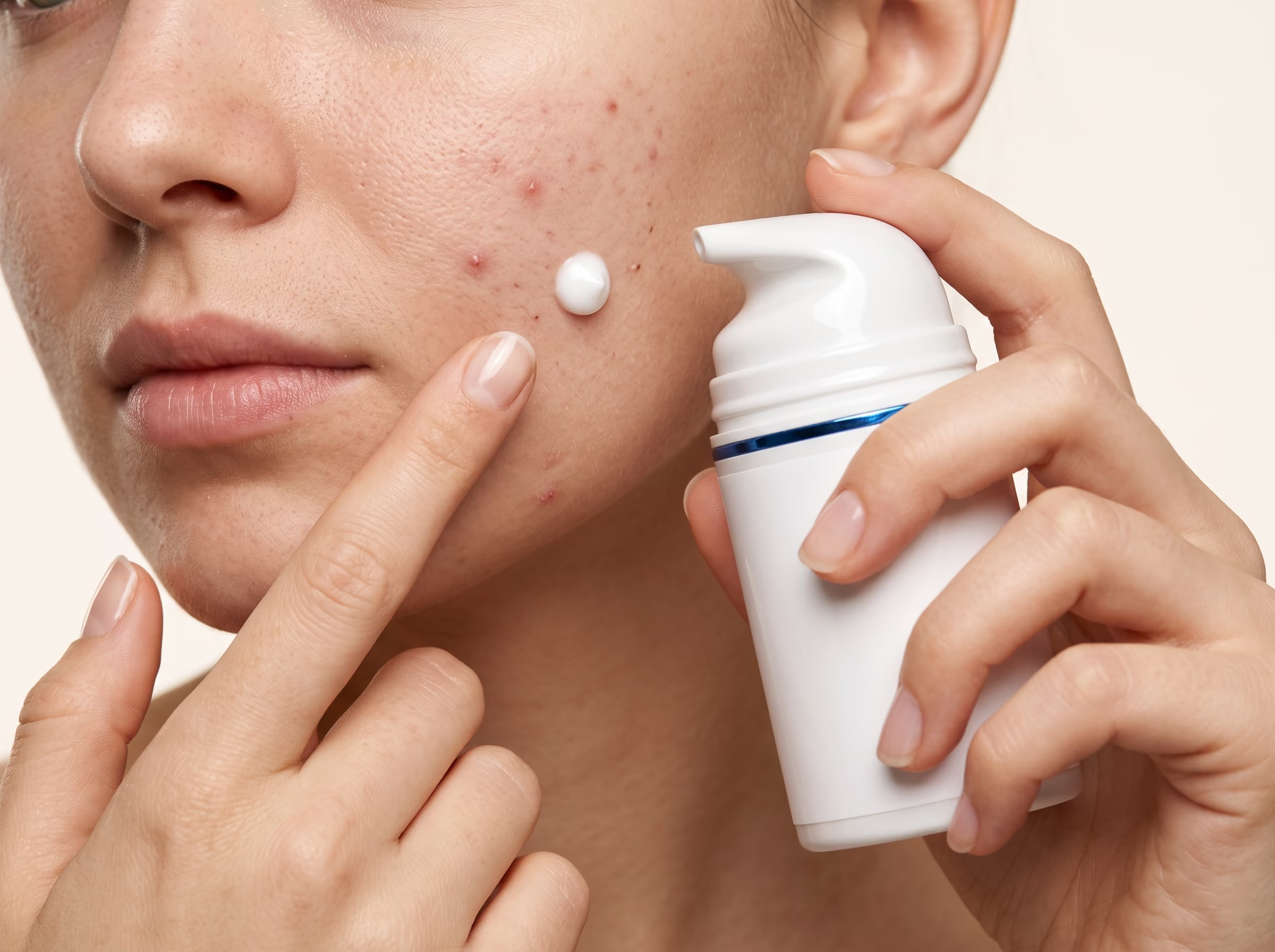






Acne is one of the most common skin conditions. Breakouts happen when hair follicles clog with oil and dead skin cells, allowing bacteria to grow and the surrounding skin to become inflamed. That can show up as blackheads, whiteheads, red pimples, or deeper, more painful bumps, most often on the face, chest, shoulders, and back. It is most common in teenagers, but many adults deal with it too, especially hormone-related breakouts in women.
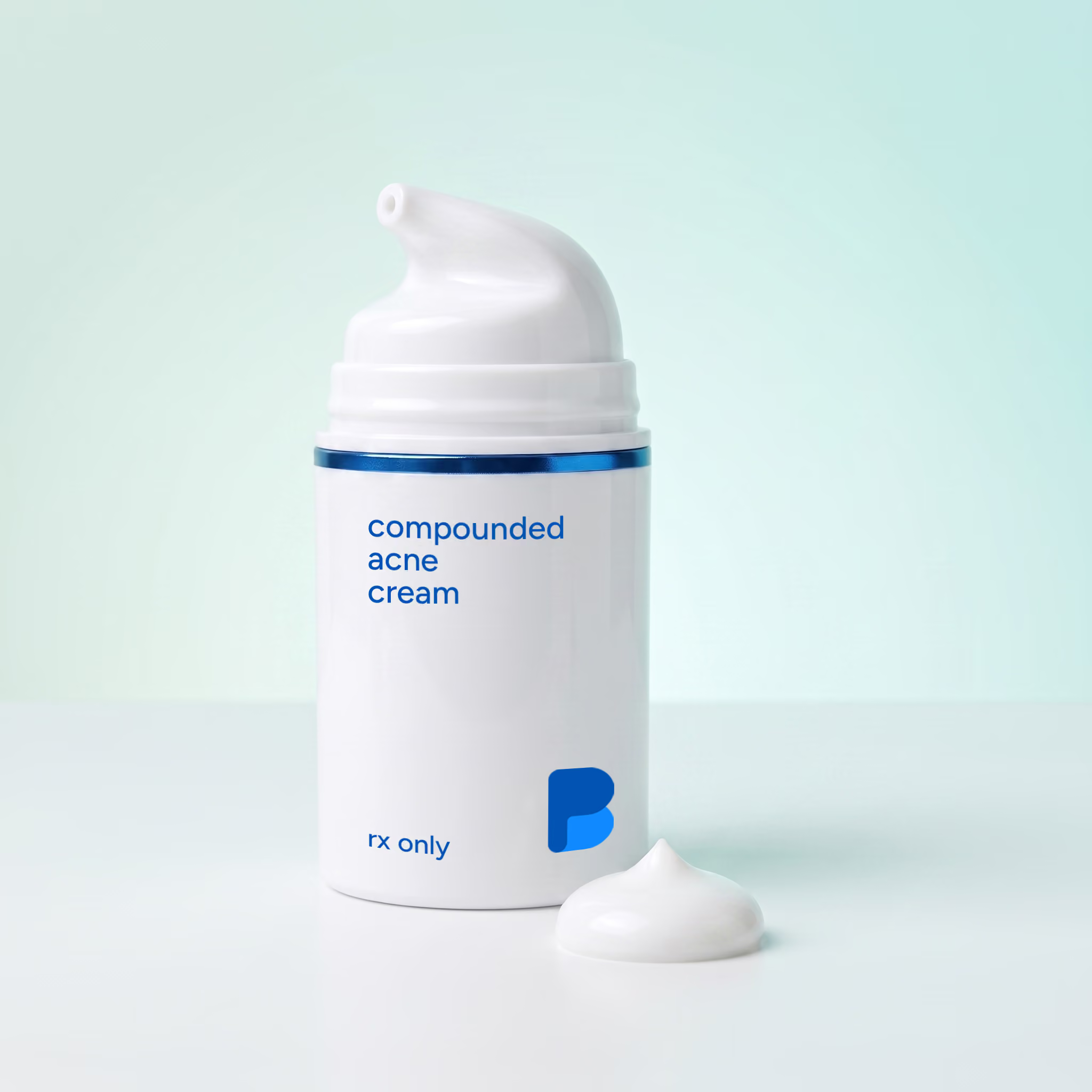
Bayview Pharmacy prepares compounded, prescription-only acne creams that a provider can use as part of care for acne, tailored to the patient and to what is driving their breakouts. Bayview compounds this as part of our dermatology compounding line.
Why does acne happen?
Four things drive most acne: extra oil production, pores clogged with dead skin cells, bacteria that grow inside the clogged pore, and the inflammation that follows. Hormonal changes, during the teenage years, menstrual cycles, or times of stress, can turn oil production up, which is why breakouts often track with them. Genetics play a role as well, and even after a blemish heals, it can leave behind a dark mark that fades slowly. Adult breakouts that come with flushing and persistent facial redness may be rosacea, a different condition treated with different ingredients.
Because several different factors can be at work, treatments target different steps: unclogging pores, reducing bacteria, calming inflammation, or dialing down oil production. You can read more about the condition from MedlinePlus (NIH).
How Bayview treats acne
Rather than one ladder of strengths, this line is a toolkit of twelve compounded creams your provider can choose from based on what is driving your acne. Tretinoin, a retinoid, speeds skin cell turnover to keep pores from clogging (MedlinePlus, tretinoin topical). Clindamycin and erythromycin are antibiotics that slow the growth of acne-causing bacteria (MedlinePlus, clindamycin topical), and benzoyl peroxide works against those bacteria in a different way (MedlinePlus, benzoyl peroxide).
From there, the line covers more specific needs: azelaic acid both fights bacteria and reduces the keratin buildup that clogs pores (MedlinePlus, azelaic acid), spironolactone is compounded as a cream for hormone-related breakouts, sulfacetamide and sulfur offer an older but well-established combination, hydroquinone can be paired with an antibiotic to address post-acne dark marks, and niacinamide and sodium hyaluronate help calm and hydrate the skin. Many formulas combine two actives in one cream.
Our acne lineup
Twelve compounded creams spanning retinoids, antibiotics, benzoyl peroxide, azelaic acid, and a topical hormonal option, matched to what is driving your breakouts.
Compare the formulasWhy a personalized, compounded approach?
Commercial acne products come in fixed strengths and fixed pairings. Compounding lets a licensed pharmacy combine two actives in one cream, prepare concentrations that are not available off the shelf, and offer options, like a topical form of spironolactone, that are not commercially manufactured. That means your provider can match the formula to the type of acne you have, your skin's sensitivity, and what you have already tried, rather than a one-size product. As a 503A compounding pharmacy, Bayview prepares each order in small batches under USP <795> standards using quality ingredients. Related dermatology preparations include Rosacea & Redness, Melasma & Dark Spots, Wrinkles & Fine Lines, and Hair Loss. The full list is in our compounded medications catalog.
What to expect
Acne treatment takes patience. Most topical treatments need several weeks before skin improves, often 4 to 6 weeks and sometimes longer, and retinoid-based formulas can make breakouts look temporarily worse in the first week or two before they get better. Some dryness, redness, or peeling is common early on. Daily broad-spectrum sunscreen matters, since several of these actives increase sun sensitivity, and benzoyl peroxide can bleach fabrics and hair, so let it dry before it touches towels or pillowcases. Results vary from person to person, and your provider may adjust your formula over time.
What to know before you start
Which of these apply depends on which formula your provider chooses. These are the ones that come up most often.
- Retinoid formulas can make things look worse before they look better. Redness, flaking, and a temporary flare in the first few weeks are expected as skin adjusts.
- Wear broad-spectrum sunscreen every day. Several of these actives make skin more sensitive to sun.
- Benzoyl peroxide bleaches fabric and hair. It will lighten towels, pillowcases, and clothing it touches. Use white linens, or let it dry fully first.
- Tell your provider if you are allergic to sulfa drugs. The sulfacetamide formulas are not appropriate if you are.
- Contact your provider if you develop persistent diarrhea while using a clindamycin formula. This is rare, but it is worth reporting rather than waiting out.
- Formulas containing tretinoin, spironolactone, or hydroquinone should not be used in pregnancy or while breastfeeding. Tell your provider if any of this applies to you or changes during treatment.
How do I get started?
Because these are prescription formulas, a licensed provider decides whether treatment is appropriate and chooses the formula and strength for you. Bayview Pharmacy does not provide consultations or determine appropriateness, and a valid prescription is required. Once you have a prescription, your provider can order through Bayview, and a pharmacist is available if you have questions.
Clinical details for prescribers
Line overview. Twelve compounded topical creams addressing the principal pathogenic factors in acne vulgaris:
- Follicular hyperkeratinization, tretinoin 0.025 to 0.05%, azelaic acid 5 to 15%
- C. acnes proliferation, clindamycin 1 to 2%, erythromycin 2 to 3%, benzoyl peroxide 5 to 20%, sulfacetamide sodium 10%/sulfur 5%
- Inflammation, azelaic acid, niacinamide 4%
- Sebum production, spironolactone 5% (off-label compounded topical antiandrogen)
Combination rationale. Combination formulas pair an antibiotic with benzoyl peroxide or a retinoid, consistent with stewardship preferences against topical antibiotic monotherapy. Clindamycin 2%/hydroquinone 4% additionally addresses post-inflammatory hyperpigmentation.
Counseling points:
- Retinization and transient flaring with retinoid formulas
- Photosensitivity, daily broad-spectrum SPF
- Fabric and hair bleaching with benzoyl peroxide
- Sulfonamide hypersensitivity with sulfacetamide
- Rare association of topical clindamycin with C. difficile colitis
- Avoid tretinoin-, spironolactone-, and hydroquinone-containing formulas in pregnancy or lactation
Full formula options and safety information appear elsewhere on this page. Account setup, licensing, and ordering are covered on our for providers page.
This information is about a skin condition and its treatment options and is not medical advice. Compounded medications are prescription-only and are not FDA-approved. Your provider determines whether treatment is appropriate and sets the formulation and dose.