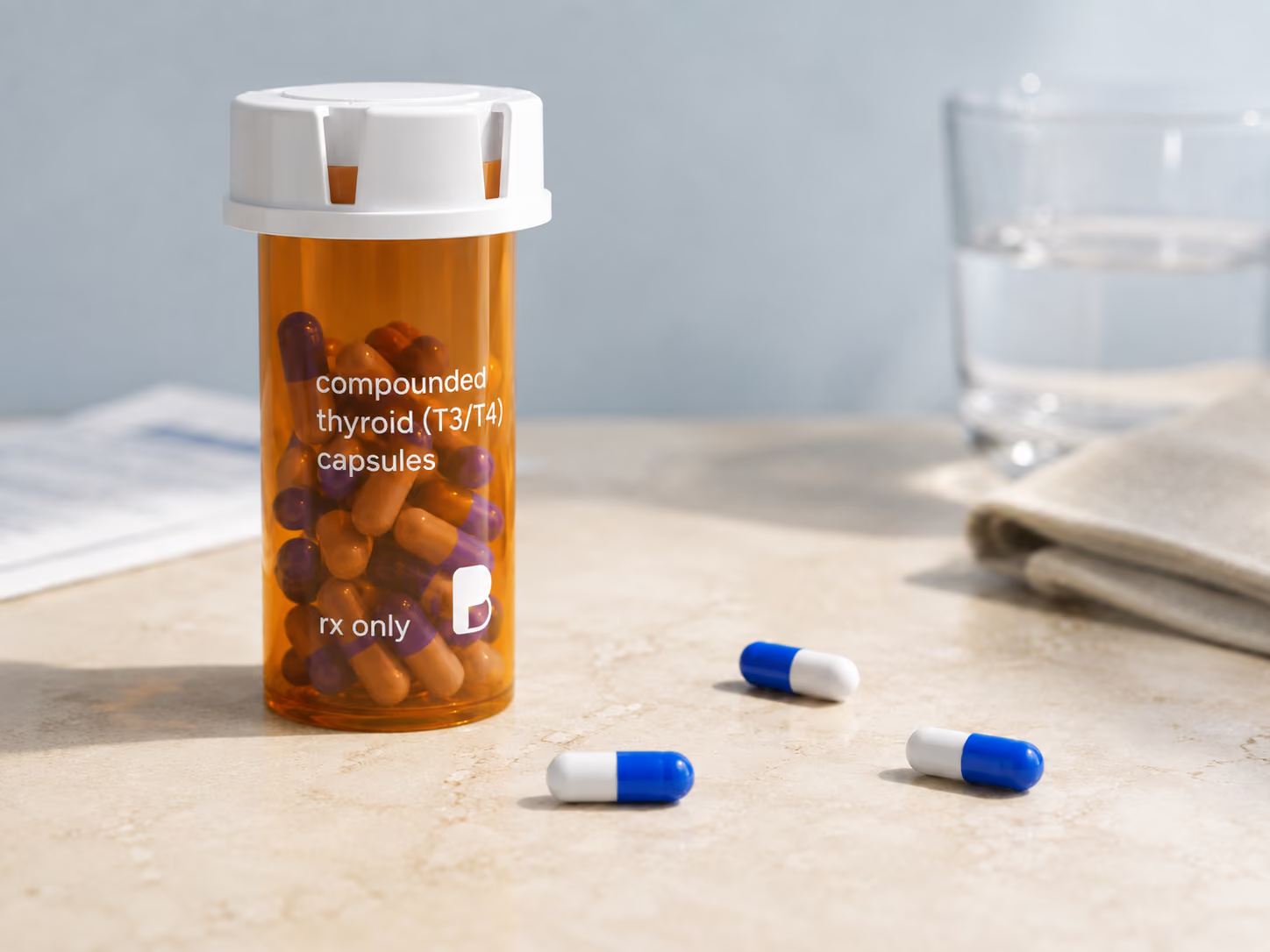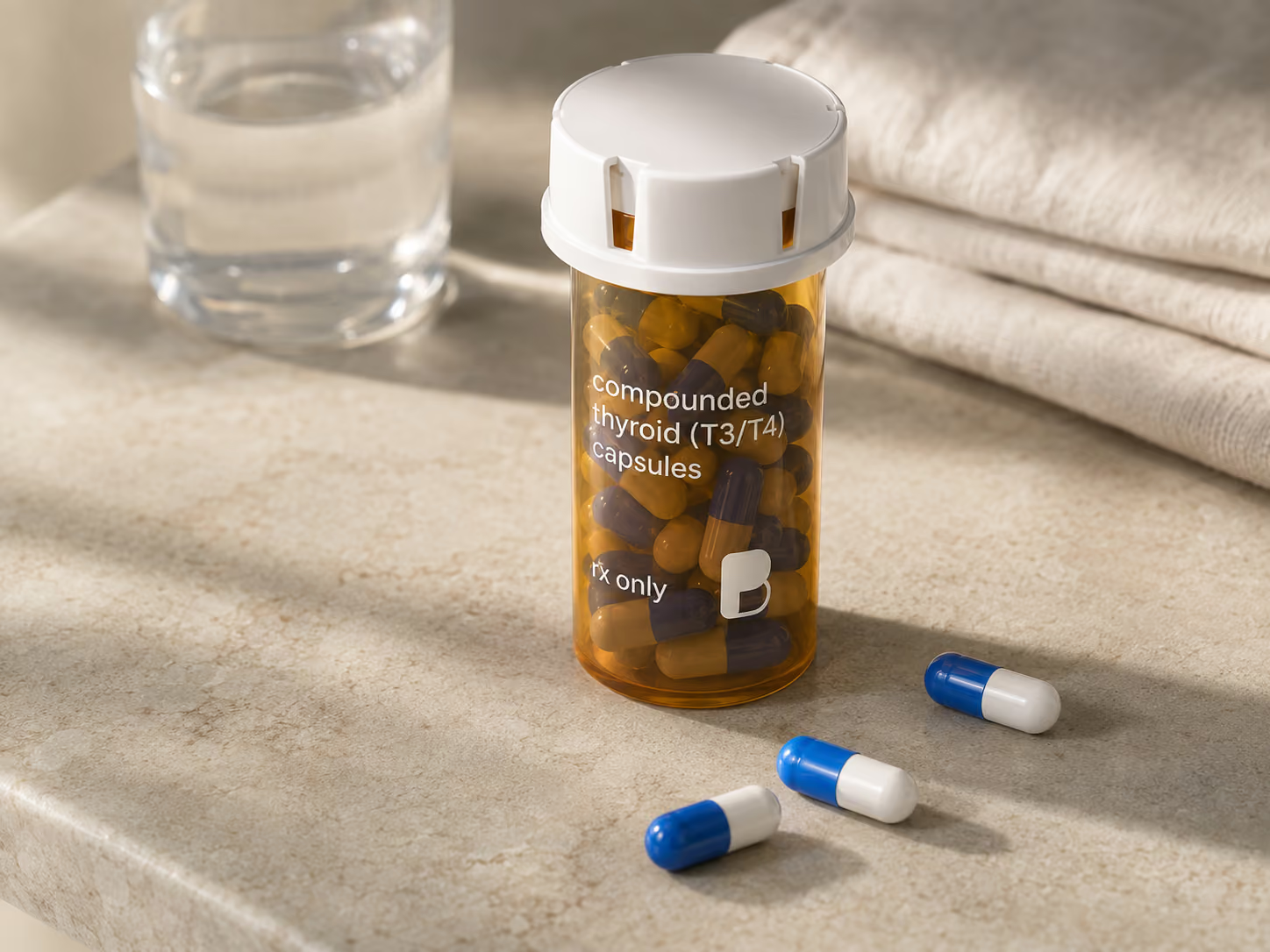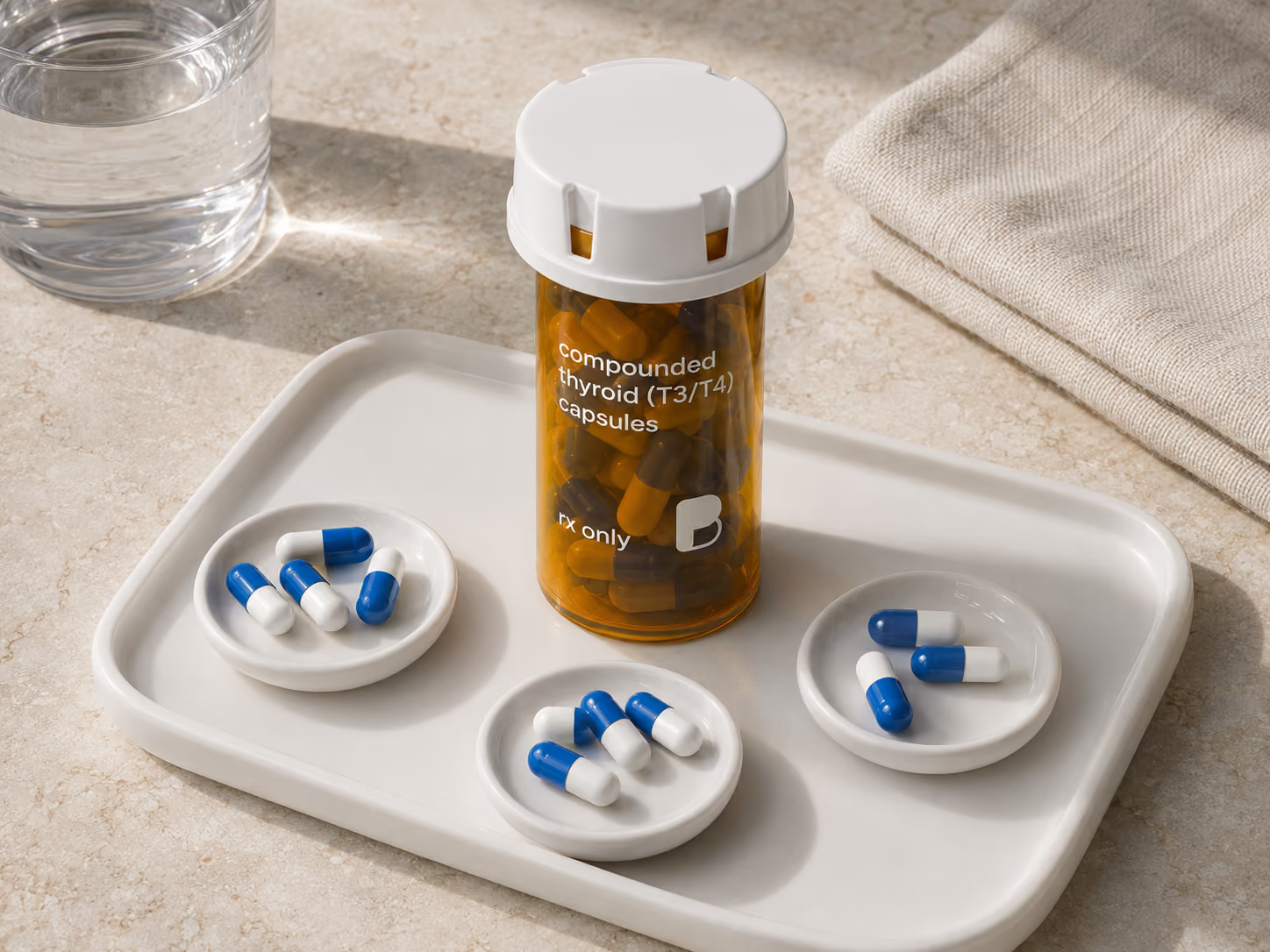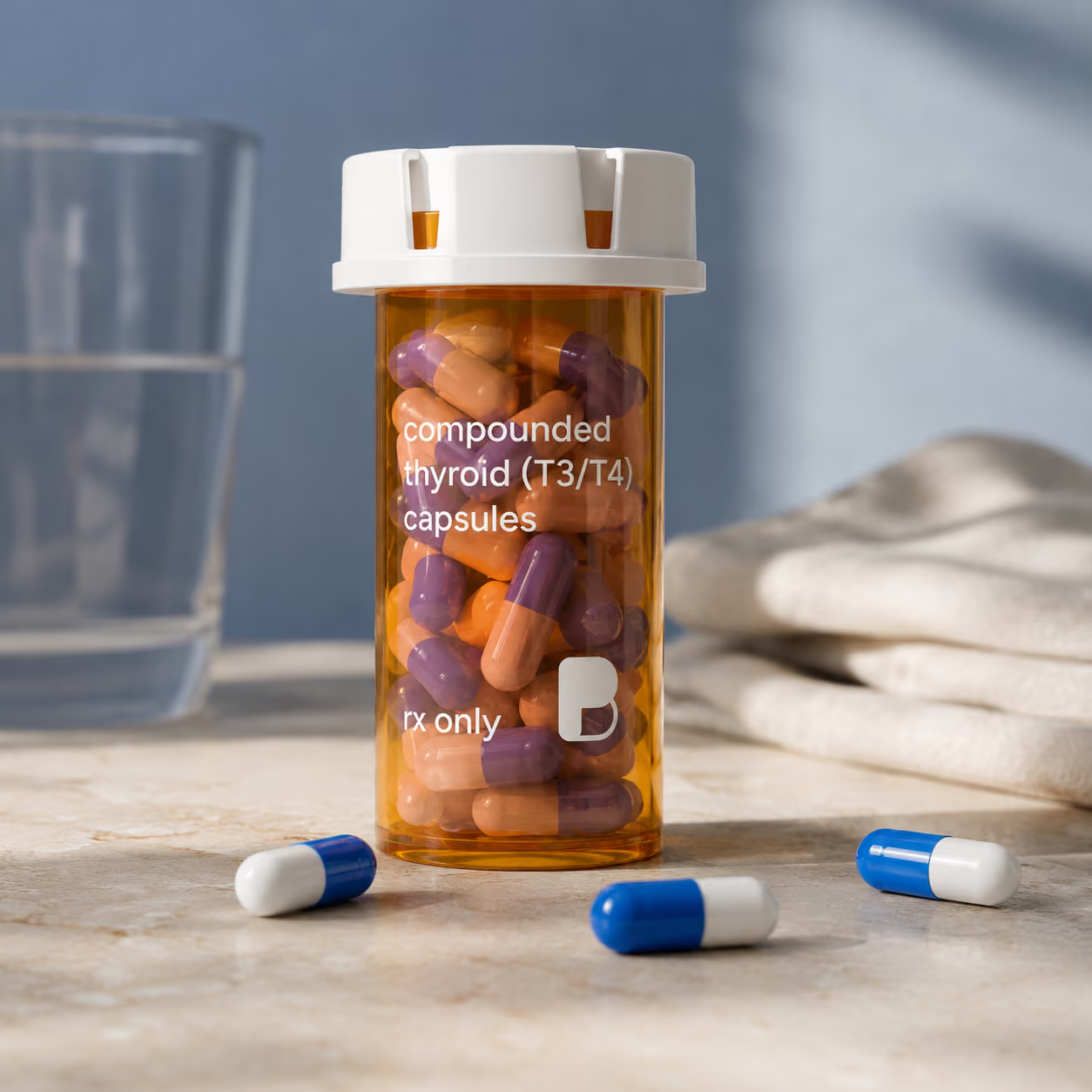





Compounded thyroid is a prescription preparation that replaces the thyroid hormone an underactive thyroid does not make in adequate amounts. Bayview compounds combination liothyronine/levothyroxine (T3/T4) capsules in custom ratios, liothyronine (T3)-only capsules, and desiccated (natural) thyroid capsules.
Each preparation is made to the strength and ratio your prescriber specifies, which allows fine dose adjustments and formulations without certain dyes, fillers, or allergens.
How does it work?
Thyroid hormone regulates metabolism, energy use, heart rate, and body temperature. Levothyroxine is synthetic T4 and liothyronine is synthetic T3; both replace the hormones an underactive thyroid does not produce in sufficient amounts (StatPearls: Thyroid Hormone Physiology; StatPearls: Levothyroxine).
What is it used for?
Thyroid hormone replacement treats hypothyroidism (an underactive thyroid). It is not a treatment for weight loss. Whether a compounded preparation rather than a commercial product is appropriate is a decision your provider makes based on your labs and history (MedlinePlus: Levothyroxine).
T4, T3, and desiccated thyroid, what's the difference?
Levothyroxine (T4) is the storage form the body steadily converts into active hormone, giving stable, long-acting levels. Liothyronine (T3) is the active hormone; it acts faster and clears sooner. Desiccated (natural) thyroid is derived from porcine thyroid and contains both T4 and T3 (MedlinePlus: Liothyronine).
Slow-release T3 (liothyronine) capsules
Liothyronine (T3) is the active thyroid hormone. With a standard immediate-release dose, T3 levels peak shortly after each dose and then fall, because T3 has a shorter half-life than T4; that is why T3 taken alone is often split into more than one daily dose (American Thyroid Association, 2014). FDA-approved liothyronine (Cytomel and generic tablets) comes as immediate-release 5, 25, and 50 mcg tablets (Cytomel dosage forms).
When a provider orders it, Bayview compounds liothyronine capsules in two forms: immediate release, and slow release, in which the T3 is blended with hypromellose (Methocel E4M), a polymer that slows how quickly the capsule contents dissolve. Capsules can be made in strengths between the commercial tablet sizes. There is no FDA-approved slow-release T3 product, and the American Thyroid Association recommends against routine use of compounded thyroid hormones, citing safety and potency concerns and a lack of data showing superiority to standard products (ATA, 2014). Your provider decides whether a compounded or slow-release form fits your treatment.
How is it used?
Thyroid capsules are usually taken by mouth once daily on an empty stomach, often 30 to 60 minutes before breakfast. Your provider sets the dose and adjusts it using TSH and other thyroid labs. Separate calcium, iron, and antacids by several hours, since they reduce absorption.
Side effects & safety
Taking more thyroid hormone than the body needs can cause palpitations, tremor, insomnia, and heat intolerance. Report symptoms of over- or under-treatment so your dose can be adjusted (MedlinePlus: Levothyroxine).
Who should not use it?
Use requires caution in people with heart disease, arrhythmia, or adrenal insufficiency, and in older adults, who may need lower starting doses. Tell your provider about all of your conditions and medicines before starting.
How should it be stored?
Store at room temperature, away from heat, moisture, and light, and keep out of reach of children. Use by the beyond-use date on the label.
Why is this compounded?
Compounding lets Bayview prepare a specific T3/T4 ratio or custom strength, a T3-only or desiccated option, or a capsule free of particular dyes or fillers when a commercial product does not meet a patient's needs. Related preparations include Low Dose Naltrexone (LDN), Testosterone (Men), and Enclomiphene. The full list is in our compounded medications catalog.
Clinical details for prescribers
Regulatory status. Thyroid hormones are not controlled substances. Levothyroxine (T4) and liothyronine (T3) are FDA-approved as single-agent products; custom-ratio T3/T4 combination capsules and compounded desiccated thyroid capsules are not FDA-approved and are prepared per prescription by a 503A pharmacy.
Formulation & dosing. Compounded as T3/T4 capsules in custom mcg ratios (e.g., 8/25, 20/95, 25/90), liothyronine-only capsules (4 to 40 mcg, immediate release or slow release with hypromellose), and desiccated thyroid capsules (5 to 90 mg). Commonly dosed once daily on an empty stomach, 30 to 60 minutes before breakfast, separated by 4 hours from calcium, iron, and antacids. Recheck TSH (± free T4/T3) 6 to 8 weeks after any dose change.
Counseling / clinical points:
- Narrow therapeutic index, counsel on consistent timing and consistent product use
- Use caution with T3-containing regimens in elderly patients and those with cardiovascular disease; T3 is substantially more potent than T4
- Review for symptoms of over-replacement: palpitations, tremor, heat intolerance, insomnia, unintended weight loss
- Guidelines favor levothyroxine monotherapy for most patients, combination therapy is an individualized decision for selected patients
- Slow-release T3: no FDA-approved sustained-release liothyronine exists. LT3 monotherapy produces peaks and troughs in serum T3 unless dosed multiple times daily; ATA 2014 recommends against routine use of compounded thyroid hormones, noting compounding may be reasonable for an unavoidable excipient allergy (ATA guideline). Specify immediate or slow release on T3-containing prescriptions.
Custom ratios allow doses between commercial strengths and gradual T3 titration that fixed products cannot provide. Account setup, licensing, and ordering are covered on our for providers page.
Compounded Thyroid is a compounded medication and is not FDA-approved. This information is educational and is not medical advice. Your provider determines whether it is appropriate and sets the dose.