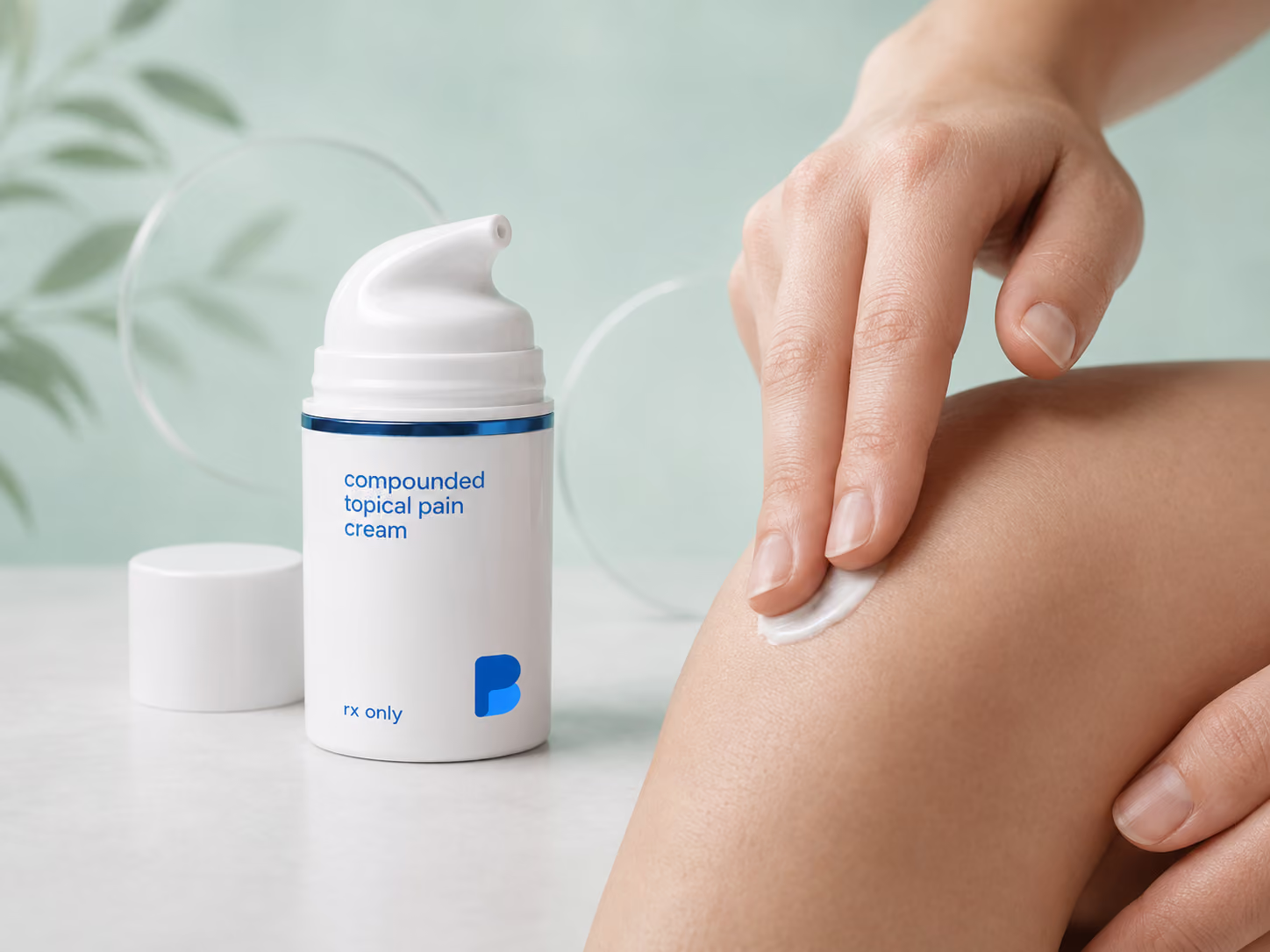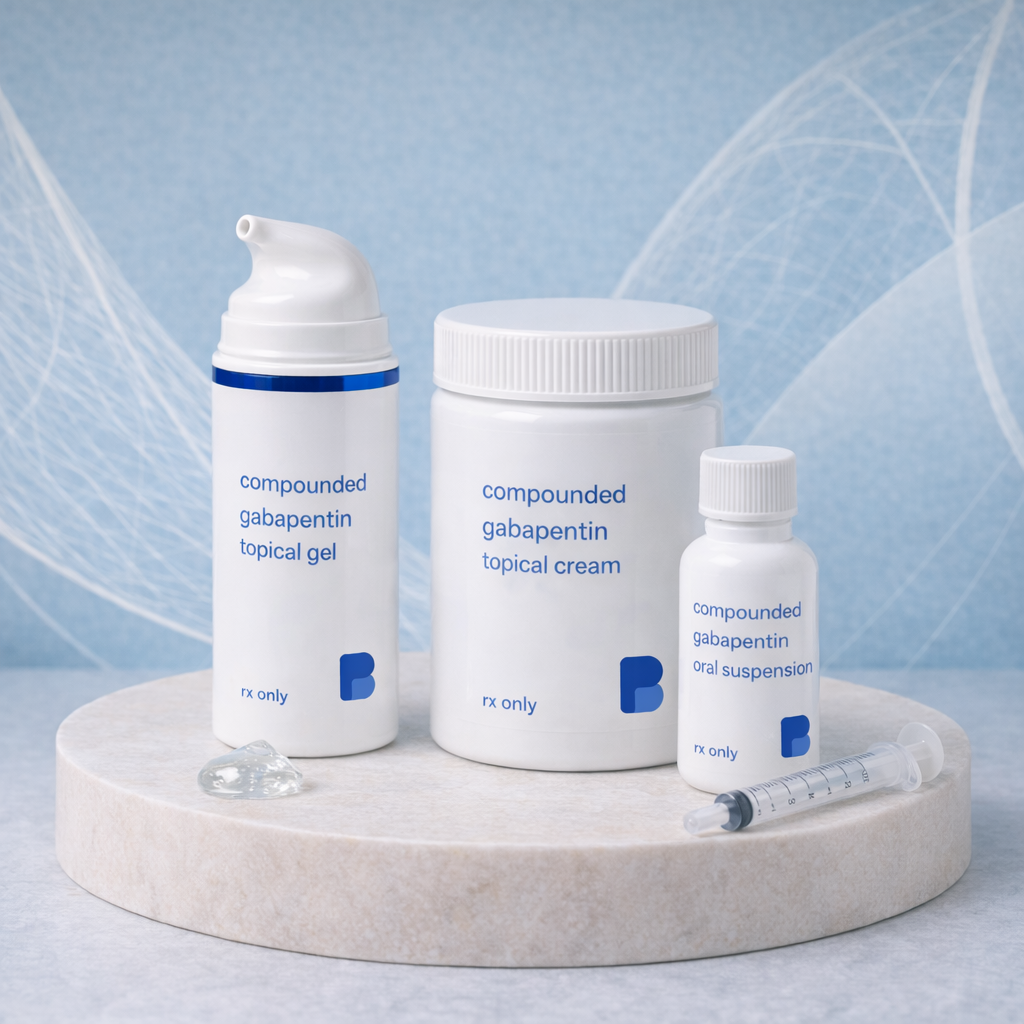




A custom topical pain cream combines several pain-relieving ingredients, chosen by your prescriber, in a single cream or gel that you apply to the skin over a painful area. Because it acts mainly at the site, it can concentrate medication locally with less systemic exposure than the same drugs taken by mouth.
Providers use these creams for localized musculoskeletal or neuropathic (nerve) pain, such as arthritic joints or peripheral neuropathy. The exact mix is the prescriber's choice, and the evidence for compounded topical pain creams is limited and mixed. Bayview compounds this as part of our pain management compounding line.
How does it work?
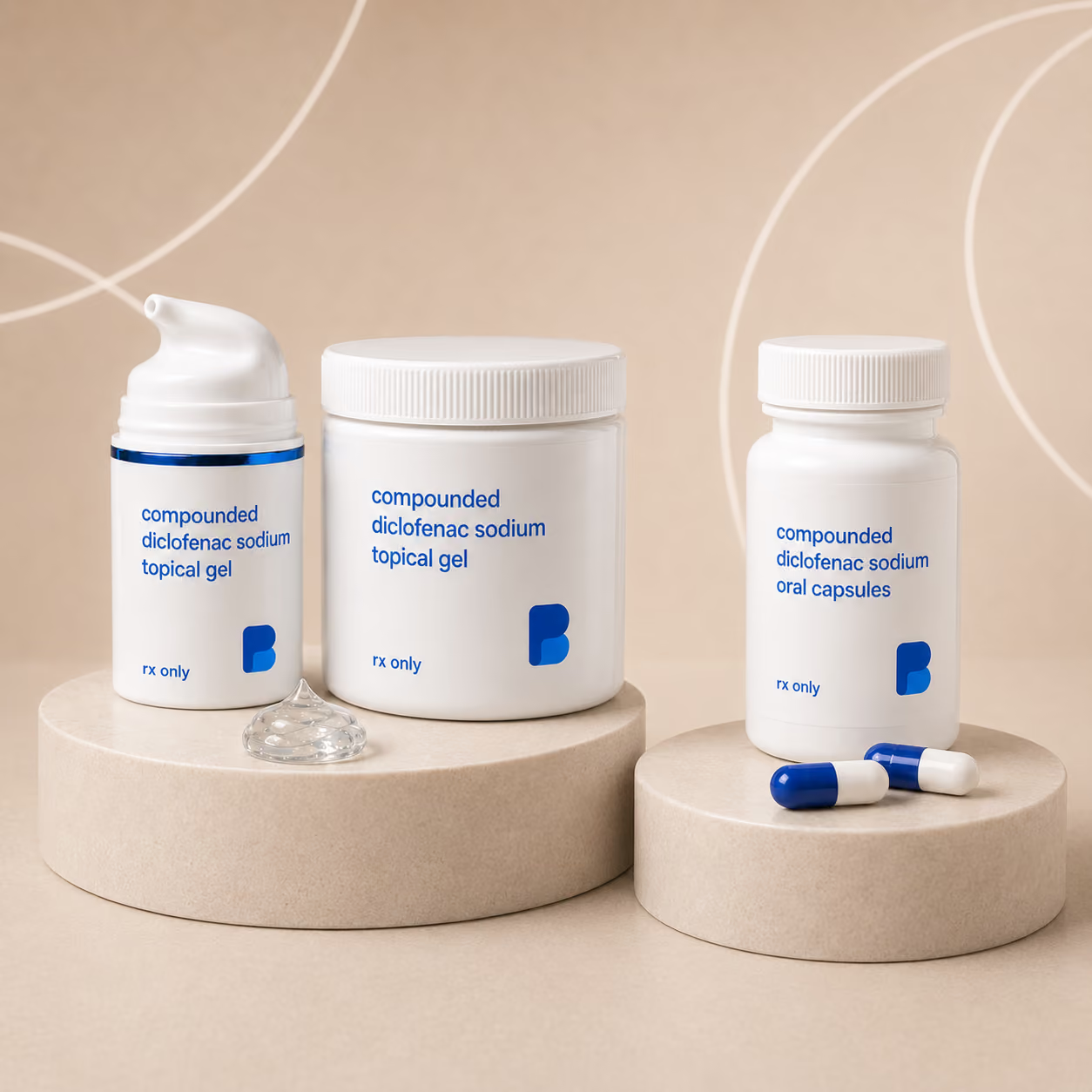
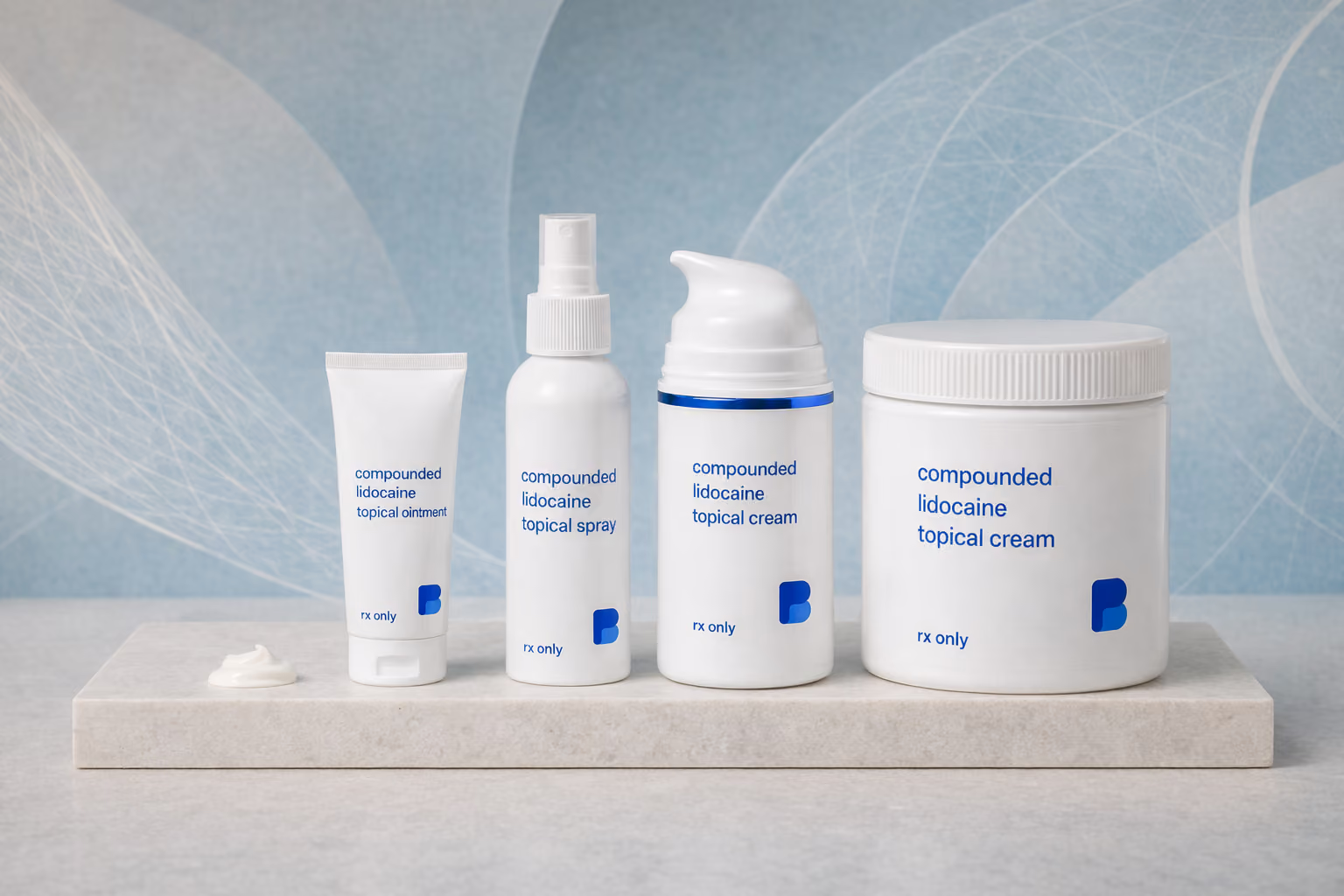
Each ingredient acts locally, by its own mechanism, in the skin and tissue under the application site. An NSAID such as diclofenac blocks a substance the body uses to make pain and inflammation (MedlinePlus: diclofenac topical), while an anesthetic such as lidocaine quiets the nerve signals that carry pain (MedlinePlus: lidocaine transdermal). A National Academies review of compounded topical pain creams notes that well-designed trials are few, so any local benefit is expected to vary by ingredient and person (National Academies review).
What is it used for?
Providers prescribe custom topical pain creams for localized musculoskeletal or neuropathic pain, for example, arthritic joints, peripheral neuropathy, or other nerve pain in a defined area. This use is off-label and provider-determined, and the cream is meant to fit into, not replace, the rest of your care.
What goes in a custom pain cream?
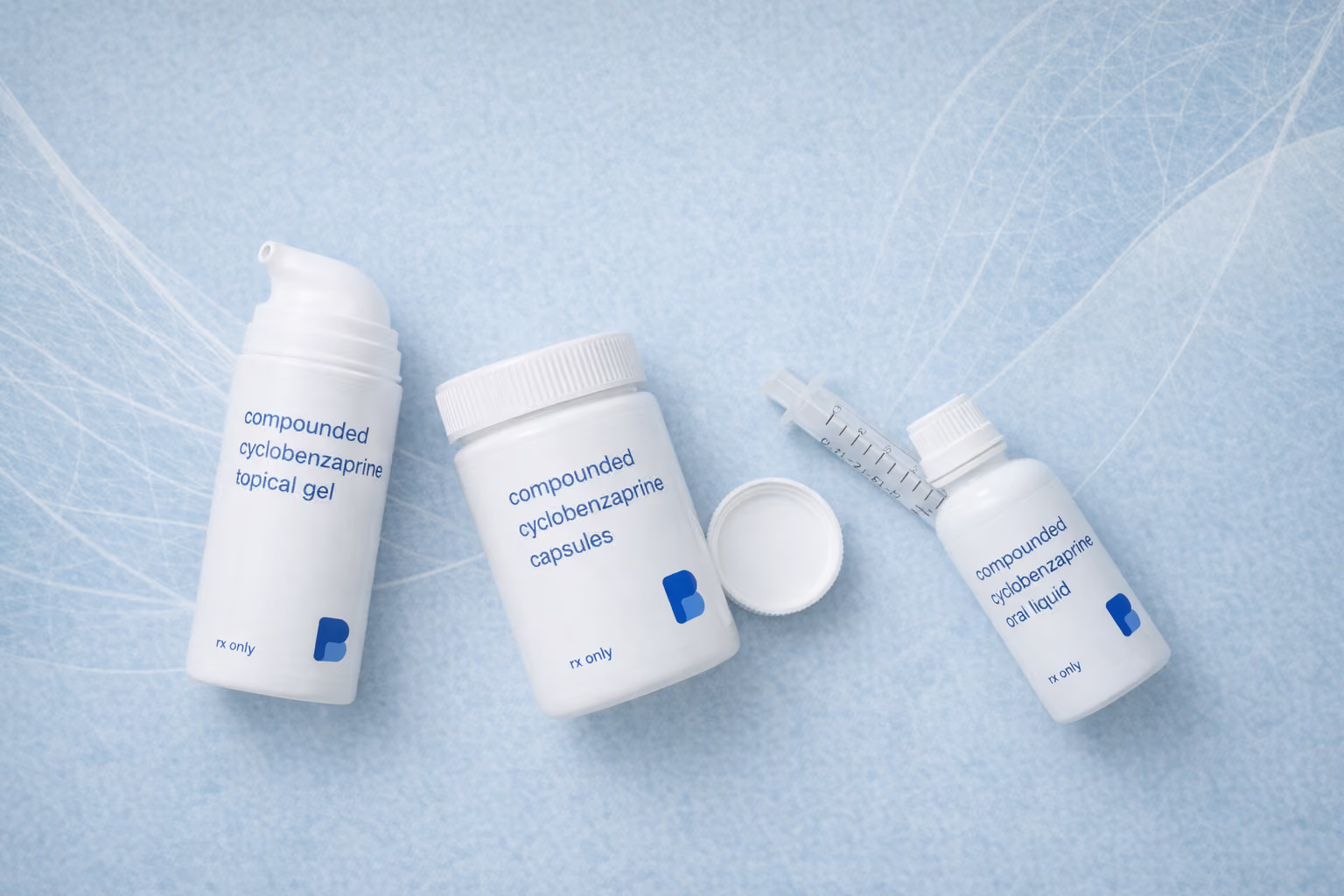
Your prescriber selects ingredients by the type of pain being treated. Common choices include NSAIDs such as diclofenac or ketoprofen for inflammation; anesthetics such as lidocaine or bupivacaine for surface pain; gabapentin, amitriptyline, cyclobenzaprine, or baclofen for nerve- or muscle-related pain; and menthol for a cooling effect. Some formulas also include ketamine, a controlled substance that carries additional prescription requirements; the default base described here does not contain a controlled substance.
How is it used?
Your provider sets the amount, the area, and how often to apply the cream and specifies the measured or fingertip dose to use. Apply only to the area described and wash your hands afterward unless told otherwise. Do not use more, or over a larger area, than prescribed.
Side effects & safety
The most common effects are at the application site, redness, dryness, itching, or irritation of the skin (MedlinePlus: diclofenac topical). Systemic absorption is lower than with oral medicines but is still possible, so follow the amount and area your prescriber specifies. Because the ingredients vary, possible drug interactions depend on your specific formula, review your full medication list with your provider.
Who should not use it?
Do not use on broken skin, open wounds, or infected areas, and keep it away from the eyes and mucous membranes, unless your prescriber directs otherwise. Tell your provider if you are pregnant, breastfeeding, or have reacted to any ingredient in the cream. Your prescriber will confirm whether a custom pain cream, and each ingredient in it, is appropriate for you.
How should it be stored?
Store as directed on the label, usually at room temperature and away from heat and moisture. Keep it out of reach of children and pets, and do not use it after the beyond-use date on the container.
Why is this compounded?
A custom pain cream lets your prescriber combine several ingredients, at the strengths they choose, into one preparation that is not available as a standard manufactured product. Compounding by Bayview Pharmacy makes it possible to match the formula to your specific pain and needs. Related preparations for localized pain include BLT Numbing Cream, Nitroglycerin, Low Dose Naltrexone (LDN), and All-Purpose Nipple Ointment. The full list is in our compounded medications catalog.
Clinical details for prescribers
Regulatory status. Controlled status depends on the formula: ketamine-containing creams are Schedule III and must be e-prescribed via EPCS; NSAID/anesthetic/neuropathic combinations without ketamine are noncontrolled. All multi-ingredient compounded pain creams are not FDA-approved.
Formulation & dosing. Compounded to the prescriber's exact ingredient list and strengths, examples include diclofenac 5% / gabapentin 10% / lidocaine 7%, and cyclobenzaprine 2% / gabapentin 6% / ketoprofen 15% / lidocaine 5%. Commonly reported directions are a thin layer to the affected area two to three times daily, typically dispensed in 60 to 120 g.
Counseling / clinical points:
- Limit application area and frequency, systemic absorption of lidocaine and ketamine over large surfaces can be clinically significant
- Do not apply to broken skin, mucous membranes, or under occlusion unless specifically directed
- Counsel on glove use or immediate hand-washing after application, and keeping the product away from children and pets
- Local irritation is the most common adverse effect; a base change often resolves intolerance
- Evidence for multi-agent topical analgesia is strongest for localized neuropathic pain, match ingredients to the pain mechanism
Targeting several pain mechanisms locally allows meaningful analgesia with far lower systemic exposure than the same agents given orally. Account setup, licensing, and ordering are covered on our for providers page.
Custom Topical Pain Cream is a compounded medication and is not FDA-approved. This information is educational and is not medical advice. Your provider determines whether it is appropriate and sets the dose.