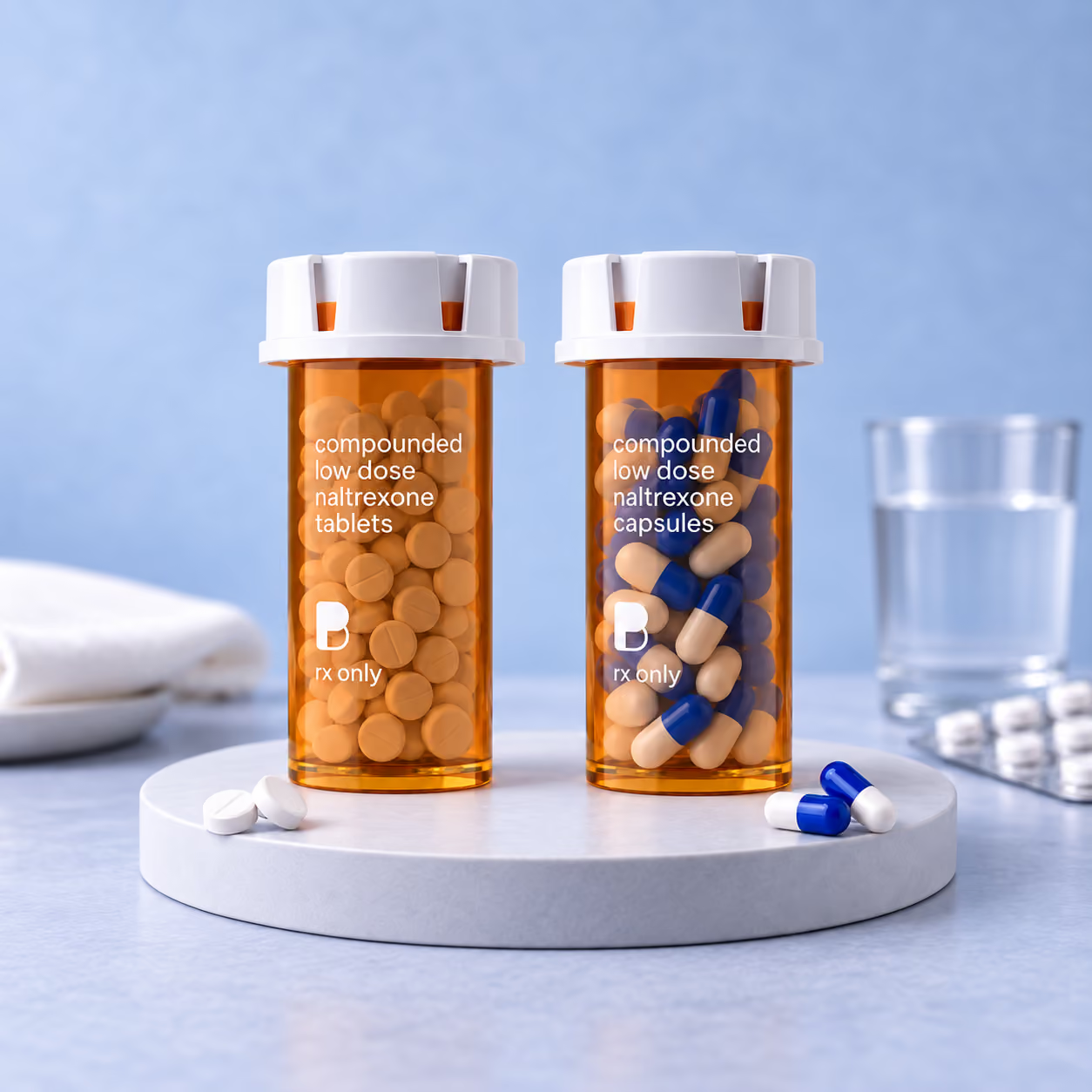
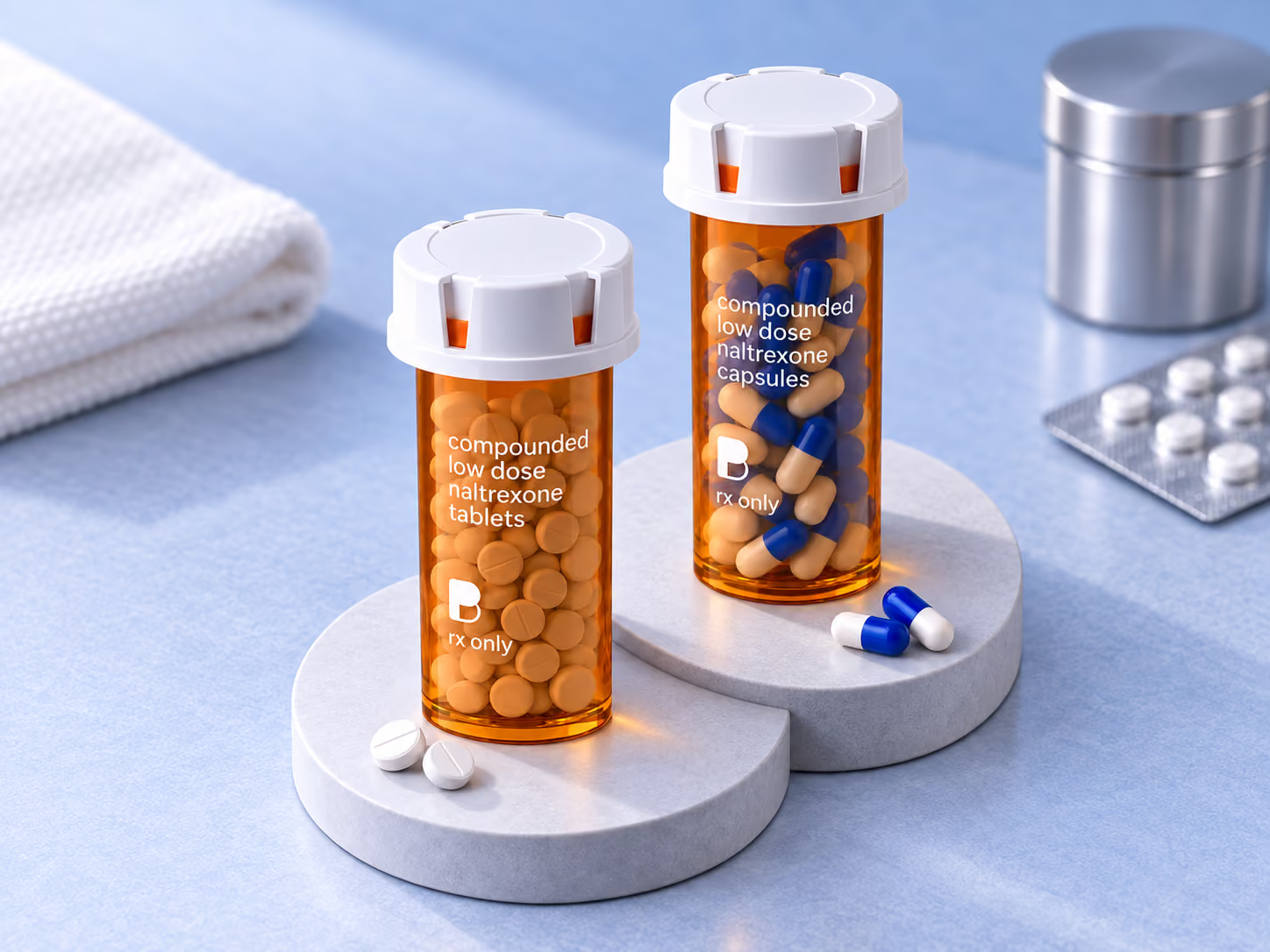
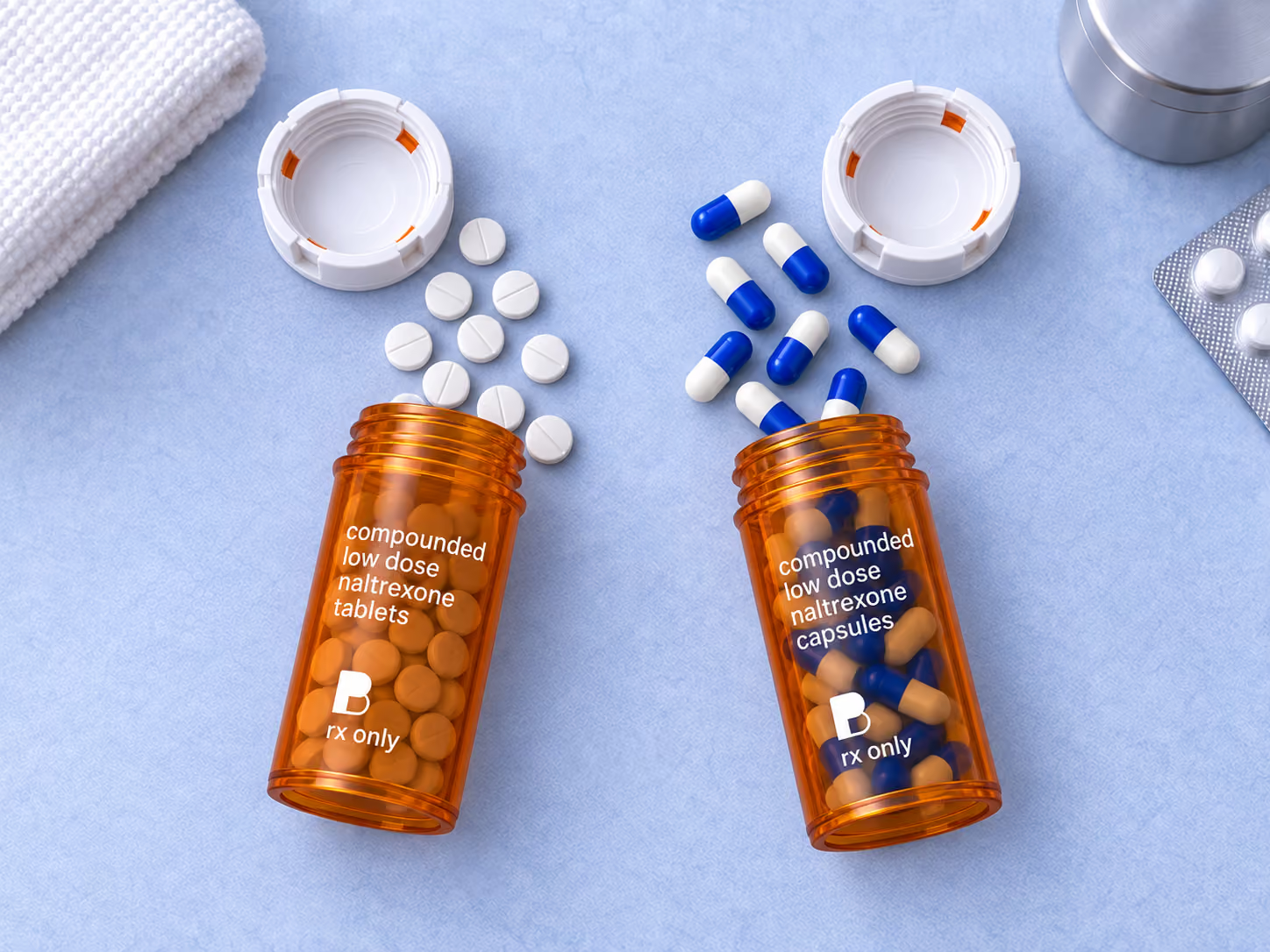
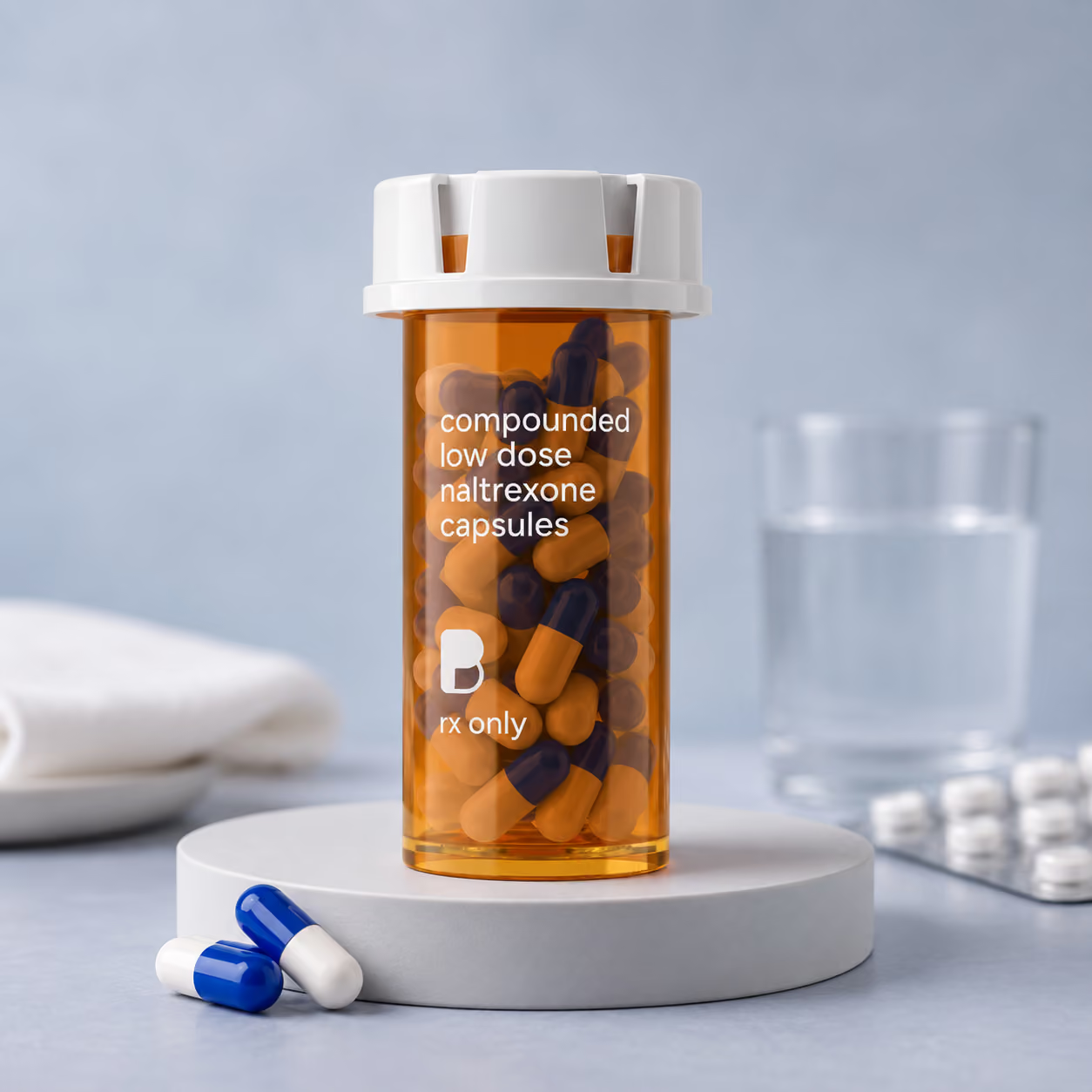
Low Dose Naltrexone (LDN) is a compounded, prescription-only preparation of naltrexone hydrochloride. Naltrexone is an opioid antagonist, a medication that blocks opioid receptors. The FDA has approved it at 50 mg for alcohol use disorder and opioid use disorder. "Low dose" naltrexone means much smaller amounts, generally described in the literature as roughly 0.5 to 6 mg per day.
Every use of naltrexone at these low doses is off-label, meaning it is prescribed for something other than what the FDA has approved. Prescribing off-label is legal and common, and the decision belongs entirely to your provider. Bayview Pharmacy compounds LDN to a provider's prescription; we do not diagnose, recommend it, or decide whether it is right for you.
Compounded drugs are not FDA-approved. The FDA does not review their safety, effectiveness, or quality before they are marketed. A valid prescription is required.
Why does it have to be compounded?
Naltrexone is commercially manufactured only as a 50 mg tablet. There is no mass-produced 1.5 mg or 4.5 mg product to dispense, so low strengths have to be prepared by a compounding pharmacy. That is the entire reason LDN is a compounded medication, not because a compounded version is different or better, but because the strength your prescriber wants does not exist commercially.
Please do not try to make your own by splitting or dissolving 50 mg tablets.
This is a common suggestion online. A 50 mg tablet is roughly ten to thirty times a typical low dose, tablet splitting cannot deliver that accuracy, and there is no published stability data supporting home-prepared naltrexone solutions. Ask your prescriber to send a prescription instead.
Standard-dose naltrexone vs. low-dose naltrexone
These are the same molecule at very different doses. This comparison is educational only.
| Standard-dose naltrexone | Low-dose naltrexone (LDN) |
|---|
| Typical dose | 50 mg daily (also a monthly injection) | Roughly 0.5 to 6 mg daily |
| Regulatory status | FDA-approved | Off-label; compounded; not FDA-approved at this dose |
| Approved use | Alcohol and opioid use disorders | None, all use is off-label and prescriber-directed |
| How it is made | Manufactured tablet or injection | Compounded tablet, capsule, or oral liquid |
| Controlled substance? | No | No |
How is it thought to work?
Researchers have proposed several explanations for how naltrexone might behave differently at low doses than at 50 mg. It is important to be clear that none of them has been confirmed in human studies. A 2026 review in the Journal of Personalized Medicine describes the leading theory as "a proposed explanation rather than a clinically confirmed mechanism," and a 2026 review in Advances in Therapy describes the proposed mechanisms as remaining "largely theoretical and speculative."
The three ideas most often discussed are:
- Brief receptor blockade followed by rebound. The theory is that a small dose blocks opioid receptors for only a few hours, and the body responds by temporarily making more of its own endorphins. Researchers note that sustained increases in endogenous opioids have not been directly demonstrated in humans taking LDN.
- Toll-like receptor 4 (TLR4) and glial cells. In laboratory and animal work, naltrexone interacts with TLR4 on immune-signaling cells in the nervous system. No clinical trial has demonstrated that this happens in patients taking LDN. The trials that reported symptom changes did not include imaging or biomarker confirmation.
- The opioid growth factor pathway. A proposed effect on a cell-signaling pathway involved in growth and immune function. Human data here is limited to case reports.
Descriptions of proposed mechanisms are not a statement that LDN produces any clinical effect. Related preparations include Cromolyn Sodium, Ketotifen Capsules, and Compounded Thyroid (T3/T4) Capsules. The full list is in our compounded medications catalog.
What does the research actually show?
This is the question patients ask most, and it deserves a straight answer rather than a list of conditions. The honest summary is that the evidence is limited, and the better-designed the study, the smaller the effect tends to be.
The most recent independent review, published in Advances in Therapy in 2026, examined 105 studies of LDN, of which only 15 were randomized controlled trials, and concluded that "early positive findings from uncontrolled studies were rarely replicated in placebo-controlled trials" and that "current evidence does not support routine clinical use." Most published LDN research consists of case reports and small studies without a comparison group.
Where larger placebo-controlled trials have been run, most did not find a benefit over placebo:
| Area studied | Best available evidence | Result |
|---|
| Fibromyalgia | Two parallel-group randomized trials (99 and 98 participants), 2024 and 2026, including the Lancet Rheumatology FIBRO-LDN trial | Neither found a significant difference from placebo on its main outcome |
| Crohn's disease | Two small randomized trials, 46 participants total; Cochrane review, 2018 | One trial met its main outcome; Cochrane concluded there is "insufficient evidence to allow any firm conclusions" |
| Multiple sclerosis | Randomized trial, 96 participants | No significant difference from placebo across the measures assessed |
| Ulcerative colitis | No randomized controlled trial | No controlled evidence |
| Long COVID and ME/CFS | No published randomized controlled trial | Available reports are uncontrolled |
| Complex regional pain syndrome | No randomized controlled trial | Case reports only |
| Psoriasis, Hailey-Hailey, other dermatologic uses | No randomized controlled trial | Small uncontrolled series and case reports |
| Thyroid conditions, weight loss | No human studies at low doses | No evidence |
Two things are worth understanding when reading LDN information elsewhere. First, the striking response rates that circulate online almost all come from studies with no placebo group, and in the trials that did include one, 18 to 40% of people receiving placebo also reported improvement. Second, doses are frequently confused. Research conducted at 50 mg or higher, and research on a separate injectable peptide, are often cited as though they were LDN evidence. They are not.
Bayview Pharmacy reports these findings for education. We make no claim that LDN is effective for any condition. Whether LDN is appropriate for you is a decision only your prescriber can make.
Dosing and titration
Your prescriber sets your dose. What follows describes patterns reported in the medical literature, not a recommendation.
Published reviews describe starting doses of about 0.5 to 1.5 mg once daily, increased in steps of roughly 0.5 to 1.5 mg every one to two weeks, with 4.5 mg the most commonly used target. Doses above 4.5 mg are sometimes prescribed, though reviews note there is no high-quality evidence supporting higher doses. Notably, no randomized study has ever compared one titration schedule against another, so step sizes vary between prescribers.
Some patients are asked to start below 1 mg, which is where the oral liquid is useful. It allows very small increments that a capsule or tablet cannot.
Bayview prepares LDN in three forms. Your prescriber specifies which one; none is more effective than another.
| Form | May suit | Practical notes |
|---|
| Tablets | Most patients on a settled dose | Pressed in our own pharmacy and scored, so a prescriber can direct a half-tablet step; 1.5, 3, and 4.5 mg. This is the form we dispense most often. |
| Capsules | Strengths between the tablet steps, and very low starting doses | Compounded to the strength ordered, from 0.125 mg to 9 mg; longest beyond-use dating |
| Oral liquid | Difficulty swallowing; very small or gradual dose steps; avoiding capsule fillers | 1 mg/mL, as a suspension or a flavored solution; measured with an oral syringe |
If capsule fillers are a concern for you, ask our pharmacist. We can tell you exactly what is in your preparation and discuss alternatives with your prescriber.
When should it be taken?
Bedtime dosing is the convention, and it came from the theory that receptor blockade overnight would be followed by a rebound during sleep. That theory has not been confirmed, and reviews state plainly that no clear evidence shows nighttime dosing works better than daytime dosing. Because vivid dreams and disturbed sleep are the most commonly reported effects, some prescribers move the dose to the morning if sleep becomes a problem. That is a conversation to have with your prescriber, not a change to make on your own.
What should I expect, and how long does it take?
LDN does not produce an immediate effect. Patient-facing references commonly suggest allowing up to eight to ten weeks, though it is worth knowing that no trial has established a reliable time-to-response figure. Reviews note that time to any reported change is inconsistently described across studies.
Stopping early is the most common reason people never find out whether a medication suits them. If you are considering stopping, contact your prescriber first.
Side effects and tolerability
Tolerability is the best-supported part of the LDN evidence base. Across studies at these doses, LDN has generally been well tolerated, and reviews consistently describe it as safe and well tolerated at 0.5 to 6 mg.
The effects reported more often on LDN than on placebo in pooled trial data are vivid or abnormal dreams and nausea. Other commonly mentioned effects include trouble sleeping, headache, dizziness, and fatigue.
An important piece of context: in the two largest randomized trials, the overall rate of side effects was essentially the same on LDN as on placebo, 84% versus 86% in one, and 69% versus 72% in the other. That means most reported effects in those studies were not attributable to the medication. It does not mean nobody has trouble with it; some participants did stop because of side effects. Report anything that concerns you to your prescriber.
The opioid interaction. The most important thing on this page
Naltrexone blocks opioid receptors, and that has real consequences.
- Opioid pain medicines may not work normally while you are taking it.
- Opioid-containing cough, cold, and anti-diarrhea products may also not work as expected.
- In someone physically dependent on opioids, naltrexone can cause sudden, severe withdrawal.
- Attempting to overcome the blockade by taking more opioid is dangerous and can be fatal.
Before any surgery, dental procedure, or emergency care: tell the surgeon, anesthesiologist, dentist, or emergency clinician that you take low-dose naltrexone, and do it in advance where possible. Published guidance on how long to stop beforehand varies considerably, and no fixed interval has been established for low doses, so this is a decision for your prescriber and the clinician performing the procedure, not something to determine from a website. Carrying a card or medical ID noting that you take naltrexone is a reasonable precaution.
After stopping naltrexone, sensitivity to opioids can be increased, which is another reason to coordinate any restart with your prescriber.
Who should not take it
- Anyone currently taking opioid medication, or physically dependent on opioids, unless a prescriber has supervised an opioid-free interval first.
- Anyone in opioid withdrawal.
- Anyone allergic to naltrexone or to an ingredient in the preparation.
Tell your provider if you have liver problems. Serious liver injury has been reported with naltrexone at the 50 mg dose, and while reviews report that clinically significant liver enzyme changes are uncommon at low doses, whether to monitor is your prescriber's decision.
Pregnancy and breastfeeding
There is no low-dose-specific safety data in pregnancy or breastfeeding. The manufacturer's labeling for standard-dose naltrexone states that there are no adequate and well-controlled studies in pregnant women, and that it is not known whether naltrexone passes into human milk. Reviews of LDN describe the available data as insufficient. If you are pregnant, planning a pregnancy, or breastfeeding, this is a conversation to have with your prescriber and your obstetric clinician.
Other medicines, alcohol, and stopping
Interactions. Beyond opioids and opioid-containing over-the-counter products, the documented interactions are narrow. The labeling notes lethargy and sleepiness reported when naltrexone was combined with thioridazine. There is no published low-dose-specific interaction data for antidepressants, thyroid medication, stimulants, or biologics. Bring a full list of your medications and supplements to our pharmacist and to your prescriber.
Alcohol. Naltrexone does not cause the violent reaction that some other medications do, and it does not prevent intoxication. This information comes from studies at 50 mg; alcohol has not been studied specifically at low doses.
Stopping. Naltrexone is not a controlled substance, has low potential for misuse, and does not cause a withdrawal syndrome when stopped. Even so, tell your prescriber if you plan to stop.
A missed dose. General references advise taking it when you remember unless it is nearly time for the next dose, and never doubling up. Follow the directions on your label.
Storage
Store capsules and tablets in their original tight, light-resistant container at controlled room temperature, away from heat, light, and moisture. A bathroom cabinet is a poor choice because of humidity. Liquid preparations should be stored as directed on your label, check whether yours requires refrigeration. Keep all medication out of reach of children, and do not use any preparation past the beyond-use date printed on the label.
Why Bayview Pharmacy
Bayview Pharmacy is a 503A compounding pharmacy in Warwick, Rhode Island, licensed to dispense in Rhode Island, Massachusetts, Connecticut, New Jersey, New Hampshire, Florida, Maine, and Pennsylvania. Each LDN prescription is prepared in small batches under USP <795> standards, to the strength and form your prescriber specifies, using ingredients from FDA-registered suppliers with certificates of analysis on file.
Because we compound rather than pull a stock bottle from a shelf, we can prepare a strength between the usual steps, switch you between a tablet, a capsule, and a liquid if swallowing becomes difficult, and tell you exactly what is in your preparation. Our pharmacists are available to answer questions about your prescription.
Clinical details for prescribers
Pharmacology. Naltrexone is a competitive μ- and δ-opioid receptor antagonist. Proposed low-dose mechanisms, transient receptor blockade with compensatory upregulation of endogenous opioid tone, TLR4-mediated glial modulation, and OGF/OGFr axis effects, remain unconfirmed in human populations. Reviews in 2026 describe them as theoretical; no clinical trial has demonstrated TLR4 modulation in treated patients.
Evidence. Gouda et al., Advances in Therapy 2026, reviewed 105 studies (15 RCTs) and concluded no indication has sufficient high-quality evidence to support routine clinical use. Two adequately powered fibromyalgia RCTs, Due Bruun et al., Lancet Rheumatology 2024 (n=99, 6 mg; between-group difference −0.34, p=0.27) and Luciano et al., European Journal of Pain 2026 (n=98, 4.5 mg, 12 months; p=0.236), failed their primary endpoints. Cochrane (CD010410.pub3, 2018; 2 trials, 46 participants, GRADE low) found insufficient evidence in Crohn's disease. Consider the large placebo response (18 to 40%) and the potential for functional unblinding via vivid dreams when interpreting crossover data.
Dosing. Reported range 0.5 to 6 mg daily; typical initiation 0.5 to 1.5 mg with 0.5 to 1.5 mg increments every 1 to 2 weeks toward 4.5 mg. No RCT has compared titration strategies or fixed versus titrated regimens; dose-response is poorly characterized, and one chart review found none. Nocturnal dosing is conventional but unsupported by comparative data; individualize to tolerability.
Safety and interactions. Tolerability is the best-supported finding; AE rates approximate placebo in the largest trials. Vivid dreams and nausea exceed placebo in pooled analysis. Do not initiate in patients on chronic daily opioid therapy without a supervised opioid-free interval. Perioperative: published stop intervals range from 24 hours to 7 days and no low-dose-specific interval is established; coordinate directly with the anesthesia team, and note post-discontinuation receptor upregulation with unpredictable opioid response. Hepatic enzyme elevations are uncommon at low doses; routine monitoring is a clinical judgment. Pregnancy and lactation data are insufficient.
Available from Bayview. Compounded tablets 1.5, 3, 4.5 mg; capsules 0.125, 0.5, 1, 1.5, 2, 3, 3.5, 4, 4.5, 5, 6, 7, 8, 9 mg; oral liquid 0.1, 0.2, 0.4, 1, 5, 9 mg/mL as suspension or flavored solution. Other strengths compounded to order. Account setup, licensing, and ordering are covered on our for providers page.
Low Dose Naltrexone is a compounded preparation and is not FDA-approved; at these doses it is prescribed off-label. Compounded drugs are not reviewed by the FDA for safety, effectiveness, or quality before marketing. The information on this page is educational, is not medical advice, and is not a statement that LDN is effective for any condition. It does not replace your prescriber's instructions or the directions on your label. Your prescriber determines whether LDN is appropriate for you and sets your dose.
References
- MedlinePlus: Naltrexone.
- Low-Dose Naltrexone in Chronic Pain Management: Mechanisms, Evidence, and Clinical Implications. Journal of Personalized Medicine, 2026.
- Gouda AHK, Aitcheson NEC, Steadman KJ. Low-Dose Naltrexone: What is the Evidence? A Narrative Review. Advances in Therapy, 2026.
- Naltrexone 6 mg once daily versus placebo in women with fibromyalgia: a randomised, double-blind, placebo-controlled trial. The Lancet Rheumatology, 2024.
- Parker CE, et al. Low dose naltrexone for induction of remission in Crohn's disease. Cochrane Database of Systematic Reviews, 2018.
- The effect of low-dose naltrexone on quality of life of patients with multiple sclerosis: a randomized placebo-controlled trial, 2010.
Reviewed by Ryan Dyer, RPh, pharmacist at Bayview Pharmacy. Last reviewed June 26, 2026. Bayview does not provide consultations and does not decide whether a medication is right for you. Your prescriber makes that call.