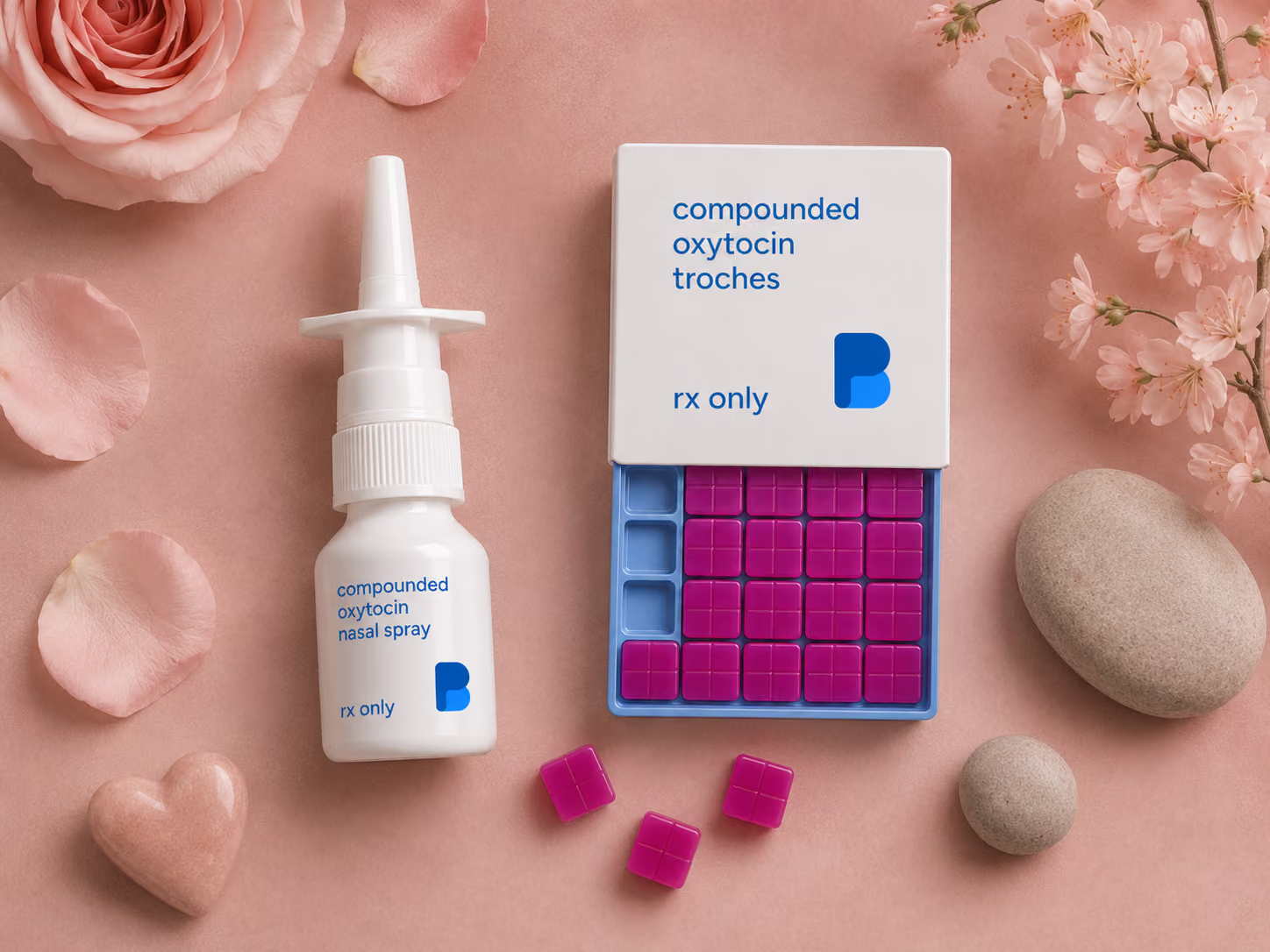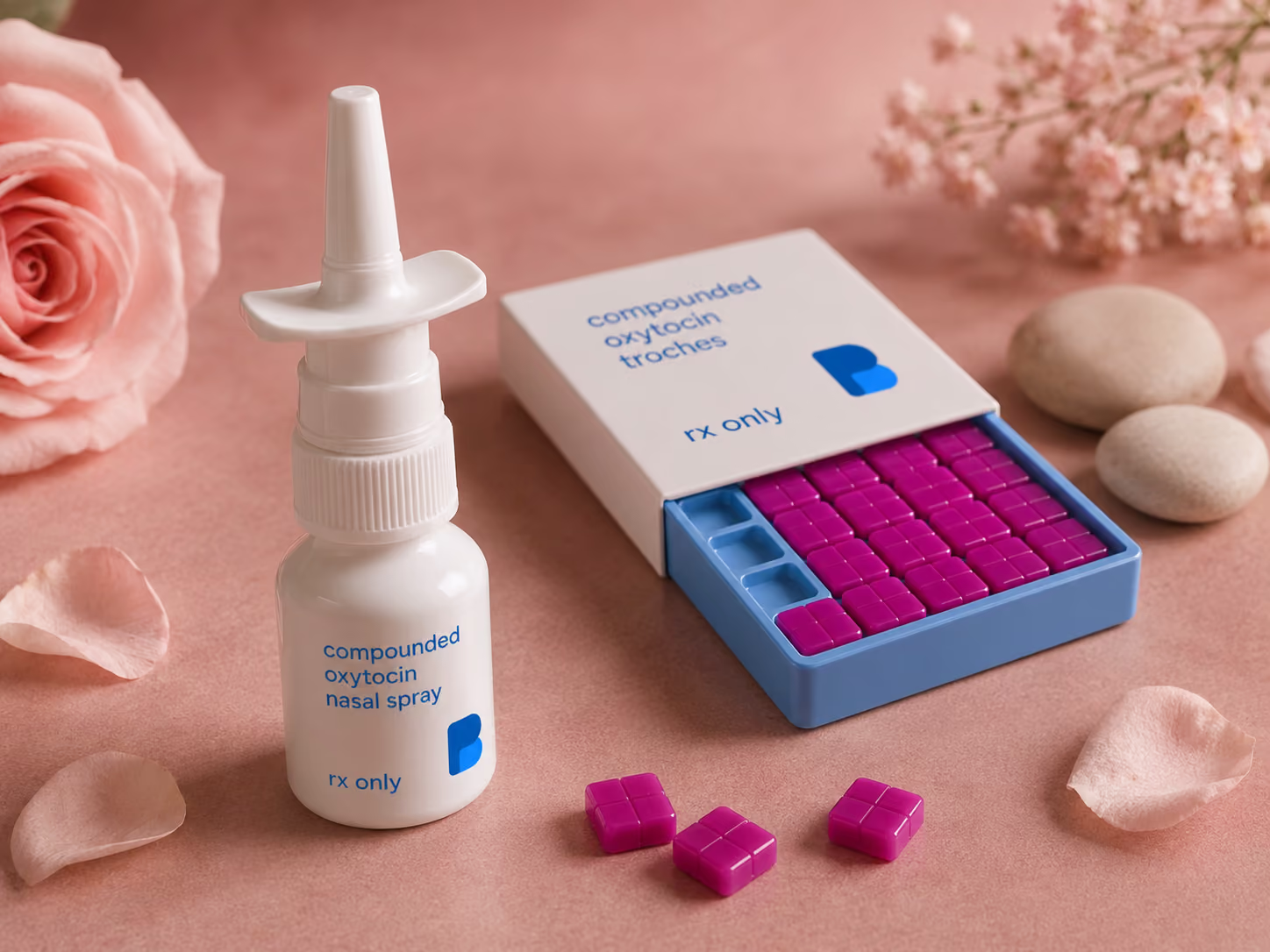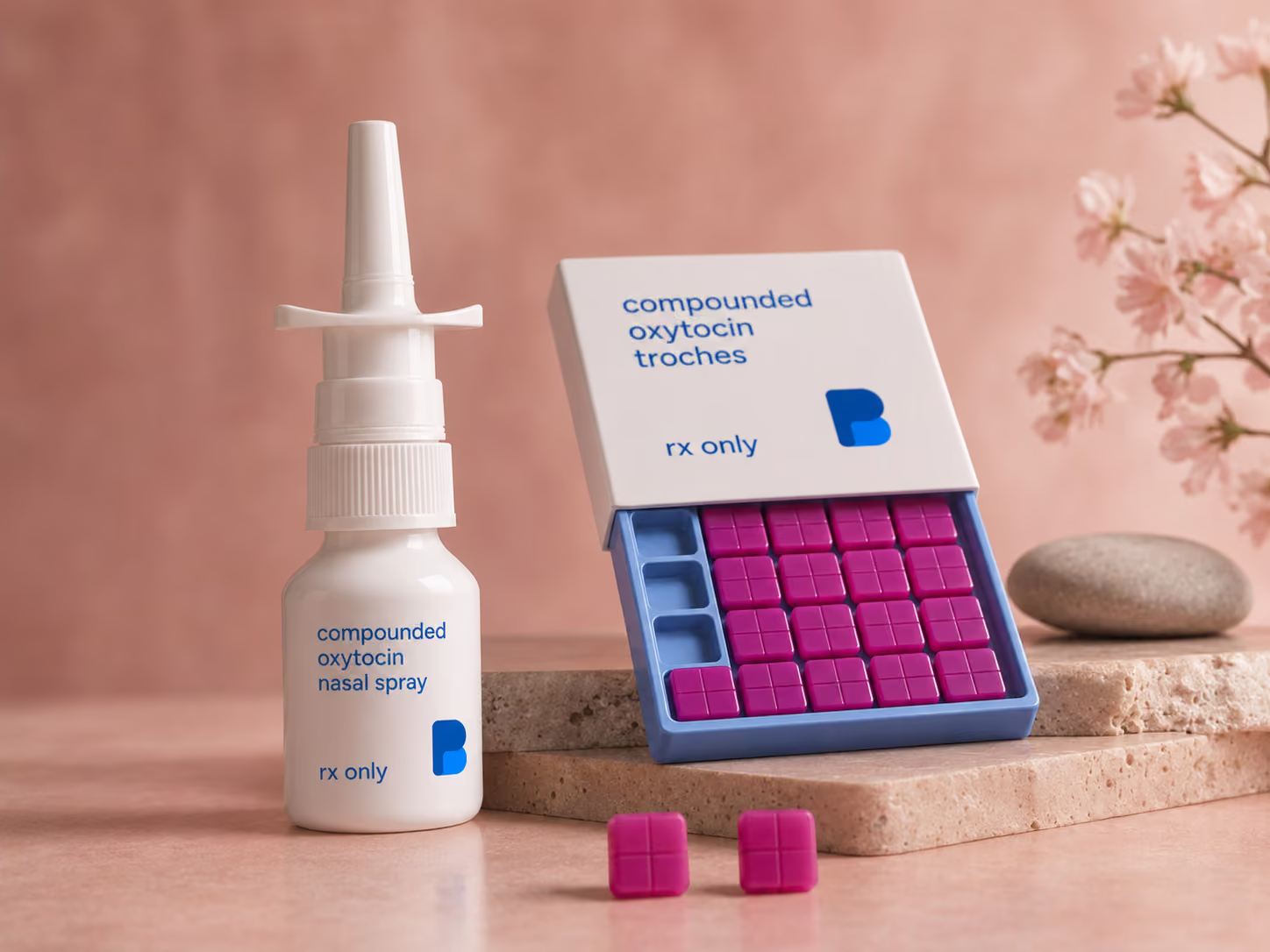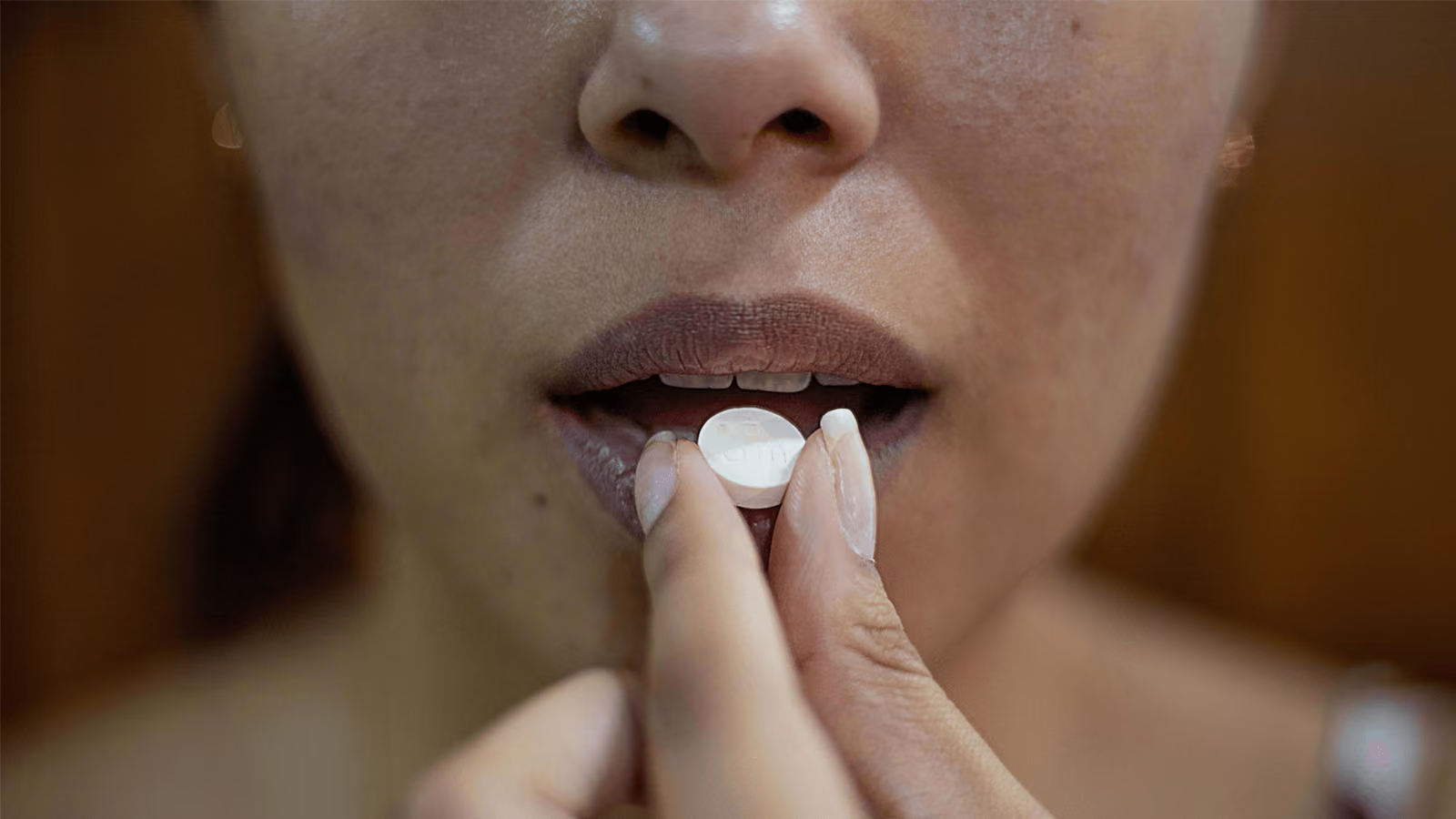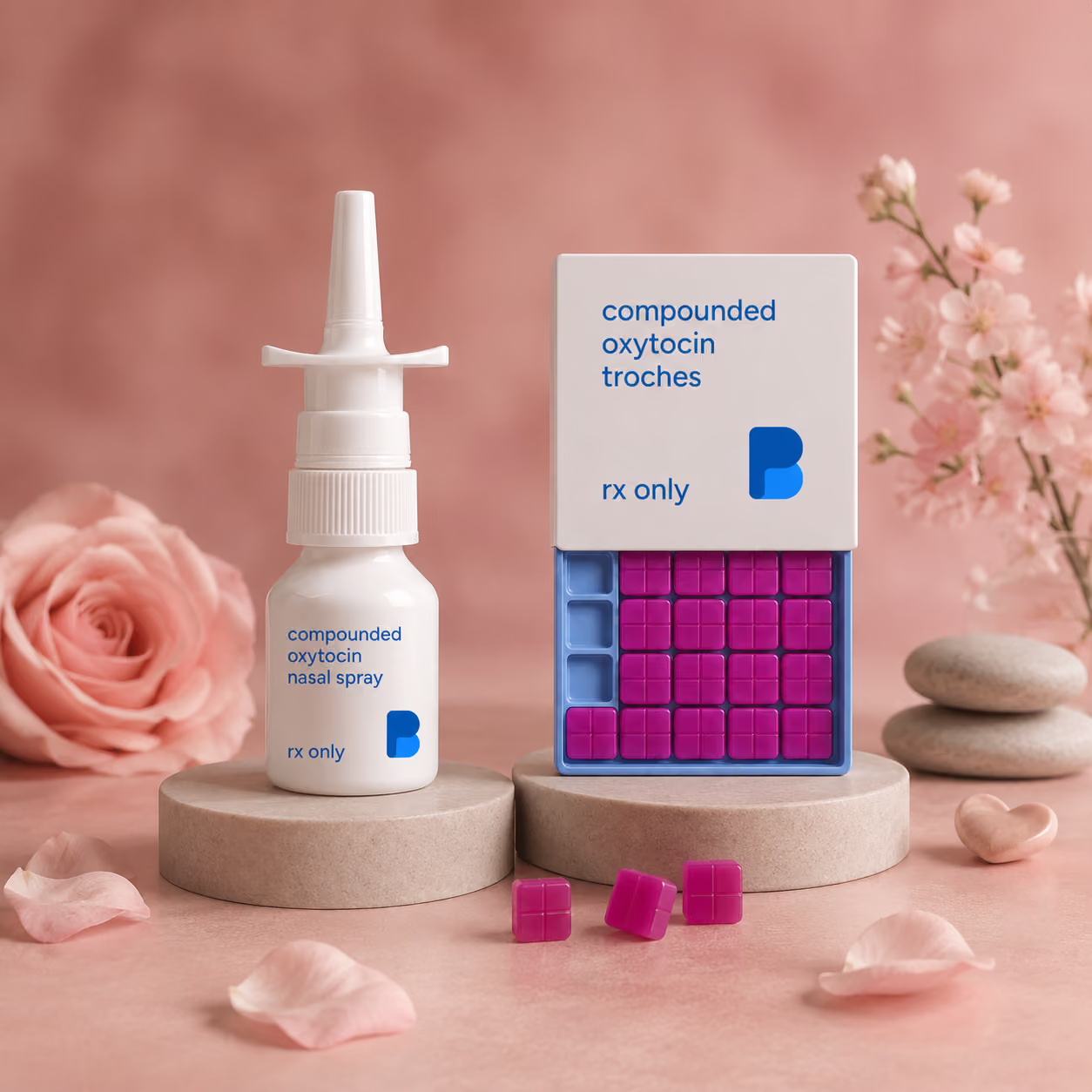






Oxytocin is a nonapeptide hormone that the body produces naturally in the hypothalamus and releases from the posterior pituitary gland. Bayview Pharmacy compounds oxytocin as an intranasal spray and as a sublingual/oral troche, prepared to the strength your provider orders.
It is dispensed only with a valid prescription. In these nasal and sublingual forms it is not FDA-approved, and any use is off-label and determined by your provider.
How does it work?
Oxytocin acts on oxytocin receptors, which are G-protein-coupled receptors found in tissues such as the uterus and breast, where it is best known for driving labor contractions and milk let-down. How much oxytocin reaches the brain after intranasal or sublingual dosing, and what effects that produces, are still being studied and are not established. See a general pharmacology overview from StatPearls.
What is it used for?
A provider may prescribe compounded intranasal or sublingual oxytocin for off-label purposes based on their own clinical judgment. Because these forms are not FDA-approved and the supporting evidence is investigational, this page does not describe, endorse, or imply any specific use or benefit. Your provider determines whether it is appropriate for you.
Compounded intranasal oxytocin vs. the approved injection
The only FDA-approved oxytocin product is an injectable solution (for example, Pitocin) given intravenously or intramuscularly to start or strengthen uterine contractions in labor and to control bleeding after delivery, as described in its FDA label. Bayview's compounded intranasal spray and sublingual troche are different products in different dosage forms; they have not been reviewed by the FDA and are used off-label.
How is it used?
Your provider sets the form, strength, dose, and schedule and gives directions for use. Use it exactly as prescribed, and do not change the dose on your own. Ask your provider or pharmacist if you have questions about how to use the spray or the troche.
Side effects & safety
Reported effects can include nasal irritation or discomfort with the spray, headache, and others. Because oxytocin acts on the uterus, it is generally not used in pregnancy unless a provider specifically directs it. Tell your provider about all your health conditions and every medication and supplement you take. General safety information is summarized by StatPearls.
Who should not use it?
Do not use oxytocin if you are pregnant unless your provider specifically directs it, or if you have had an allergic reaction to it. Your provider will review your history and other medications to decide whether it is safe for you.
How should it be stored?
Store it as directed on the label and in the pharmacy instructions, keep it out of the reach of children and pets, and do not use it after the beyond-use date. Ask your pharmacist if you are unsure how to store your preparation.
Why is this compounded?
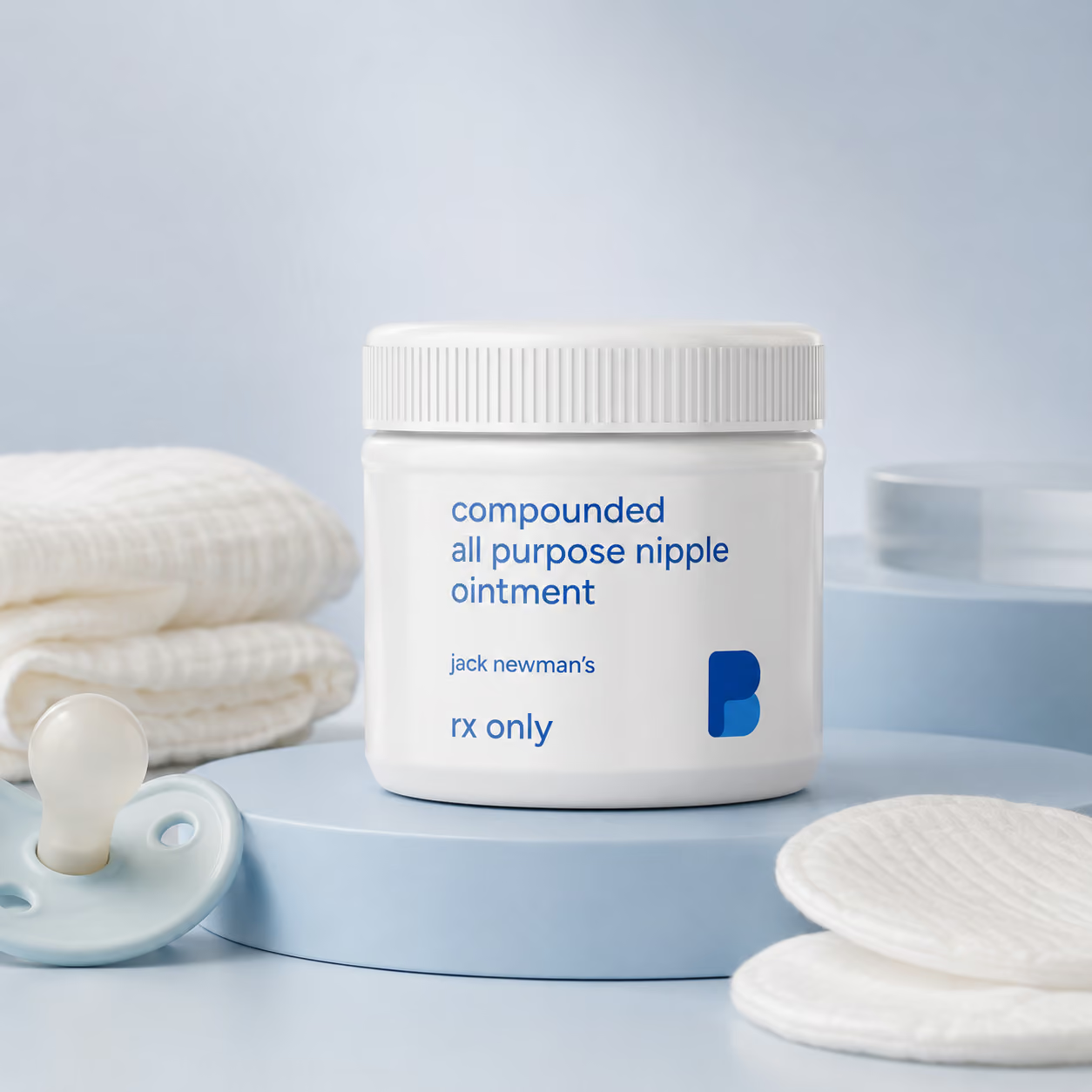
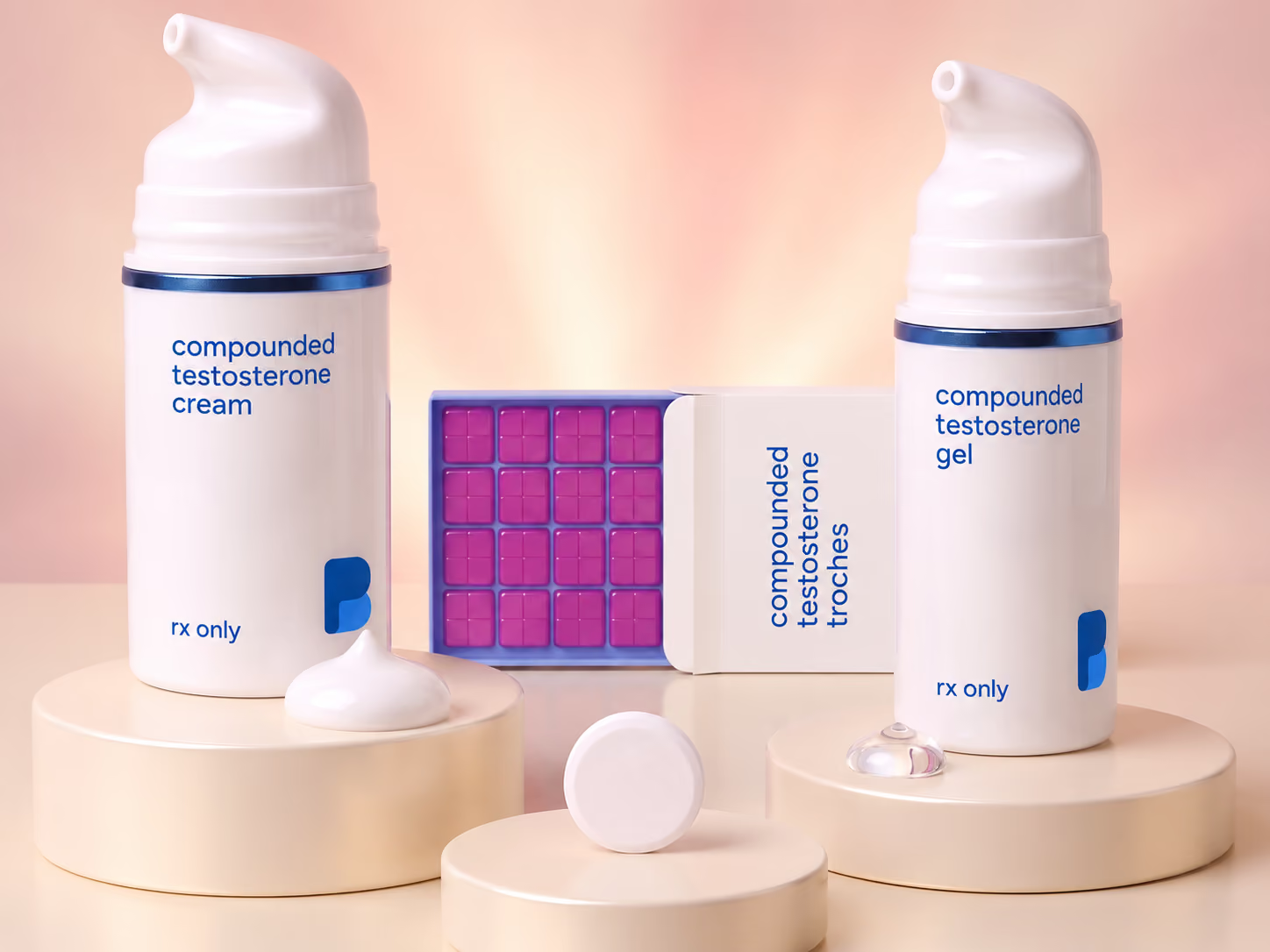
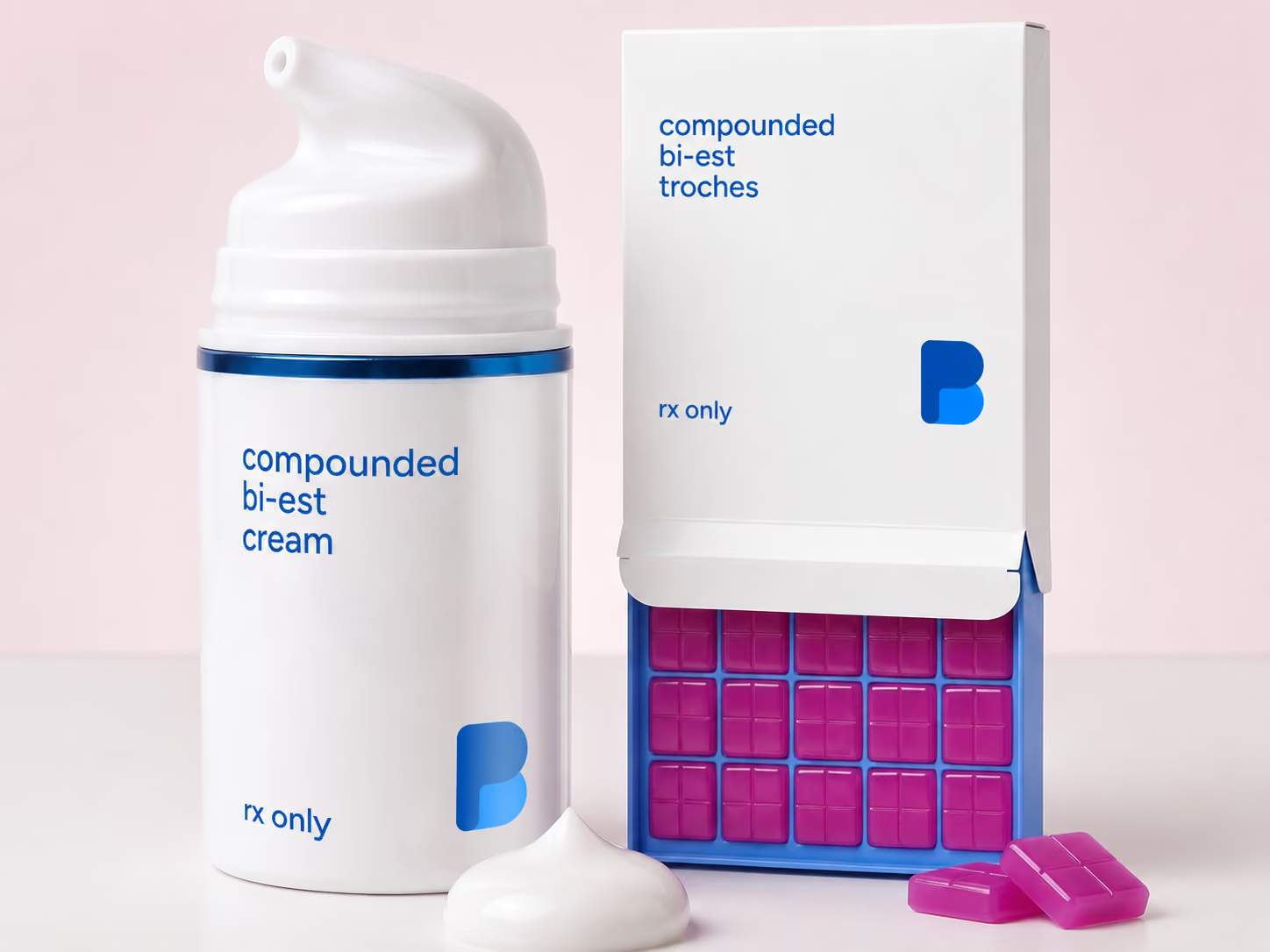
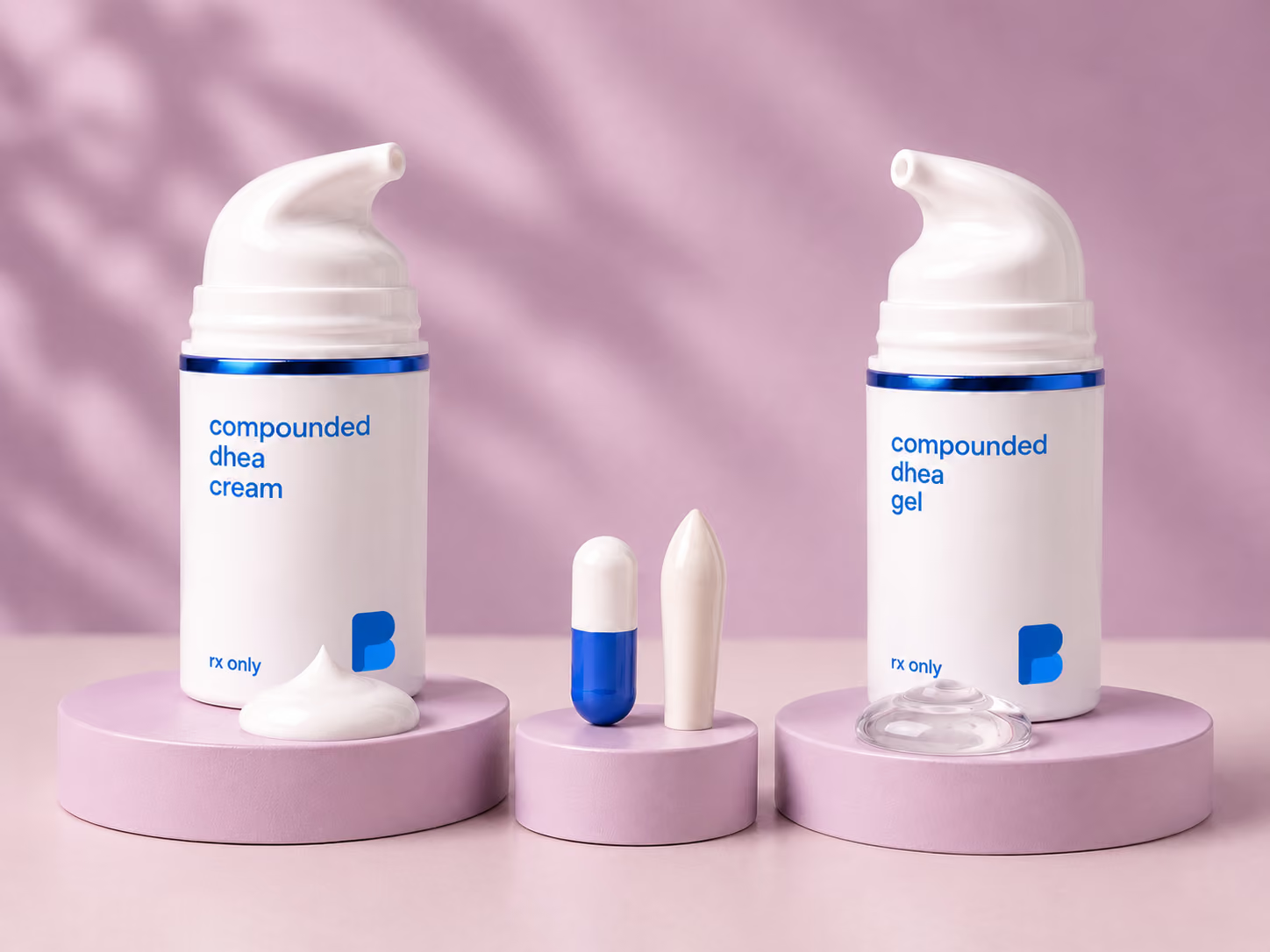
Oxytocin is not commercially available as an FDA-approved nasal spray or troche, so these dosage forms are prepared by compounding when a provider determines a patient needs them. Bayview prepares each order to the prescribed strength under USP <795> standards. Related preparations include All-Purpose Nipple Ointment, Testosterone (Women), Bi-Est, and DHEA (Women). The full list is in our compounded medications catalog.
Clinical details for prescribers
Regulatory status. Oxytocin is not a controlled substance. It is FDA-approved as an injection for obstetric indications; compounded intranasal and sublingual forms are not FDA-approved and their uses are off-label.
Formulation & dosing. Compounded as a metered intranasal spray (25, 40, 100, and 120 units/mL) and a sublingual/oral troche (~200 units). Dosing schedules are prescriber-directed and intermittent; the nasal spray requires refrigeration.
Counseling / clinical points:
- Do not prescribe to pregnant patients outside supervised obstetric care, oxytocin is a uterotonic
- Headache and nausea are the most commonly reported adverse effects
- As a peptide, oxytocin has a short half-life, intranasal and sublingual routes exist to bypass GI degradation, not to extend duration
- Set expectations: the evidence base for behavioral and sexual-health uses is limited and evolving
Intranasal delivery achieves meaningful absorption of a peptide that is destroyed by oral administration. Account setup, licensing, and ordering are covered on our for providers page.
Oxytocin in these intranasal and sublingual forms is a compounded medication and is not FDA-approved. This information is educational and is not medical advice. Your provider determines whether it is appropriate and sets the dose.