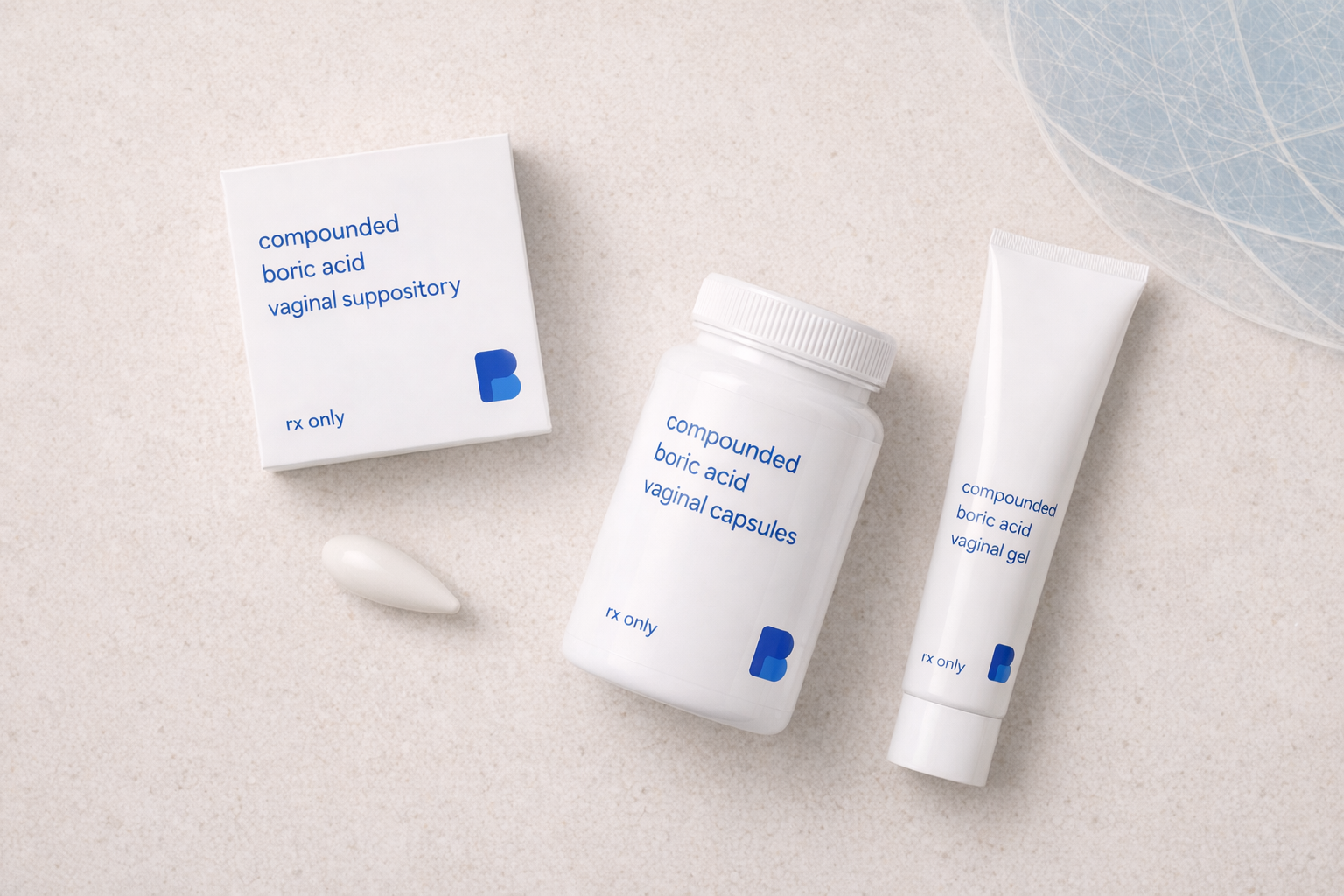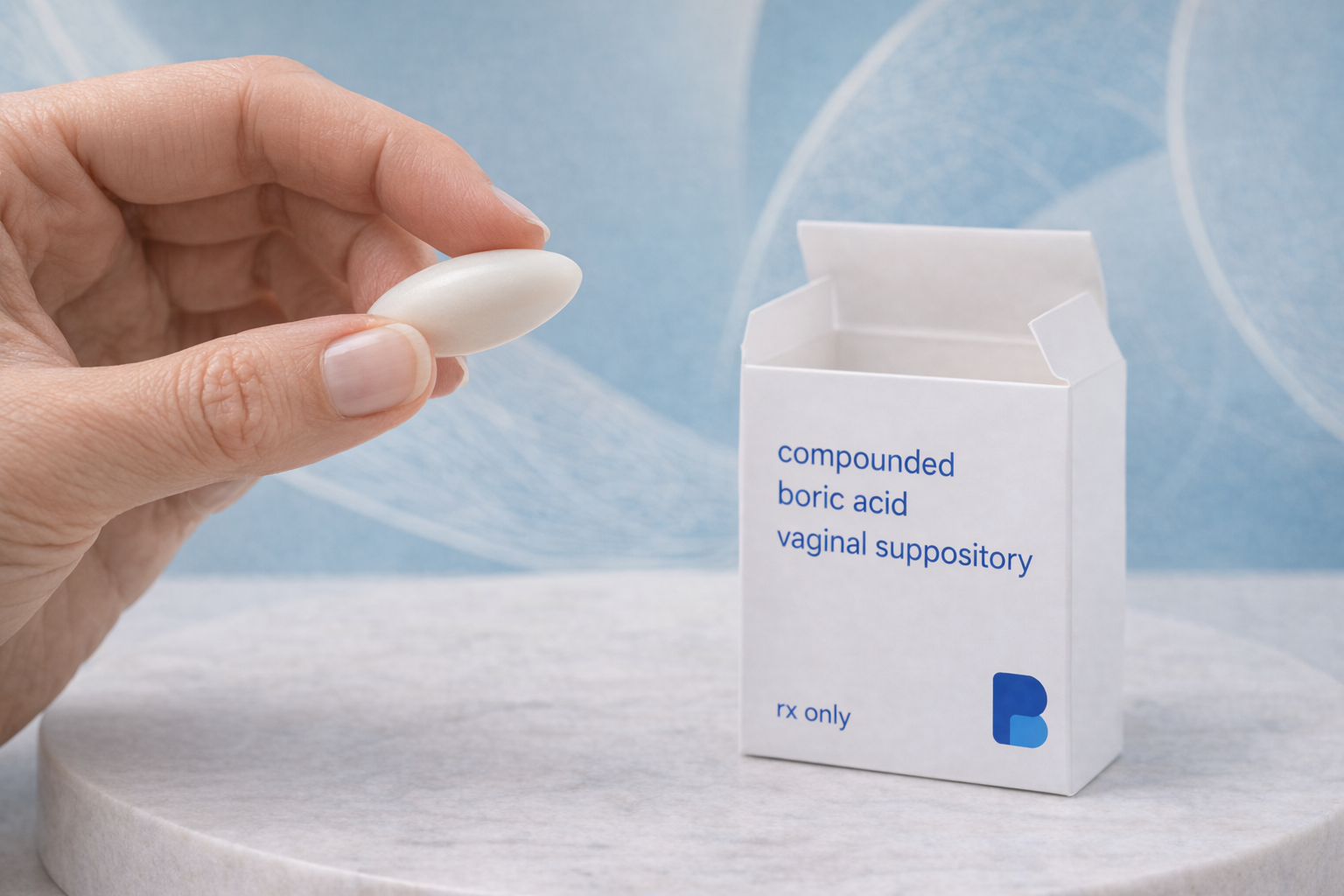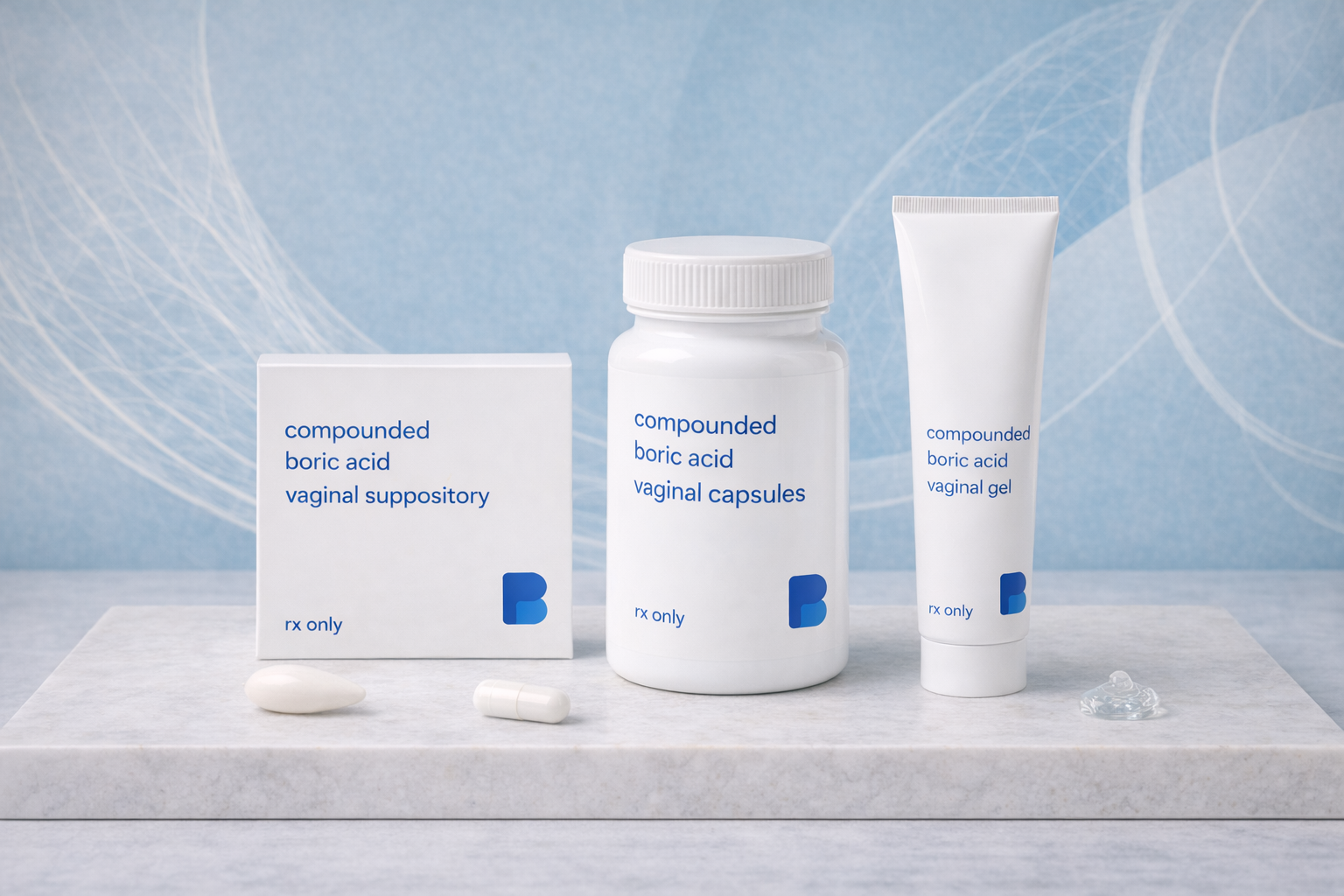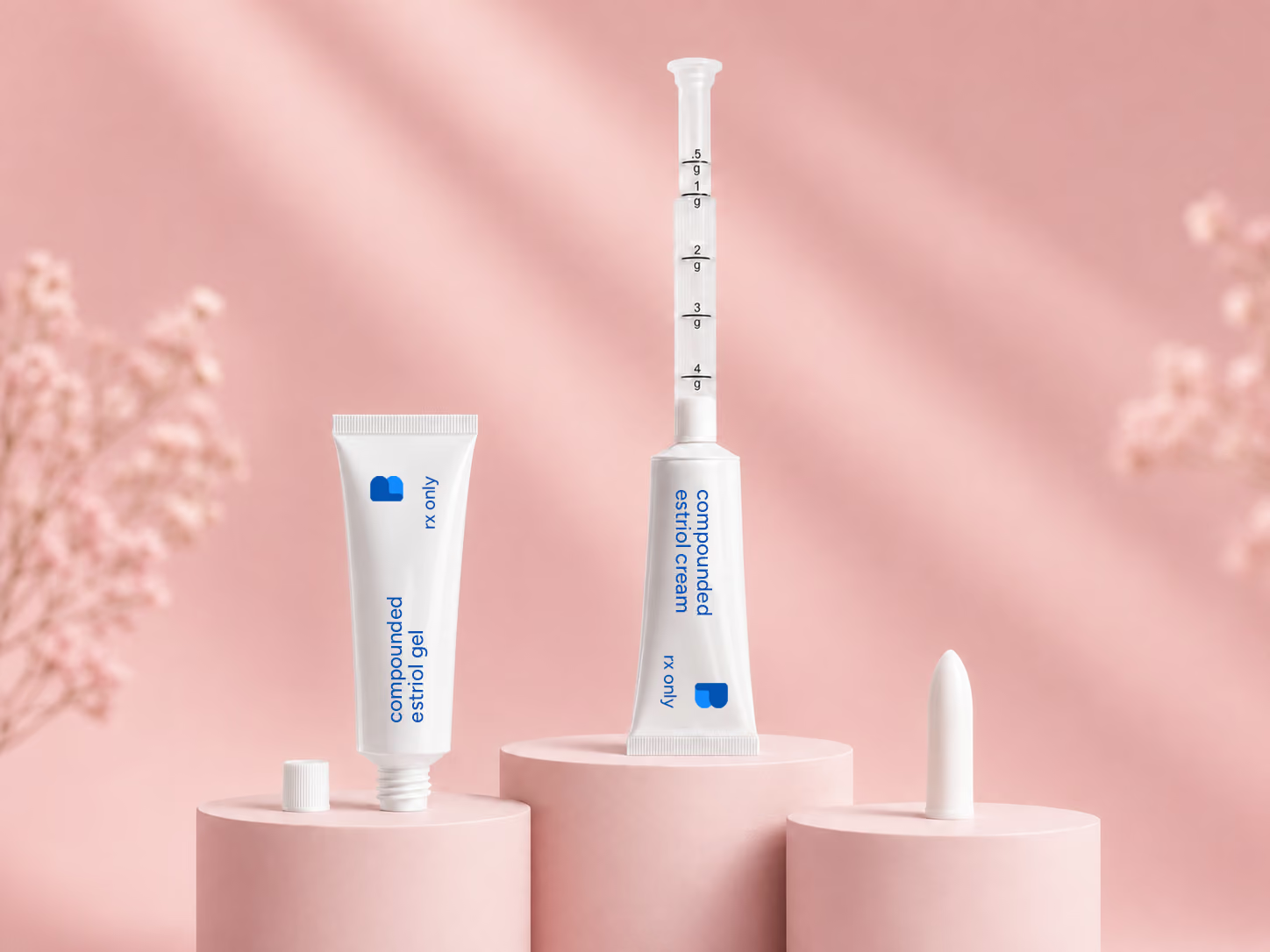




Boric acid vaginal suppositories are a compounded, prescription preparation of boric acid, a weak acid that has long been used in antiseptics. A measured dose is placed in the vagina as a suppository, a capsule, or a gel. Bayview compounds 600 mg vaginal suppositories, 600 mg vaginal capsules, and a 30% vaginal gel, each to your provider's prescription (MedlinePlus).
Boric acid is not an FDA-approved drug for vaginal use (Mittelstaedt et al.). It appears in CDC treatment guidelines for specific recurrent vaginal infections, and only your provider can decide whether it fits your situation. Bayview compounds this as part of our women's health line.
How does it work?
Boric acid is a weak acid with antiseptic properties. In the vagina, providers use it mainly for yeast infections caused by non-albicans Candida species, such as C. glabrata, which are less likely to respond to the standard azole antifungal medicines (StatPearls: Vaginal Candidiasis).
What is it used for?
CDC treatment guidelines describe intravaginal boric acid 600 mg in two situations: a yeast infection caused by non-albicans Candida that comes back after treatment (CDC: Vulvovaginal Candidiasis), and one step in a treatment sequence for women whose bacterial vaginosis (BV) has returned several times (CDC: Bacterial Vaginosis). Most yeast infections are treated first with azole antifungal medicines, not boric acid. Only a licensed provider can diagnose the infection and decide whether boric acid is appropriate; Bayview Pharmacy does not provide consultations, and a valid prescription is required.
Suppository, capsule, or gel?
All three forms place boric acid directly in the vagina. The CDC regimen for non-albicans yeast describes 600 mg in a gelatin capsule; suppositories and gel are other forms a provider may choose. The table below is for education only.
| Form | Strength | How it's used |
|---|---|---|
| Vaginal suppository | 600 mg | Inserted into the vagina, where it softens and dissolves |
| Vaginal capsule | 600 mg | Gelatin capsule inserted into the vagina; never swallowed |
| Vaginal gel | 30% | Applied inside the vagina with an applicator |
Forms are described for education only and are not a statement that any form is better or more effective. Your provider sets the form, strength, and length of treatment.
How is it used?
Use it exactly as your provider directs. CDC and StatPearls describe one 600 mg dose placed in the vagina once daily for 14 to 21 days, depending on the infection (CDC; StatPearls). Wash your hands before and after each dose. Never take a capsule or suppository by mouth. A watery discharge during treatment has been reported (clinical evidence review). Finish the full course your provider prescribes, and tell your provider if symptoms continue or return.
Side effects & safety
In published studies, the most common side effects were vaginal burning, reported in fewer than 10% of cases, watery discharge during treatment, and vaginal redness (clinical evidence review). A 2021 review noted that safety data on intravaginal boric acid are limited (Mittelstaedt et al.).
Who should not use it?
Current guidelines recommend avoiding intravaginal boric acid during pregnancy, because data on its safety in pregnancy are limited (Mittelstaedt et al.). Do not use it if you are pregnant or could be pregnant, or if you are allergic to boric acid or any ingredient in the preparation. Tell your provider about all of your conditions and medicines before starting.
How should it be stored?
Store as directed on your label, in a closed container away from heat and moisture. Keep it out of reach of children and pets, and store it apart from medicines taken by mouth so it is never swallowed by mistake. Do not use it after the beyond-use date.
Why is this compounded?
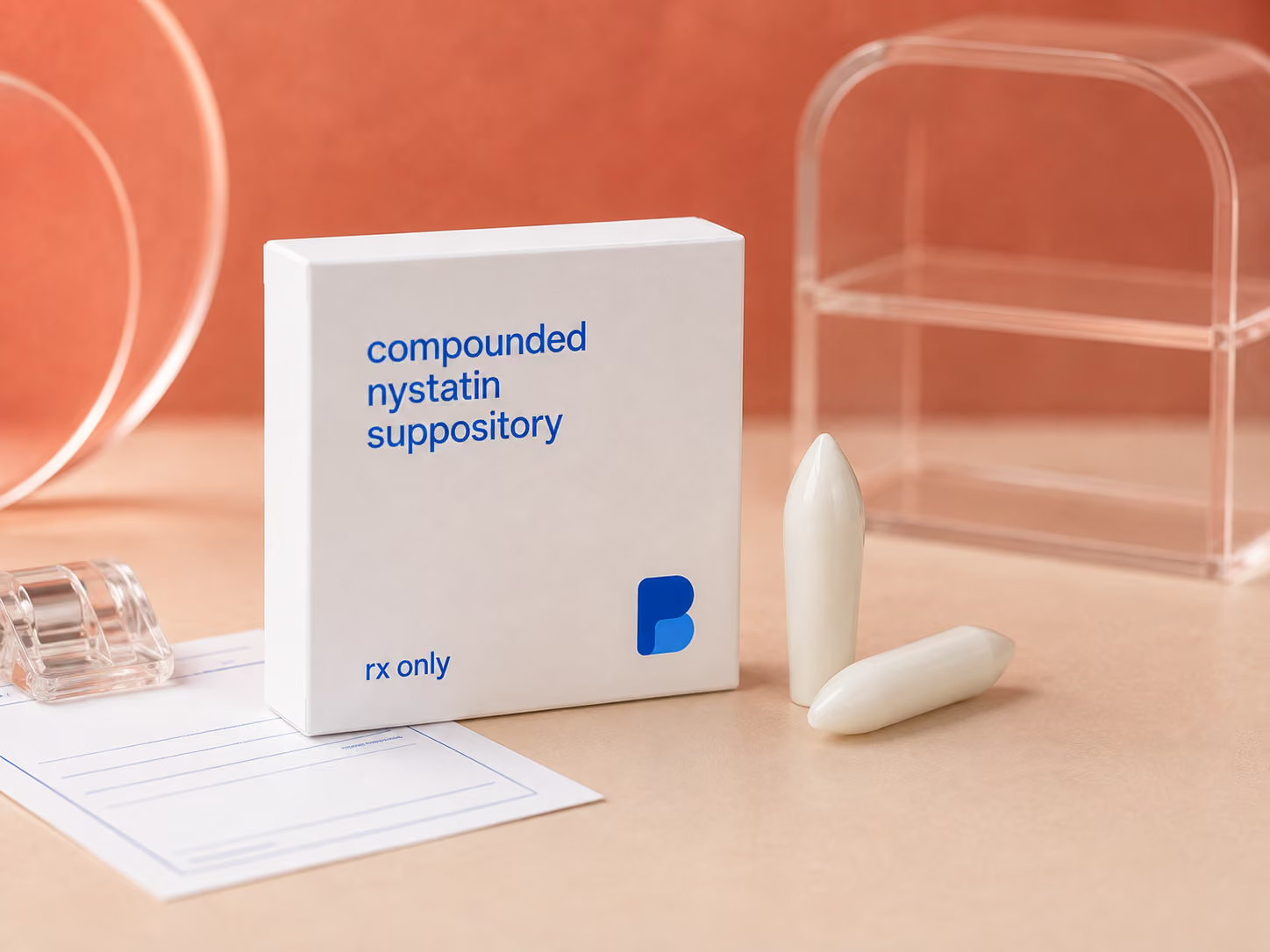
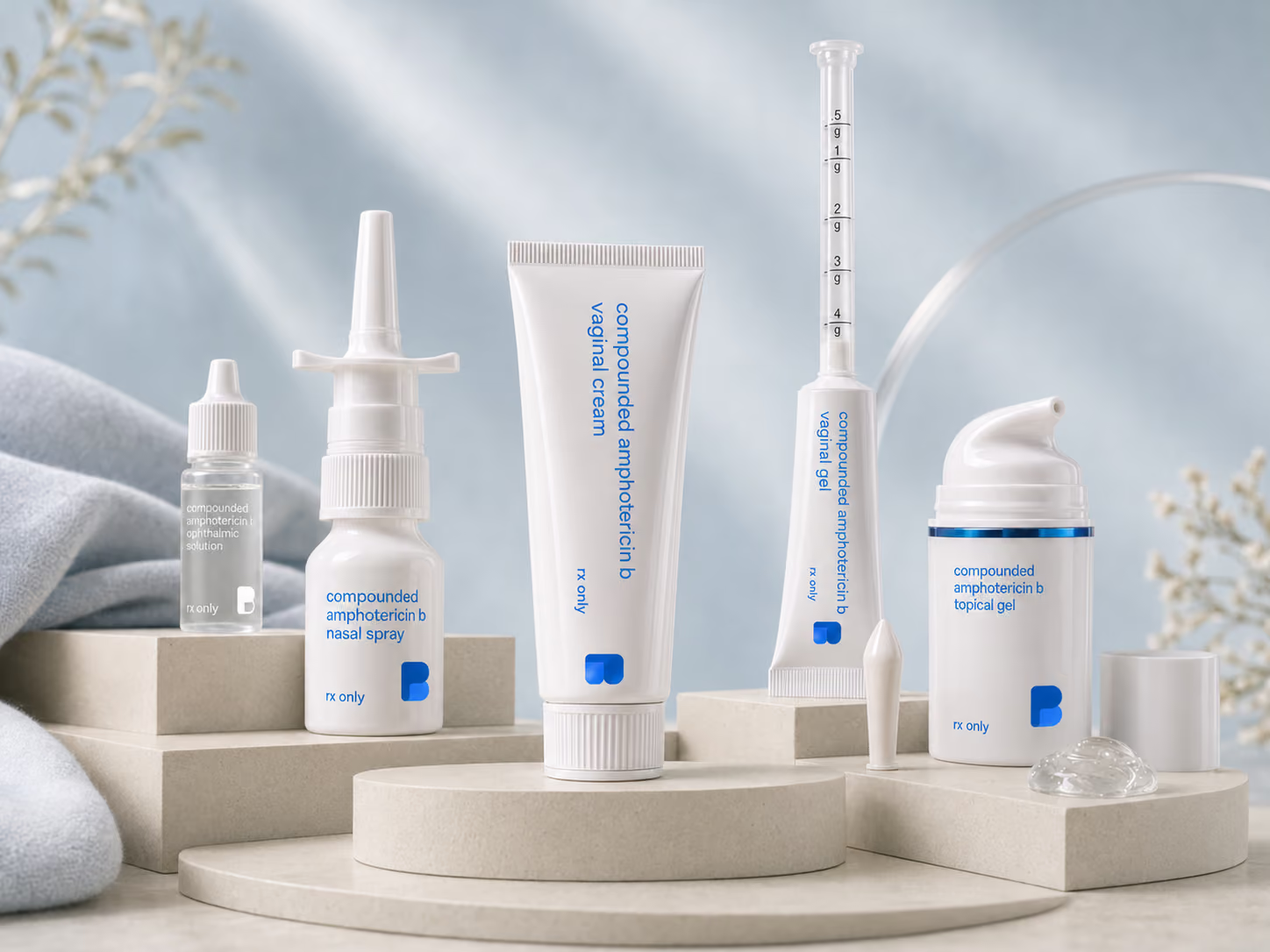
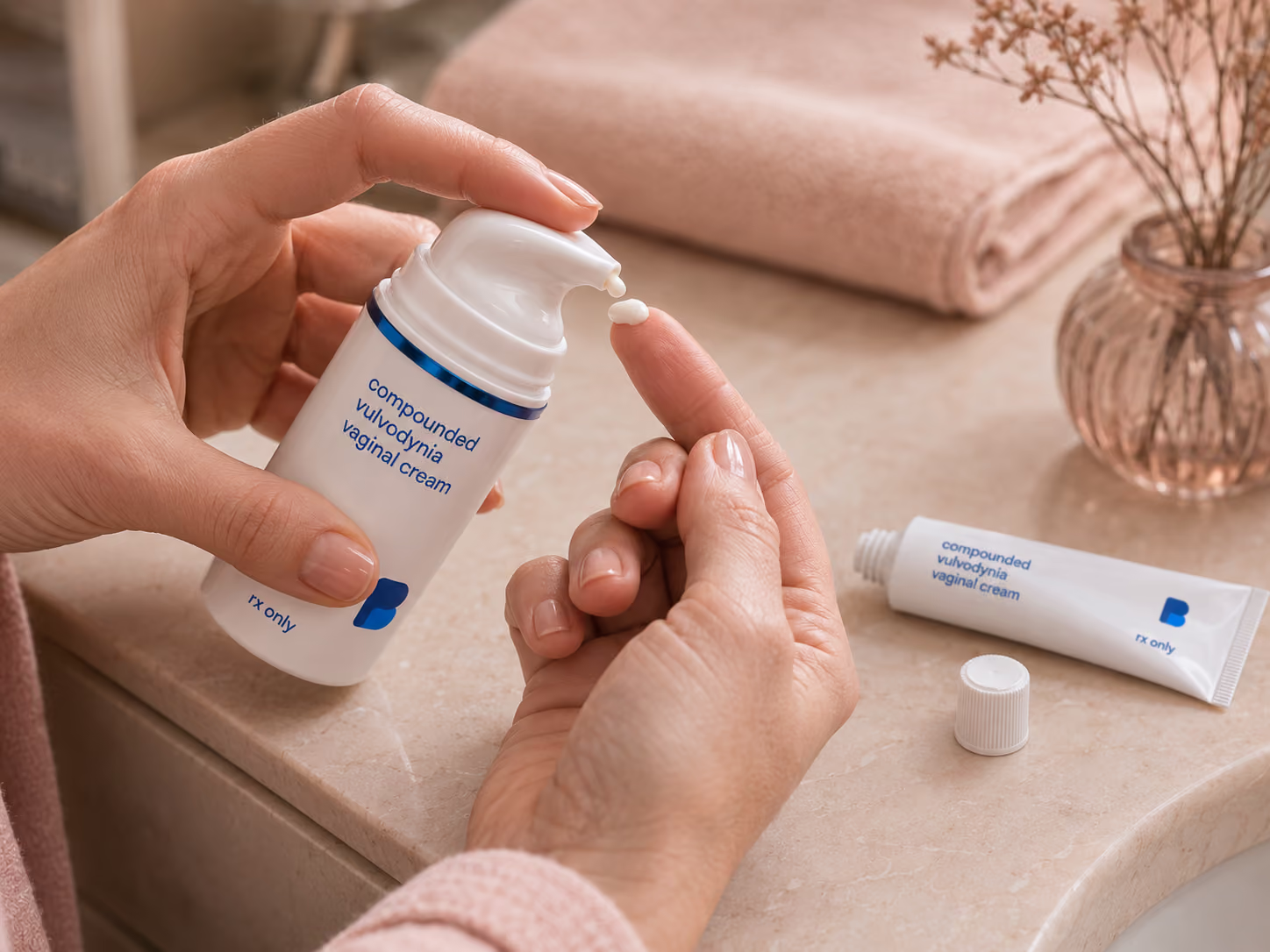
There is no FDA-approved boric acid product for vaginal use (Mittelstaedt et al.). Compounding lets a licensed pharmacy prepare a measured 600 mg dose as a suppository or capsule, or a 30% gel, to an individual prescription. As a 503A compounding pharmacy, Bayview prepares each order under USP <795> standards. Compounded preparations are not FDA-approved. Related preparations include Nystatin Suppositories, Amphotericin B, and Vulvodynia Vaginal Creams. The full list is in our compounded medications catalog.
Clinical details for prescribers
Regulatory status. Boric acid is not a controlled substance. There is no FDA-approved intravaginal boric acid product; Bayview's suppositories, capsules, and gel are 503A compounded preparations and are not FDA-approved (Mittelstaedt et al.).
Guideline regimens. Non-albicans VVC that recurs: 600 mg boric acid in a gelatin capsule vaginally once daily for 3 weeks; CDC reports clinical and mycologic eradication of approximately 70% (CDC). StatPearls describes 600 mg vaginally for at least 14 days (StatPearls). Recurrent BV, limited data: an oral nitroimidazole for 7 days, then boric acid 600 mg vaginally daily for 21 days, then metronidazole 0.75% gel twice weekly for 4 to 6 months (CDC).
Counseling / clinical points:
- Fatal if ingested; counsel on vaginal-only use and storage away from oral medicines and children (StatPearls; MedlinePlus)
- Guidelines recommend avoiding intravaginal boric acid in pregnancy (Mittelstaedt et al.)
- Local effects: burning in under 10% of cases, watery discharge, erythema (review)
- Obtain fungal culture when symptoms persist after standard azole therapy, since non-albicans species are less likely to respond (StatPearls)
Account setup, licensing, and ordering are covered on our for providers page.
Boric acid vaginal suppositories, capsules, and gel are compounded medications and are not FDA-approved. This information is educational and is not medical advice. Your provider determines whether it is appropriate and sets the dose and length of treatment.