




Ursodiol, also called ursodeoxycholic acid, is a bile acid found naturally in the body. Given as a medication, it shifts the balance of bile acids toward gentler, less irritating forms and helps bile move more freely through the liver and biliary system.
Because it can support bile flow and shield liver cells, veterinarians sometimes include ursodiol in the care of dogs and cats with certain liver or gallbladder problems. Whether it is appropriate, and at what dose, is a decision your veterinarian makes for your individual pet. Bayview compounds this as part of our veterinary compounding line.
How does it work?
Ursodiol adds a gentler bile acid to your pet's bile acid pool, which is thought to reduce the harshness of bile on liver cells and cholangiocytes, encourage bile secretion, and offer a cytoprotective effect. These proposed mechanisms are why it is described as choleretic and hepatoprotective in the medical literature (StatPearls).
What is it used for?
Veterinarians may prescribe ursodiol for dogs and cats with certain liver or gallbladder and biliary conditions, such as some forms of liver disease, biliary sludge, or gallbladder disease. It is used as part of a treatment plan your veterinarian determines for your pet's specific diagnosis.
A human medication used off-label in pets
Ursodiol is approved for people to help with gallstones and certain liver conditions (MedlinePlus), but there is no FDA-approved product made for animals. Veterinarians use it in dogs and cats by professional judgment, and compounding makes practical pet doses and flavors that the limited human capsule sizes cannot provide.
How is it given?
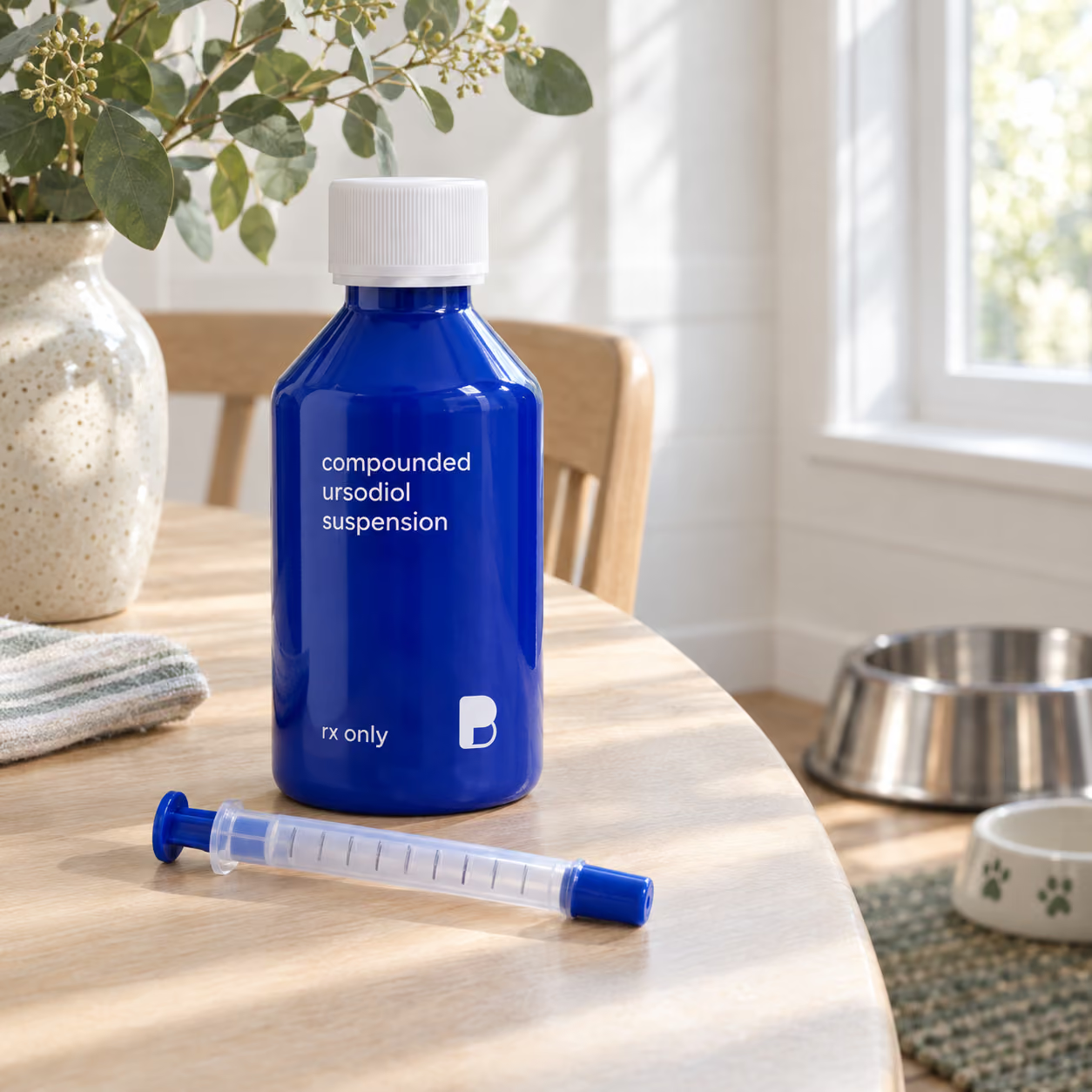
Ursodiol is given by mouth, usually with food to aid absorption and reduce stomach upset. Bayview prepares it as a flavored oral suspension measured with a syringe, or as smaller custom capsules. Your veterinarian sets the exact amount and schedule based on your pet's weight and condition, so follow their directions rather than adjusting the dose yourself.
Side effects & safety
Ursodiol is generally well tolerated. The most common effect is mild digestive upset, such as soft stool or occasional vomiting (MedlinePlus). Your veterinarian may recheck bloodwork periodically to monitor the liver. Contact your veterinarian if your pet has ongoing vomiting or diarrhea.
Which pets should not take it?
Ursodiol is not appropriate when there is a complete blockage of the bile duct, because bile cannot flow past the obstruction. Tell your veterinarian about your pet's full history and any other medications so they can decide whether ursodiol is safe for your pet.
How should it be stored?
Store as directed on the label, keep the container tightly closed, and shake the suspension well before each dose. Keep it out of the reach of children and pets, and discard any leftover medication after the beyond-use date your pharmacy provides.
Why is this compounded?
The commercial human capsules come in only a few sizes that are often too large or awkward to split for a cat or small dog. Bayview compounds ursodiol into a flavored oral suspension (about 100 mg/mL) and into smaller custom-strength capsules, so your pet can receive an accurate, easier-to-give dose at your veterinarian's direction. Other preparations we compound for animals include Cisapride, Methimazole for Cats, Trilostane for Dogs, and Pimobendan for Dogs. The full list is in our compounded medications catalog.
Clinical details for prescribers
Regulatory status. Ursodiol is not a controlled substance. Human FDA-approved products exist, but there is no approved veterinary product, dosing for dogs and cats is extralabel under AMDUCA via compounding, within a valid veterinarian-client-patient relationship.
Formulation & dosing. Compounded as a flavored oral suspension (~100 mg/mL) and custom-strength capsules sized below commercial human capsules. Commonly reported dosing is 10 to 15 mg/kg by mouth once daily with food (sometimes divided twice daily); shake the suspension well before each dose.
Counseling / clinical points:
- Give with food, bile-acid absorption depends on it
- Contraindicated with complete biliary obstruction; confirm patency before starting
- Generally well tolerated; occasional GI upset is the main adverse effect
- Monitor liver values and imaging per your protocol for the underlying hepatobiliary condition
- Custom small strengths allow accurate dosing in cats and small dogs
A choleretic and hepatoprotective bile acid, ursodiol's utility in small patients depends on strengths the human products simply don't come in. Account setup, licensing, and ordering are covered on our for providers page.
Ursodiol for Pets is a compounded veterinary medication and is not FDA-approved. This information is educational and is not a substitute for your veterinarian's instructions. Your veterinarian determines whether it is appropriate and sets the dose.