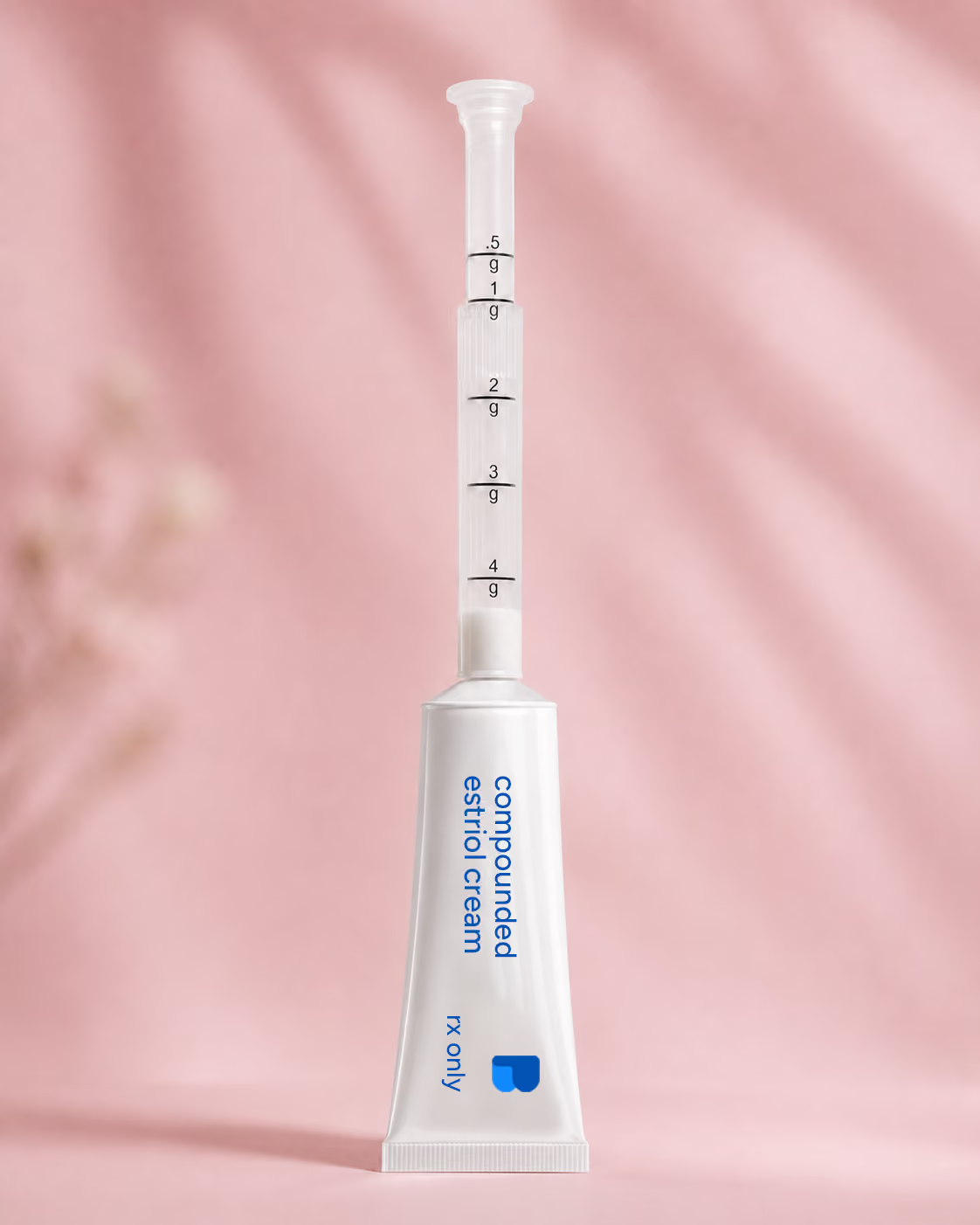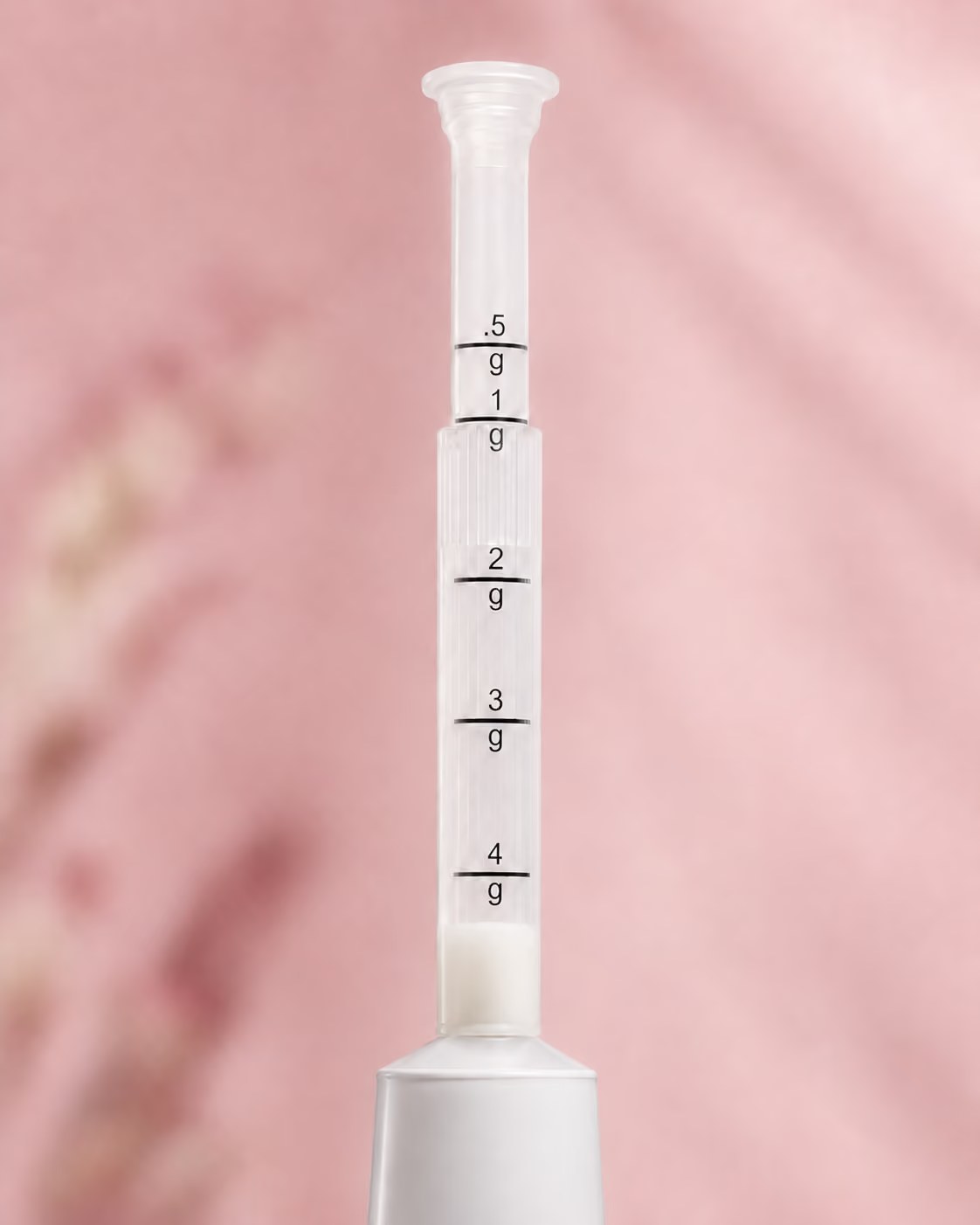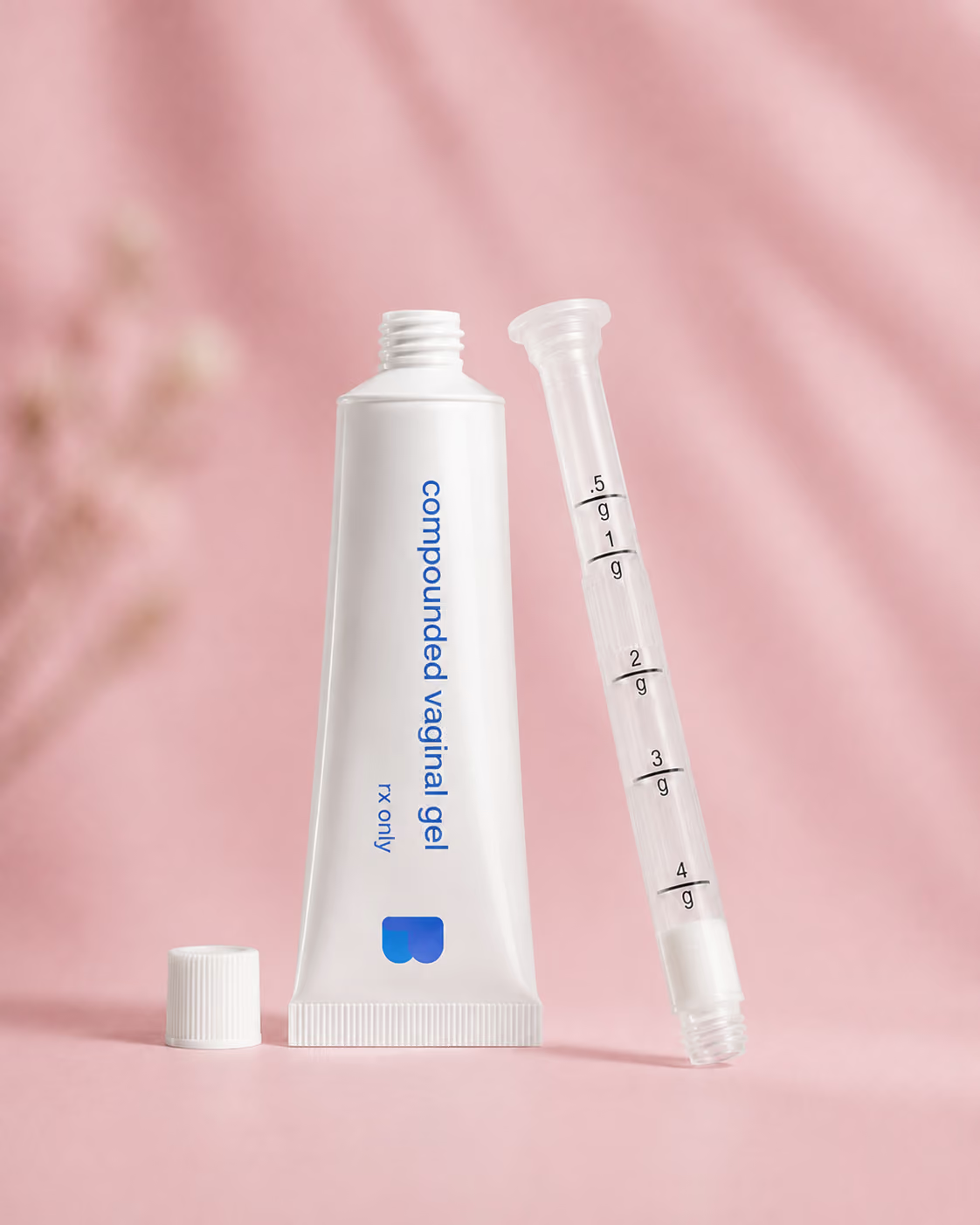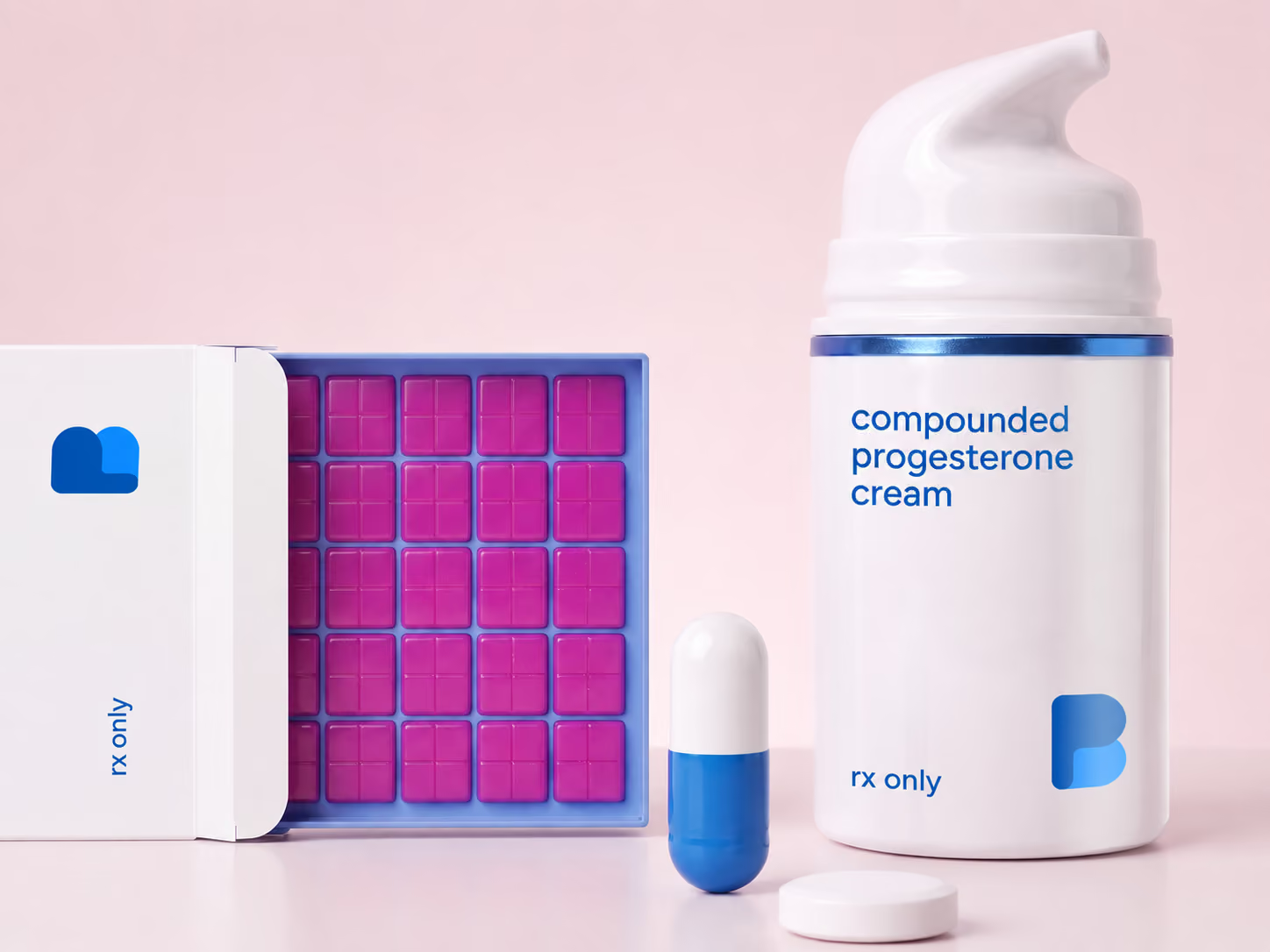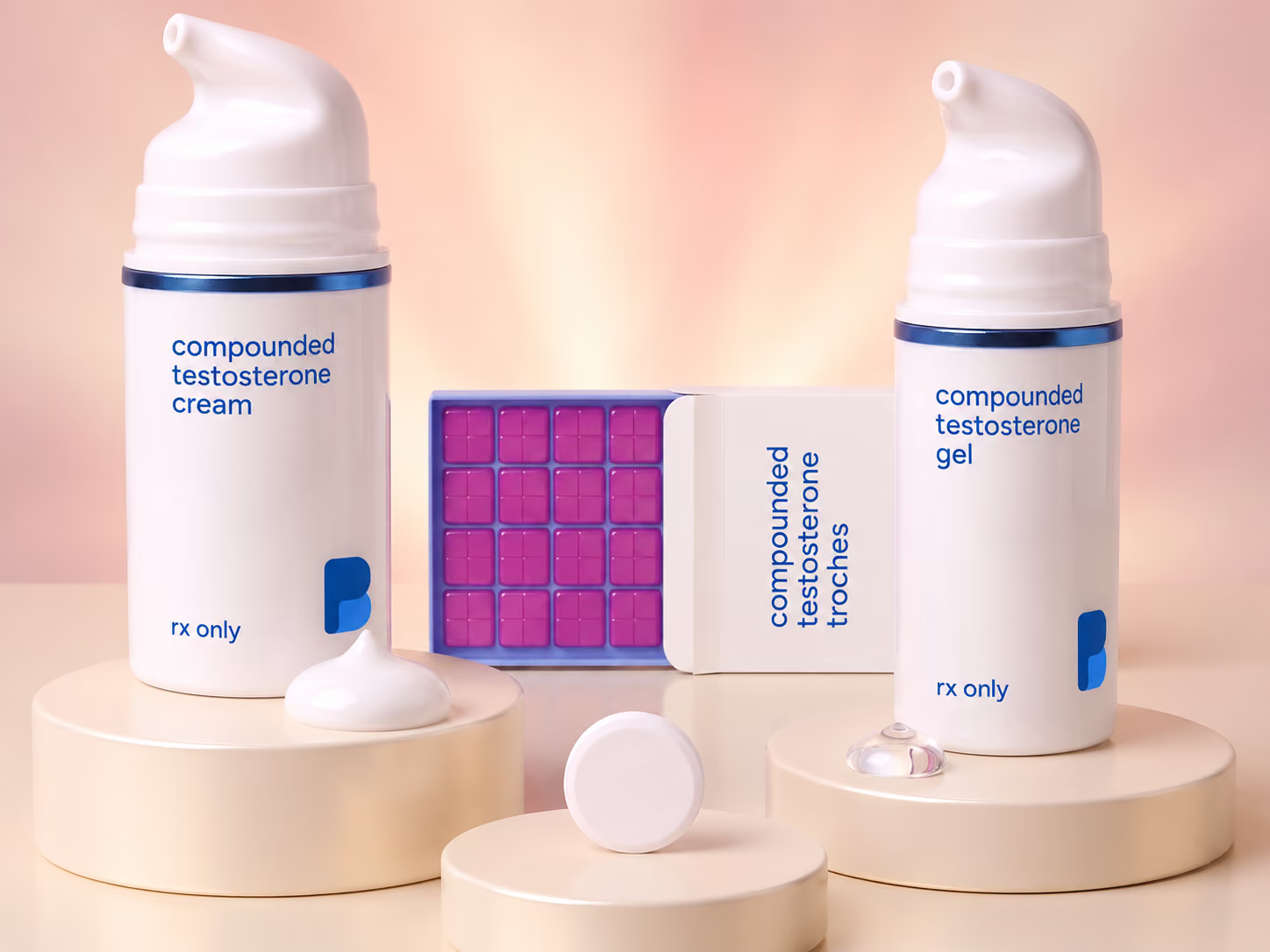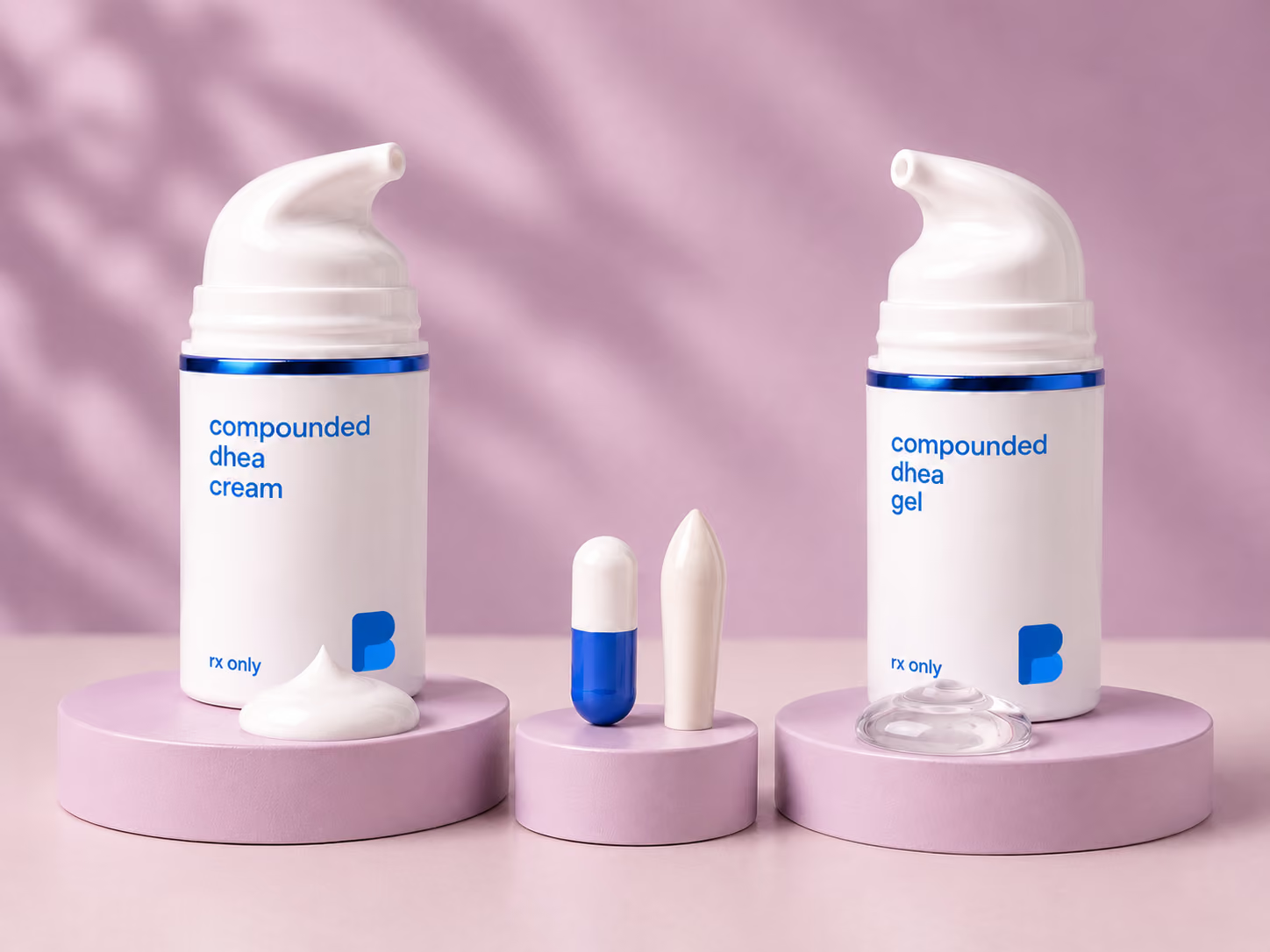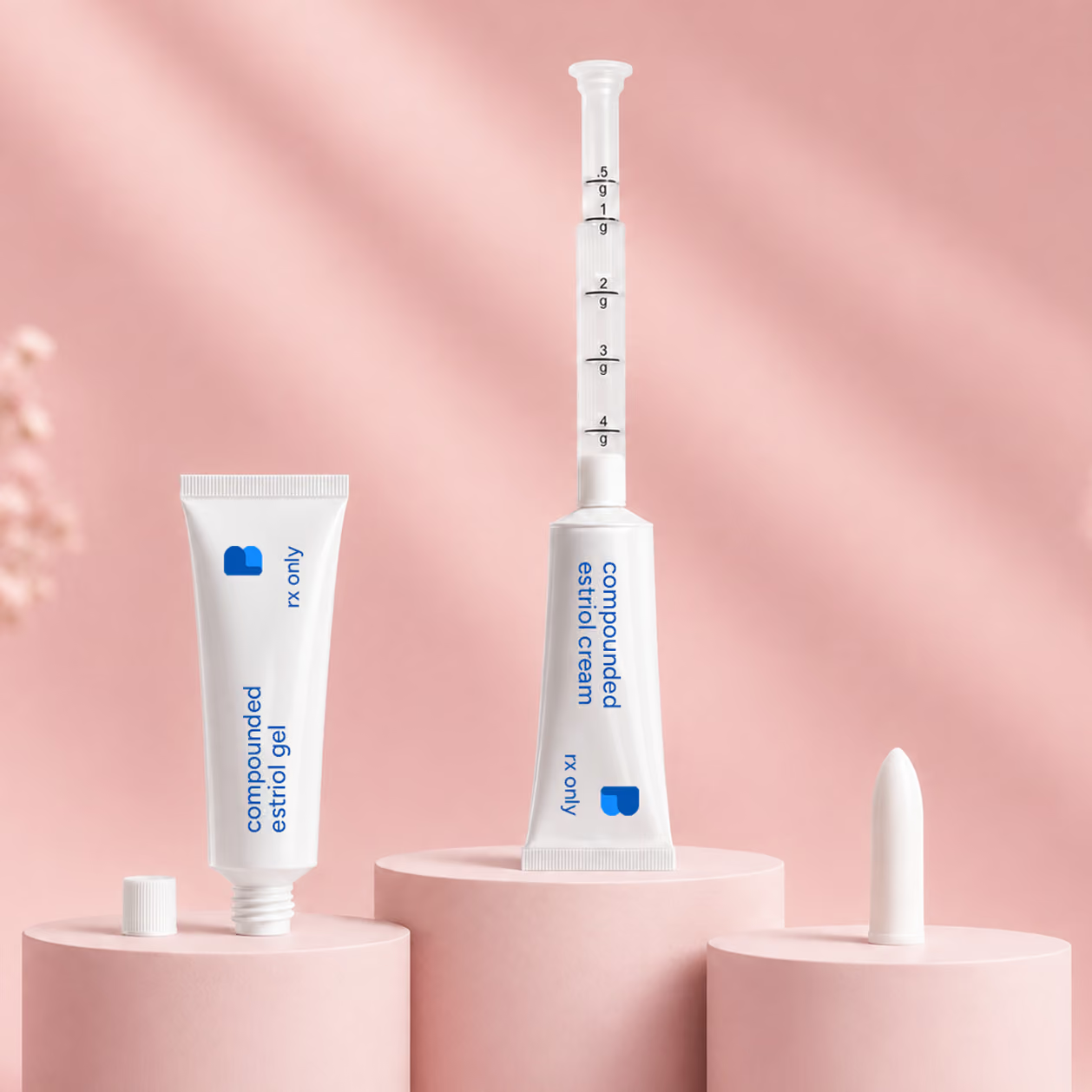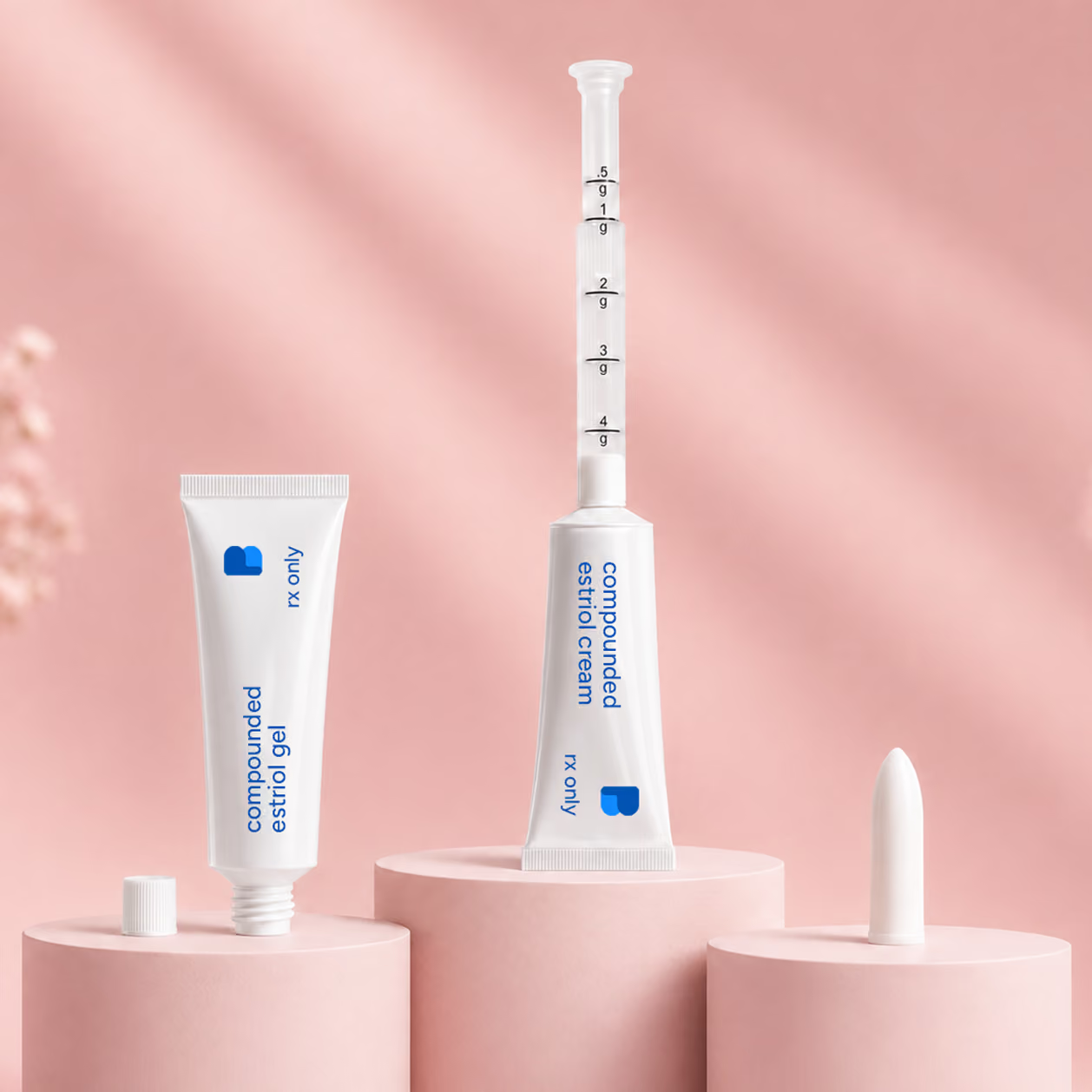






Vaginal estriol is a compounded, prescription hormone preparation of estriol (E3), a naturally occurring and weaker form of estrogen. It is placed in the vagina to act locally on the vaginal and vulvar tissue. It is prepared by a licensed pharmacy to the strength and form your provider orders rather than mass-produced, and it is available in several vaginal forms, including a cream, a suppository, and a gel.
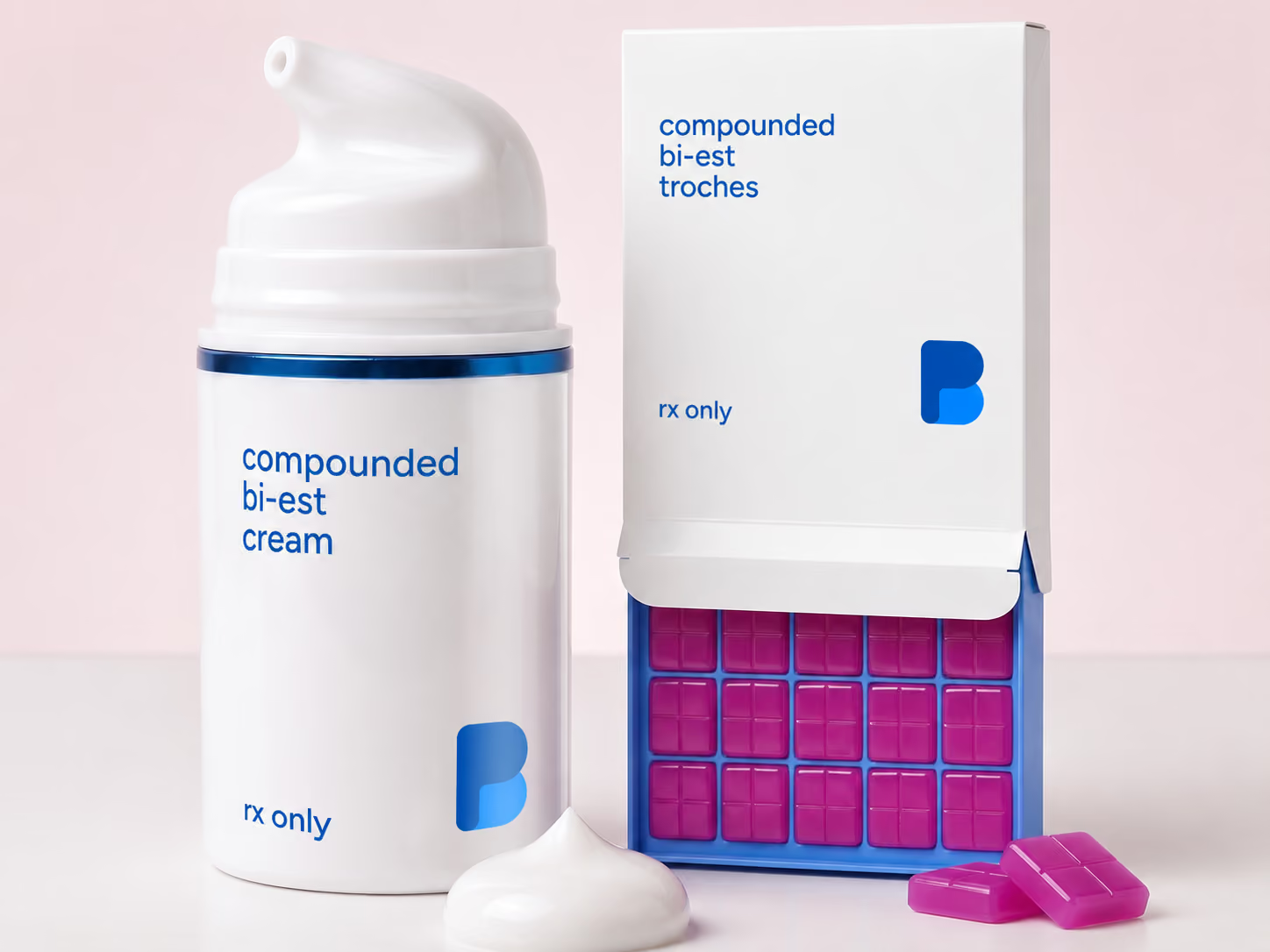
Providers may consider low-dose vaginal estriol as part of care for the genitourinary syndrome of menopause (GSM), vaginal dryness, irritation, and discomfort with intercourse, when they determine it is appropriate. There is no FDA-approved estriol product in the United States, so estriol is available only through compounding. This is part of Bayview's women's hormone therapy range, alongside Bi-Est, progesterone, and combination preparations. Bayview compounds this as part of our hormone replacement therapy compounding line.
How does it work?
Estriol is the weakest of the three estrogens the body makes (estrone, estradiol, and estriol) (StatPearls, Estrogen). After menopause, lower estrogen levels can thin and dry the vaginal and vulvar tissue. Applied directly to the vaginal lining, low-dose estriol acts locally on that tissue, and low-dose vaginal estrogen is absorbed into the bloodstream only in small amounts (ACOG). Your provider sets the strength, form, and schedule.
What is it used for?
Providers may prescribe low-dose vaginal estriol as part of care for the genitourinary syndrome of menopause, which includes vaginal dryness, irritation, itching, and discomfort during intercourse, and sometimes related urinary symptoms. Because there is no FDA-approved estriol product in the United States, a provider who wishes to use estriol relies on a compounded preparation so the strength and vaginal form can be tailored to the individual. Only a licensed provider can decide whether this formulation is right for a person; Bayview Pharmacy does not provide consultations or determine appropriateness, and a valid prescription is required.
How do the forms compare?
All of these forms are placed in the vagina so the estriol acts on the local tissue. They differ mainly in the base and in how they are inserted, which can affect how the medication is released. Vaginal delivery is also different from oral or skin (topical) estriol in how the body absorbs it. The table below describes those differences for education only.
| Form | How it's used | Notes |
|---|---|---|
| Vaginal cream | Inserted with an applicator, or applied as directed | Released to the local tissue; strength set by the prescriber |
| Vaginal suppository | Inserted, usually at bedtime | A solid insert that softens and releases at body temperature |
| Vaginal gel | Applied intravaginally as directed | A gel base |
Differences in form and base are described for education only and are not a statement that any option is better, stronger, or more effective. Your provider determines which form and dose are appropriate for you.
How is it used?
Vaginal estriol is used following the exact form, schedule, and dose set by your prescriber. It is often started on a daily schedule for a couple of weeks and then reduced to a few times per week, but your provider sets your own starting dose and any changes. Many forms are used at bedtime so the medication stays in place. Wash your hands before and after use, and use it only as directed. Never change your dose on your own. If you are unsure about how to use it or about your dosing, contact your prescriber, and a Bayview pharmacist is available if you have questions about your prescription.
Side effects & safety
Low-dose vaginal estriol is absorbed into the rest of the body only in small amounts, and major professional societies distinguish low-dose vaginal estrogen from systemic (whole-body) estrogen therapy. In 2025 the U.S. FDA announced the removal of the boxed warning from low-dose vaginal estrogen products, reflecting that their systemic exposure, and therefore their risk profile, is minimal (FDA; The Menopause Society). Even so, use it only as prescribed and share your full history with your provider.
The most common effects are local, such as vaginal irritation, itching, mild burning, or discharge. Tell your provider about your history of estrogen-sensitive cancer, blood clots or stroke, or liver problems so they can decide whether it is appropriate for you.
Seek medical care for signs of a serious problem, such as chest pain, shortness of breath, weakness or numbness on one side of the body, difficulty speaking, or swelling or pain in a leg.
Who should not use it?
Vaginal estriol is not appropriate for everyone. It should not be used during pregnancy or if you could be pregnant, or if you have undiagnosed or unusual vaginal bleeding. It is generally avoided in people with known or suspected breast or other estrogen-sensitive cancer unless a provider specifically directs otherwise, and used with caution in those with a history of blood clots or stroke, active liver disease, or a known sensitivity to the ingredients. Tell your provider about your full medical history and all medications you take so they can determine whether this formulation is appropriate for you.
How should it be stored?
Store exactly as directed on your label, away from heat, light, and moisture; some compounded suppositories may need to be kept refrigerated, so follow your label. Keep it out of the reach of children and others in the home, and do not share it. Do not use it after its expiration or beyond-use date, and dispose of unused medication as directed.
Why is this compounded?
Because there is no FDA-approved estriol product in the United States, compounding is the only way to obtain estriol, and it lets a licensed pharmacy prepare it at the low strength a provider selects and in the vaginal form ordered, for example a cream, a suppository, or a gel. As a 503A compounding pharmacy, Bayview Pharmacy prepares each order in small batches under USP <795> standards using quality ingredients. Compounded preparations are not FDA-approved. Related hormone preparations include Bi-Est, Bi-Est / Progesterone, Progesterone, and Testosterone (Women). The full list is in our compounded medications catalog.
Clinical details for prescribers
Regulatory status. Estriol (E3) is not a controlled substance. There is no FDA-approved estriol product in the United States; estriol is available only through 503A compounding, and the FDA has stated it lacks evidence that estriol-containing drugs are safe and effective or are "safer" forms of estrogen (ACOG clinical consensus). Compounded preparations are not FDA-approved.
Formulation (vaginal dosing). Compounded as vaginal cream, suppository, and gel. Reported vaginal estriol dosing in the literature spans roughly: cream ~0.5 mg nightly for ~2 weeks then ~0.25 to 0.5 mg two to three times weekly; suppositories ~0.03 to 0.2 mg. The gel is prepared to match the cream strengths (0.25 to 1 mg per gram). Strengths per the strengths table on this page. Vaginal delivery targets local tissue with limited systemic absorption; bioavailability differs from oral and transdermal estriol.
Counseling / clinical points:
- Low-dose vaginal estrogen generally does not require a systemic progestogen for endometrial protection per major society guidance; individualize and evaluate
- Investigate any postmenopausal bleeding
- 2025 FDA action removed the boxed warning on low-dose vaginal estrogen; ACOG and The Menopause Society support use with shared decision-making, including special-population considerations (e.g., estrogen-dependent breast cancer, per ACOG)
- Avoid in pregnancy, undiagnosed vaginal bleeding, and known/suspected estrogen-sensitive cancer unless specifically directed
Often used alongside Bi-Est and progesterone in women's hormone therapy. Background: NASEM report on compounded BHRT; ACOG, compounded BHRT. Account setup, licensing, and ordering are covered on our for providers page.
This is a prescription compounded medication and is not FDA-approved. This information is educational and is not medical advice. Your provider determines whether it is appropriate and sets the formulation and dose.