



Povidone-iodine is a broad-spectrum antiseptic: a complex of iodine and a carrier molecule (povidone) that releases iodine slowly on contact with tissue. Iodine acts against bacteria, fungi, and viruses by oxidizing their proteins and cell membranes. Manufactured povidone-iodine products for the nose are 5% and 10% swab applicators for a single use before surgery; a dilute spray for repeated use is not manufactured and is prepared by compounding.
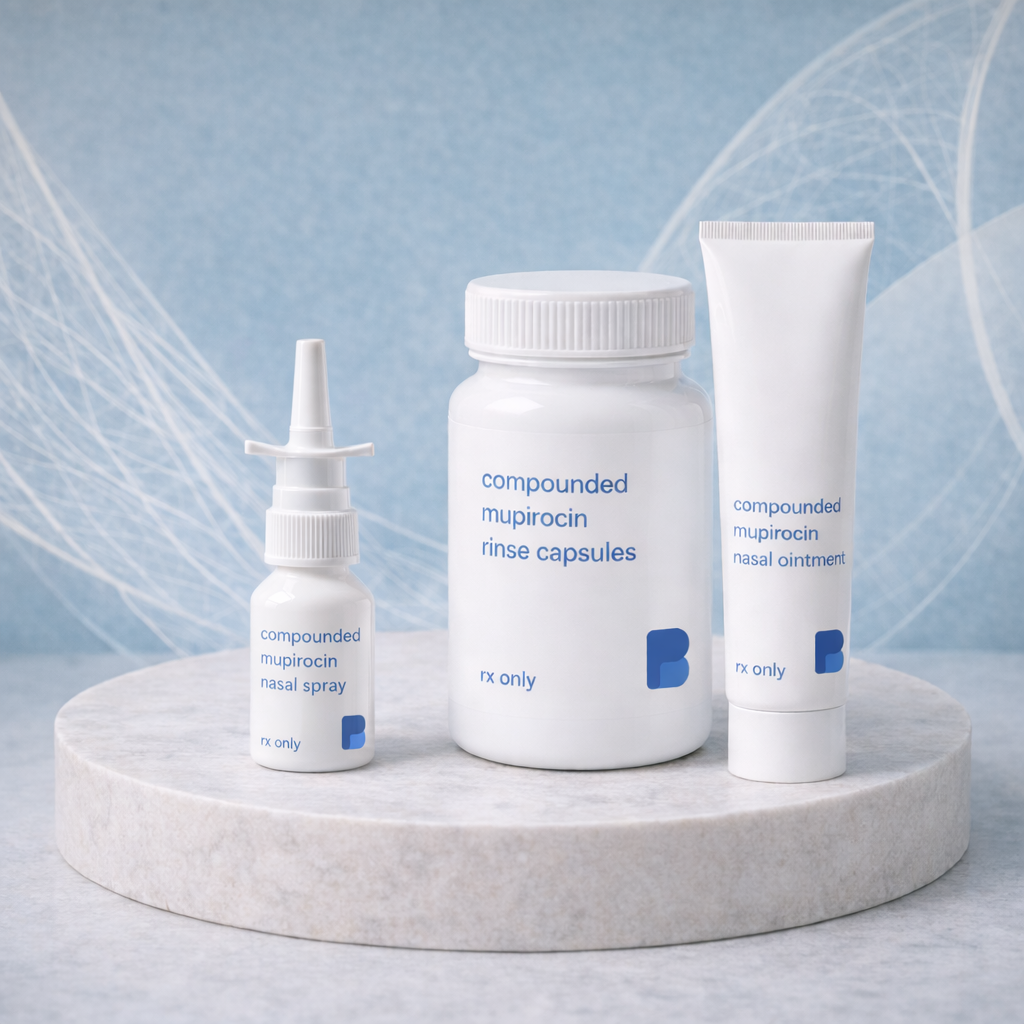
Bayview compounds povidone-iodine as an aqueous nasal spray at 0.5%, 1%, and 1.25% in 15 mL and 30 mL metered bottles, to the strength and volume your prescriber orders. Povidone-iodine itself is a long-established antiseptic, but this nasal spray is a compounded preparation and is not FDA-approved. A valid prescription is required, and only your prescriber can decide whether it is appropriate for you. Bayview compounds this as part of our ear, nose, and throat line.
How does it work?
When povidone-iodine touches tissue it releases free iodine, which oxidizes the proteins and fatty membranes of microorganisms. That mechanism is not specific to any one organism, which is why povidone-iodine has a broad spectrum covering gram-positive and gram-negative bacteria, fungi, viruses, and protozoa (StatPearls, Skin Antiseptics). It acts quickly on contact and has little residual activity once it is wiped or rinsed away (StatPearls, Skin Antiseptics). In the nose the concentration matters: laboratory studies of the cilia that clear mucus from the nasal lining found them inhibited at 2.5% and above and unaffected at 1.25% and below, which is the reason dilute sprays are used (Frank et al., 2020).
What is it used for?
Prescribers order povidone-iodine for the nose mainly to reduce the bacteria carried in the nostrils, especially Staphylococcus aureus, before a surgical procedure. The manufactured swab products are labeled for exactly that single pre-operative use (DailyMed, 3M Skin and Nasal Antiseptic). A compounded spray is what prescribers reach for when they want a dilute strength applied repeatedly over days rather than once by swab, for example across the days before surgery, in sinus protocols, or in infection-control settings. Published reviews describe intranasal use for up to five months without clinical thyroid disease, though longer courses are the prescriber's call and may include a thyroid check (Frank et al., 2020). Your prescriber decides whether it fits your situation, and how it should be used.
Spray, or swab?
The manufactured products are swabs: a 5% solution on applicators used once, two swabs per nostril, before surgery (DailyMed, 3M Skin and Nasal Antiseptic), and a 10% swab version. A spray delivers a much more dilute solution as a fine mist, so it can be repeated at home over a course. Bayview compounds the spray at 0.5%, 1%, and 1.25%. When a single pre-operative application is all that is needed, the manufactured swab may be the simpler choice, and your prescriber can order it instead. See the strengths section for what Bayview compounds.
How is it used?
Blow your nose gently, then hold the bottle upright, insert the tip just inside one nostril, and press the pump the number of times your prescriber directs, usually one or two sprays in each nostril. Breathe in gently as you spray. Do not tip your head back far, and spit out any solution that runs into your throat rather than swallowing it. Use it for the course your prescriber set and stop when the course ends. Wipe the nozzle after each use and keep the bottle upright. It stains, so keep it away from clothing and blot any drips right away.
Side effects & safety
Most effects are local and brief: stinging or burning when it is sprayed, an iodine taste at the back of the throat, dryness, sneezing, and a brown tint to nasal mucus. Nosebleeds or sores inside the nose are less common and are a reason to stop and call your prescriber.
Who should not use it?
Avoid povidone-iodine if you are allergic to iodine or have reacted to an iodine antiseptic before, and do not use it while receiving radioactive iodine or before a thyroid scan unless your prescriber directs it. Tell your prescriber about any thyroid condition, kidney disease, pregnancy, or breastfeeding before starting, and about lithium or other medicines that affect the thyroid. It is not for infants under two months, and use in older children calls for a pediatric prescriber's direction.
How should it be stored?
Store as directed on your label, at room temperature away from light and heat, upright and capped, and keep it out of the reach of children and pets. Do not use it after the beyond-use date, and dispose of unused medication as directed.
Why is this compounded?
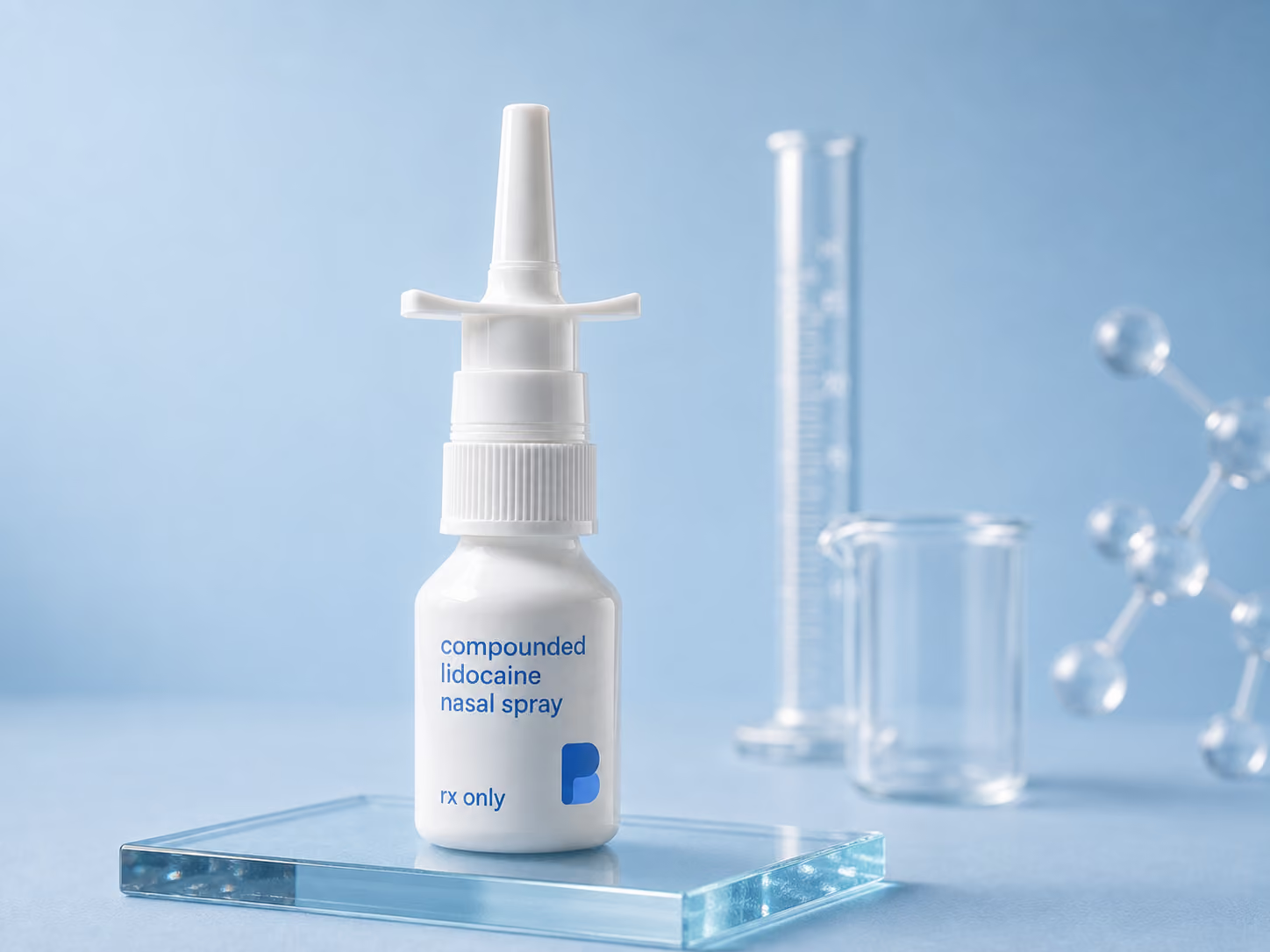
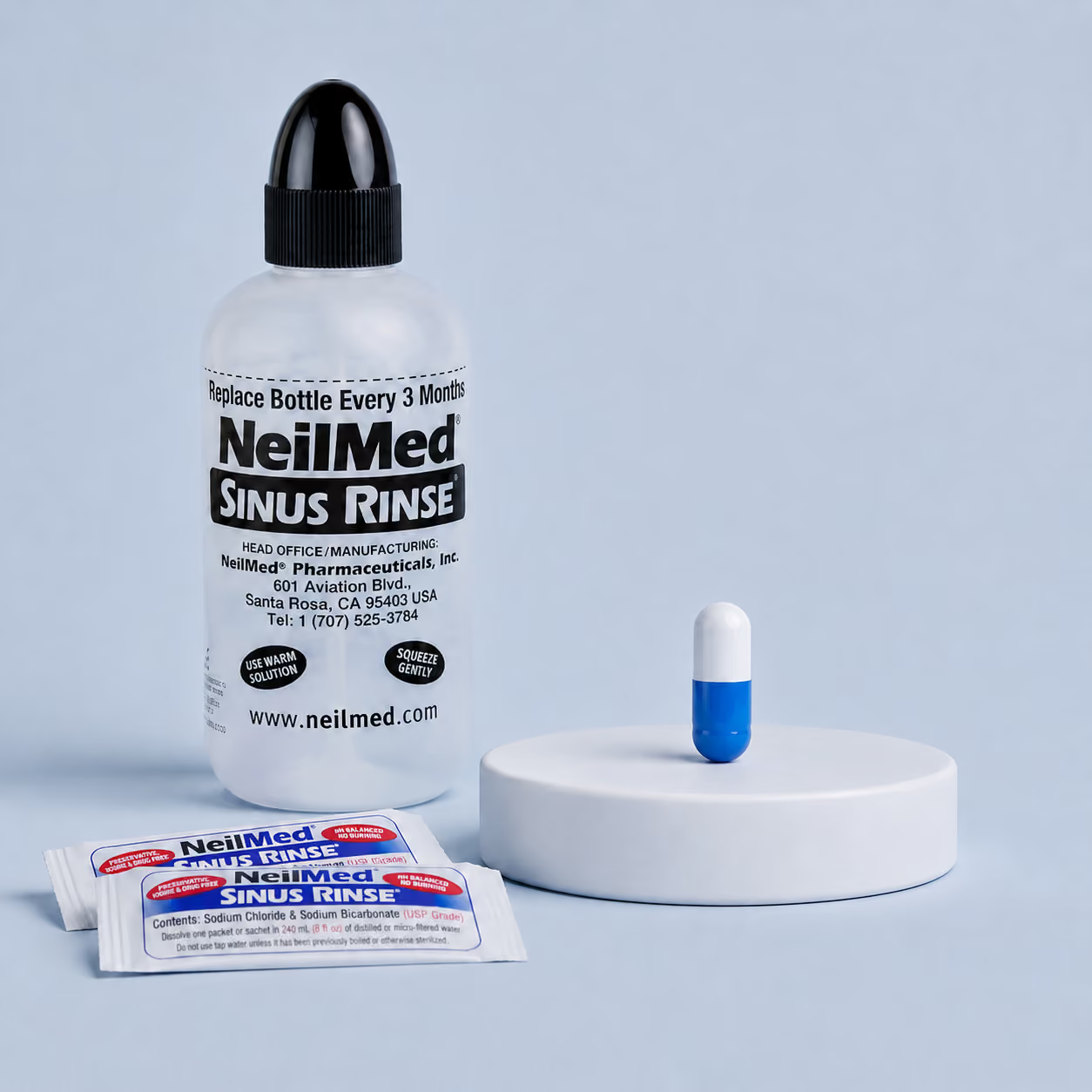
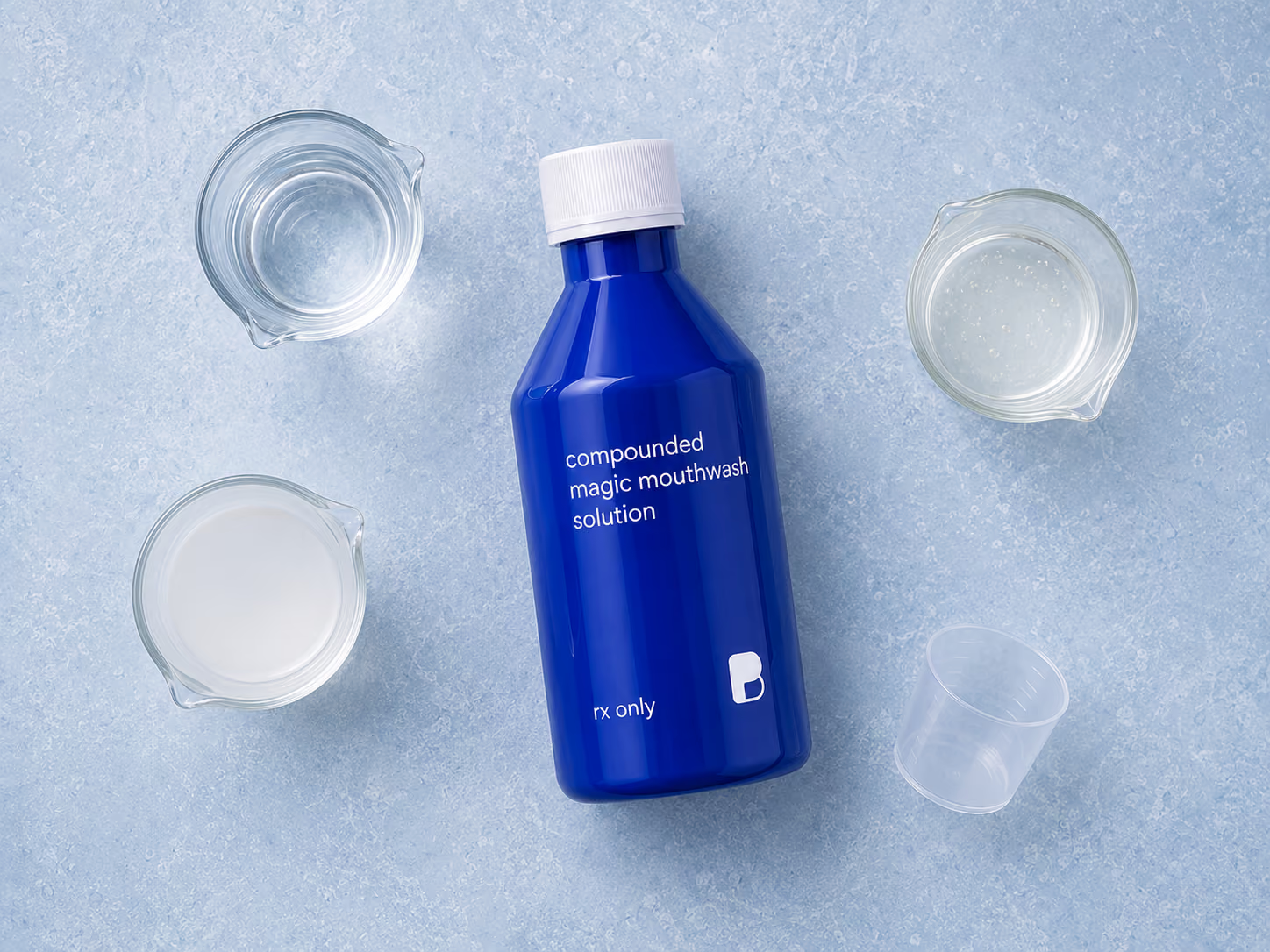
No manufacturer makes a povidone-iodine nasal spray. The manufactured nasal products are 5% and 10% swabs for one application before surgery, and when that is what a prescriber wants, that is what should be ordered. A dilute solution in a metered spray, for repeated use over a defined course, exists only through compounding. As a 503A compounding pharmacy, Bayview prepares each order in small batches under USP standards, pursuant to a prescription for an individual patient. We do not supply it as clinic or office stock, that is the role of a 503B outsourcing facility, which Bayview is not. Compounded preparations are not FDA-approved. Related preparations include Lidocaine Nasal Spray, Budesonide Sinus Rinse Capsules, and Magic Mouthwash. The full list is in our compounded medications catalog.
Clinical details for prescribers
Regulatory status. Povidone-iodine is an OTC-monograph antiseptic. Manufactured nasal presentations are 5% (0.5% available iodine) and 10% swab applicators labeled as patient pre-operative preparation; no povidone-iodine nasal spray is manufactured. Compounded 0.5% to 1.25% nasal sprays are 503A preparations and are not FDA-approved. Not a controlled substance.
Formulation & directions. Aqueous povidone-iodine 0.5%, 1%, or 1.25% in a metered nasal pump, 15 mL or 30 mL. Typical regimens: 2 sprays per nostril twice daily for 5 days before surgery; 1 to 2 sprays per nostril two to four times daily for a defined course in decolonization or sinus protocols. Specify a stop date. The strengths Bayview lists for the nose stop at 1.25%.
Safety & counseling:
- Ciliary function: inhibited in vitro at 2.5% and above, preserved at 1.25% and below; the review's recommended nasal ceiling is 1.25% (Frank et al., 2020).
- Iodine absorption raises urinary iodine with chronic mucosal use; clinical thyroid disease was not reported in the reviewed series (nasal use up to 5 months), but consider baseline and follow-up TSH for prolonged courses and in patients with thyroid disease.
- Avoid in iodine hypersensitivity and around radioactive iodine therapy or thyroid imaging; use with caution in pregnancy, breastfeeding (milk iodine rises; infant hypothyroidism reported), renal impairment, and with lithium. Contraindicated under 2 months of age per the manufactured nasal antiseptic labeling.
- Counsel on staining, transient stinging and taste, and on stopping for epistaxis or mucosal ulceration.
Non-controlled; ship to patient or office per the order form. Licensed to dispense in RI, MA, CT, NJ, NH, FL, ME, and PA. Background: Frank et al., 2020; StatPearls, Skin Antiseptics; DailyMed, 3M Skin and Nasal Antiseptic. Account setup, licensing, and ordering are covered on our for providers page.
This is a prescription compounded medication and is not FDA-approved. This information is educational and is not medical advice. Your prescriber determines whether it is appropriate and sets the formulation and directions.