


In Stock
Bladder Instillations | Compounded Rx | Bayview Pharmacy

Bladder Instillations

Smiling man in blue pharmacist scrubs with arms crossed and pen behind his ear.
Medically reviewed by Ryan Dyer, RPh
Last updated on
July 31, 2026
Starting at
$60
for
60 mL
Checkmark icon followed by text 'HSA/FSA Eligible'.
Start with a prescription
Prescribers: download order form ↓
Licensed to fill prescriptions for patients in RI, MA, CT, NY, NJ, NH & FL
  • Medication delivered directly into the bladder, where it works locally with little absorbed into the bloodstream
  • Gentamicin intravesical irrigation, used under urology direction to help reduce repeated urinary tract infections in complex or resistant cases
  • Heparin, lidocaine, and sodium bicarbonate “rescue” instillations, used for short-term relief during interstitial cystitis / bladder pain flares
  • No FDA-approved commercial product exists in these combinations or in ready-to-use syringes
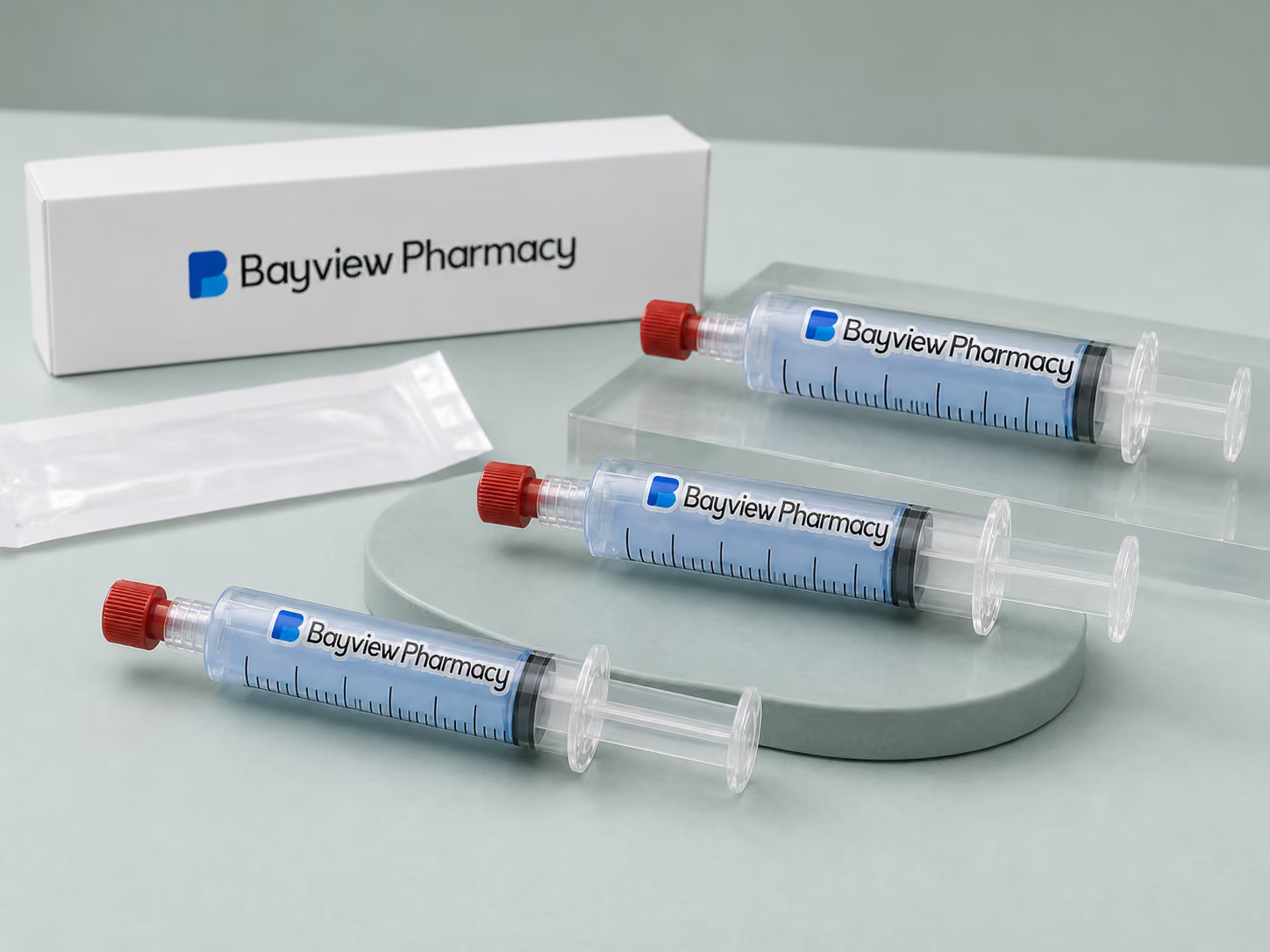
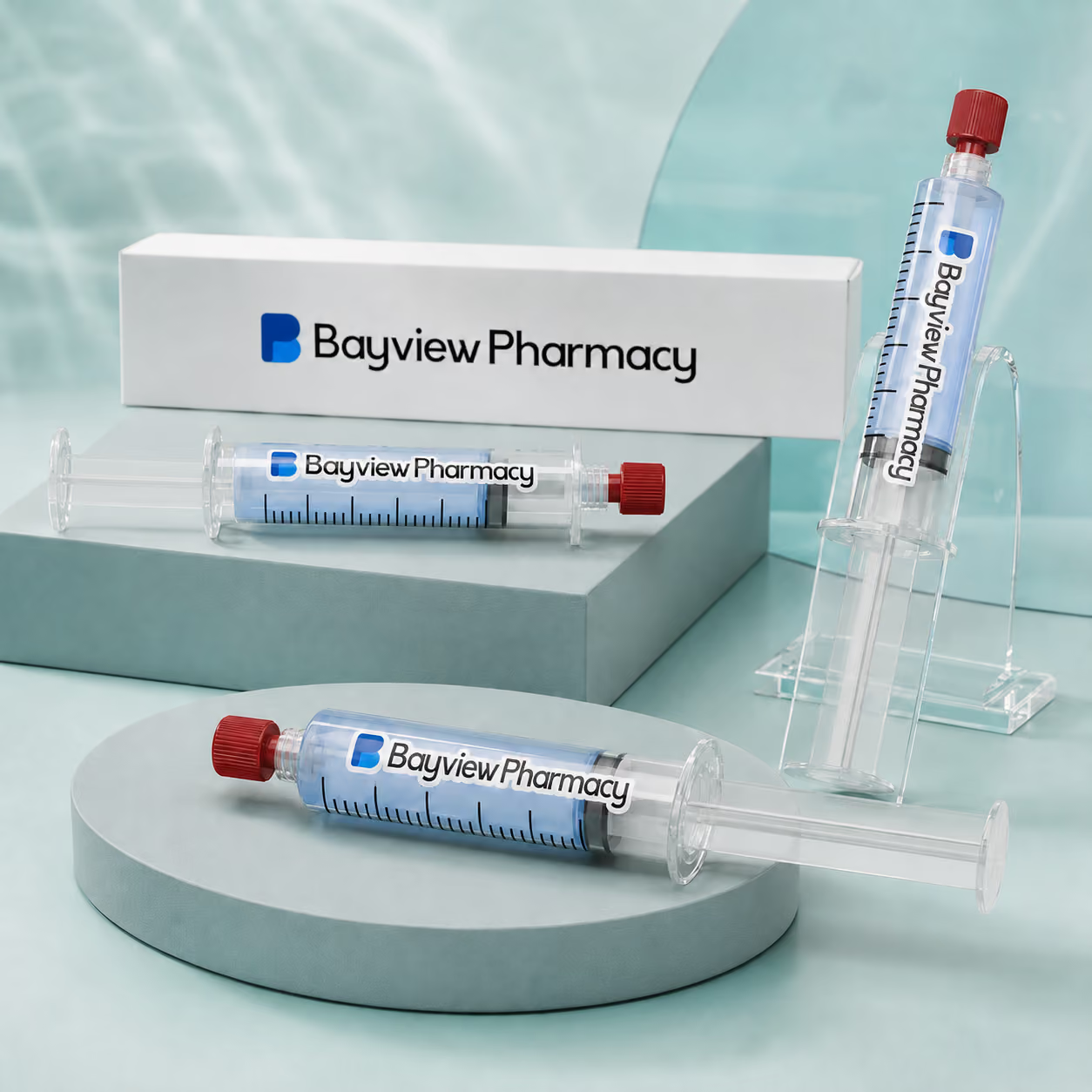
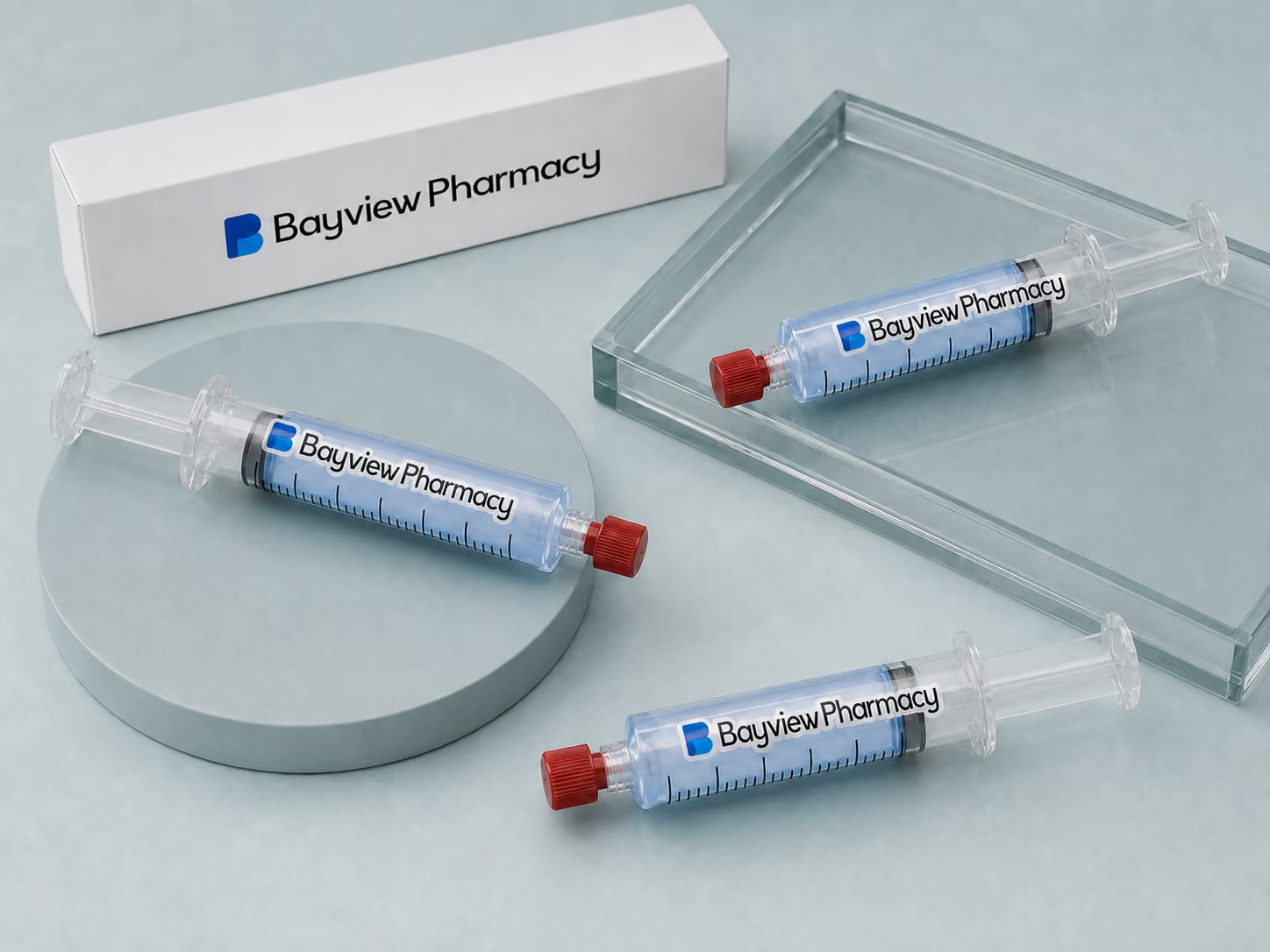
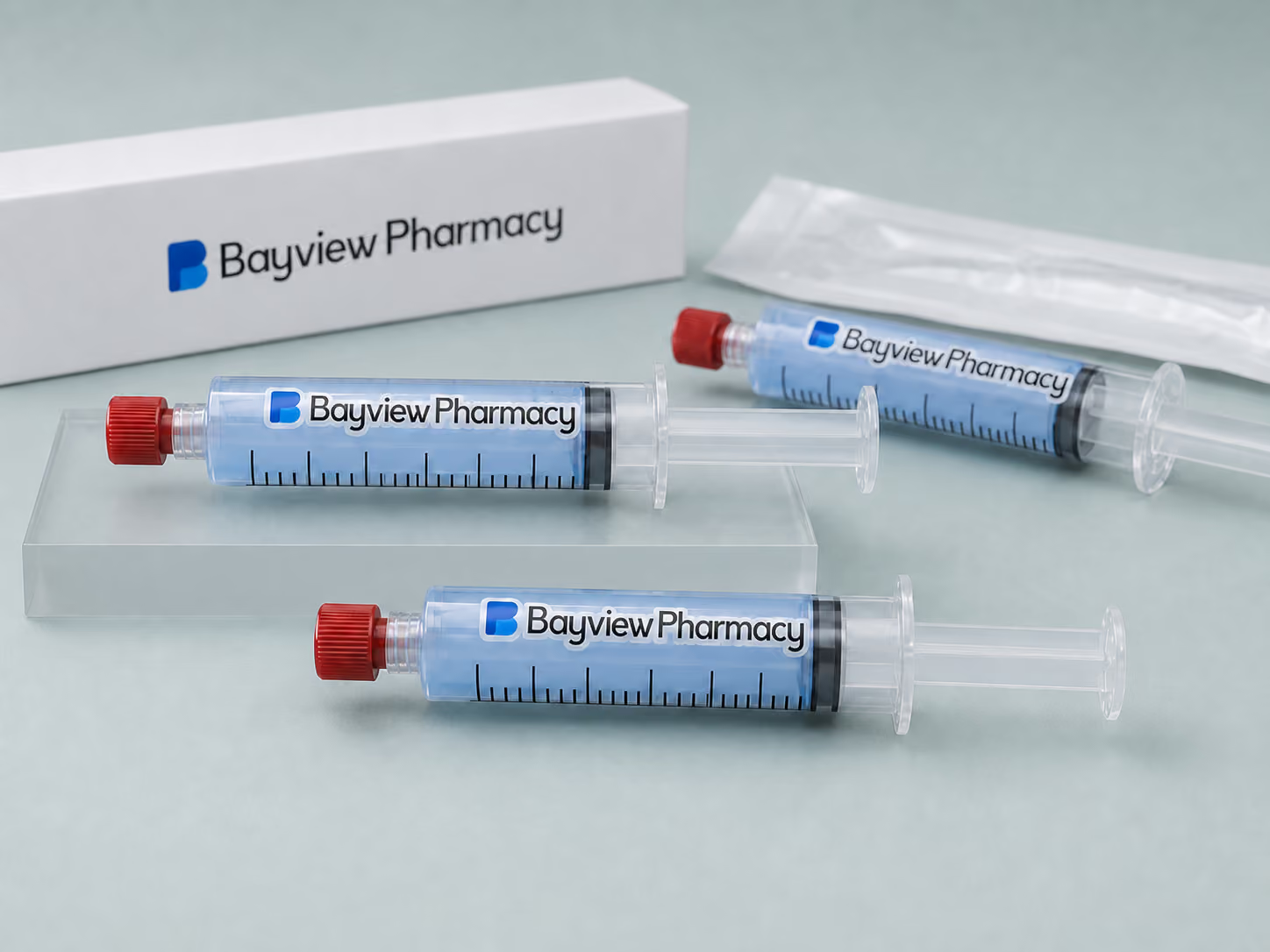
  • Prepared as sterile preparations under USP <797> standards in single-patient syringes labeled for bladder instillation only

Bladder instillation therapy is a group of compounded, prescription sterile preparations that are placed directly into the bladder through a thin catheter, held for a period of time, and then passed when you urinate. Bayview compounds two kinds: gentamicin intravesical irrigation, used by urologists to help reduce repeated urinary tract infections in certain complex patients, and a heparin, lidocaine, and sodium bicarbonate instillation — often called a “rescue instillation” — used for flares of interstitial cystitis / bladder pain syndrome. Both are used off-label and have no FDA-approved commercial equivalent. Compounded medications are not FDA-approved, and a valid prescription is required.

Your urologist decides whether instillation therapy is appropriate, which preparation to use, and how often. Bayview Pharmacy does not provide consultations or determine appropriateness.

How is an instillation done, and who does it?

Instillation therapy is started by a urologist, and the first ones are usually done in the clinic so you can be taught the technique. Many people, or a caregiver, then self-administer at home. You empty your bladder, wash your hands, instill the medication slowly through the catheter using the technique you were shown, and hold it for the dwell time you were given before urinating normally.

What is the difference between the two preparations?

They are different medicines for different problems and are not interchangeable. Gentamicin intravesical irrigation puts a dilute antibiotic directly on the bladder lining and is used under urology direction to help reduce repeated urinary tract infections in complex or resistant cases. The heparin, lidocaine, and sodium bicarbonate instillation is a “rescue” preparation used for short-term relief during an interstitial cystitis or bladder pain flare.

Trusted by 105,826 patients to date.
A group of faces of our past satisfied patients.
Compounded medications are prepared pursuant to a valid prescription for an individual patient and are not FDA-approved. This page is for educational purposes and is not medical advice.
**The FDA does not review or approve compounded medications for safety or effectiveness. A valid prescription from a licensed practitioner is required.
Important safety information →
Service availability

Prescription delivery in your state

Bayview Pharmacy currently serves eligible patients in six states. Check your state before getting started.

Where we currently serve

Select a highlighted state to check availability.

Currently licensed Licensed — non-controlled only Not currently licensed Your selection

Select a state on the map or use the state checker.

Do we serve your state?

Choose your state to confirm current service availability.

Thank you! Your submission has been received!
Oops! Something went wrong while submitting the form.
Currently licensed in
Start with a prescription

Getting your prescription filled is simple

Send us your prescription

STEP
1
Have your provider e-prescribe to Bayview, fax it to us, or call it in directly to one of our pharmacists.
A thin blue light beam connecting two clear glass slabs on a white surface.

A pharmacist reviews it

STEP
2
We verify your prescription and prepare your medication to your provider's exact instructions.
Close-up of a white dial with blue measurement markings and a rotating knob.

We compound & ship

STEP
3
We prepare your medication and ship it discreetly to your door, with support when you need it.
Close-up of a gray box with a precise blue line running along its folded edges.

What is Bladder Instillations?

Bladder instillation therapy delivers medication directly into your bladder through a thin catheter. The liquid stays in the bladder for a set time, called a dwell, and then you pass it the next time you urinate. Because the medication sits on the bladder lining instead of traveling through your bloodstream first, a small volume can do a lot of work right where the problem is.

Bayview compounds two different kinds of sterile bladder instillation to your urologist's prescription: gentamicin intravesical irrigation, used to help reduce repeated urinary tract infections in certain complex patients, and a heparin, lidocaine, and sodium bicarbonate instillation — often called a “rescue instillation” — used during flares of interstitial cystitis / bladder pain syndrome. They are different medications for different problems and are not interchangeable.

These instillations are compounded and used off-label. DMSO 50% (RIMSO-50) is the only FDA-approved intravesical medication for interstitial cystitis, labeled for “symptomatic relief of patients with interstitial cystitis.” Heparin/lidocaine/bicarbonate cocktails and intravesical gentamicin have no FDA-approved commercial product, in these combinations or in ready-to-use syringes, which is exactly why they are prepared by a compounding pharmacy. Compounded preparations are not FDA-approved, a valid prescription is required, and your urologist determines whether instillation therapy is appropriate. Bayview Pharmacy does not provide consultations or determine appropriateness.

How does it work?

Gentamicin instilled into the bladder puts a high concentration of antibiotic directly on the bladder lining, where the bacteria are, while very little is absorbed into the bloodstream. That local concentration can suppress bacteria that are hard to treat by mouth, including some multidrug-resistant Gram-negative organisms, without exposing the rest of your body to an aminoglycoside antibiotic.

The rescue instillation works in a completely different way. Heparin is a glycosaminoglycan (GAG) analog — it resembles the natural protective layer that coats the inside of the bladder. When that layer is damaged, urine can irritate the bladder wall; heparin is thought to help restore the barrier and also has anti-inflammatory effects. Lidocaine numbs the sensory nerves in the bladder wall. Sodium bicarbonate makes the solution more alkaline, which shifts more of the lidocaine into the un-ionized form that can actually penetrate the bladder lining (Cvach & Rosamilia, Transl Androl Urol).

What is it used for?

Gentamicin irrigation. This is a specialist option, not a routine treatment for ordinary recurrent urinary tract infections. The 2025 AUA/CUA/SUFU guideline on recurrent uncomplicated urinary tract infections in women does not address intravesical gentamicin at all; the non-antibiotic prevention options it does cover are cranberry, D-mannose (which may not be effective), methenamine hippurate, and increased water intake (AUA/CUA/SUFU, 2025). Intravesical gentamicin is used mainly by urologists in complex situations — neurogenic bladder, people who use clean intermittent catheterization, bladder augmentation, and pediatric urology — and in infections that keep coming back or involve multidrug-resistant bacteria. The published evidence is small: the most complete review to date pooled only six studies and 166 patients, and the authors graded it level 2a evidence (Rutherford et al., Journal of Clinical Urology). Those studies reported fewer infections and blood levels of gentamicin that were almost always undetectable, but they were mostly small and uncontrolled.

Rescue instillations for interstitial cystitis / bladder pain syndrome. The American Urological Association's 2022 IC/BPS guideline says, in Statement 17, that “DMSO, heparin, and/or lidocaine may be administered as intravesical treatments.” That statement is graded as an Option — the weakest level of endorsement — with Evidence Grade C for DMSO, C for heparin, and B for lidocaine (AUA, 2022). It is an option a urologist may offer, not a proven or recommended therapy. The same guideline recommends against intravesical BCG outside of a research study (Statement 24, a Standard with Evidence Grade B).

Being straightforward about what the research shows: rescue instillations can give real short-term relief during a flare, but durable, lasting benefit is unproven, and most of the published studies were open-label without a placebo group. These instillations are not a treatment or a cure for interstitial cystitis. They are one option among many, used alongside the behavioral, physical therapy, and medication approaches described by the National Institute of Diabetes and Digestive and Kidney Diseases. Only a licensed urologist can decide whether they are appropriate for you.

How do the two instillations compare?

The two preparations Bayview compounds do different jobs. The table below describes those differences for education only, with FDA-approved DMSO included for context.

InstillationWhat is in itWhat it is used forTypical dwell
Gentamicin intravesical irrigationGentamicin at dilute concentrations (about 0.48–5.33 mg/mL) in 30–60 mLHelping reduce repeated urinary tract infections in complex or resistant cases, under urology directionCommonly instilled after the last void at night and held until the next void
Heparin / lidocaine / sodium bicarbonate (“rescue instillation”)Heparin 10,000 units, lidocaine 80 mg, and sodium bicarbonate 1 mEq per 50 mLShort-term relief during an interstitial cystitis / bladder pain flareAbout 20–30 minutes, then voided
DMSO 50% (shown for comparison; commercially available, not compounded here)Dimethyl sulfoxide 50%The only FDA-approved intravesical medication for interstitial cystitis50 mL with a 15-minute dwell, usually every 2 weeks

Preparations are described for education only and are not a statement that any one is better for a particular person. Your urologist selects the preparation, concentration, volume, dwell time, and schedule.

How is it used?

Use your instillations exactly as your urologist directs. Instillation therapy is started by a urologist, and the first ones are usually done in the clinic so you can be taught the technique. Many people, or a caregiver, then self-administer at home after that teaching. Empty your bladder first, wash your hands, use the catheter and technique you were shown, instill the medication slowly, and then hold it for the dwell time you were given before urinating normally.

Gentamicin irrigation is usually instilled through a catheter, or during clean intermittent catheterization, most often at night after the last void, and held until you urinate in the morning. Schedules are tapered over time. One representative published protocol runs daily for 10 days, then every other day for 4 weeks, then weekly for 2 months, then stops — but your urologist sets your own schedule.

The heparin, lidocaine, and sodium bicarbonate instillation is given in the clinic or self-administered at home, and is typically held about 20 to 30 minutes before you void. A common pattern is weekly for about six weeks during a flare, then spaced further apart. Heparin's effect on the bladder lining is gradual, and any barrier benefit may take three to six months to show.

Do not change your schedule or reuse a syringe on your own. A Bayview pharmacist is available if you have questions about your prescription.

Side effects & safety

The most common effects are local and short-lived: burning or discomfort during the instillation, urgency, a temporary pink tinge to the urine, and mild irritation for a little while afterward.

Gentamicin. Very little gentamicin is absorbed when the bladder lining is intact, but absorption rises when the lining is disrupted or inflamed, when the bladder has been enlarged or rebuilt using bowel tissue, when there is blood in the urine, after recent instrumentation, or when kidney function is reduced. In those situations your urologist may check blood gentamicin levels and kidney function. Repeated antibiotic instillation can also encourage antibiotic-resistant bacteria or yeast overgrowth.

Lidocaine. Lidocaine absorbed through an inflamed or raw bladder lining can cause body-wide effects: numbness or tingling around the mouth, ringing in the ears, dizziness, confusion, and, rarely, seizures or changes in heart rhythm. Stick to the prescribed dose, do not use other lidocaine products at the same time unless your prescriber says to, and tell your prescriber if you have liver problems or take heart rhythm medications.

Heparin. Heparin used this way acts locally and is not expected to thin the blood, but there is a theoretical bleeding concern if there is active blood in the urine, and it should be avoided if you have had heparin-induced thrombocytopenia.

The catheter itself. Catheterization can cause urethral injury, burning with urination, temporary blood in the urine, and can introduce infection; long-term repeated catheterization can lead to narrowing of the urethra.

For bladder instillation only — never inject. Your syringes are labeled “For intravesical/bladder instillation only — NOT for injection.” Because heparin and gentamicin are also injectable medications, this is critical: these syringes go into the bladder through a catheter and must never be injected or given any other way. Get emergency care right away for numbness around the mouth, ringing in the ears, dizziness, confusion, twitching, seizures, or an irregular heartbeat, which can be signs of too much lidocaine.

Contact your urologist about fever, chills, or flank pain, heavy or lasting blood in the urine, being unable to urinate, new hearing changes or ringing in the ears, or pain that does not settle after an instillation.

Who should not use it?

Instillation therapy is not right for everyone. Gentamicin instillation should be avoided if you are allergic to gentamicin or other aminoglycoside antibiotics, if a previous aminoglycoside caused hearing or balance damage, or if you have an active kidney infection, which needs whole-body antibiotic treatment instead. It is also not an option if you cannot be catheterized safely.

The rescue instillation should be avoided if you are allergic to lidocaine or other amide anesthetics, and is used with caution if you have liver impairment or take class I antiarrhythmic medications. Tell your urologist about active bleeding in the urine or any history of heparin-induced thrombocytopenia.

Tell your urologist about your full health history, allergies, kidney and liver function, and all medications you take, including any other lidocaine-containing products, so they can determine whether instillation therapy is appropriate.

How should it be stored?

Refrigerate your syringes as directed on the label, and let one come to room temperature before instilling it — cold fluid in the bladder is uncomfortable. Keep syringes in their packaging, out of the reach of children, and do not share them; each syringe is prepared for one patient. Do not use a syringe that is cloudy, discolored, or leaking. Do not use it after the beyond-use date printed on your label; that date is assigned according to the USP <797> category and the testing performed for your preparation, so always follow what your label says. Dispose of unused syringes as directed by your pharmacist.

Why is this compounded?

There is no FDA-approved commercial product for either of these preparations. DMSO 50% is the only intravesical medication the FDA has approved for interstitial cystitis, and no manufacturer makes a heparin/lidocaine/bicarbonate cocktail or a ready-to-use intravesical gentamicin syringe. Compounding lets a licensed pharmacy prepare exactly the concentration, volume, and combination your urologist orders. As a 503A compounding pharmacy, Bayview Pharmacy prepares each order as a sterile preparation under USP <797> standards in an ISO 5 primary engineering control, and dispenses it in single-patient syringes labeled “For intravesical/bladder instillation only — NOT for injection.” Compounded preparations are not FDA-approved.

Clinical details for prescribers

Regulatory status. Gentamicin, heparin, lidocaine, and sodium bicarbonate are not controlled substances. DMSO 50% (RIMSO-50) is the only FDA-approved intravesical agent for interstitial cystitis, labeled for “symptomatic relief of patients with interstitial cystitis.” Intravesical gentamicin and heparin/lidocaine/bicarbonate combinations are entirely off-label, with no FDA-approved product in these combinations or in ready-to-use syringes. Compounded preparations are not FDA-approved.

Formulations & SIG. Gentamicin intravesical irrigation 0.48 mg/mL and 1.3 mg/mL (60 mL syringes) and 5.33 mg/mL (30 mL syringes); heparin 10,000 units / lidocaine 80 mg / sodium bicarbonate 1 mEq per 50 mL, dispensed as 100 mL. Representative SIGs: instill 60 mL via catheter or CIC nightly after the last void and retain until the next void, tapering per protocol; or instill 50 mL and retain 20–30 minutes weekly during a flare. One published gentamicin protocol runs daily × 10 days, alternate days × 4 weeks, weekly × 2 months, then stop. All prepared under USP <797> in an ISO 5 primary engineering control; beyond-use dating is assigned per USP <797> category and testing performed and is printed on the label.

Evidence & clinical points:

  • AUA IC/BPS (2022) Statement 17: “DMSO, heparin, and/or lidocaine may be administered as intravesical treatments” — Option; Evidence Grade C (DMSO), C (heparin), B (lidocaine). Statement 24 recommends against intravesical BCG outside investigational settings (Standard, Grade B).
  • The 2025 AUA/CUA/SUFU recurrent uncomplicated UTI in women guideline does not address intravesical gentamicin. Its non-antibiotic prophylaxis statements: cranberry (Moderate, Grade B), D-mannose (Moderate, Grade B, may not be effective), methenamine hippurate (Conditional, Grade C), increased water intake (Conditional, Grade C).
  • Rutherford et al. systematic review: 6 studies, 166 patients; all reported reduced UTI frequency, 2 significantly; 86/133 (65%) on prophylaxis remained infection-free; serum gentamicin undetectable in 99%; creatinine rise in 2%. Level 2a evidence.
  • IC/BPS instillation data: Nickel et al. (n=102, randomized double-blind placebo-controlled), alkalinized lidocaine 200 mg daily × 5 days — 30% vs 10% improved at day 8 (P=0.012), attenuating to 24% vs 12% by day 15. Parsons (n=48), heparin 10,000 U three times weekly × 3 months — 56% good clinical remission, uncontrolled. Nomiya (n=32), 12 weekly instillations — 76% response at end of treatment but only 16% at 6 months. Short-term flare relief appears real; durable benefit is unproven and most data are open-label.
  • Systemic gentamicin absorption is low with an intact urothelium but increases with mucosal disruption, augmentation cystoplasty or bowel segments, hematuria, recent instrumentation, or renal impairment — obtain serum gentamicin levels and monitor renal function in these patients. Avoid with aminoglycoside hypersensitivity, prior aminoglycoside ototoxicity, acute pyelonephritis (requires systemic therapy), or inability to catheterize. Watch for emergent local resistance and candiduria.
  • Lidocaine systemic absorption rises with an inflamed or denuded urothelium; cap total dose, avoid stacking with other lidocaine products, and use caution with hepatic impairment and class I antiarrhythmics. Heparin risk is local and largely theoretical — consider active hematuria and prior HIT.
  • Before instilling: confirm the IC/BPS diagnosis and exclude infection, malignancy, and stones. For gentamicin: pretreatment urine culture with susceptibilities, periodic culture to detect emerging resistance, serum creatinine at baseline and periodically, and gentamicin levels in augmented bladders or renal impairment.
  • Track response with validated tools: O'Leary-Sant ICSI/ICPI, VAS pain scores, and a voiding diary; UTI frequency counts for gentamicin prophylaxis.

Ordering: e-prescribe to Bayview Pharmacy, 3844 Post Rd, Warwick, RI 02886 (NCPDP 4106882), or fax 401-284-4506. Licensed in RI, MA, CT, NJ, NH, and FL. Background: AUA IC/BPS Guideline (2022); Rutherford et al., Journal of Clinical Urology.

These are prescription compounded medications and are not FDA-approved. This information is educational and is not medical advice. Your urologist determines whether instillation therapy is appropriate and sets the preparation, dose, dwell time, and schedule. Bayview Pharmacy does not provide consultations or determine appropriateness, and a valid prescription is required.
In Stock

On this page

Medicine placed in the bladder

An instillation goes in through a thin catheter, sits in the bladder for a set time, and passes when you urinate. Bayview compounds gentamicin irrigation for resistant urinary tract infections and a heparin and lidocaine rescue blend for bladder pain flares.

Start with a prescription
Medicine placed in the bladder – Bladder Instillation Therapy from Bayview Pharmacy

Strengths and syringe sizes

Gentamicin irrigation comes in several strengths and syringe sizes, and the rescue instillation combines heparin, lidocaine, and sodium bicarbonate. Custom versions are prepared sterile to order.

View our formulas
Strengths and syringe sizes – Bladder Instillation Therapy from Bayview Pharmacy

Personalized compounding for patients who need more than a standard option.

"As a compounding pharmacy, we prepare each medication to a provider’s exact specifications. My focus, and my team’s focus, is quality, consistency, and close communication with prescribers so patients receive medication prepared for their individual needs."
Ryan Dyer, RPh
Owner and Chief Pharmacist, Bayview Pharmacy
Smiling man in blue scrubs with arms crossed and pen behind his ear
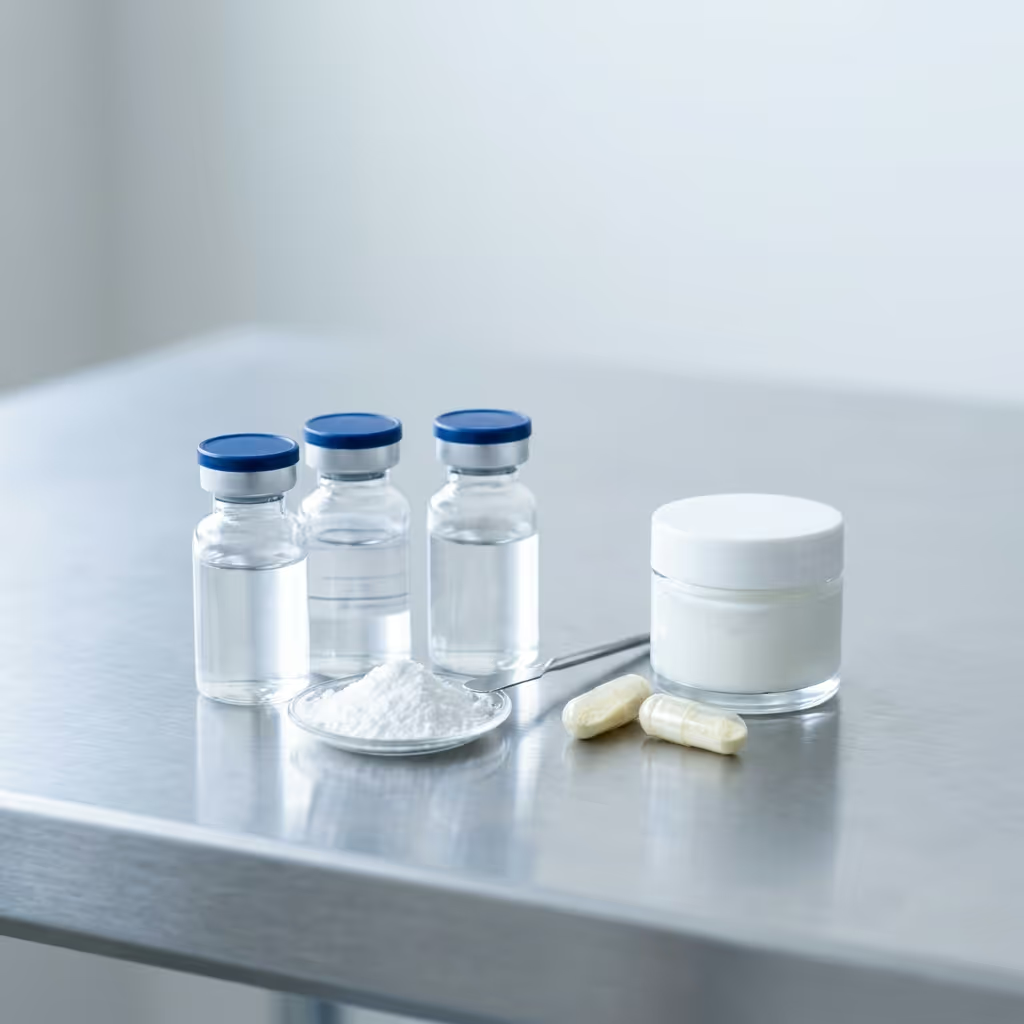
Three clear liquid vials, white powder on spoon, two capsules, and a cream jar on a metal surface.
QUALITY AND TESTING

Held to a higher standard

Every preparation is made under strict quality controls, and verified by a licensed pharmacist.
We use validated quality processes and third-party testing where appropriate
Sterile compounding in a dedicated USP <797> cleanroom
Non-sterile compounding under USP <795> and <800> standards
USP/NF-grade ingredients from reputable, vetted suppliers

Why patients choose Bayview

Made in our own pharmacy
Made to your prescription
Quality tested
Real pharmacist support
Trusted since 2006

Our formulations

Bladder instillations are compounded in the concentration and volume your urologist orders and dispensed in single-patient syringes. The preparations below are shown for reference; your urologist selects the preparation, concentration, and schedule.

Preparation Volume dispensed How it's used
Gentamicin intravesical irrigation 0.48 mg/mL60 mL syringeInstilled through a catheter, commonly at night, and held until the next void
Gentamicin intravesical irrigation 1.3 mg/mL60 mL syringeInstilled through a catheter, commonly at night, and held until the next void
Gentamicin intravesical irrigation 5.33 mg/mL30 mL syringeInstilled through a catheter, commonly at night, and held until the next void
Heparin 10,000 units / lidocaine 80 mg / sodium bicarbonate 1 mEq per 50 mL100 mL (two 50 mL doses)Instilled and held about 20–30 minutes, then voided
Custom concentration or volumeAs orderedAs your urologist directs

Directions are set by the prescriber; the descriptions above reflect commonly used regimens and are not treatment recommendations. Preparations are listed for education only and are not a statement that any concentration is better for a particular person. A valid prescription is required, and your urologist determines which preparation and schedule are appropriate. These are compounded medications and are not FDA-approved.

Start with a prescription
Prescribers: download order form ↓

Frequently asked questions

How is an instillation done, and who does it?

Instillation therapy is started by a urologist, and the first ones are usually done in the clinic so you can be taught the technique. Many people, or a caregiver, then self-administer at home. You empty your bladder, wash your hands, instill the medication slowly through the catheter using the technique you were shown, and hold it for the dwell time you were given before urinating normally.

What is the difference between the two preparations?

They are different medicines for different problems and are not interchangeable. Gentamicin intravesical irrigation puts a dilute antibiotic directly on the bladder lining and is used under urology direction to help reduce repeated urinary tract infections in complex or resistant cases. The heparin, lidocaine, and sodium bicarbonate instillation is a “rescue” preparation used for short-term relief during an interstitial cystitis or bladder pain flare.

How well does it work?

Being straightforward: short-term relief during a flare is real, but durable, lasting benefit is unproven. Most published studies of rescue instillations were open-label without a placebo group, and the AUA's 2022 guideline lists DMSO, heparin, and/or lidocaine as an Option, its weakest level of endorsement, with modest evidence grades.

The gentamicin evidence is also small: the most complete review pooled six studies and 166 patients. These instillations are not a treatment or a cure for interstitial cystitis.

What should I watch for from the lidocaine?

Lidocaine absorbed through an inflamed or raw bladder lining can cause body-wide effects. Watch for numbness or tingling around the mouth, ringing in the ears, dizziness, confusion, twitching, and, rarely, seizures or an irregular heartbeat, get emergency care if those happen. Stick to the prescribed dose, avoid other lidocaine products unless your prescriber says otherwise, and tell your prescriber about liver problems or heart rhythm medicines.

Can these syringes ever be injected?

Never. Your syringes are labeled “For intravesical/bladder instillation only, NOT for injection.” Heparin and gentamicin are also injectable medicines, which is exactly why this matters: these syringes go into the bladder through a catheter and must never be injected or given any other way. Each syringe is prepared for one patient, so do not share or reuse them.

How do I store the syringes?

Refrigerate them as directed on your label, and let one come to room temperature before instilling it, because cold fluid in the bladder is uncomfortable. Keep them in their packaging and out of the reach of children. Do not use a syringe that is cloudy, discolored, or leaking, or one past the beyond-use date printed on your label.

Do I need a prescription?

Yes. All of our medications require a valid prescription from a licensed provider. We're a dispensing and compounding pharmacy, so we don't provide consultations or write prescriptions. If you don't have one yet, you'll need to find and see a provider first.

What is compounding?

Compounding is the practice of preparing a medication tailored to an individual patient's prescription. Instead of a mass-produced product, a compounding pharmacy makes the medication to the specific strength, form, or combination your provider orders.

Are compounded medications FDA-approved?

Compounded medications are not FDA-approved. They're prepared by a licensed pharmacy pursuant to a valid prescription for an individual patient, under USP standards. The FDA does not review compounded medications for safety or effectiveness.

How do providers send a prescription to Bayview?

Providers can submit a prescription three ways:

  • E-prescribe: Search Bayview Pharmacy, Warwick, RI (NCPDP 4106882) in your EHR. For compounds, use the compound, custom, or free-text option and include the full formulation, strength, quantity, refills, and directions.
  • Fax: Send a signed order to 401-284-4506 (alt. 401-210-2757) with patient and prescriber details, medication, quantity, refills, directions, signature, and date.
  • Phone: Call 401-284-4505 to submit, clarify, or coordinate refills.

A valid prescription is required, and compounded medications are not FDA-approved.

Can you fill a prescription from my own provider?

Yes. Your provider can send your prescription to Bayview Pharmacy by e-prescribe, fax, or phone, or you can transfer an existing prescription from another pharmacy. Start a request and we'll guide you through it.

How does shipping work?

Once your prescription is verified, we prepare your medication and ship it discreetly in plain packaging either via UPS or USPS. A pharmacy technician confirms the details with you before it goes out, and we're available if you have any questions.

How do refills and automatic refills work?

Refills are coordinated with your prescriber and your prescription. You can request a refill through our website or by calling us, and we'll handle the rest as long as you have refills remaining on a valid prescription. You can also opt into automatic refills on non-controlled substances, with no need to worry about running out of your medication. We can either ship it to you automatically, or ready for pickup.

Shipping & Delivery

Every prescription ships directly to your door in discreet packaging. Refrigerated medications travel in insulated coolers with ice packs to stay cold in transit.

Delivery AreaStandard ShippingRefrigerated Shipping
Rhode Island, Massachusetts & Connecticut$9 USPS$20 UPS
New Hampshire, New Jersey & New York$15 UPS$40 UPS Next Day Air
Florida$15 UPS$80 UPS Next Day Air

Need it faster? Expedited UPS is $15 for Rhode Island, Massachusetts and Connecticut. Your pharmacist will let you know if your medication needs refrigerated shipping. Questions? Call us at (401) 284-4505.

References

Sources reviewed

The medical information on this page draws on the following sources, which are also linked where cited.

  1. American Urological Association. Diagnosis and Treatment of Interstitial Cystitis/Bladder Pain Syndrome (2022).
  2. American Urological Association, CUA and SUFU. Recurrent Uncomplicated Urinary Tract Infections in Women (2025).
  3. DailyMed. RIMSO-50 (dimethyl sulfoxide) irrigant label.
  4. National Institute of Diabetes and Digestive and Kidney Diseases. Treatment for Interstitial Cystitis.
  5. Rutherford G, et al. Intravesical gentamicin treatment for recurrent urinary tract infections: A systematic review over the last two decades. Journal of Clinical Urology.
  6. Cvach K, Rosamilia A. Review of intravesical therapies for bladder pain syndrome/interstitial cystitis. Transl Androl Urol. 2015.

Important safety information

Important safety information

Compounded bladder instillations are prescription medications and are not FDA-approved. Intravesical gentamicin and heparin/lidocaine/sodium bicarbonate instillations are used off-label; DMSO 50% is the only FDA-approved intravesical medication for interstitial cystitis. Use these preparations only as prescribed and under the care of a urologist.

For bladder instillation only:

  • These syringes are labeled “For intravesical/bladder instillation only — NOT for injection.” Never inject them or give them any other way.

Do not use these instillations if you:

  • Are allergic to gentamicin or other aminoglycoside antibiotics (gentamicin instillation), or to lidocaine or other amide anesthetics (rescue instillation).
  • Have hearing loss or balance problems caused by a previous aminoglycoside antibiotic.
  • Have an active kidney infection, which needs whole-body antibiotic treatment rather than an instillation.
  • Cannot be catheterized safely.

Warnings and precautions:

  • More gentamicin can be absorbed into the bloodstream if the bladder lining is damaged or inflamed, if the bladder was rebuilt using bowel tissue, if there is blood in the urine, after recent instrumentation, or if kidney function is reduced. Your urologist may check blood gentamicin levels and kidney function in those situations.
  • Repeated antibiotic instillation can encourage resistant bacteria or yeast overgrowth.
  • Lidocaine absorbed from an inflamed or raw bladder lining can cause body-wide effects. Do not exceed the prescribed dose and do not use other lidocaine products at the same time without your prescriber's direction. Use caution with liver problems or with certain heart rhythm medications.
  • Heparin acts locally, but tell your urologist if you have active bleeding in the urine or a history of heparin-induced thrombocytopenia.
  • Catheterization itself can cause urethral injury, burning with urination, temporary blood in the urine, infection, and, with long-term use, narrowing of the urethra.

Common side effects:

  • Burning or discomfort with the instillation, urgency, temporary pink-tinged urine, and mild irritation for a short time afterward.

Get emergency care right away for signs of too much lidocaine, such as:

  • Numbness or tingling around the mouth, a metallic taste, ringing in the ears, dizziness, blurred vision, confusion, drowsiness, twitching, seizures, or an irregular or slow heartbeat.
  • Signs of a serious allergic reaction such as rash, swelling, or trouble breathing.

Also contact your urologist for:

  • Fever, chills, or flank pain; heavy or persistent blood in the urine; inability to urinate; new hearing changes or ringing in the ears; or pain that does not settle after an instillation.

Storage:

Refrigerate as directed on the label and let the syringe come to room temperature before instilling. Keep syringes in their packaging, out of the reach of children, and do not share them. Do not use a syringe that is cloudy, discolored, or past the beyond-use date printed on the label. Discard unused medication as directed by your pharmacist.

This is a compounded prescription medication and is not approved by the FDA. Use it only under the supervision of a licensed provider, exactly as prescribed. Do not adjust your dose without talking to your prescriber. Seek emergency care for any severe or unexpected reaction. This information is not complete; talk to your provider about your full medical history and all medications you take.

Ready to get started?

Send us your prescription and a Bayview pharmacist will take it from there.