



Melasma and dark spots are forms of hyperpigmentation, areas of skin that are darker than your natural tone. Melasma usually appears as larger patches on the cheeks, forehead, and upper lip, while post-inflammatory hyperpigmentation (PIH) and other dark spots often follow acne, injury, or sun exposure. It is very common, tends to be more frequent and more stubborn in people with more melanin in their skin, and it can persist for a long time. If flushing or overall facial redness is your main concern rather than brown patches, that may be rosacea, a different condition with its own treatments.
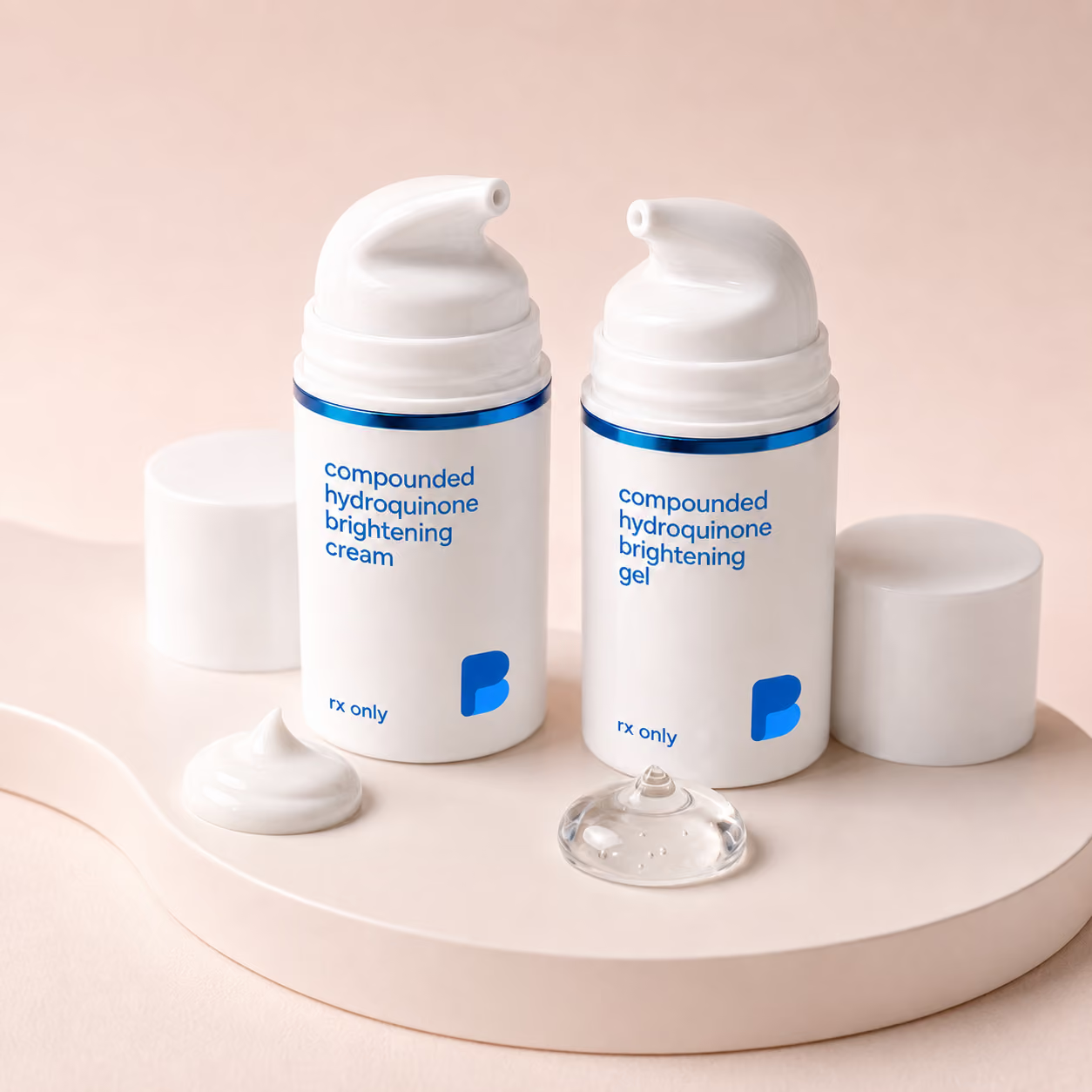
Bayview Pharmacy prepares compounded, prescription-only brightening formulas that a provider can use as part of care for melasma and dark spots, tailored to the patient and to how stubborn the pigment is. Bayview compounds this as part of our dermatology compounding line.
Why does melasma happen?
Pigment (melanin) is produced by cells in the skin, and in melasma those cells become overactive. The biggest triggers are sun exposure and hormones, which is why melasma is common during pregnancy and with hormonal changes, alongside genetics and skin inflammation. Because sunlight keeps the process going, daily sun protection is central to any treatment plan.
Since the cause is ongoing, treatment works by calming pigment production and fading existing patches over time rather than curing it. You can read more about the condition from the American Academy of Dermatology.
How Bayview treats melasma and dark spots
Most of our formulas combine several brightening actives that each target pigment in a different way. Hydroquinone gradually and reversibly lightens pigment by slowing its production (DailyMed, hydroquinone). From there, we compound in targeted ingredients chosen for the patient and the pigment.
Formulas can pair hydroquinone with kojic acid and tranexamic acid to interrupt other steps in the pigment pathway, with niacinamide and azelaic acid to calm and even tone, and, at the highest strength, with tretinoin to speed cell turnover, the same retinoid behind our wrinkle & fine line formulas. For those who prefer to avoid hydroquinone, we also compound a hydroquinone-free option built on tranexamic and azelaic acid.
Our melasma lineup
Five compounded brightening formulas, from a hydroquinone-free option to maximum strength, matched to how stubborn the pigment is.
Compare the formulasWhy a personalized, compounded approach?
Off-the-shelf brighteners come in limited strengths and usually a single ingredient. Compounding lets a licensed pharmacy combine several actives into one cream, adjust the concentration, and offer options that are not available off the shelf, including a hydroquinone-free formula for people who need one. That means your provider can match the formula to your skin, your history, and how stubborn the pigment is rather than a one-size product. As a 503A compounding pharmacy, Bayview prepares each order in small batches under USP <795> standards using quality ingredients. Related dermatology preparations include Wrinkles & Fine Lines, Rosacea & Redness, Acne, and BLT Numbing Cream. The full list is in our compounded medications catalog.
What to expect
Pigment fades gradually. Many people notice changes over roughly 8 to 12 weeks of consistent nightly use paired with daily sunscreen, and some dryness or mild irritation is common early on. Broad-spectrum SPF every day is essential, because sun exposure reactivates pigment and can undo your progress. Results vary from person to person, hydroquinone is typically used in defined courses, and your provider may adjust your formula over time.
What to know before you start
Which of these apply depends on which formula your provider chooses.
- Daily broad-spectrum sunscreen is part of the treatment, not an optional extra. Sunlight drives the pigment production these formulas work against, so without it you are treating a process you are still feeding.
- Hydroquinone is used in defined courses rather than indefinitely. Long uninterrupted use carries a rare risk of a darkening reaction called exogenous ochronosis, which is why your provider sets a stopping point.
- Tell your provider if you are sensitive to sulfites. Some formulas contain them.
- Formulas containing hydroquinone or tretinoin should not be used in pregnancy or while breastfeeding. This comes up often with melasma, since pregnancy is one of its common triggers. Tell your provider if this applies to you or changes during treatment.
How do I get started?
Because these are prescription formulas, a licensed provider decides whether treatment is appropriate and chooses the formula and strength for you. Bayview Pharmacy does not provide consultations or determine appropriateness, and a valid prescription is required. Once you have a prescription, your provider can order through Bayview, and a pharmacist is available if you have questions.
Clinical details for prescribers
Mechanisms. These preparations combine tyrosinase inhibitors with agents acting on other steps of melanogenesis:
- Hydroquinone, reversible depigmentation via inhibition of tyrosinase-mediated oxidation of tyrosine to DOPA (DailyMed)
- Tranexamic acid, anti-melanogenic and anti-angiogenic effects through plasmin inhibition (review)
- Niacinamide, reduces melanosome transfer
- Azelaic and ascorbic acid, adjunctive tyrosinase inhibition and antioxidant effect
- Tretinoin (highest tier), accelerates epidermal turnover (MedlinePlus)
- Hydrocortisone (low-dose), mitigates irritant effect
Counseling points:
- Strict photoprotection, daily broad-spectrum SPF
- Finite hydroquinone courses given the rare risk of exogenous ochronosis
- Sulfite sensitivity where applicable
- Avoid hydroquinone- and tretinoin-containing formulas in pregnancy or lactation
Full formula options and safety information appear elsewhere on this page. Account setup, licensing, and ordering are covered on our for providers page.
This information is about a skin condition and its treatment options and is not medical advice. Compounded medications are prescription-only and are not FDA-approved. Your provider determines whether treatment is appropriate and sets the formulation and dose.