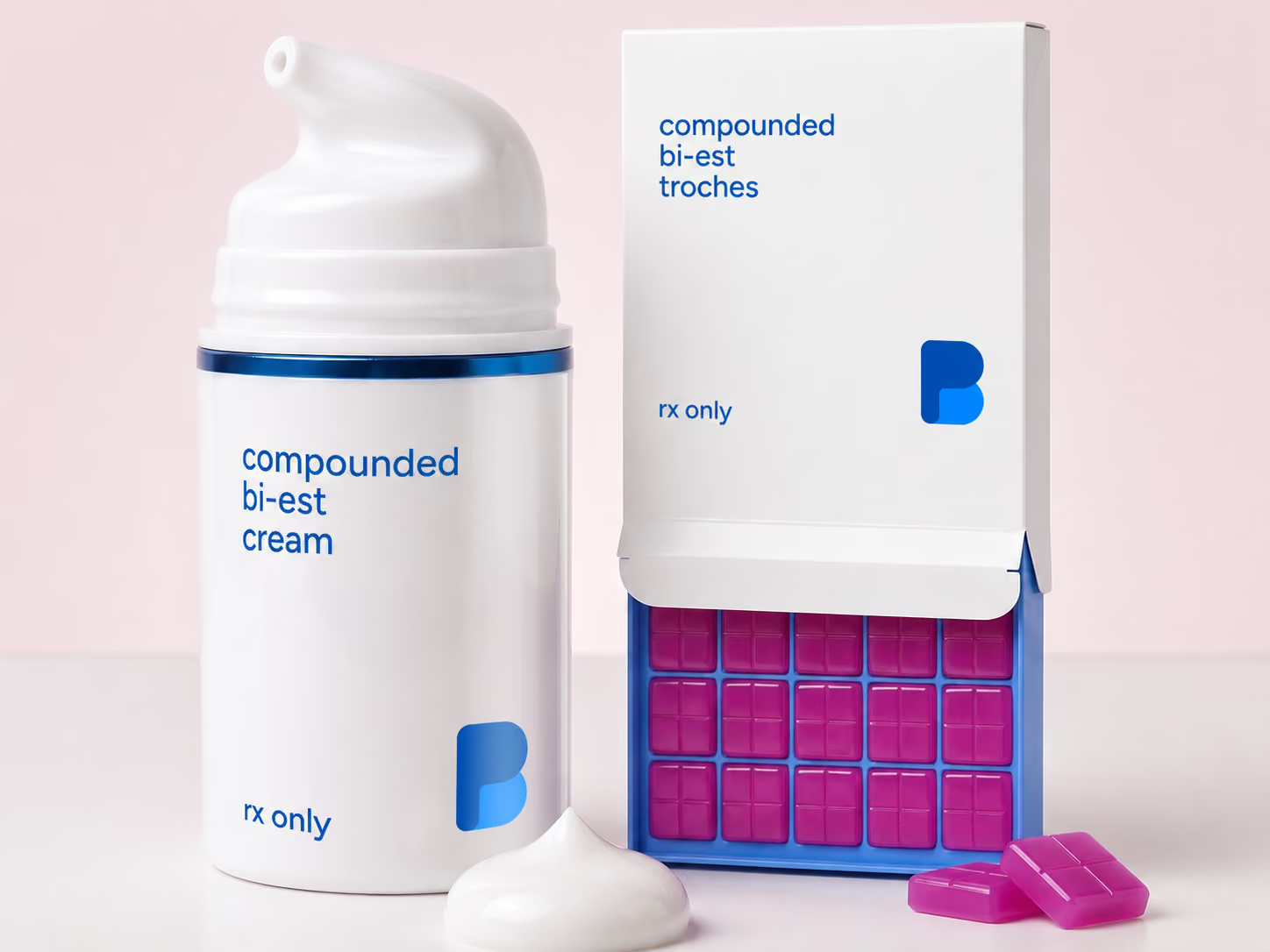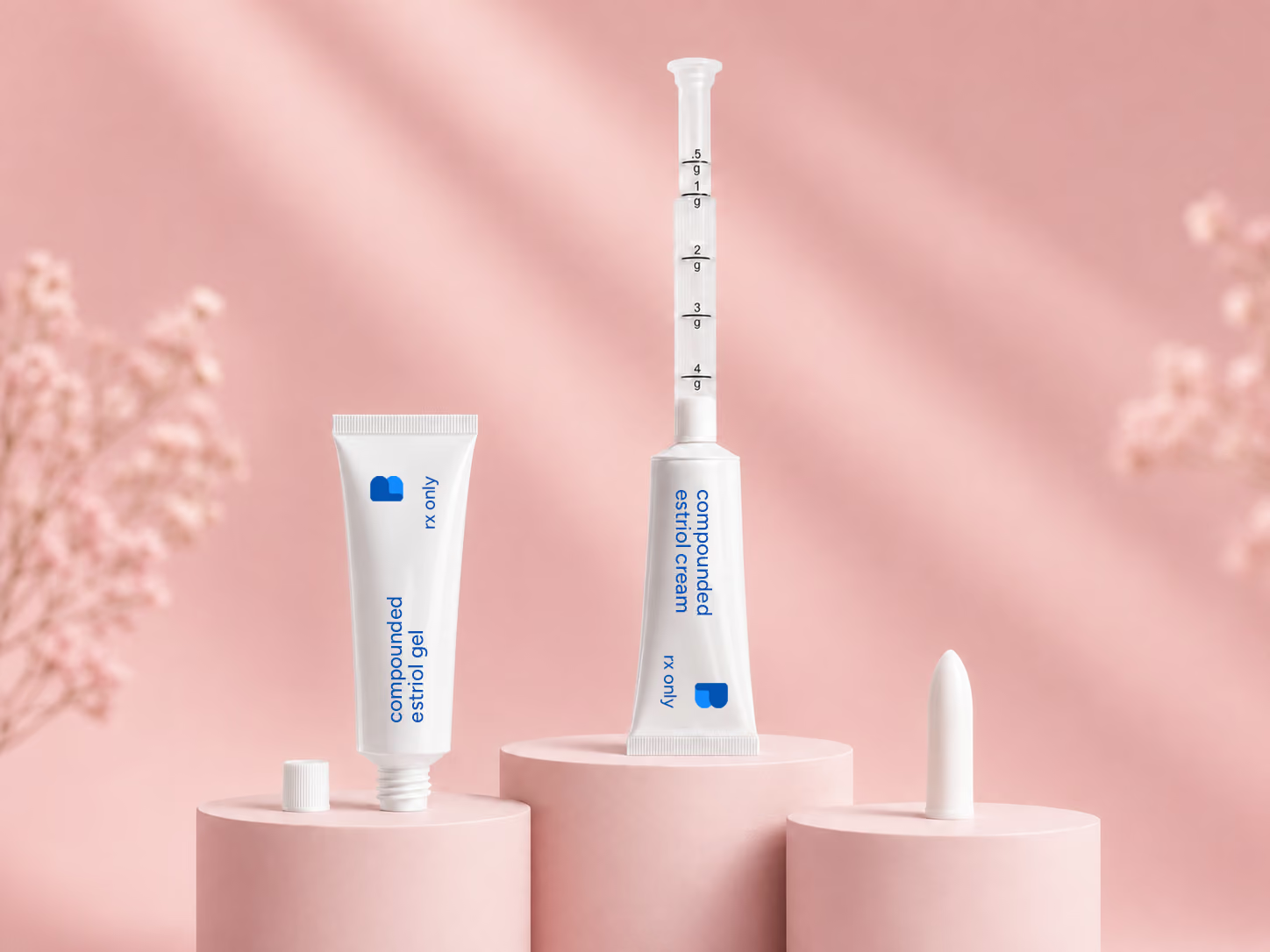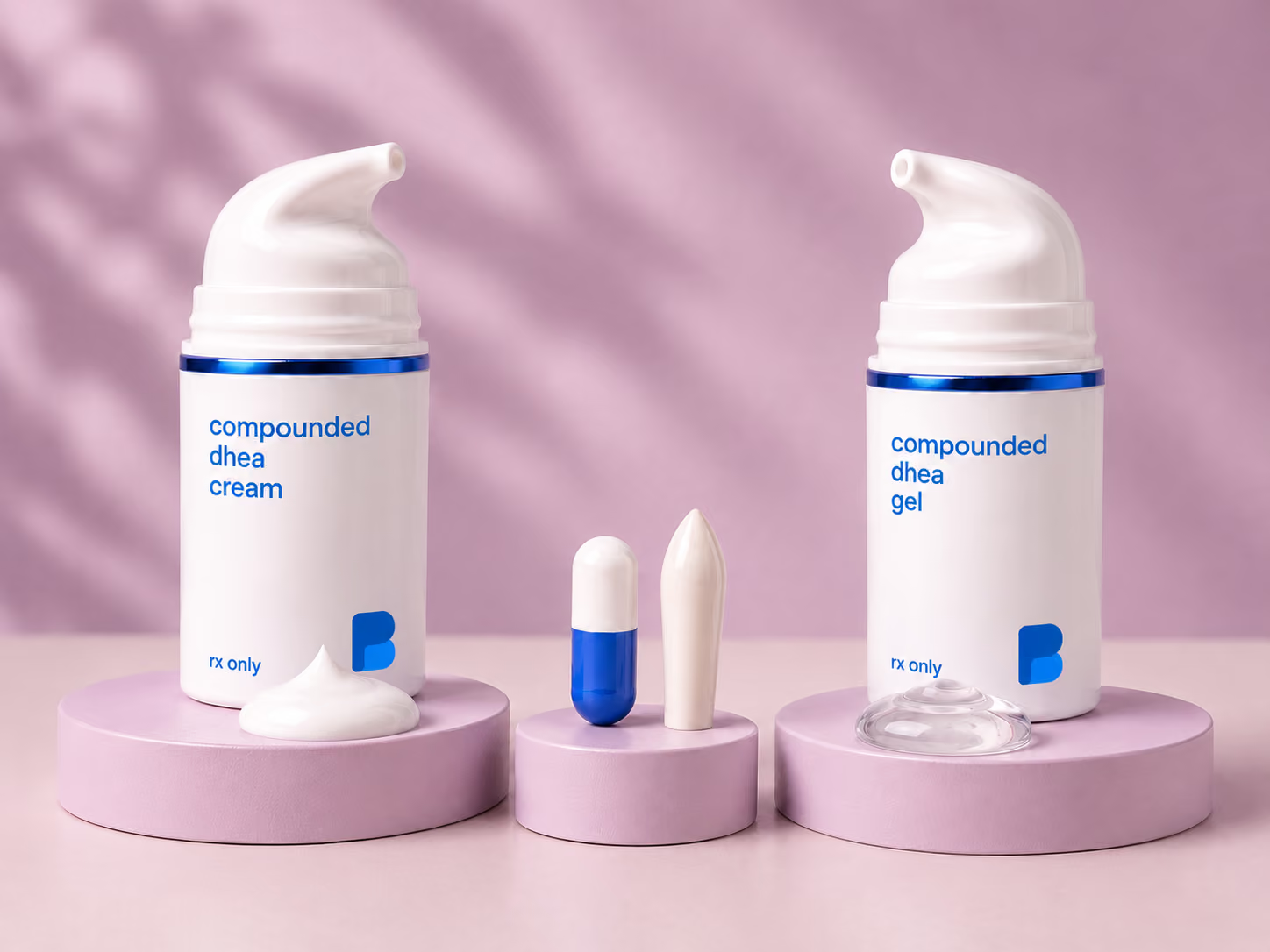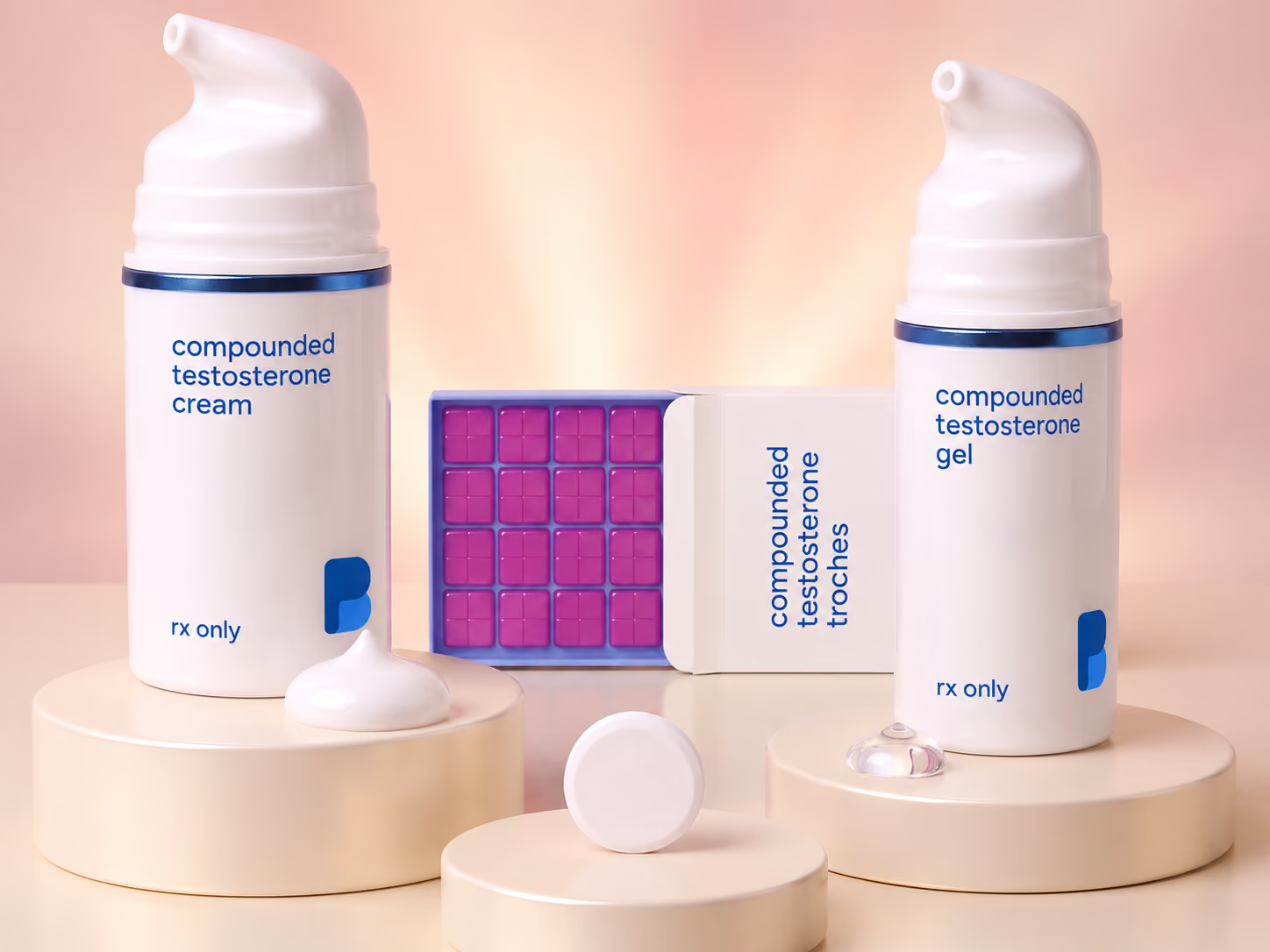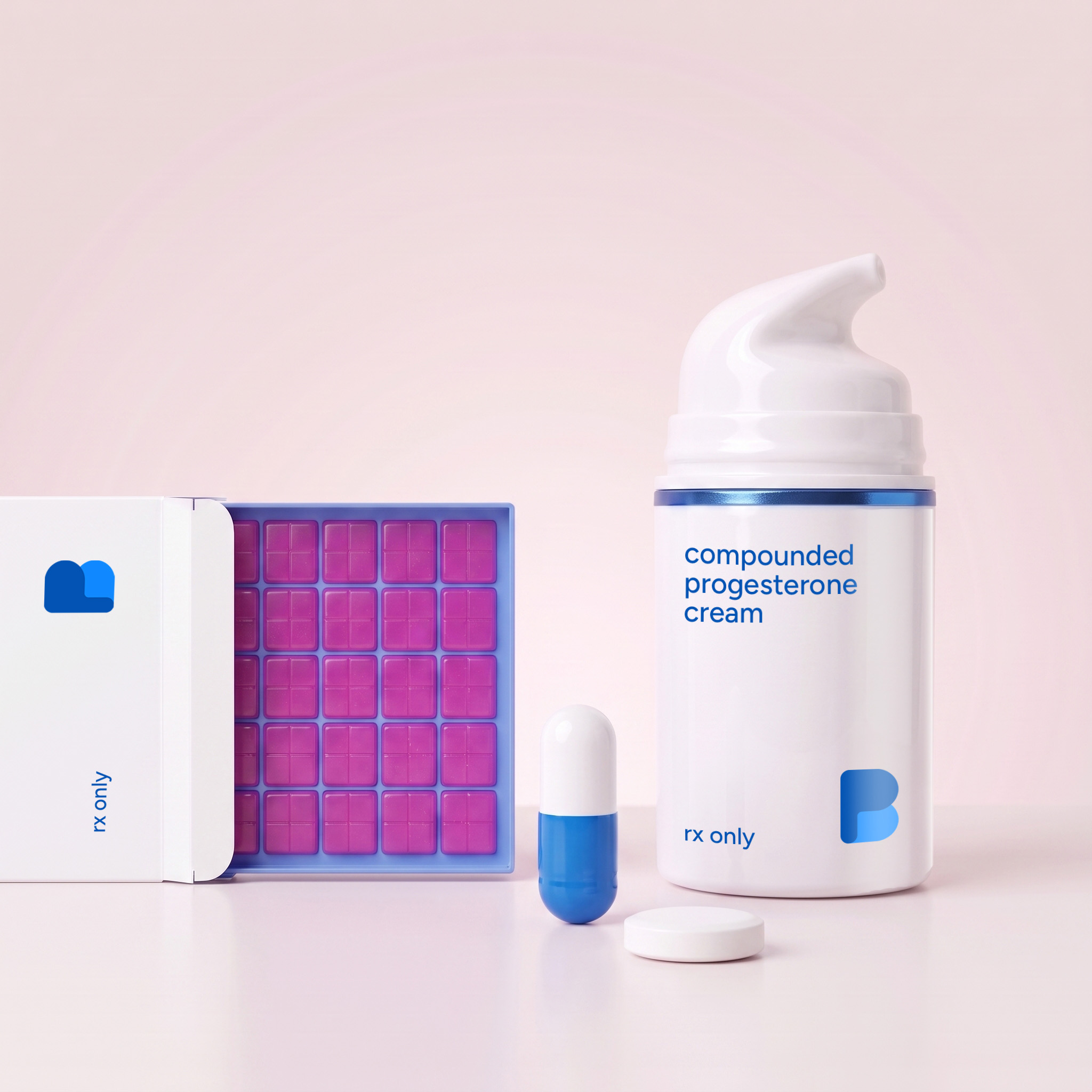





Progesterone is a compounded, prescription-only hormone preparation of progesterone, a hormone the body makes naturally in the ovaries and, during pregnancy, the placenta. It is prepared by a licensed pharmacy to the strength and form your provider orders rather than mass-produced, and it is available in several forms, including a topical cream, an anhydrous topical gel, slow-release oral capsules, a troche (a lozenge that dissolves in the mouth), and a rapid-dissolve tablet.
Providers most often use progesterone as part of menopausal hormone therapy, frequently paired with an estrogen such as Bi-Est to protect the lining of the uterus. Only a licensed provider can decide whether it is appropriate for an individual. Bayview compounds this as part of our hormone replacement therapy compounding line.
How does it work?
Progesterone is one of the body's main reproductive hormones. It works on the lining of the uterus (the endometrium) and other tissues, and it naturally balances the effect of estrogen during the menstrual cycle (StatPearls, physiology of progesterone). In hormone therapy, two ideas matter:
- Endometrial protection: when estrogen is given to someone who still has a uterus, progesterone is added to counter estrogen's effect on the uterine lining and lower the risk of endometrial (uterine) cancer (MedlinePlus, progesterone).
- Micronized progesterone: the progesterone used in compounding is micronized (milled to a very fine particle size) so the body can absorb it, and it is chemically identical to the progesterone the body produces.
Your provider chooses the strength, form, and schedule, including whether it is taken on certain days of the month or every day.
What is it used for?
Providers may prescribe progesterone as part of menopausal hormone therapy, most commonly alongside an estrogen to protect the uterine lining, and sometimes on its own when a provider determines it is appropriate. The role of a progestogen within hormone therapy is described in the Menopause Society 2022 Hormone Therapy Position Statement. Only a licensed provider can decide whether this formulation is right for an individual; Bayview Pharmacy does not provide consultations or determine appropriateness, and a valid prescription is required.
How do the forms compare?
Progesterone is compounded in several forms that differ mainly in how they are taken. The table below describes those differences for education only.
| Form | How it's taken | Notes |
|---|---|---|
| Slow-release oral capsule | Swallowed, usually at bedtime | The oral route most studied for endometrial protection in hormone therapy |
| Troche | Dissolved in the mouth | Absorbed through the lining of the mouth |
| Rapid-dissolve tablet | Dissolves quickly in the mouth | A fast-dissolving oral option |
| Topical cream | Applied to the skin | Absorbed through the skin |
| Topical gel (anhydrous) | Applied to the skin | A water-free base applied to the skin |
Differences in form and route are described for education only and are not a statement that any option is better, stronger, or more effective. Notably, forms are absorbed differently, and your provider determines which form and dose are appropriate for you, particularly when progesterone is used to protect the uterine lining.
How is it used?
Progesterone is used following the exact form, technique, schedule, and dose set by your prescriber, who establishes your starting dose and any adjustments. Capsules, troches, and tablets are taken by mouth as directed (oral capsules are often taken at bedtime because progesterone can cause drowsiness); creams and gels are applied to the skin as directed. If progesterone is prescribed to protect your uterine lining, take it exactly as directed and do not stop on your own, because doing so can affect that protection. If you are unsure about how to use it or about your dosing, contact your prescriber, and a Bayview pharmacist is available if you have questions about your prescription.
Side effects & safety
As with any medication, side effects are possible. Reported effects of progesterone can include drowsiness or dizziness, breast tenderness, headache, mood changes, bloating, and spotting or breakthrough bleeding. Because it can cause drowsiness, oral progesterone is often taken at bedtime; do not drive or operate machinery until you know how it affects you.
Seek immediate medical care for signs of a serious problem such as chest pain, shortness of breath, a severe headache, sudden vision changes, weakness or numbness on one side of the body, or pain and swelling in a leg. Contact your provider promptly for unusual vaginal bleeding, a breast lump, or any reaction that concerns you.
Who should not use it?
Progesterone is not appropriate for everyone. It is generally avoided in people with unexplained vaginal bleeding, a history of certain hormone-sensitive cancers (such as breast cancer), a history of blood clots or stroke, active liver disease, known or suspected pregnancy (unless a provider directs otherwise), or a known sensitivity to the ingredients. Tell your provider about your full medical history and all medications you take so they can determine whether this formulation is appropriate for you.
How should it be stored?
Store exactly as directed on your label, away from heat, light, and moisture. Keep it out of the reach of children and others in the home, and avoid skin contact with topical forms by anyone the medication is not prescribed for. Do not use it after its expiration or beyond-use date.
Why is this compounded?
Compounding lets a licensed pharmacy tailor the strength and dosage form of progesterone to an individual prescription, for example, preparing it as a slow-release capsule, a troche, a rapid-dissolve tablet, a cream, or an anhydrous gel, at the strength a provider orders. This can matter when a manufactured product isn't available in the needed form or strength, or when an ingredient in a manufactured product (for example, the peanut oil used in some progesterone capsules) needs to be avoided. As a 503A compounding pharmacy, Bayview Pharmacy prepares each order in small batches under USP <795> standards using quality ingredients. Compounded preparations are not FDA-approved. Related hormone preparations include Bi-Est / Progesterone, Bi-Est, Vaginal Estriol, and DHEA (Women). The full list is in our compounded medications catalog.
Clinical details for prescribers
Formulation. Micronized progesterone (bioidentical to endogenous progesterone) compounded across oral slow-release capsules (100 mg, 200 mg), buccal/sublingual troches (100 mg; wettable 200 mg), rapid-dissolve tablets (50 mg, 100 mg), and transdermal cream and anhydrous gel (10 to 100 mg/g). Strengths per the strengths table on this page.
Clinical role. Progestogen opposition of estrogen for endometrial protection in patients with an intact uterus, and other provider-directed uses. Oral micronized progesterone is the route with the most evidence for endometrial protection; transdermal delivery yields lower and more variable serum levels, so route selection matters when the goal is endometrial protection. Individualize per the Menopause Society 2022 statement.
Counseling points:
- Sedation is common with oral dosing, take at bedtime; caution with driving
- Do not discontinue unsupervised when used for endometrial protection
- Report unscheduled bleeding for evaluation
- Compounded preparations can avoid peanut-oil excipient present in some commercial capsules
Often prescribed alongside Bi-Est; combination estrogen/progesterone preparations are also available. Background: progesterone monograph. Account setup, licensing, and ordering are covered on our for providers page.
This is a prescription-only compounded medication and is not FDA-approved. This information is educational and is not medical advice. Your provider determines whether it is appropriate and sets the formulation and dose.