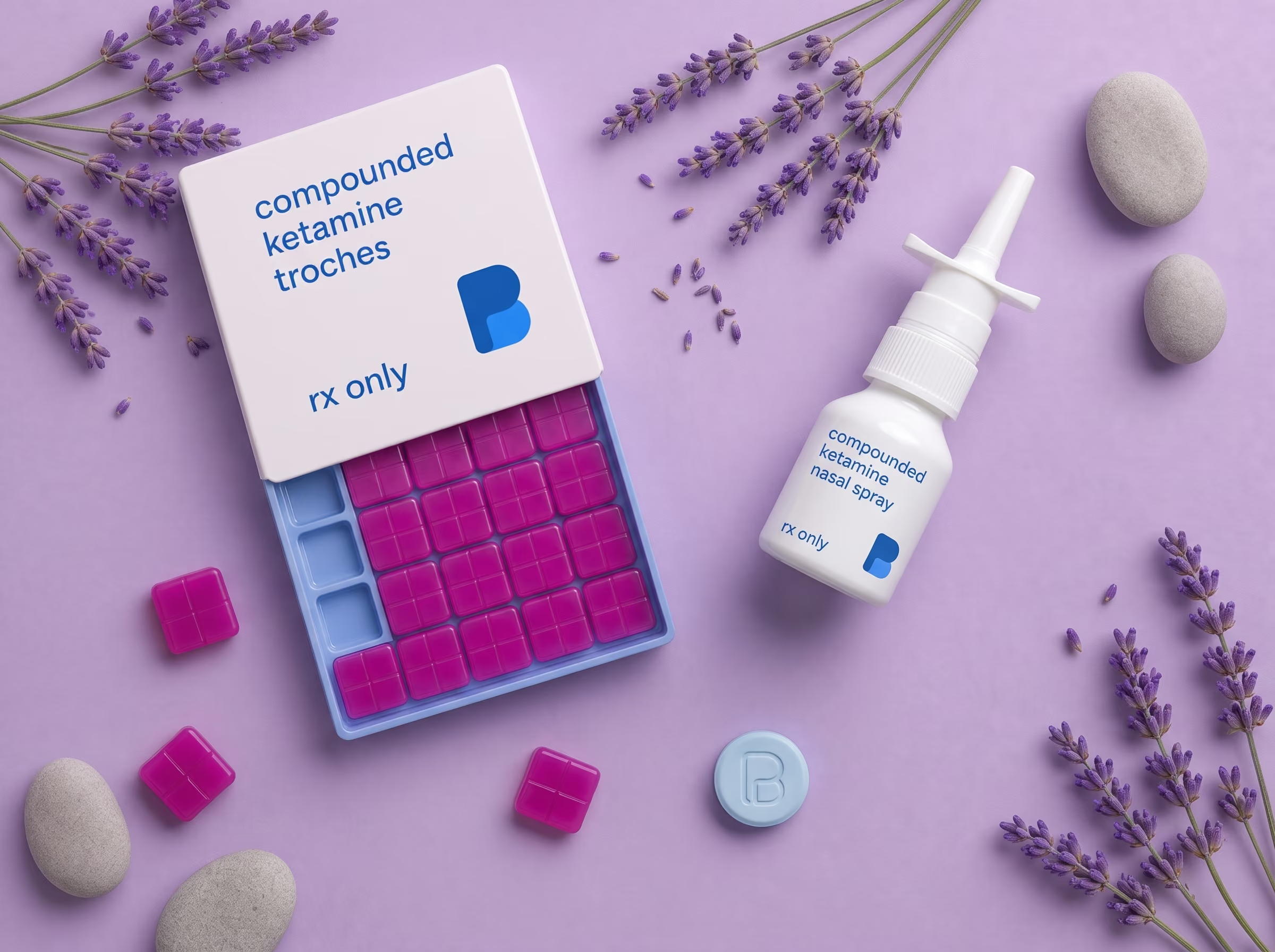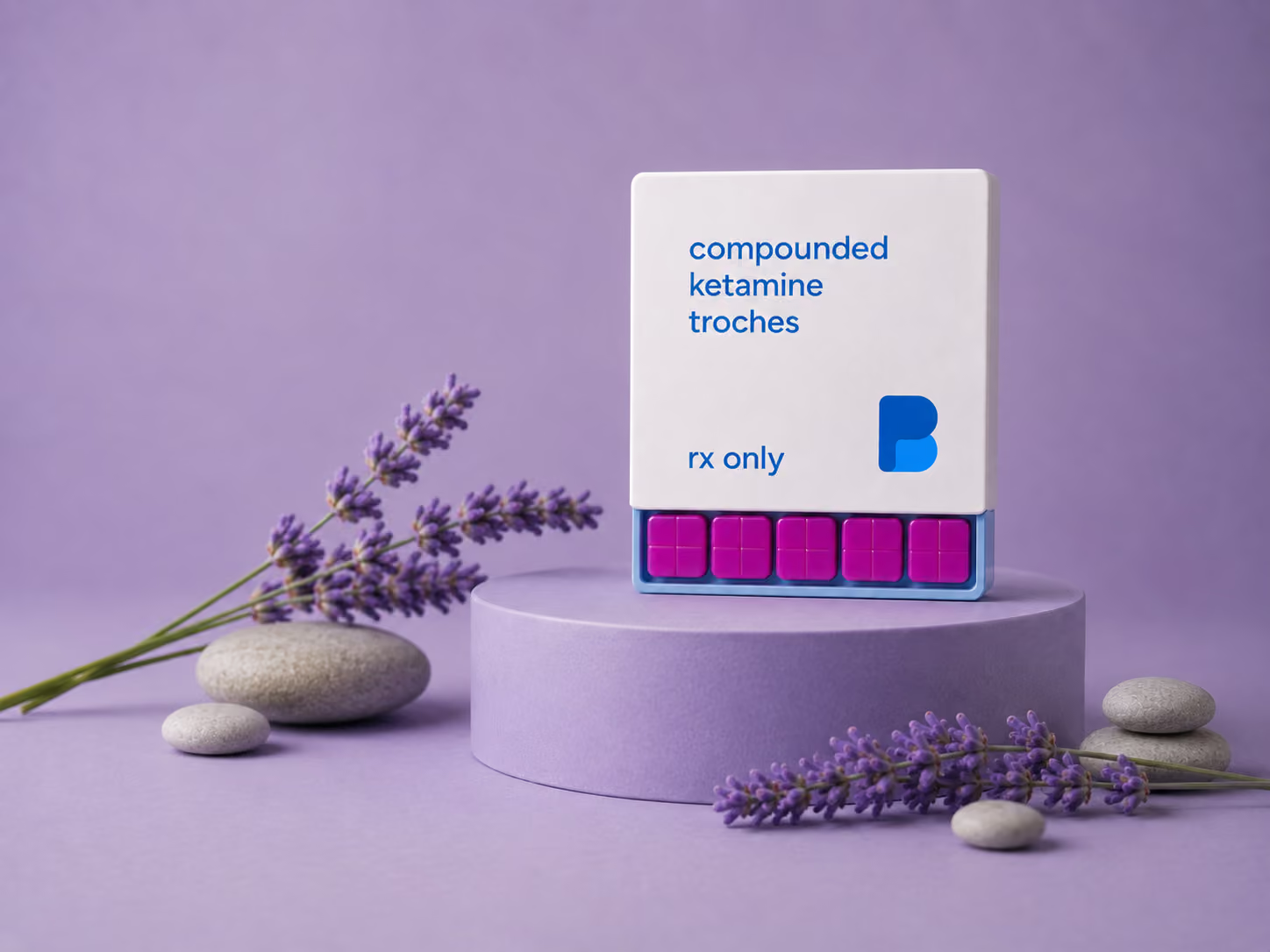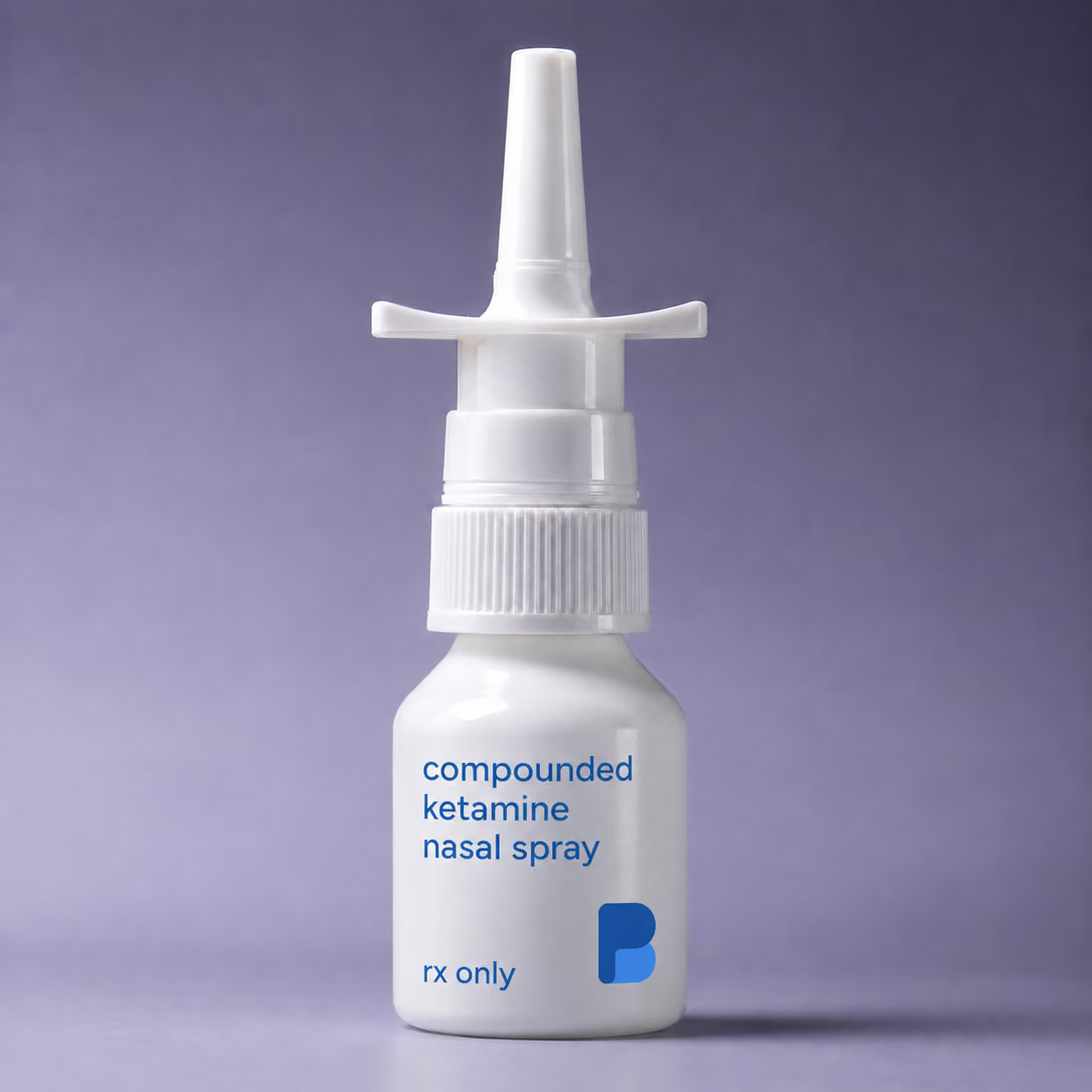





Ketamine nasal spray is a compounded, prescription medication used off-label, under a prescriber's supervision, for treatment-resistant depression and related mood conditions. Ketamine is an NMDA-receptor antagonist. It acts on the brain's glutamate signaling in a way that is different from SSRIs and other standard antidepressants. It is prepared by a licensed pharmacy to the concentration your provider orders rather than mass-produced.
Ketamine taken as an injection is an FDA-approved anesthetic, and an intranasal form of its S-enantiomer, esketamine (Spravato), is FDA-approved for treatment-resistant depression and given in a certified healthcare setting. There is no FDA-approved compounded ketamine nasal spray. This preparation is available only through compounding and is used off-label. Ketamine is a Schedule III controlled substance and requires an electronic controlled-substance prescription.
How does it work?
Most antidepressants act on serotonin, norepinephrine, or dopamine and can take weeks to help. Ketamine works on a different system: it blocks the NMDA glutamate receptor, which appears to trigger a cascade of changes in synaptic signaling and connectivity in the brain (StatPearls, Ketamine).
That difference is why prescribers consider ketamine when several standard antidepressants have not worked, a situation clinicians call treatment-resistant depression, and why effects may appear over hours to days for some patients rather than weeks. Delivered as a nasal spray, ketamine is absorbed across the lining of the nose without an injection or IV line.
What is it used for?
Providers prescribe compounded ketamine nasal spray off-label, most often for treatment-resistant depression, and sometimes for related mood conditions, as part of a supervised treatment plan. The strongest evidence for ketamine in depression comes from clinician-administered intravenous ketamine and from FDA-approved intranasal esketamine. Evidence for compounded nasal, oral, and sublingual forms is growing but more limited (Swainson et al., Front Psychiatry 2022).
Only a licensed provider can decide whether this formulation is right for a person. Bayview Pharmacy does not provide medical consultations or determine whether ketamine treatment is appropriate. A valid prescription is required.
Used within a supervised plan
Compounded ketamine is prescribed as part of a structured treatment plan that may include medical and psychiatric screening, individualized dosing instructions, monitoring, and follow-up. Your prescriber will determine whether treatment is appropriate, where each dose should be taken, and what monitoring or support is needed.
Depending on your prescriber's treatment plan, ketamine may be prepared in different customized dosage forms. Learn more about our compounded ketamine nasal spray and compounded ketamine rapid dissolve tablets.
How does it compare to other treatments?
Ketamine is delivered for mood conditions in several ways. These options differ in medication form, FDA status, route of administration, and treatment setting. The table below is provided for education only.
| Option | What it is | Notes |
|---|---|---|
| Compounded ketamine nasal spray | Racemic ketamine administered intranasally | Compounded only; used off-label within a prescriber-supervised treatment plan |
| Compounded ketamine rapid dissolve tablets | Racemic ketamine prepared as a rapidly dissolving tablet | Compounded only; used off-label according to individualized prescriber directions |
| Esketamine (Spravato) | S-enantiomer of ketamine administered intranasally | FDA-approved for treatment-resistant depression and administered in a certified healthcare setting under a REMS program |
| Intravenous ketamine | Racemic ketamine administered intravenously | Clinician-administered in a monitored setting and the most extensively studied racemic ketamine route for depression |
These options are described for education only and are not a statement that any one option is better, stronger, safer, or more effective. Your provider selects the medication, formulation, route, dose, treatment setting, and monitoring plan that are appropriate for you.
How is it used?
Ketamine nasal spray is used according to the exact concentration, number of sprays, schedule, and treatment setting established by your prescriber. A common direction may be one spray in each nostril, but your directions may be different.
Prime the bottle if directed, remain seated while administering the dose, and follow your prescriber's instructions regarding observation or monitoring. Do not drive, operate machinery, or perform activities requiring full alertness until the effects have completely worn off. Never increase the dose, use it more frequently than prescribed, or stop treatment without speaking with your provider.
Side effects & safety
Common short-term effects include dissociation, which may feel like detachment from your body or surroundings, dizziness, drowsiness, nausea, and a temporary increase in blood pressure. Nasal administration may also cause local irritation. Long-term or heavy ketamine use has been associated with bladder and urinary symptoms (StatPearls, Ketamine).
Tell your provider about heart or blood-pressure conditions, substance-use history, psychiatric conditions, bladder problems, and all prescription medications, over-the-counter medications, and supplements you use.
Seek emergency care for chest pain, trouble breathing, severe confusion, loss of consciousness, or symptoms of a serious allergic reaction. If you are in crisis or thinking about harming yourself, call or text 988 for the Suicide & Crisis Lifeline or seek emergency care.
Who should not use it?
Ketamine nasal spray is not appropriate for everyone. It should not be used by people who are allergic to ketamine. It may require additional caution or may not be appropriate for people with uncontrolled high blood pressure, certain heart or blood-vessel conditions, a history of substance misuse, certain psychiatric conditions, or bladder problems.
Tell your provider if you are pregnant, planning to become pregnant, or breastfeeding. Your provider should review your complete medical history and medication list before determining whether compounded ketamine is appropriate.
How should it be stored?
Ketamine is a Schedule III controlled substance. Store it according to the instructions on the prescription label, secured and out of reach of children, teenagers, visitors, and anyone for whom it was not prescribed.
Never share ketamine with another person. Take only the prescribed amount, keep track of your medication supply, and follow your pharmacist's instructions for disposing of unused or expired medication.
Why is this compounded?
There is no FDA-approved racemic ketamine nasal spray for psychiatric treatment. Compounding allows a licensed pharmacy to prepare intranasal ketamine at the concentration and quantity specified by an authorized prescriber.
As a 503A compounding pharmacy, Bayview Pharmacy prepares each prescription for an individually identified patient using quality ingredients and applicable compounding standards. Compounded preparations are not reviewed or approved by the FDA. The same active is compounded in other dosage forms: Ketamine Rapid Dissolve Tablets and Ketamine Troche. The full list is in our compounded medications catalog.
Explore ketamine dosage forms
Learn more about the compounded ketamine formulations available from Bayview Pharmacy:
Clinical details for prescribers
Regulatory status. Ketamine is a Schedule III controlled substance. Racemic ketamine is FDA-approved as an anesthetic. Intranasal esketamine (Spravato) is FDA-approved for treatment-resistant depression under a REMS. No compounded ketamine product is FDA-approved for a psychiatric indication, and the FDA has issued safety communications concerning compounded ketamine, including compounded nasal spray and at-home use without appropriate monitoring.
Formulations and common strengths. Compounded intranasal ketamine may be prepared in concentrations such as 10 mg/mL, 50 mg/mL, and 100 mg/mL. A ketamine 25 mg/mL and lidocaine HCl 4% combination may also be prescribed. Concentration, volume per spray, frequency, quantity, treatment setting, and monitoring are prescriber-directed.
Additional compounded dosage-form information is available on the ketamine nasal spray and ketamine rapid dissolve tablet formulation pages.
Evidence base. Relevant literature includes intranasal esketamine (P&T 2019), racemic ketamine randomized controlled data (KADS, British Journal of Psychiatry 2023), and reports involving off-label sublingual or at-home use (Frontiers in Psychiatry 2022).
EPCS and prescribing points:
- Under Rhode Island law §21-28-3.18, Schedule II through V prescriptions must be signed and transmitted electronically through EPCS.
- Select Ketamine bulk powder as the controlled medication so the EPCS signature validates. Do not select the brand name Ketalar.
- Include the prescribed formulation and concentration, complete directions, an appropriate diagnosis code, the quantity of dosage units, and authorized refills.
- Counsel patients regarding dissociation, sedation, driving restrictions, secure storage, misuse risk, and the prescribed setting and monitoring requirements.
Bayview Pharmacy may dispense controlled-substance prescriptions to patients in RI, MA, CT, NJ, NH, FL, ME, and PA, subject to applicable prescription and dispensing requirements. Background references include StatPearls, Ketamine and the FDA Compounding Risk Alerts. Account setup, licensing, and ordering are covered on our for providers page.
This is a prescription compounded medication and is not FDA-approved. This information is educational and is not medical advice. Your provider determines whether ketamine is appropriate and establishes the formulation, dose, treatment setting, monitoring, and follow-up plan.