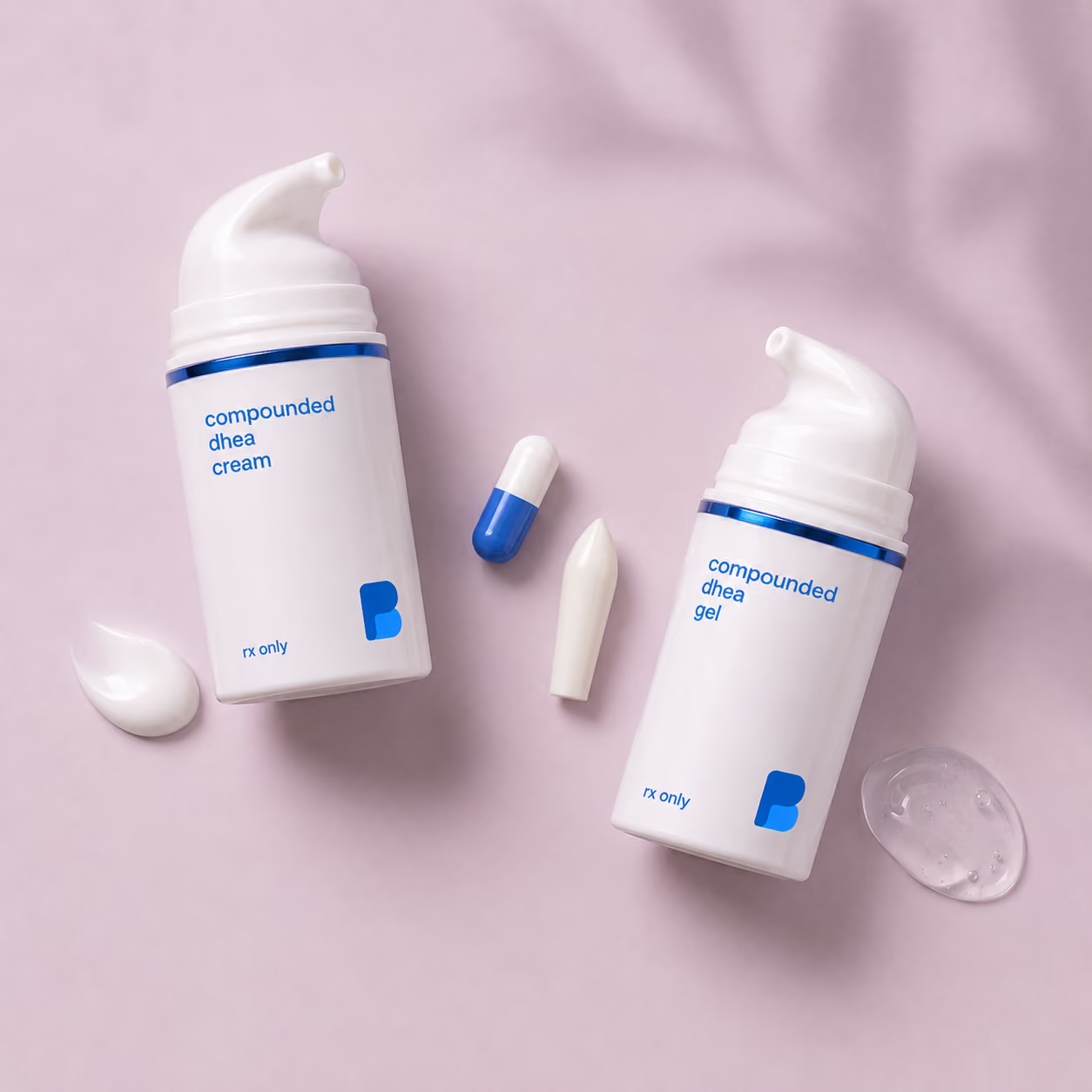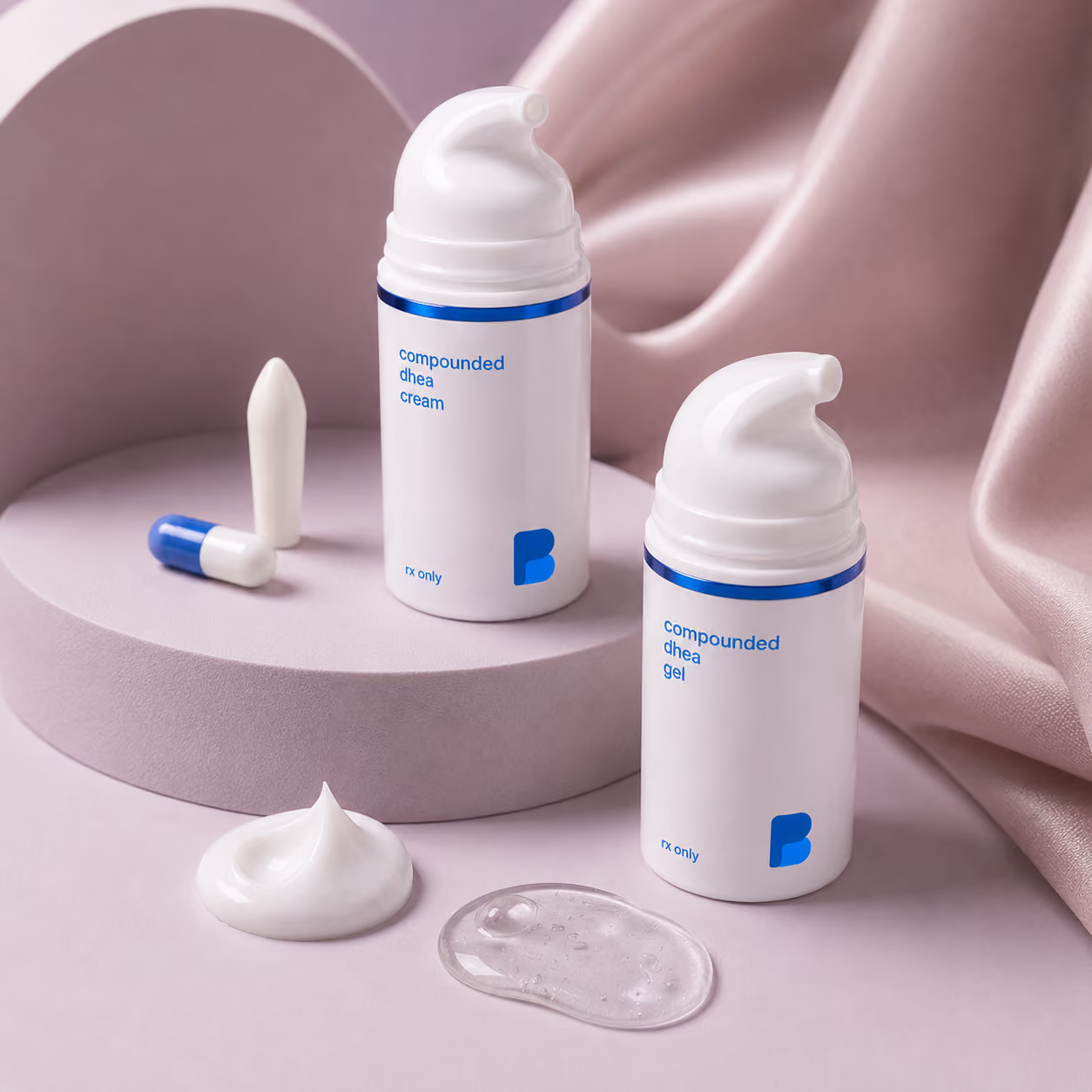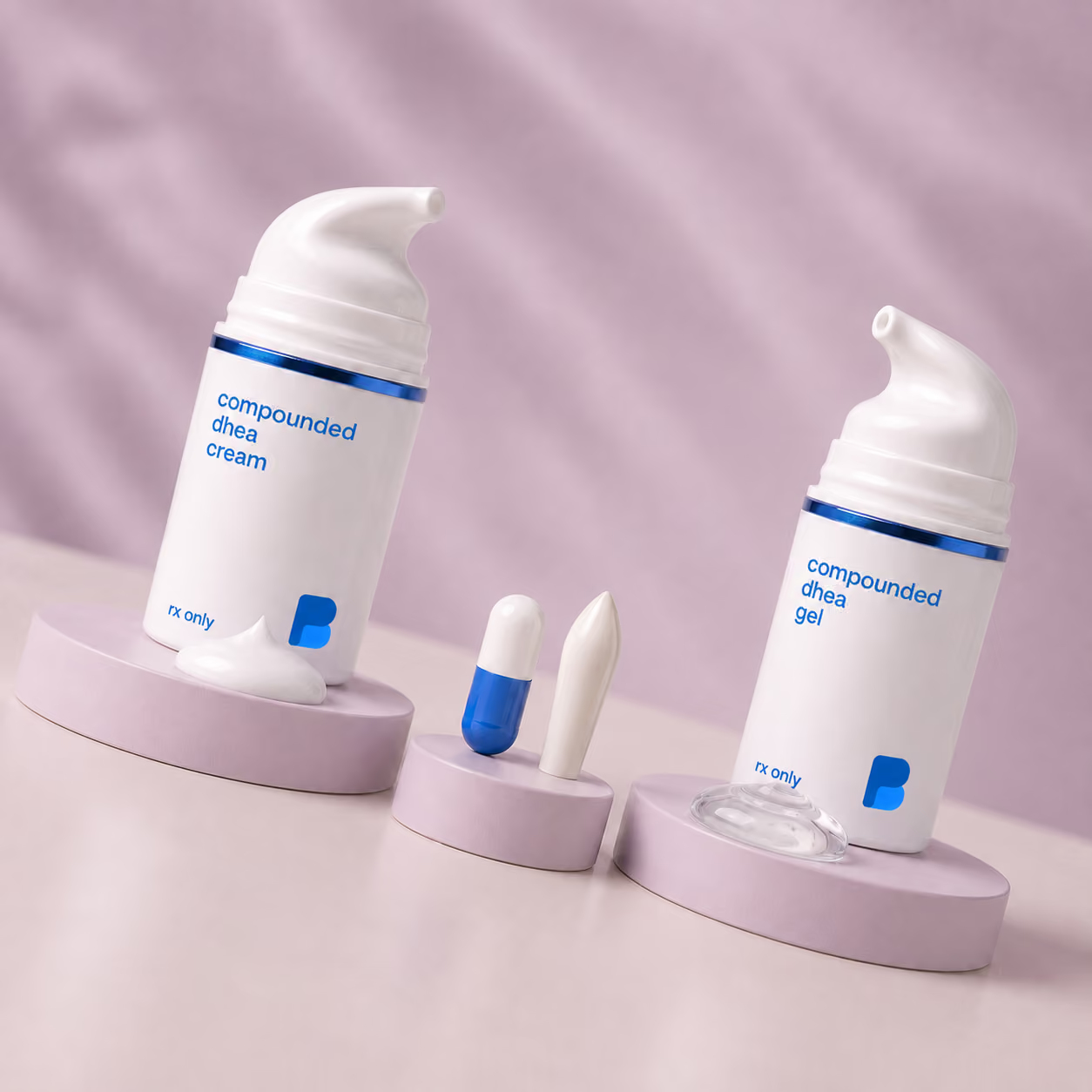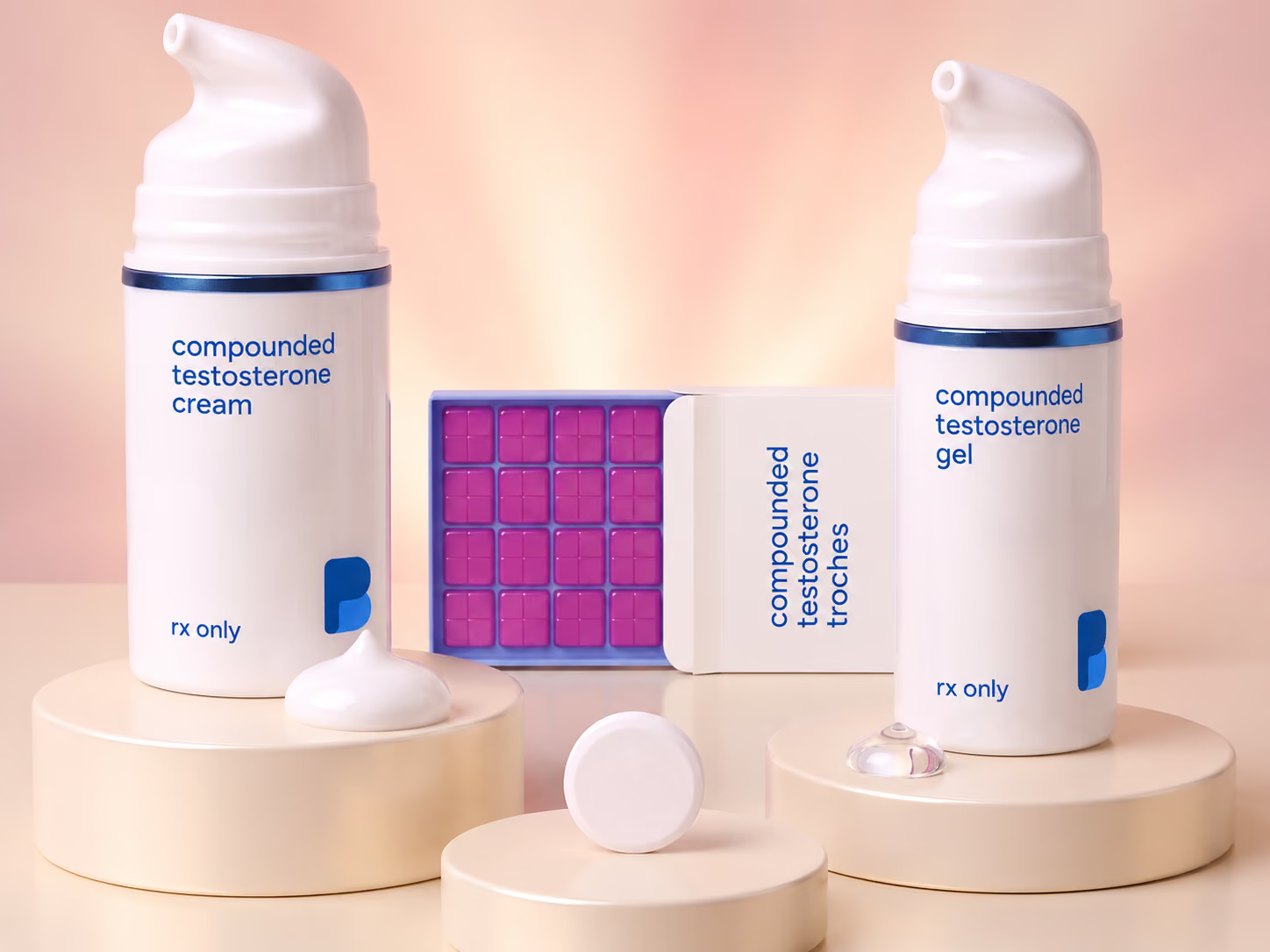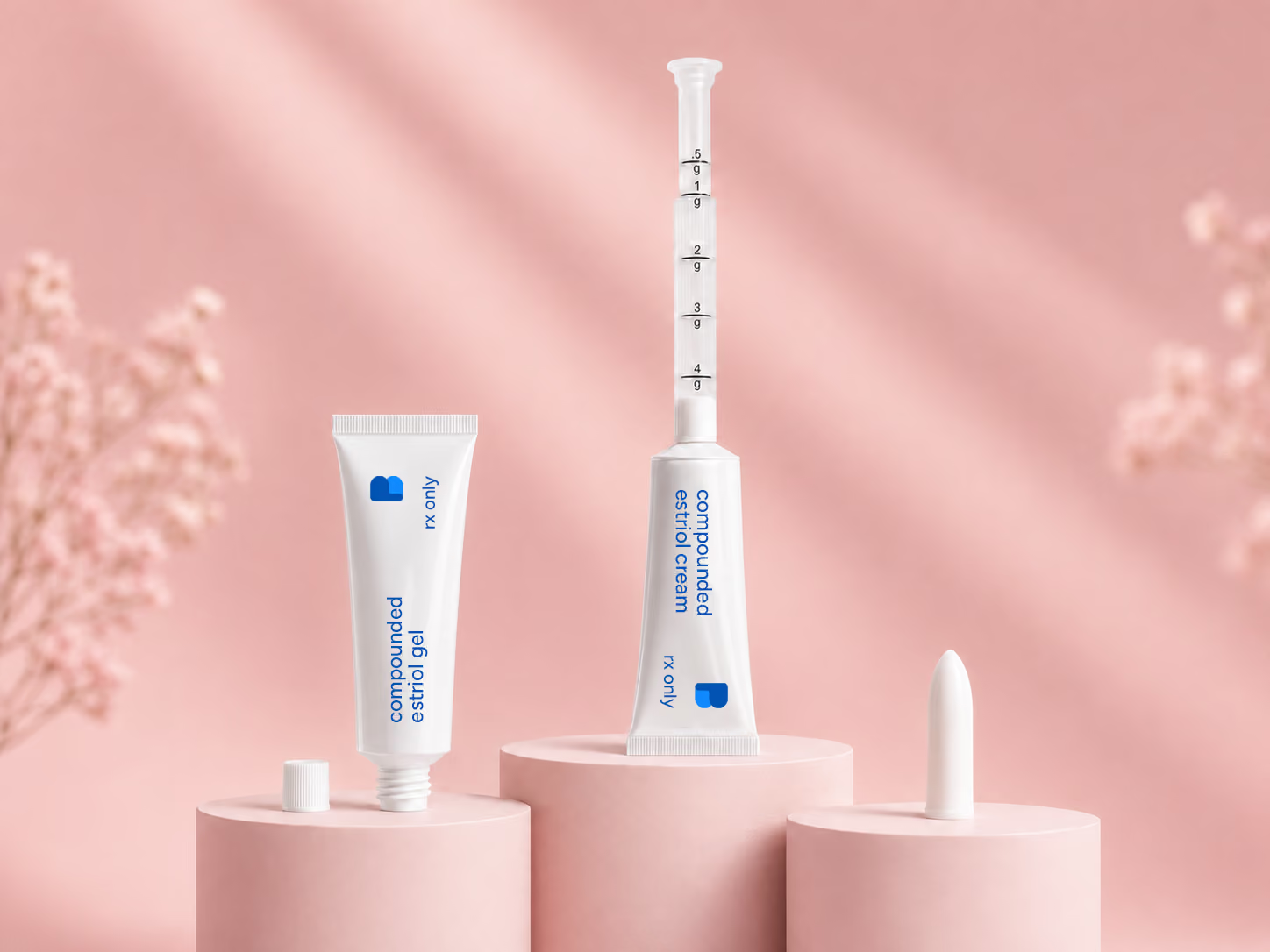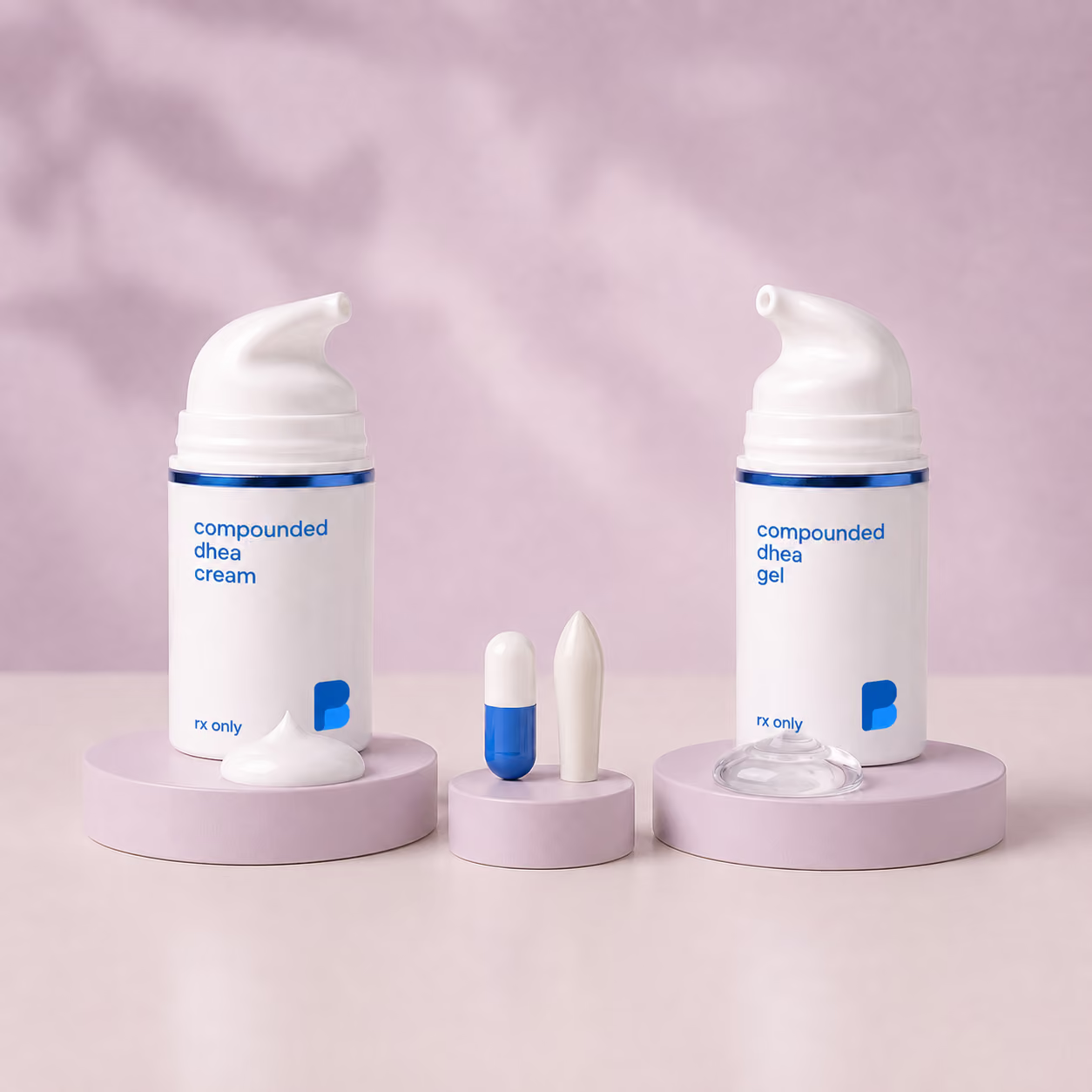



DHEA for women is a compounded, prescription-only hormone preparation of dehydroepiandrosterone (DHEA), a hormone the body makes naturally in the adrenal glands, and in smaller amounts in the ovaries, skin, and brain. It is prepared by a licensed pharmacy to the strength and form your provider orders rather than mass-produced, and it is available in several forms, including an oral capsule, a topical cream, a topical gel, and a vaginal ovule.
Providers may consider DHEA as part of a woman's hormone therapy when they determine it is appropriate. Only a licensed provider can decide whether it is right for an individual. This is part of Bayview's women's hormone therapy range, alongside Bi-Est, progesterone, testosterone for women, and combination preparations. Bayview compounds this as part of our hormone replacement therapy compounding line.
How does it work?
DHEA is a precursor hormone, which means the body can convert it into other hormones, including androgens and estrogens (Endotext, Adrenal Androgens and Aging). DHEA levels are highest in early adulthood and decline gradually with age. When a provider identifies a role for it, DHEA may be added to a woman's hormone therapy at the strength and form the prescriber selects, who sets the schedule and any adjustments.
What is it used for?
Providers may prescribe compounded DHEA as part of a woman's hormone therapy when they determine it is appropriate. Because DHEA is otherwise sold mainly as an unregulated supplement, a provider may choose a compounded preparation so the strength and dosage form can be tailored to the individual and prepared under pharmacy standards. Only a licensed provider can decide whether this formulation is right for a person; Bayview Pharmacy does not provide consultations or determine appropriateness, and a valid prescription is required.
How do the forms compare?
DHEA is compounded in several forms that differ mainly in how they are taken. The table below describes those differences for education only.
| Form | How it's taken | Notes |
|---|---|---|
| Oral capsule | Swallowed by mouth | Prepared at the low strengths used in women's therapy |
| Topical cream | Applied to the skin | Absorbed through the skin; strength set by the prescriber |
| Topical gel | Applied to the skin | A gel base applied to the skin |
| Vaginal ovule | Inserted vaginally | A vaginal insert; a similar single-strength product is available as an FDA-approved insert |
Differences in form and route are described for education only and are not a statement that any option is better, stronger, or more effective. Topical forms carry a risk of transfer to others by skin contact. See the safety section below. Your provider determines which form and dose are appropriate for you.
How is it used?
DHEA is used following the exact form, application site or route, technique, schedule, and dose set by your prescriber, who establishes your starting dose and any adjustments. Capsules are taken by mouth as directed; creams and gels are applied to the skin only where and as directed; vaginal ovules are inserted as directed. With topical forms, wash your hands after applying and avoid skin-to-skin contact at the application site until it is covered, to reduce the chance of transferring the medication to another person. Never change your dose on your own. If you are unsure about how to use it or about your dosing, contact your prescriber, and a Bayview pharmacist is available if you have questions about your prescription.
Side effects & safety
As with any medication, side effects are possible. Because DHEA can be converted into androgens and estrogens, it can cause hormone-related effects. Androgen-type effects reported in women include acne, oily skin, unwanted or increased facial and body hair, and scalp hair thinning; less commonly, voice changes. Some of these changes may not fully reverse, so report them to your provider promptly. Other reported effects can include application-site reactions with topical forms, mood changes, and hormone-related symptoms. With the vaginal form, vaginal discharge and application-site effects have been reported.
Seek medical care for signs of a serious problem, such as chest pain, shortness of breath, weakness or numbness on one side of the body, difficulty speaking, or swelling in the legs. Contact your provider about any reaction that concerns you.
Who should not use it?
DHEA is not appropriate for everyone. It should not be used during pregnancy or breastfeeding, and it is generally avoided in women with known or suspected breast, ovarian, uterine, or other hormone-sensitive cancer, and used with caution in people with liver conditions, a history of blood clots, or hormone-sensitive conditions such as PCOS, or a known sensitivity to the ingredients. Tell your provider about your full medical history and all medications and supplements you take so they can determine whether this formulation is appropriate for you.
How should it be stored?
Store exactly as directed on your label, away from heat, light, and moisture. Keep it out of the reach of children and others in the home, and do not share it. Avoid skin contact with topical forms by anyone the medication is not prescribed for. Do not use it after its expiration or beyond-use date, and dispose of unused medication as directed.
Why is this compounded?
Over-the-counter DHEA supplements are not verified by the FDA for strength or purity, and outside of one FDA-approved vaginal insert there is no oral or topical DHEA product designed and dosed for a provider's specific order. Compounding lets a licensed pharmacy prepare DHEA at the strength a provider selects and in the dosage form ordered, for example a capsule, a cream, a gel, or a vaginal ovule. As a 503A compounding pharmacy, Bayview Pharmacy prepares each order in small batches under USP <795> standards using quality ingredients. Compounded preparations are not FDA-approved. Related hormone preparations include Testosterone (Women), Bi-Est / Progesterone, Bi-Est, and Progesterone. The full list is in our compounded medications catalog.
Clinical details for prescribers
Regulatory status. DHEA (dehydroepiandrosterone) is not a federally controlled substance and does not require EPCS. It is marketed OTC as a dietary supplement; one FDA-approved vaginal insert (prasterone, 6.5 mg) is indicated for moderate-to-severe dyspareunia due to vulvovaginal atrophy (DailyMed, INTRAROSA (prasterone) label). Compounded DHEA is prescription-only and prepared to the order.
Formulation (female dosing). Compounded as oral capsule/tablet, topical cream, topical gel, and vaginal ovule/cream. Reported female dosing in the literature spans roughly: oral ~5 to 50 mg/day (some references to higher doses); topical cream ~10% applied to a defined area; vaginal ~3.25 to 6.5 mg. Strengths per the strengths table on this page; DHEA is individualized to keep exposure within the intended physiologic range and avoid supraphysiologic androgen/estrogen effects.
Counseling points:
- Counsel on androgenic effects (acne, hirsutism, alopecia, rare voice change) and estrogen-related effects, since DHEA is a precursor to both; reduce dose or stop and reassess
- Secondary transfer risk with topical forms: hand hygiene, cover the application area, avoid skin-to-skin contact until covered
- Consider baseline and follow-up labs per plan (e.g., DHEA-S, and downstream androgens/estrogens as clinically indicated)
- Contraindicated in pregnancy and breastfeeding; avoid in known/suspected hormone-sensitive cancer; caution with hepatic disease and thrombotic history
Often prescribed alongside Bi-Est, progesterone, and testosterone for women in women's hormone therapy. Background: Endotext, Adrenal Androgens and Aging; NASEM report on compounded BHRT. Account setup, licensing, and ordering are covered on our for providers page.
This is a prescription compounded medication and is not FDA-approved. This information is educational and is not medical advice. Your provider determines whether it is appropriate and sets the formulation and dose.