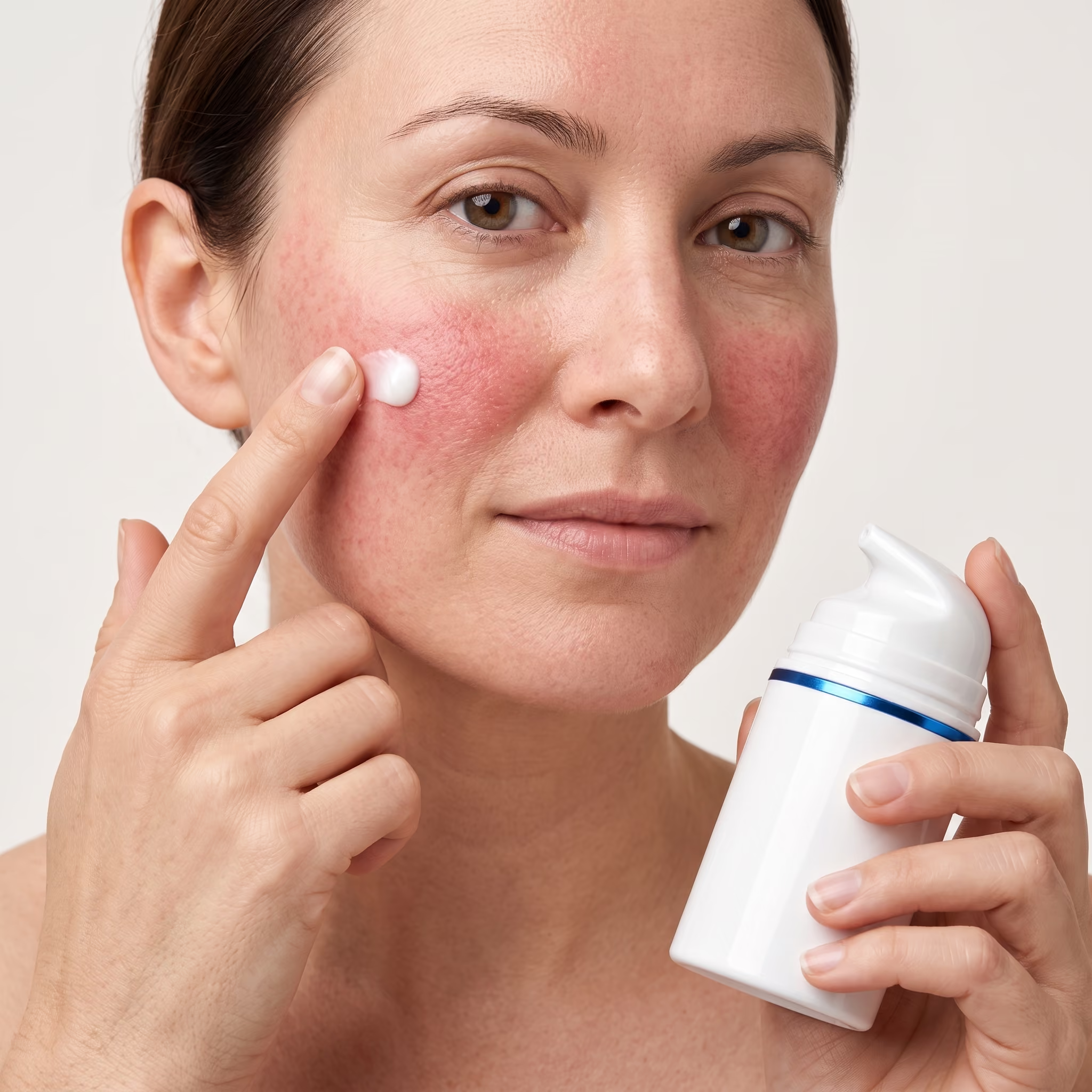



Rosacea is a long-term skin condition that causes redness and flushing of the face, and often small red bumps that look like acne. Many people also notice visible blood vessels, stinging or sensitive skin, and in some cases irritated eyes. It most often appears in middle age and is most visible in fair skin, but it can affect anyone, and it tends to flare and settle in cycles rather than staying constant. Rosacea's redness is also different from the brown patches of melasma and dark spots, which involve pigment rather than blood vessels.
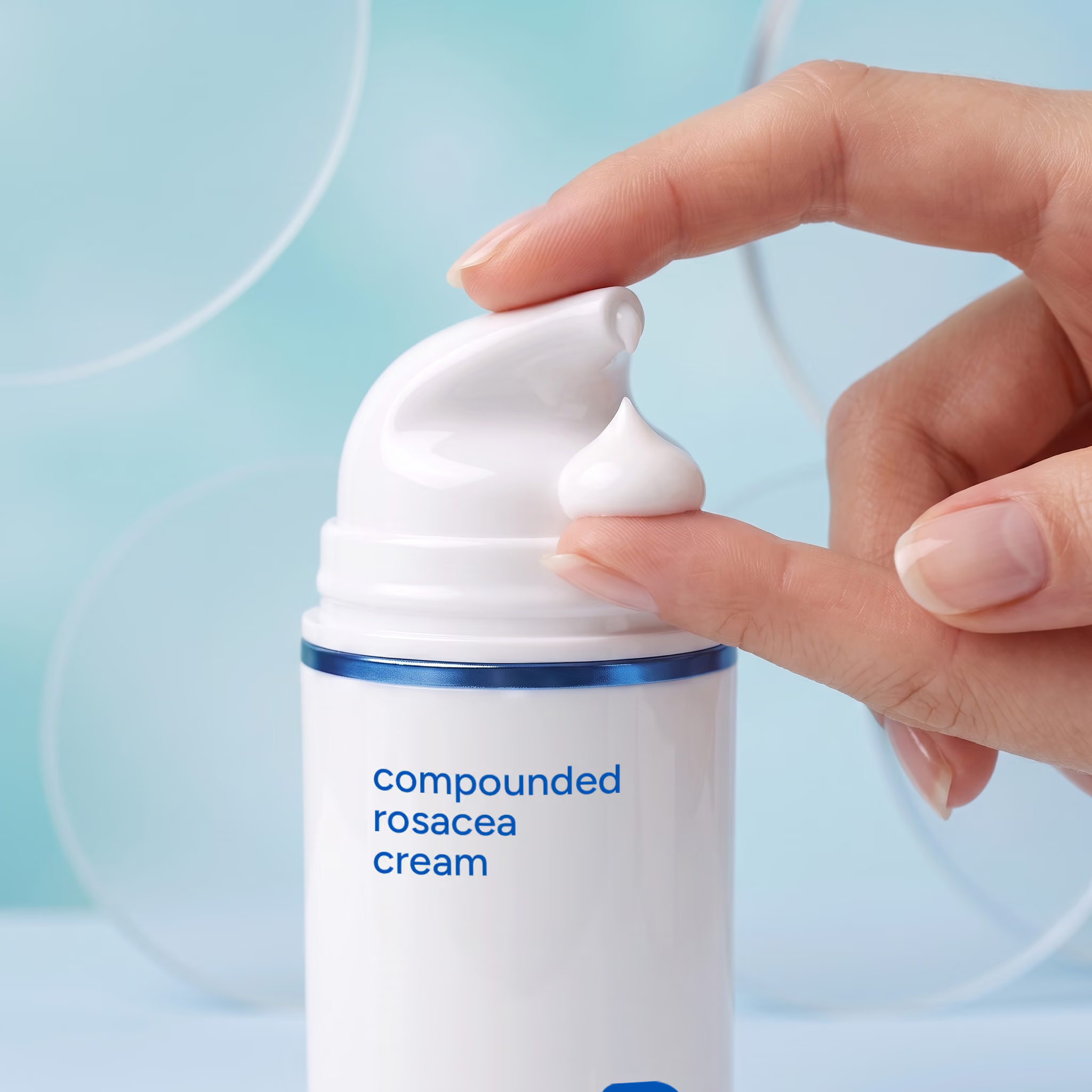
Bayview Pharmacy prepares compounded, prescription-only creams that a provider can use as part of care for rosacea, tailored to whether redness, bumps, or both are the main concern. Bayview compounds this as part of our dermatology compounding line.
Why does rosacea happen?
The exact cause isn't known. Blood vessels in the face that dilate too easily, an overactive immune response in the skin, and tiny mites called Demodex that live on everyone's skin but are more numerous in rosacea all appear to play a role, and rosacea often runs in families. Everyday triggers, sun, heat, wind, spicy food, alcohol, hot drinks, and stress, can set off flares, which is why identifying your triggers and daily sun protection are central to any treatment plan.
There is no cure, but treatment can calm the bumps and reduce the redness while you manage the triggers that drive flares. You can read more about the condition from MedlinePlus (NIH).
How Bayview treats rosacea and facial redness
Rosacea has two main faces, and the actives in this line divide the work. For the acne-like bumps, metronidazole is an antimicrobial long used in rosacea (MedlinePlus, metronidazole topical), ivermectin targets the Demodex mites linked to rosacea inflammation (DailyMed, ivermectin cream), and azelaic acid calms swelling and redness (MedlinePlus, azelaic acid). For persistent background redness, brimonidine temporarily narrows the small blood vessels near the skin's surface (DailyMed, brimonidine gel).
Because rosacea skin is easily irritated, every formula also builds in soothing support: niacinamide, a form of vitamin B3 that helps calm skin and strengthen its barrier, potassium azelaoyl diglycinate, a gentler water-soluble relative of azelaic acid, and in one formula biotin. Most formulas combine two or three actives in a single cream.
Our rosacea & redness lineup
Six compounded creams combining actives for rosacea bumps, persistent redness, and easily irritated skin, matched to how your rosacea shows up.
Compare the formulasWhy a personalized, compounded approach?
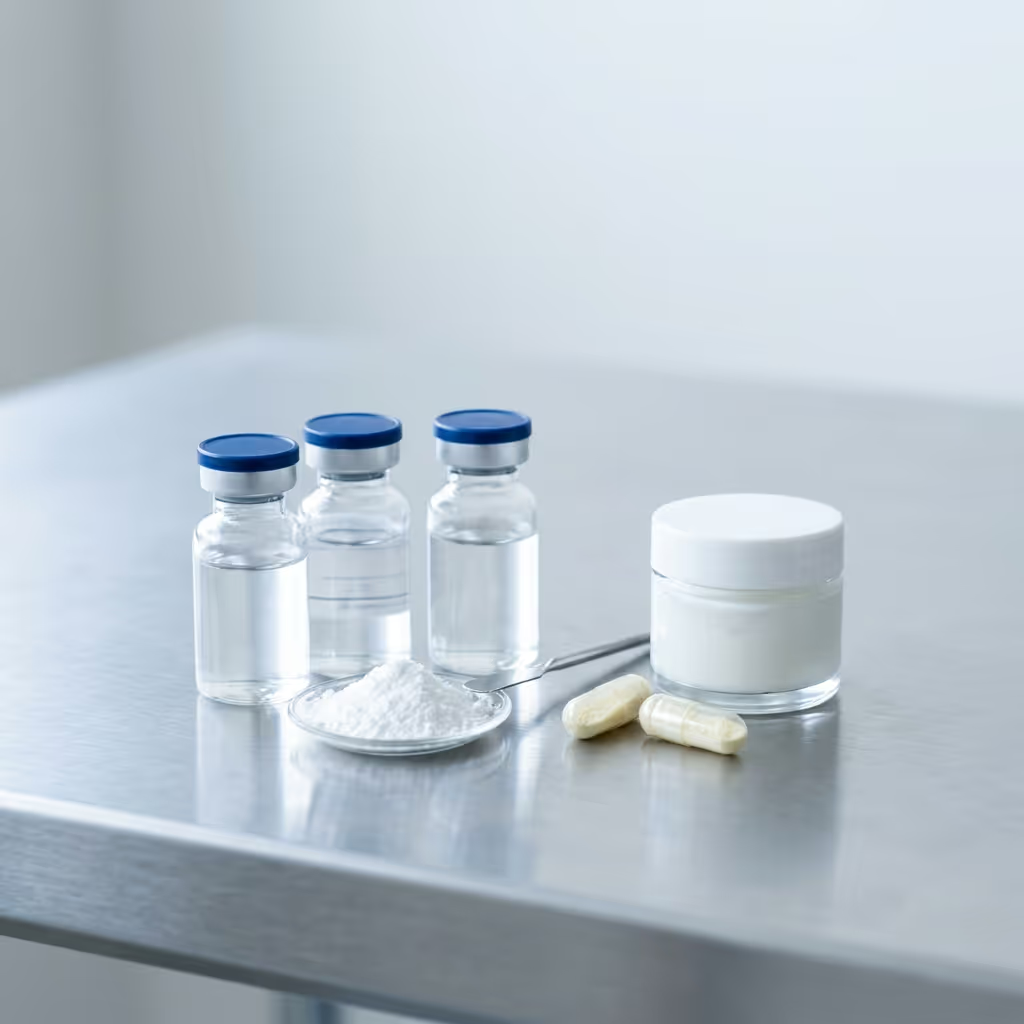
Commercial rosacea treatments typically contain a single active, so patients often end up layering several separate products. Compounding lets a licensed pharmacy combine actives for the bumps, the redness, and the skin's barrier into one cream, and include supportive ingredients like niacinamide and potassium azelaoyl diglycinate that aren't found in commercial prescription products. That means your provider can match one formula to how your rosacea actually shows up, rather than assembling a routine from separate items. As a 503A compounding pharmacy, Bayview prepares each order in small batches under USP <795> standards using quality ingredients. Related dermatology preparations include Acne, Melasma & Dark Spots, Wrinkles & Fine Lines, and Hair Loss. The full list is in our compounded medications catalog.
What to expect
The two kinds of actives work on different clocks. Formulas aimed at bumps and inflammation, those built on metronidazole, ivermectin, or azelaic acid, work gradually, often over 4 to 12 weeks of consistent use. Brimonidine works differently: it reduces visible redness within the first hours after application, and the effect wears off each day, so it manages redness rather than curing it, and some people notice temporary flushing or redness as it wears off. Mild stinging or dryness is common early with any of these. Daily broad-spectrum sunscreen and knowing your personal triggers remain essential, and your provider may adjust your formula over time.
What to know before you start
Which of these apply depends on which formula your provider chooses.
- Brimonidine reduces redness temporarily, and the redness can return more strongly as it wears off. Some people get a rebound flush. Worth knowing before building a routine around it.
- Tell your provider about heart or blood pressure conditions, dizziness on standing, or depression. These affect whether a brimonidine formula is a good fit.
- Sun protection and knowing your triggers still do most of the work. No formula here replaces that. Heat, alcohol, spicy food, and sun are common triggers, though they vary from person to person.
- Ask specifically about pregnancy and breastfeeding. The answer differs formula by formula here rather than applying across the whole line, so it is worth raising directly.
How do I get started?
Because these are prescription formulas, a licensed provider decides whether treatment is appropriate and chooses the formula and strength for you. Bayview Pharmacy does not provide consultations or determine appropriateness, and a valid prescription is required. Once you have a prescription, your provider can order through Bayview, and a pharmacist is available if you have questions.
Clinical details for prescribers
Line overview. Six compounded topical creams addressing the papulopustular and erythematotelangiectatic components of rosacea:
- Inflammatory lesions, metronidazole 1% (nitroimidazole with anti-inflammatory activity; MedlinePlus); ivermectin 1% (anti-inflammatory and acaricidal against Demodex folliculorum; DailyMed); azelaic acid 18% (anti-inflammatory, antikeratinizing)
- Persistent erythema, brimonidine tartrate 0.4% (α2-adrenergic agonist, cutaneous vasoconstriction; DailyMed)
- Barrier support / tolerability, niacinamide 4 to 5%, potassium azelaoyl diglycinate (water-soluble azelaic acid derivative), biotin
Counseling points:
- Brimonidine: transient effect; possible rebound erythema or flushing
- Brimonidine: caution in cardiovascular disease, orthostatic hypotension, depression
- Photoprotection and trigger avoidance remain foundational
- Discuss use in pregnancy or lactation on a formula-by-formula basis
Compounded combinations are not FDA-approved. Full formula options and safety information appear elsewhere on this page. Account setup, licensing, and ordering are covered on our for providers page.
This information is about a skin condition and its treatment options and is not medical advice. Compounded medications are prescription-only and are not FDA-approved. Your provider determines whether treatment is appropriate and sets the formulation and dose.