


Cisapride is a gastrointestinal prokinetic used in veterinary medicine to help the muscles of the digestive tract contract and move contents forward. It is best known for use in cats, where slow colon motility can lead to constipation or megacolon.
Bayview Pharmacy compounds cisapride to the strength and dosage form your veterinarian orders, because no commercially manufactured product is available. It is used off-label and is dispensed only with a prescription from a licensed veterinarian. Bayview compounds this as part of our veterinary compounding line.
How does it work?
Cisapride is thought to act on the nerves and smooth muscle of the gut to promote coordinated contractions that move contents through the stomach and intestines. In laboratory work on colon tissue from cats with megacolon, cisapride was shown to stimulate contraction of the affected smooth muscle, which is the proposed basis for its use in feline motility problems.
What is it used for?
Veterinarians may prescribe cisapride most often for cats with constipation or megacolon, and sometimes for other gastrointestinal motility problems; it is also used in dogs. Whether it is appropriate for your pet, and how it fits into an overall treatment plan, is determined by your veterinarian.
Why cisapride is only available compounded
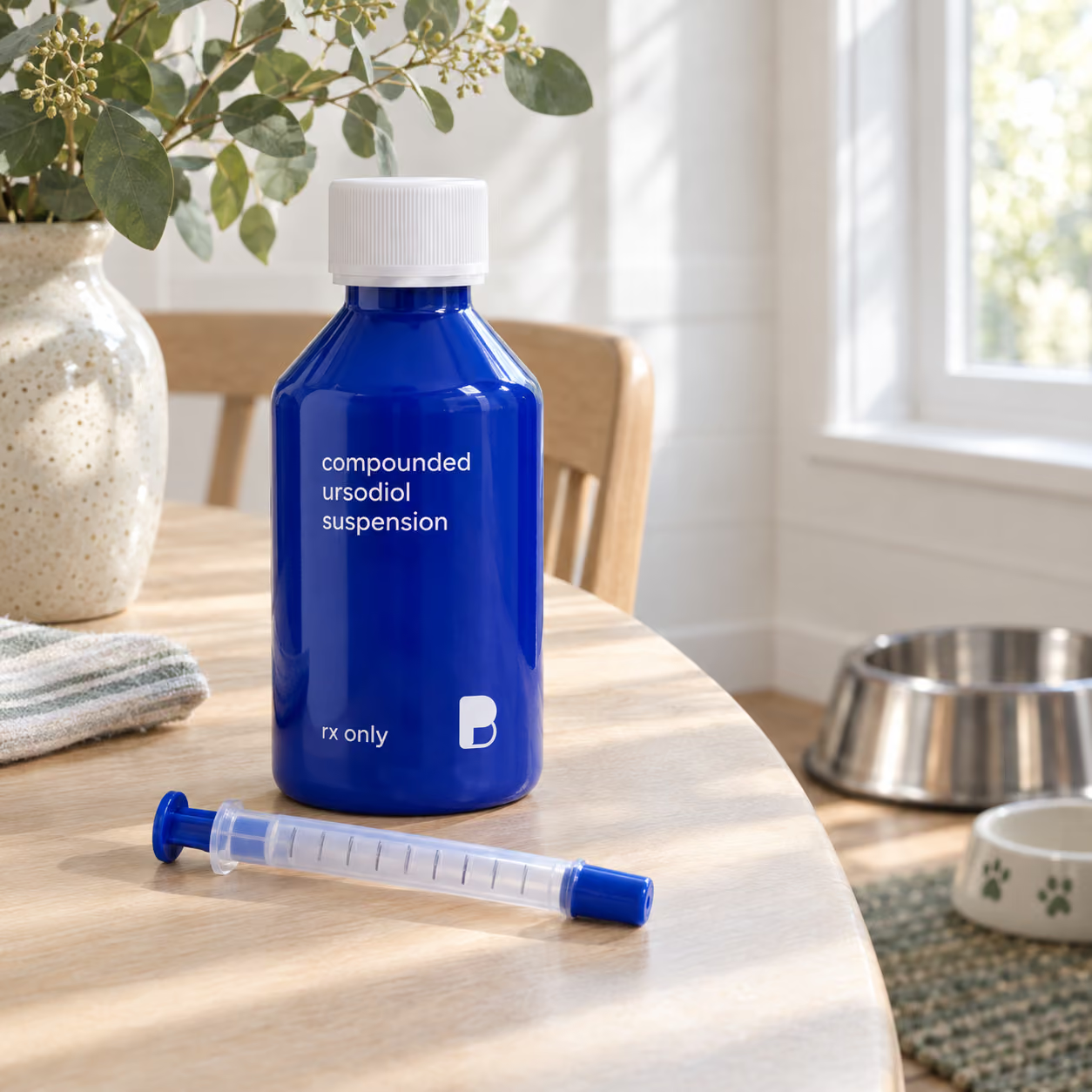
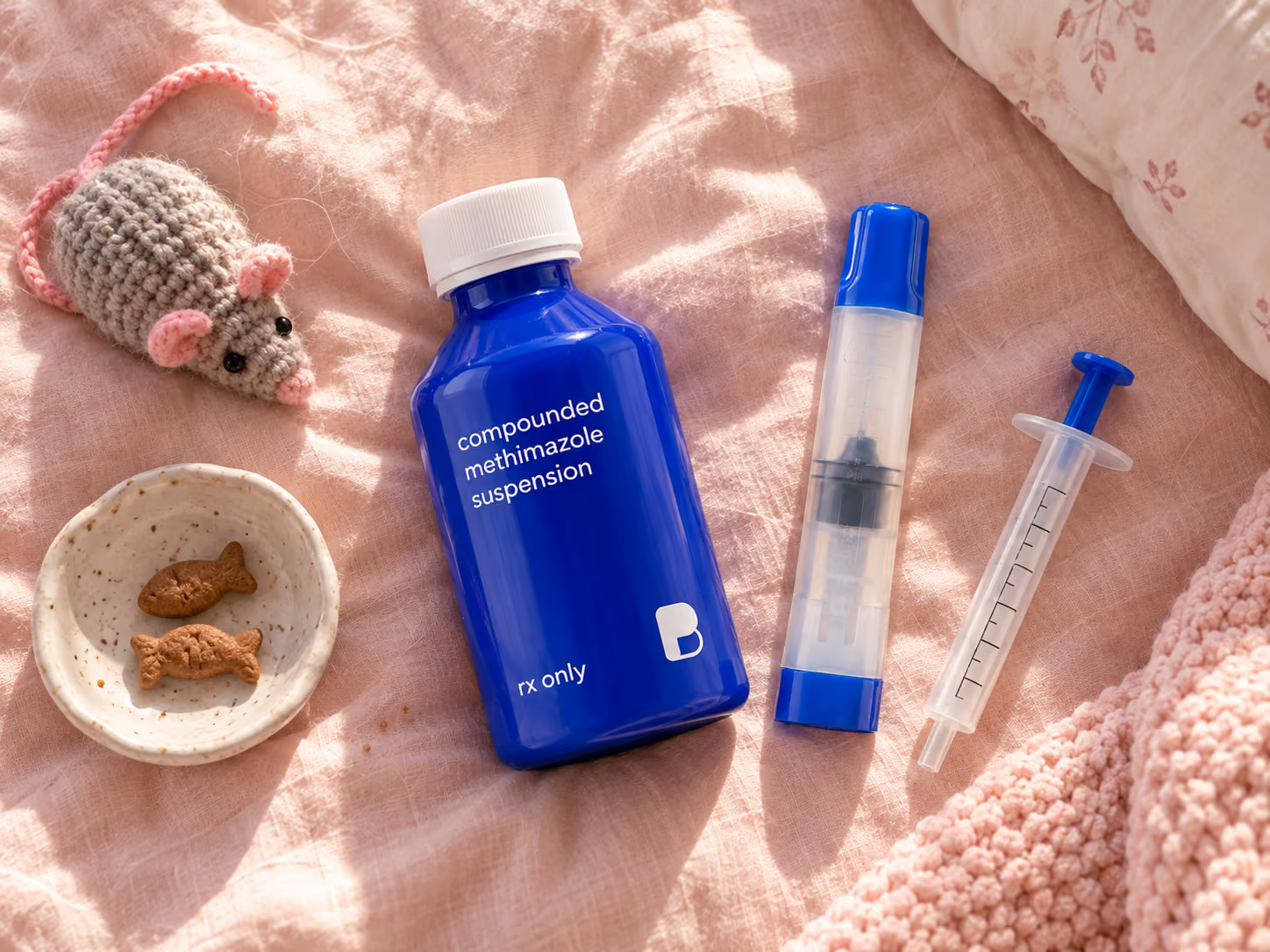
The human cisapride product, Propulsid, was withdrawn from the U.S. market because of rare but serious heart-rhythm (QT prolongation/arrhythmia) risks, and no FDA-approved veterinary version was ever developed. As a result, the only way to obtain cisapride for a pet is through a compounding pharmacy, which prepares it to order from a veterinarian. This is a recognized off-label use in veterinary medicine. Other preparations we compound for animals include Ursodiol for Pets, Methimazole for Cats, Pimobendan for Dogs, and Trilostane for Dogs. The full list is in our compounded medications catalog.
How is it given?
Cisapride is given by mouth, usually as a flavored oral suspension or a capsule. It is often given before meals. Your veterinarian sets the exact amount and schedule based on your pet's species, weight, and condition. Give it only as directed, and do not change the dose on your own.
Side effects & safety
Cisapride is generally well tolerated at prescribed doses, but some pets may have vomiting, diarrhea, or abdominal cramping. Cisapride also has many potential drug interactions, and certain antifungal and antibiotic medications, among others, can raise its blood levels, so your veterinarian reviews all of your pet's medications and supplements. Veterinary references note that this medication should be used carefully and only under veterinary supervision.
Which pets should not take it?
Cisapride should not be given to a pet with a known or suspected gastrointestinal obstruction or blockage, because increasing gut contractions could be harmful. It is used with caution in pets with heart-rhythm problems and in those taking interacting medications. Tell your veterinarian about all health conditions and medications before starting.
How should it be stored?
Store cisapride as directed on the label from Bayview Pharmacy, and keep it out of the reach of children and pets. If the compounded liquid needs refrigeration, your pharmacy label will say so. Do not use it past its beyond-use date.
Why is this compounded?
Because no commercial cisapride product exists for animals, compounding is the only way to provide it. Bayview Pharmacy prepares cisapride as a flavored oral suspension or in custom-strength capsules so that small, weight-based veterinary doses can be measured accurately and pets are more likely to accept the medication.
Clinical details for prescribers
Regulatory status. Cisapride is not a controlled substance. It was withdrawn from the US human market in 2000 because of QT prolongation and serious arrhythmias in humans; veterinary use continues through compounding as extralabel use under AMDUCA within a valid veterinarian-client-patient relationship.
Formulation & dosing. Compounded as a flavored oral suspension (~5 mg/mL) and custom-strength capsules. Commonly reported feline dosing is 2.5 to 5 mg per cat by mouth two to three times daily, given 15 to 30 minutes before meals; canine dosing is weight-based per the prescribing veterinarian.
Counseling / clinical points:
- Avoid co-administration with azole antifungals (ketoconazole, itraconazole) and macrolides (erythromycin), CYP3A4 inhibition raises arrhythmia risk
- Prokinetics are contraindicated with suspected GI obstruction or perforation, rule out before starting
- Monitor for vomiting, diarrhea, or abdominal discomfort; adjust dose per response
- Pet-friendly flavoring meaningfully improves long-term acceptance in cats on chronic therapy
Cisapride is a serotonergic (5-HT4) prokinetic most used for feline megacolon and chronic constipation after medical management of the underlying cause. Account setup, licensing, and ordering are covered on our for providers page.
Cisapride is a compounded veterinary medication and is not FDA-approved. This information is educational and is not a substitute for your veterinarian's instructions. Your veterinarian determines whether it is appropriate and sets the dose.