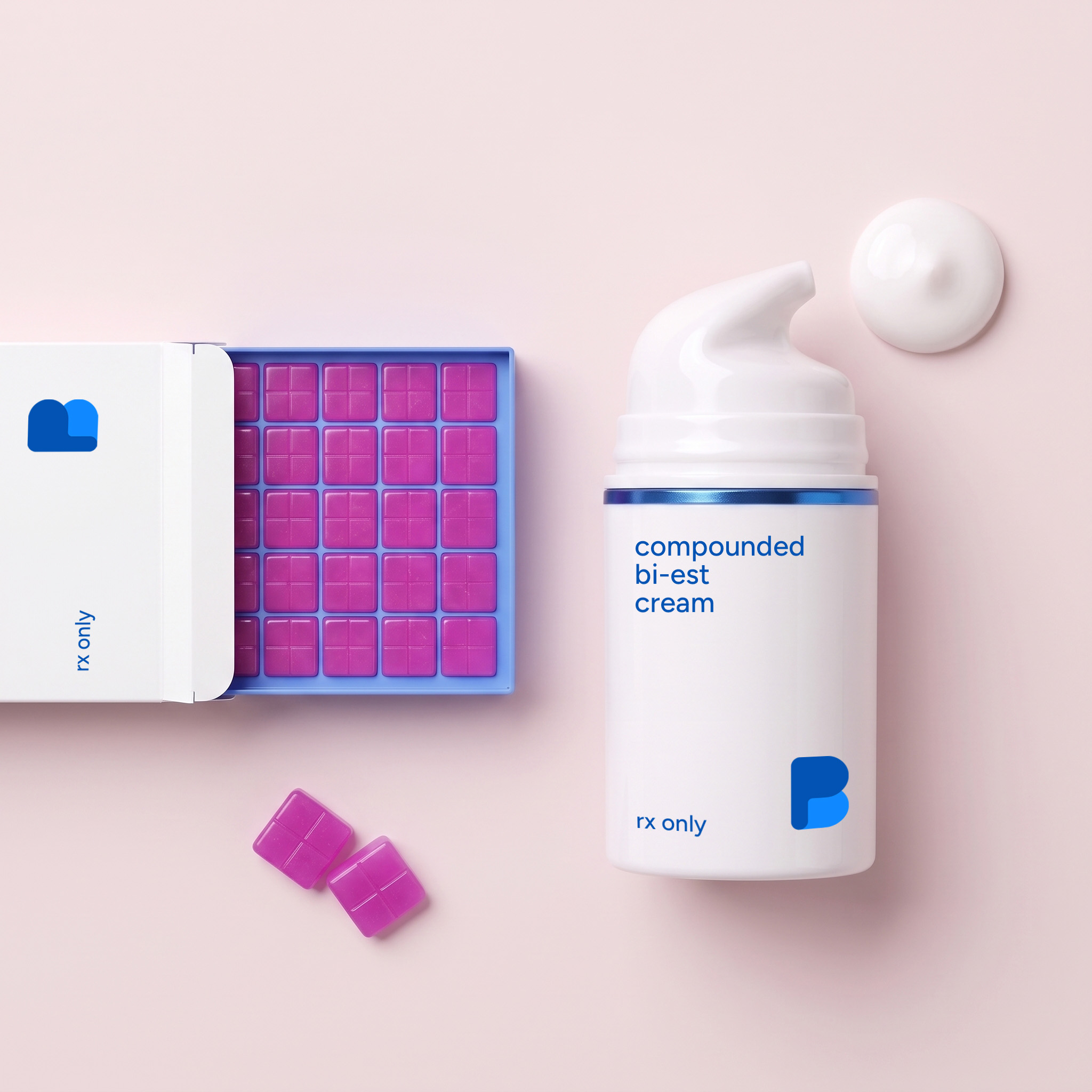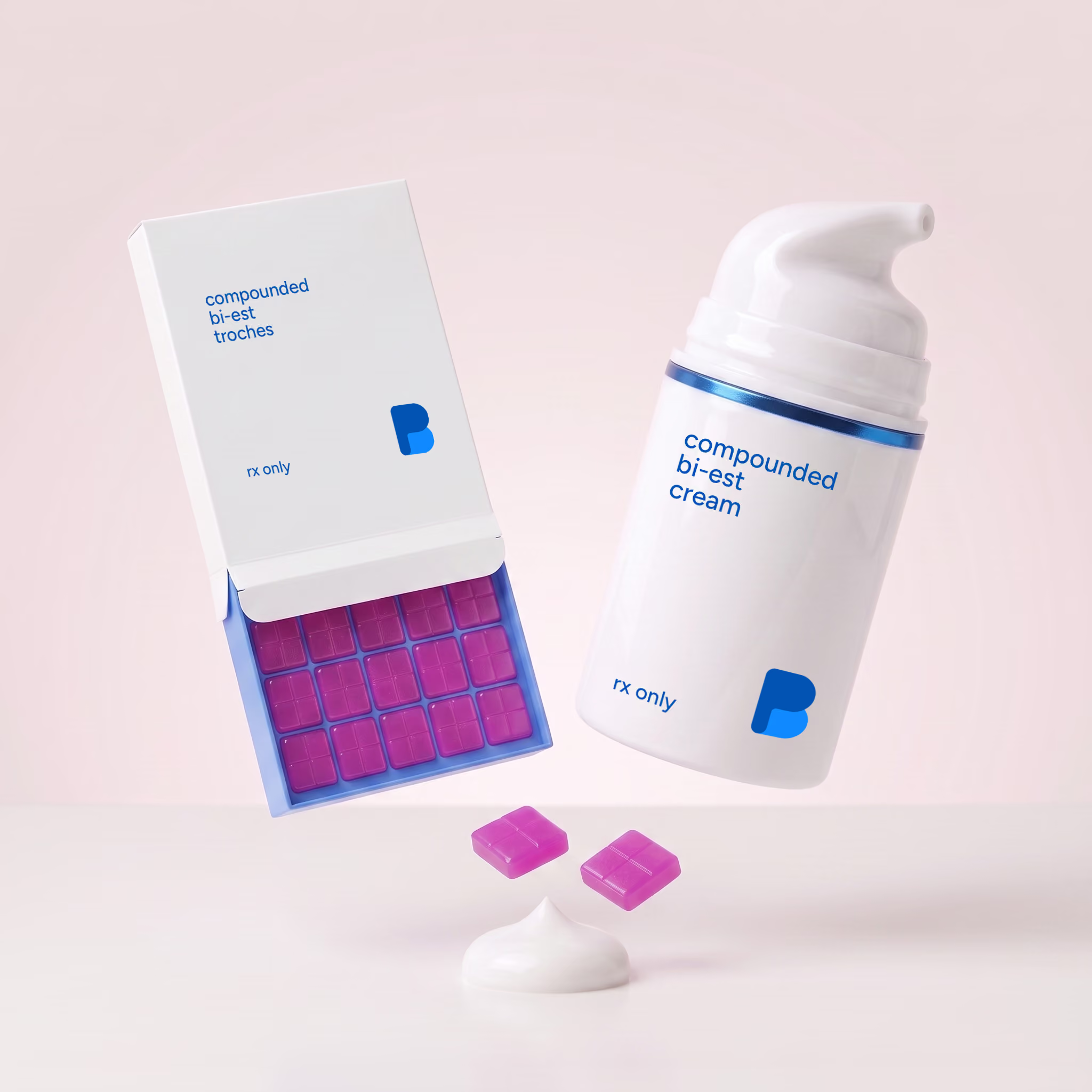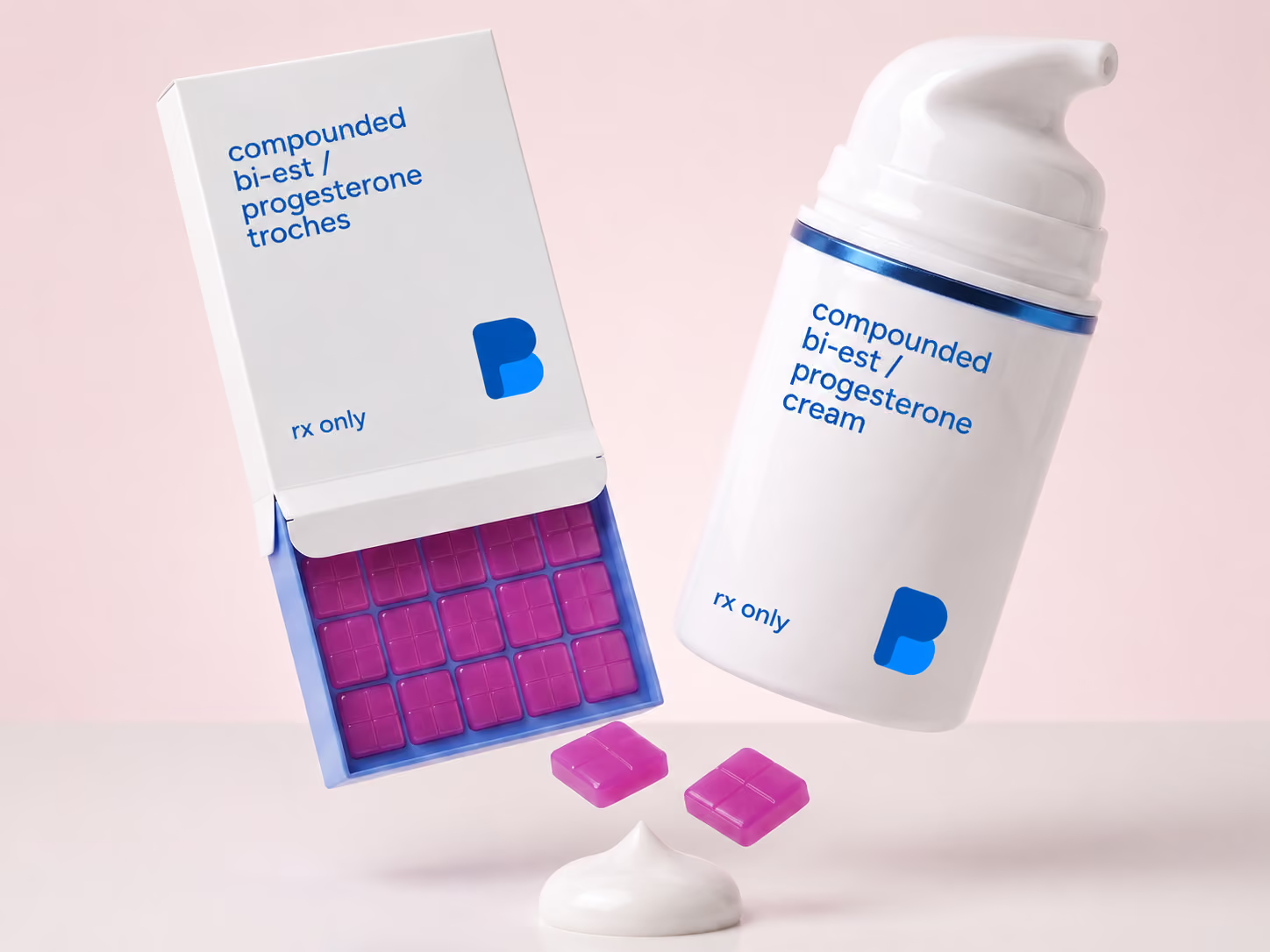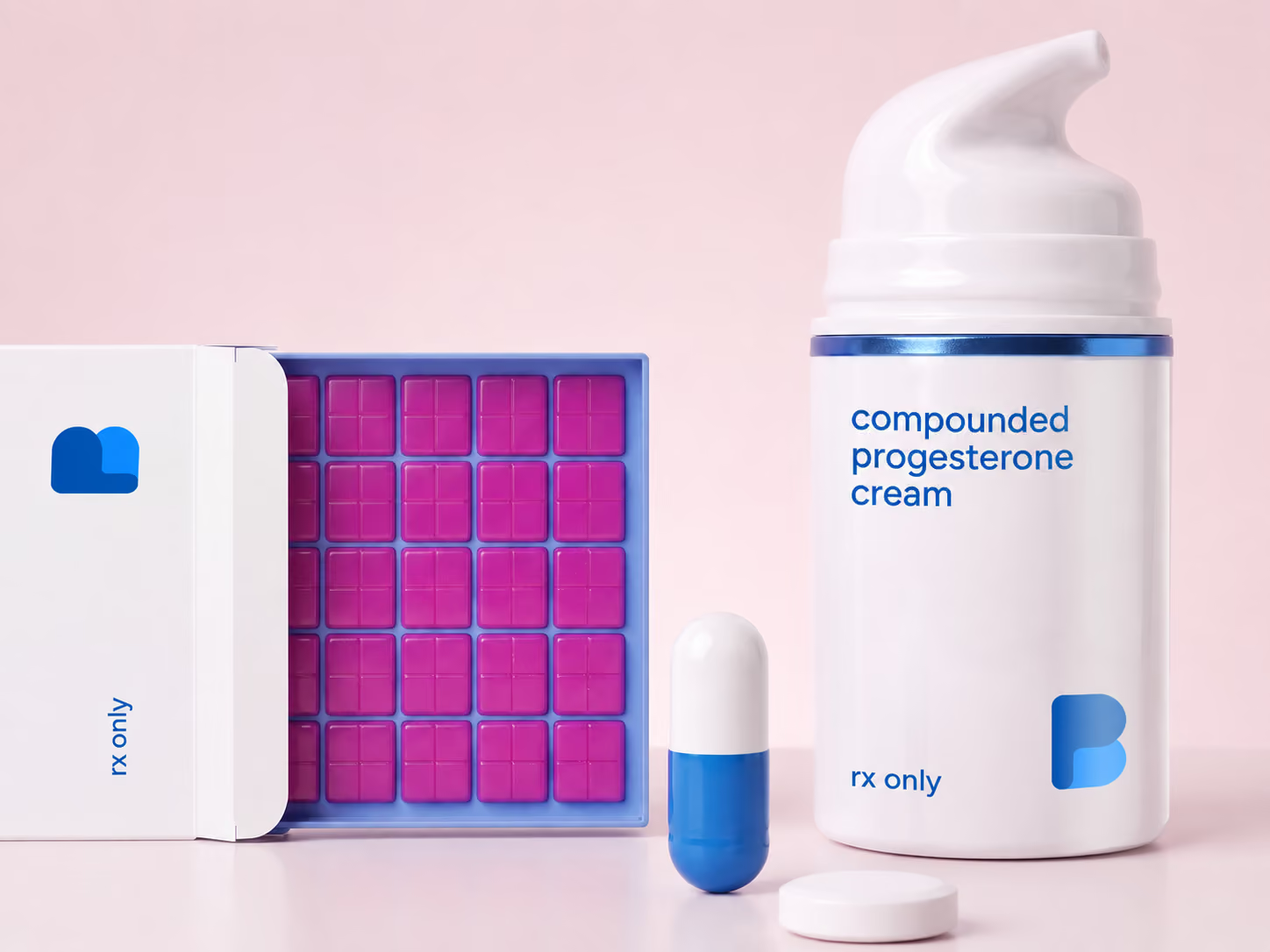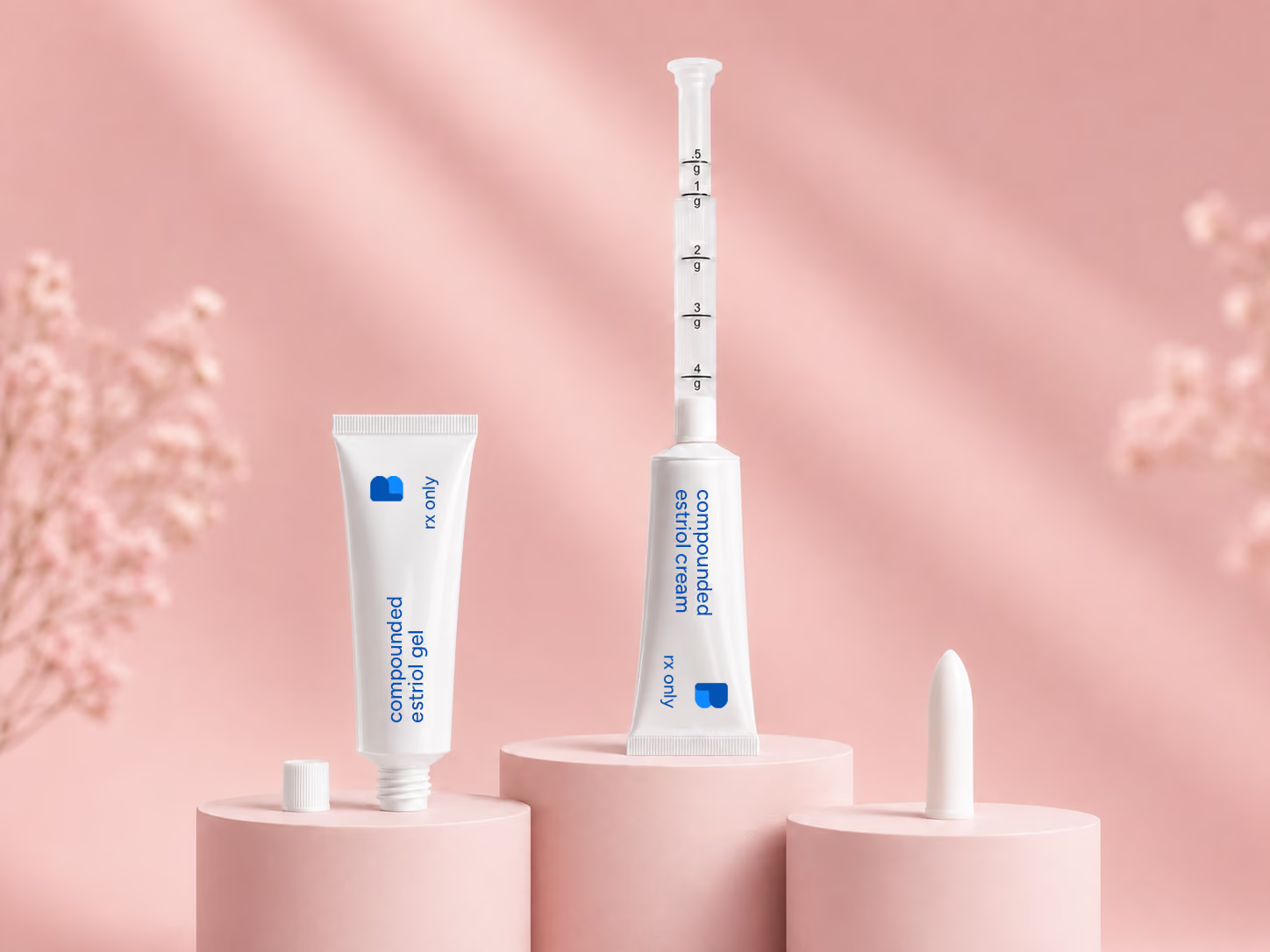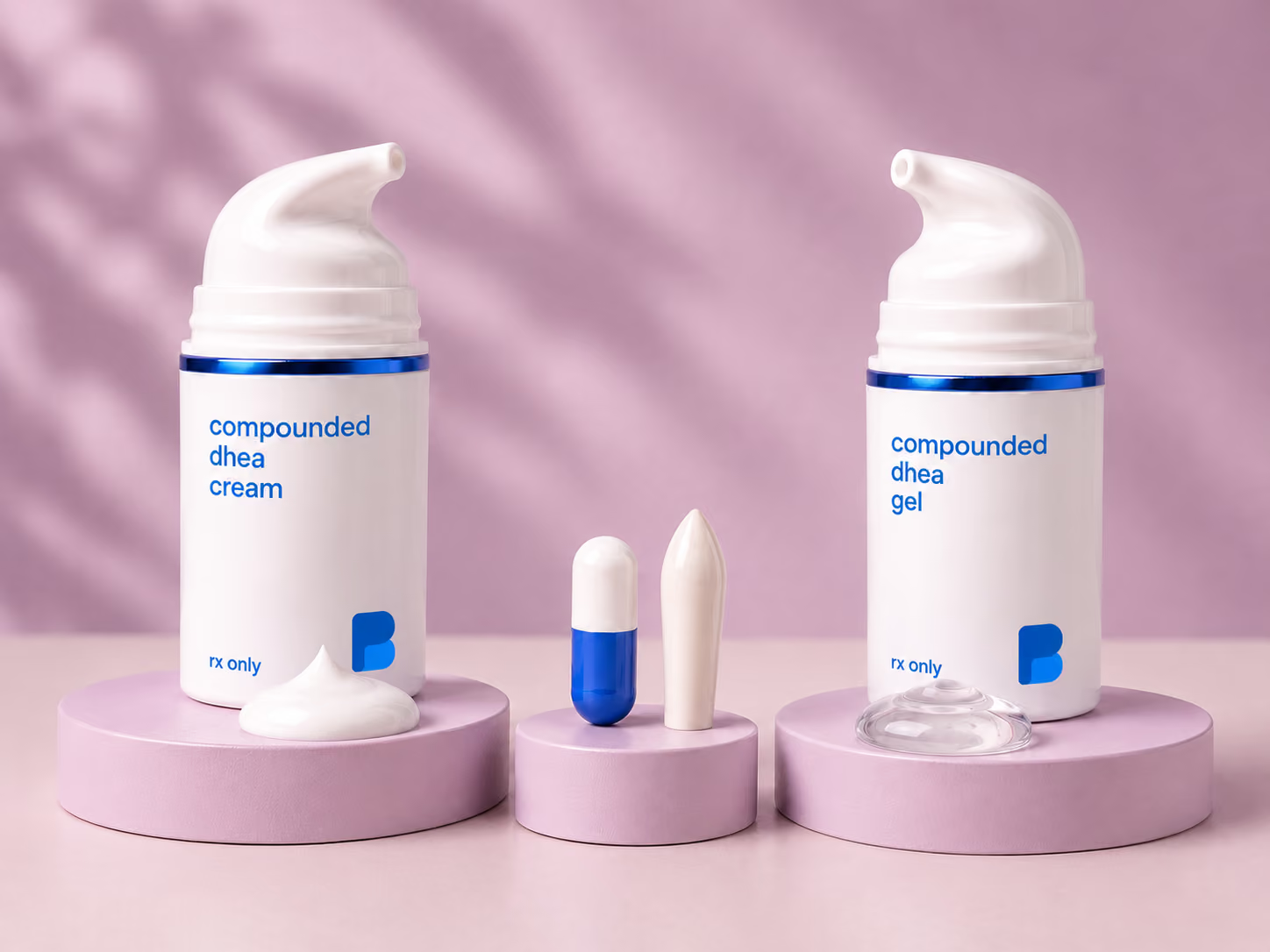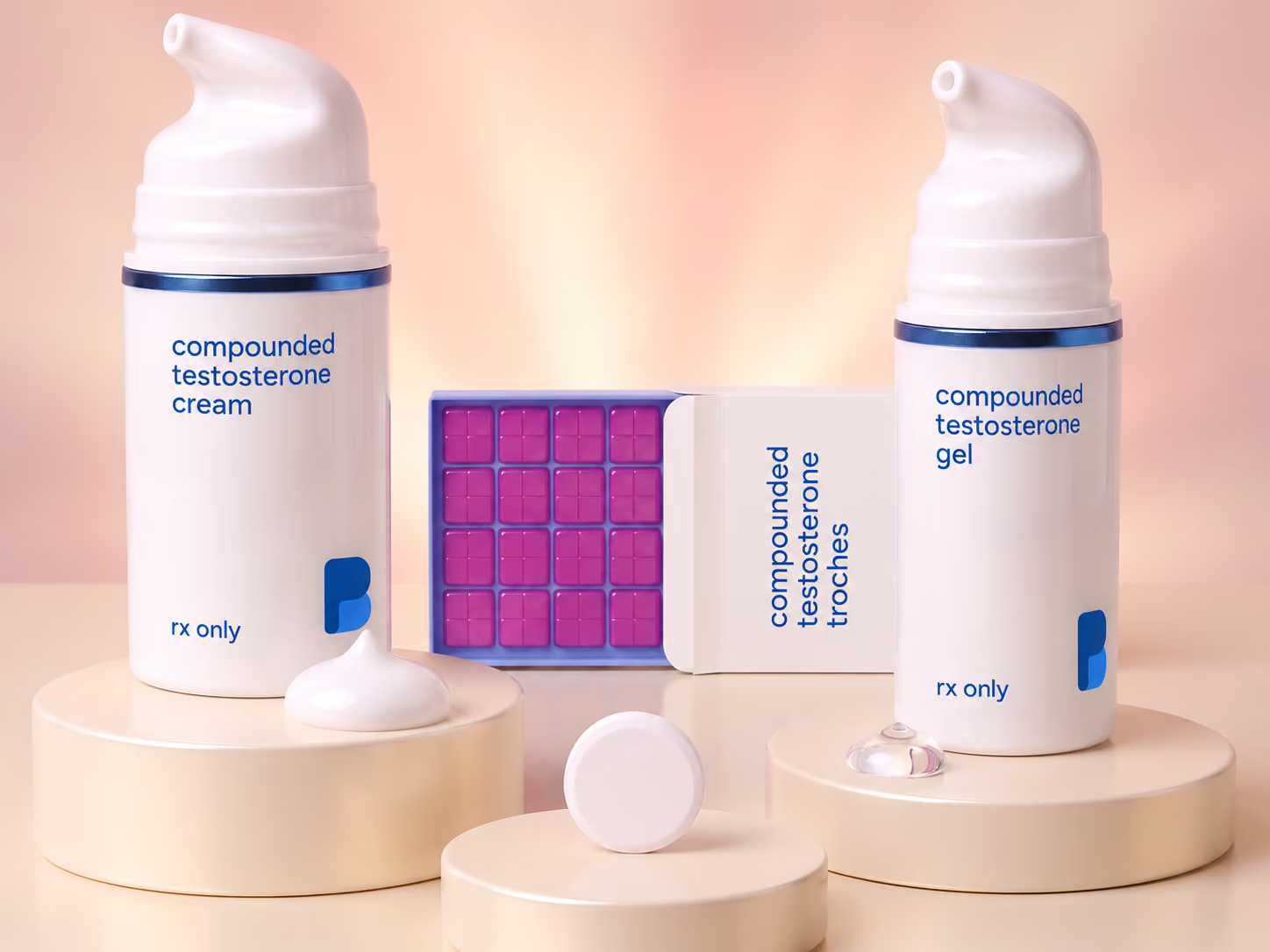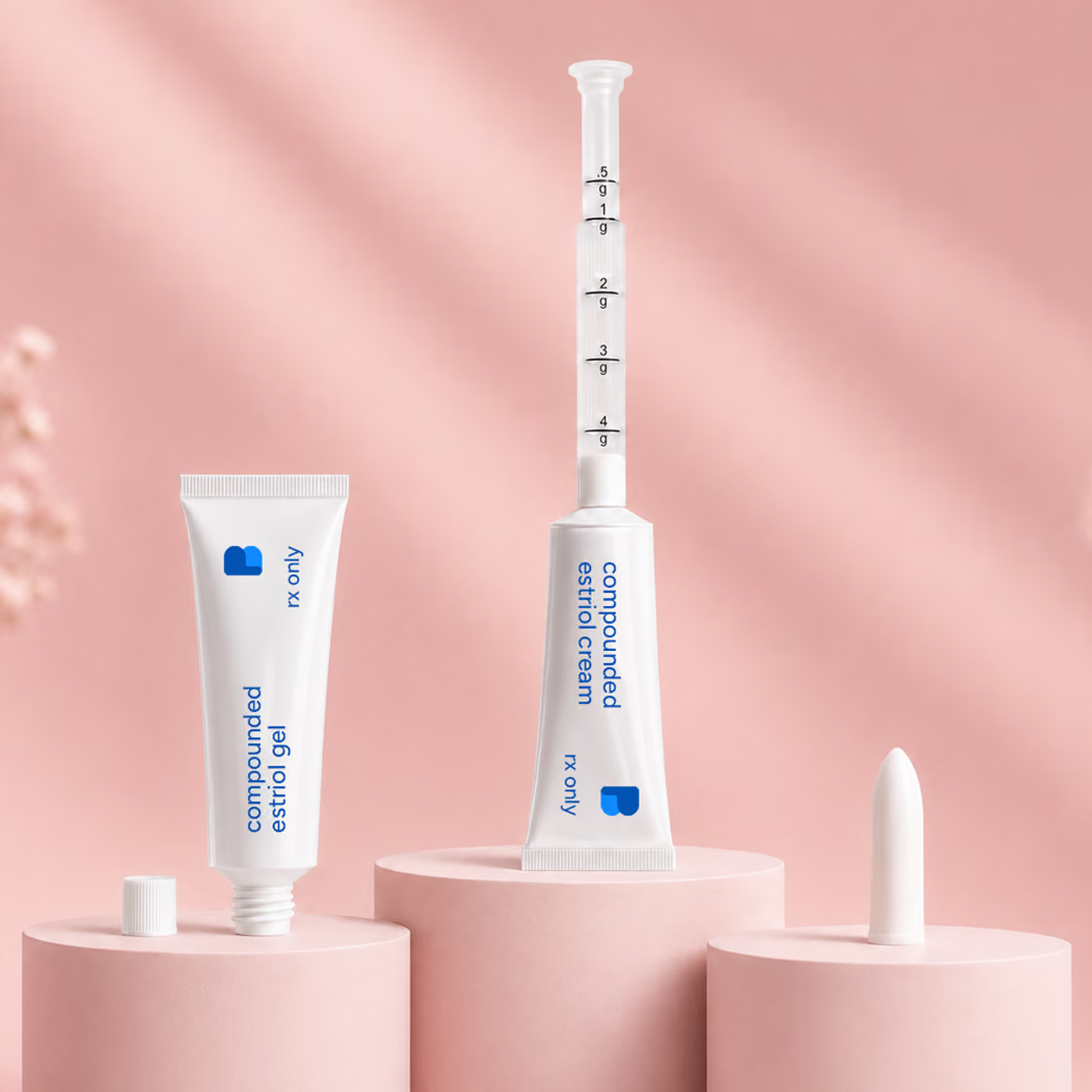




Bi-Est is a compounded, prescription-only estrogen preparation that combines two estrogens the body makes naturally, estriol (E3) and estradiol (E2), in a single product. The name "Bi-Est" means "two estrogens." A licensed pharmacy prepares it to the ratio and strength your provider orders rather than mass-producing it, and it comes in several forms: a topical cream, an anhydrous topical gel, and a troche, which is a lozenge that dissolves in the mouth.
It is one option a provider may consider as part of menopausal hormone therapy for people whose own estrogen levels have fallen, typically around and after menopause. Only a licensed provider can decide whether it is appropriate. Bi-Est is part of our hormone replacement therapy compounding line, alongside progesterone, the combined Bi-Est with progesterone preparation, estradiol topical cream, and vaginal estriol.
How does it work?
Estrogens are hormones that act on tissues throughout the body, including the reproductive tract, bone, and blood vessels. As estrogen levels decline around menopause, some people experience symptoms such as hot flashes, night sweats, and vaginal dryness. Estrogen therapy supplies estrogen to help address those symptoms. Bi-Est combines two of the body's three main estrogens.
- Estradiol (E2). The most potent of the body's estrogens and the main estrogen during the reproductive years (MedlinePlus).
- Estriol (E3). A weaker estrogen that binds the estrogen receptors less strongly than estradiol (StatPearls).
Compounded Bi-Est is often prepared in an 80/20 or 50/50 ratio, referring to the proportion of estriol to estradiol. Your provider chooses the ratio, strength, and form.
What is it used for?
Providers may prescribe an estrogen preparation such as Bi-Est as part of care for menopausal symptoms, for example vasomotor symptoms (hot flashes and night sweats) and the genitourinary syndrome of menopause (vaginal dryness and related changes), when they determine it is appropriate. Menopausal hormone therapy and its role are described in the Menopause Society 2022 Hormone Therapy Position Statement. Only a licensed provider can decide whether this formulation is right for an individual. Bayview Pharmacy does not provide consultations or determine appropriateness, and a valid prescription is required. Already have a prescription at another pharmacy? You can transfer it to Bayview.
How does it compare to other estrogen options?
Estrogen therapies differ mainly in which estrogen they contain and how they are taken. The table below describes those differences for education only.
| Option | Estrogens | Form and route |
|---|---|---|
| Bi-Est (this formulation) | Estriol and estradiol | Compounded cream, gel, or troche |
| Compounded estradiol alone | Estradiol only | Compounded cream, gel, or troche |
| FDA-approved estradiol products | Estradiol only | Manufactured patch, gel, tablet, or vaginal form |
| Vaginal estriol | Estriol only | Compounded vaginal cream, acting locally |
| Bi-Est with progesterone | Estriol, estradiol, and progesterone | Compounded topical cream, one preparation |
| Tri-Est | Estriol, estradiol, and estrone | Compounded preparation |
Compounded preparations are not FDA-approved and are not reviewed by the FDA for safety, quality, or effectiveness. Differences in ingredients and route are described for education only and are not a statement that any option is safer, more natural, better, stronger, or more effective. Your provider determines what is appropriate for you.
How is it used?
Bi-Est is used following the exact form, technique, and dose set by your prescriber, who establishes your starting dose and any adjustments. A cream or gel is typically applied to the skin as directed. A troche is allowed to dissolve as directed. If you still have your uterus, your provider will usually also prescribe a progestogen such as progesterone to take alongside estrogen. See the safety section below. Never change your dose on your own. If you are unsure about how to use it or about your dosing, contact your prescriber. A Bayview pharmacist is available if you have questions about your prescription.
Side effects & safety
As with any medication, side effects are possible. Reported effects of estrogen therapy include breast tenderness, headache, nausea, bloating, mood changes, and spotting or breakthrough bleeding. Report any of these to your provider.
Seek immediate medical care for signs of a serious problem such as chest pain, shortness of breath, a severe headache, sudden vision changes, weakness or numbness on one side of the body, or pain and swelling in a leg. Contact your provider promptly for unusual vaginal bleeding, a breast lump, or any reaction that concerns you.
Who should not use it?
Estrogen therapy is not appropriate for everyone. It is generally avoided in people with unexplained vaginal bleeding, a history of certain hormone-sensitive cancers such as breast or uterine cancer, a history of blood clots, stroke, or heart attack, active liver disease, known or suspected pregnancy, or a known sensitivity to the ingredients. Tell your provider about your full medical history and all medications you take so they can determine whether this formulation is appropriate.
How should it be stored?
Store exactly as directed on your label, away from heat, light, and moisture. Keep it out of the reach of children and others in the home, and avoid skin contact by anyone the medication is not prescribed for. Do not use it after its expiration or beyond-use date.
Why is this compounded?
A combined estriol-plus-estradiol product is not available as a standard FDA-approved manufactured medication, so it is prepared by compounding. Compounding lets a licensed pharmacy tailor the ratio, strength, and dosage form to an individual prescription, preparing Bi-Est as a cream, an anhydrous gel, or a troche. As a 503A compounding pharmacy, Bayview prepares each order in small batches under USP <795> standards using quality ingredients. Compounded preparations are not FDA-approved. The rest of the hormone line is in our compounded medications catalog.
Clinical details for prescribers
Formulation. Combination estrogen preparation delivering estriol (E3, lower-affinity estrogen receptor agonist) and estradiol (E2, principal endogenous estrogen), commonly compounded in 80/20 or 50/50 E3 to E2 ratios. Available as a topical cream, an anhydrous VersaBase-type topical gel, and a buccal or sublingual troche. Strengths and ratios are listed in the strengths table on this page.
Clinical role. Provider-directed menopausal hormone therapy for vasomotor symptoms and genitourinary syndrome of menopause. Estrogen monotherapy is inappropriate for patients with an intact uterus without adequate progestogen opposition because of endometrial hyperplasia and carcinoma risk. Per the Menopause Society 2022 statement, individualize by age, time since menopause, and risk profile.
Counseling points:
- Add a progestogen for patients with an intact uterus and document endometrial protection.
- Review VTE, stroke, and hormone-sensitive-cancer contraindications before initiating.
- Counsel on transfer risk from topical application. Use the lowest effective dose.
- Report unscheduled bleeding for evaluation.
Compounded "bioidentical" hormone therapy is not FDA-approved. See the NASEM report on the clinical utility of compounded bioidentical hormone therapy. Account setup, licensing, and ordering are covered on our for providers page.
This is a prescription-only compounded medication and is not FDA-approved. This information is educational and is not medical advice. Your provider determines whether it is appropriate and sets the ratio, formulation, and dose.