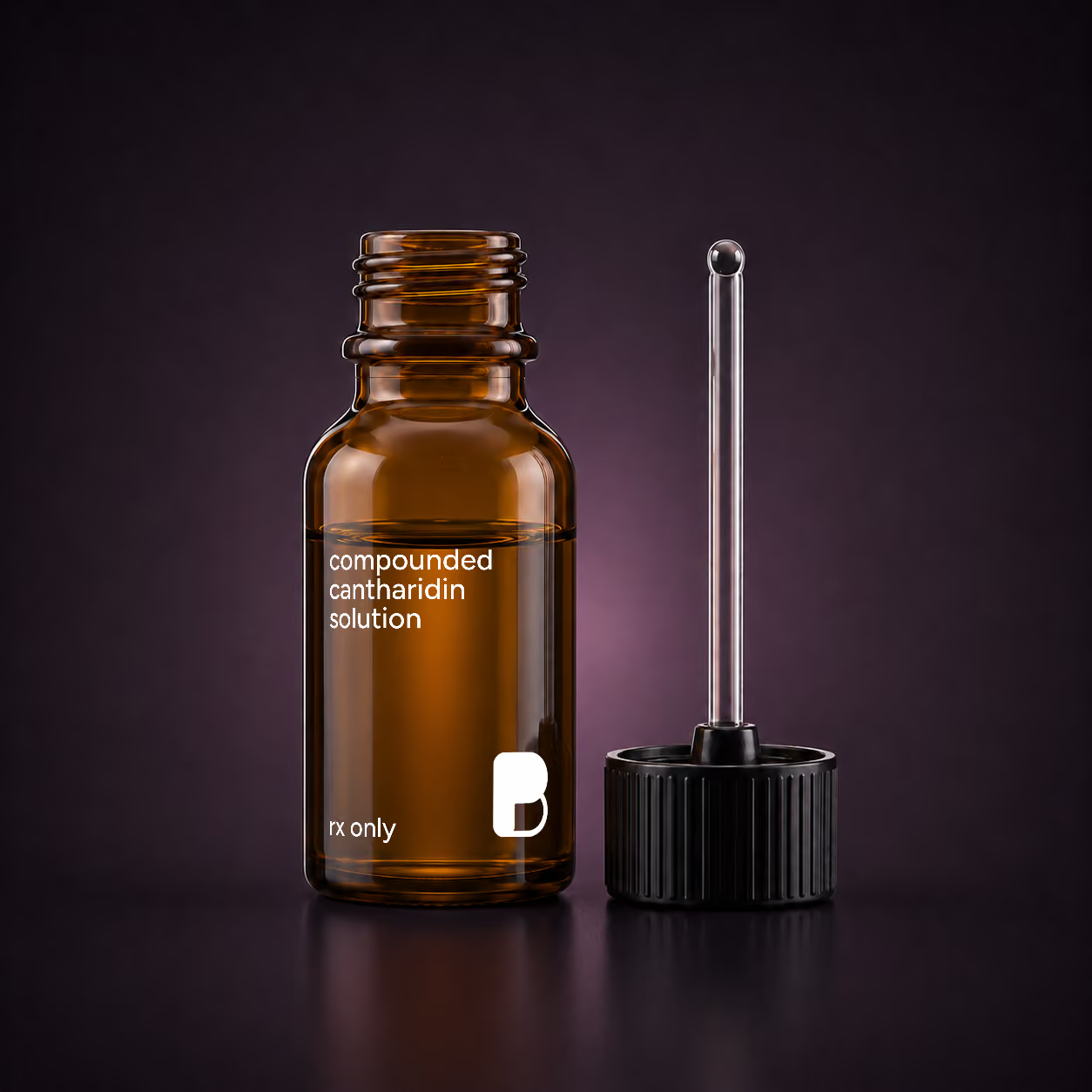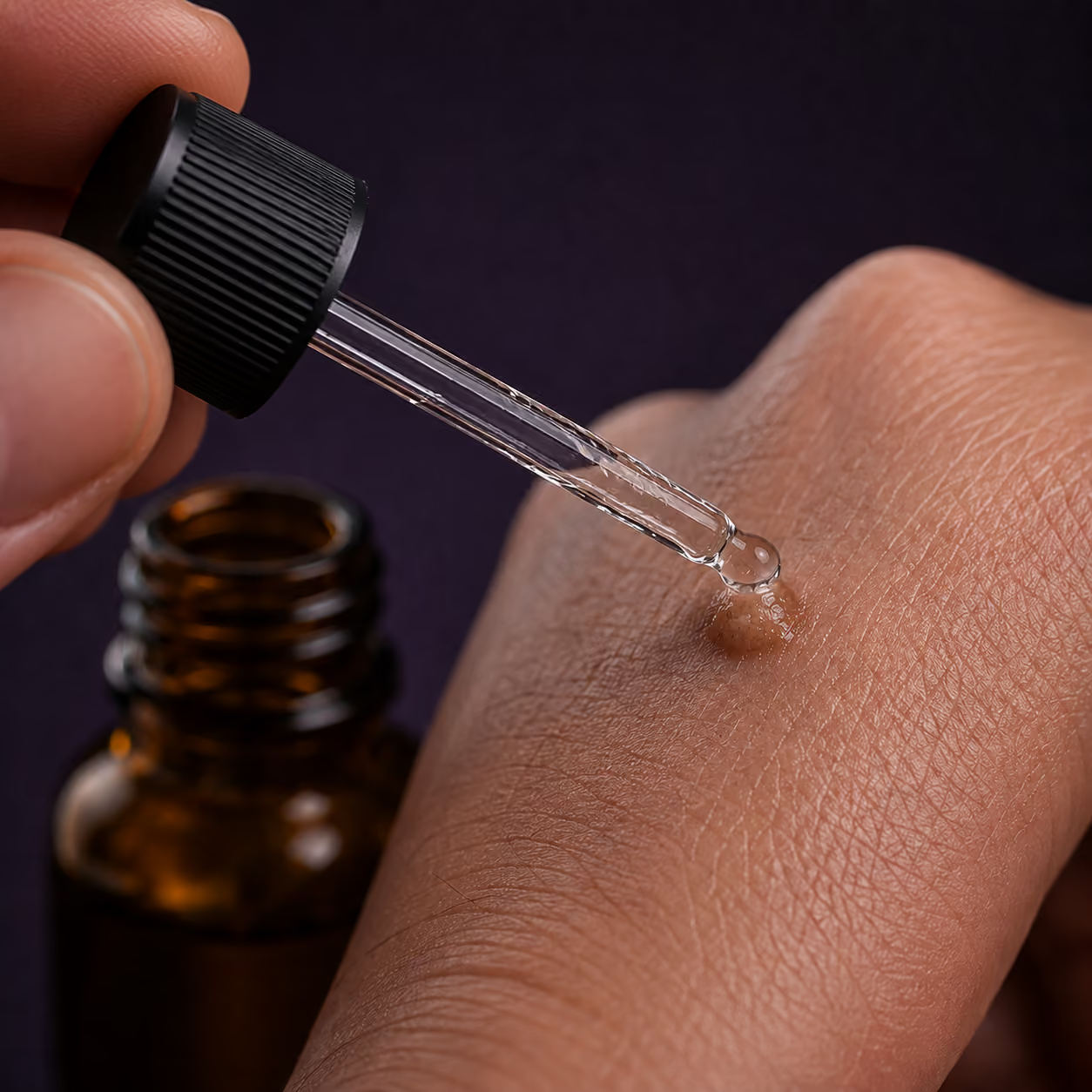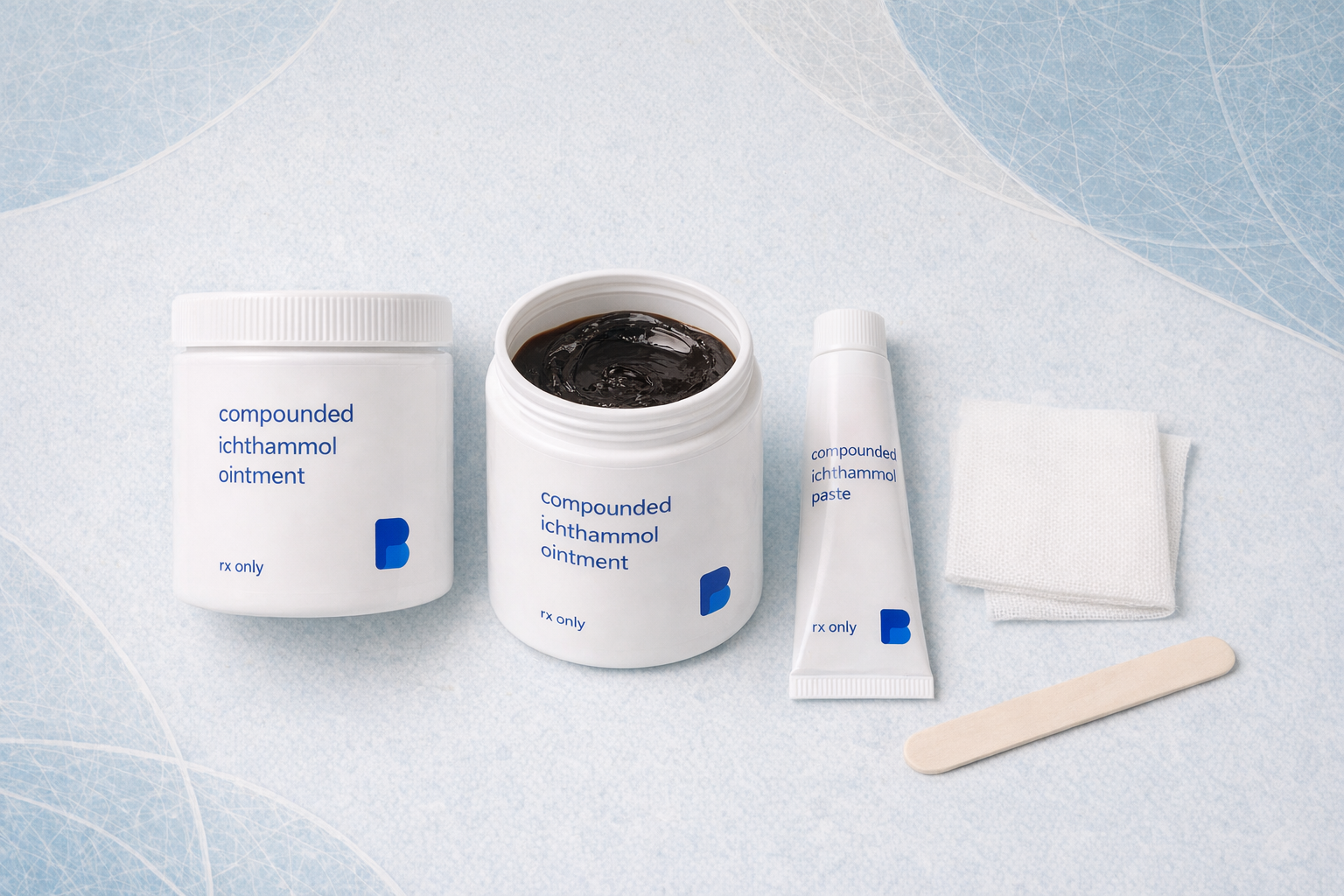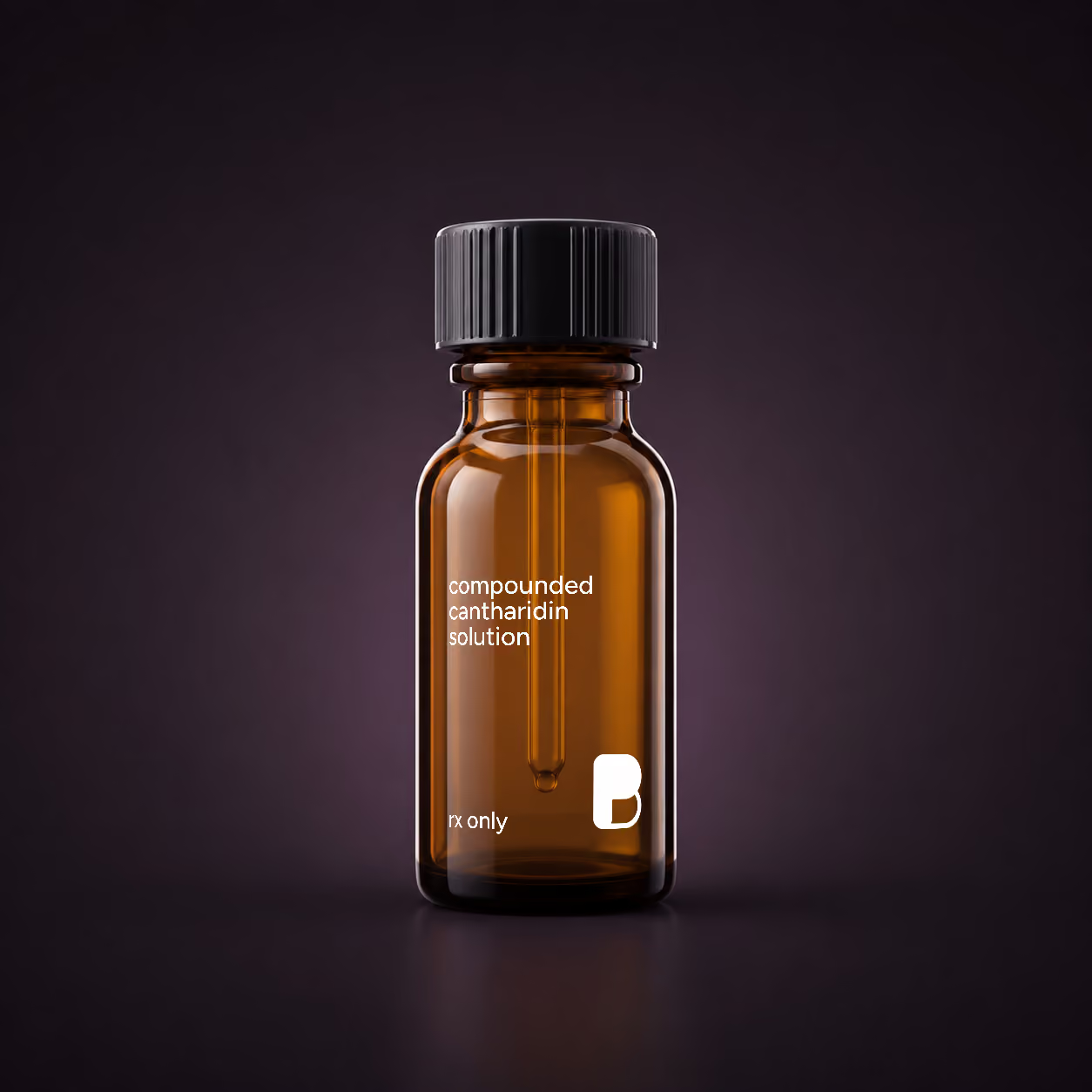




Cantharidin is a compounded, prescription-only topical preparation used by clinicians to treat molluscum contagiosum and certain warts. It is a vesicant (a blistering agent): when applied to a lesion, it causes a small, controlled blister that lifts the lesion away as it heals. Because of how it works, cantharidin is applied by a provider during an office visit, it is not a medication a patient uses at home.
Bayview compounds two cantharidin preparations, both in 5 mL: a cantharidin 1% topical solution, and a combination cantharidin 1% / podophyllin 5% / salicylic acid 30% topical liquid often used for more resistant warts. Only a licensed provider can decide whether either is appropriate for a patient. Bayview compounds this as part of our dermatology compounding line.
How does it work?
Cantharidin is a vesicant that acts within the upper layer of the skin (the epidermis). Applied to a lesion, it prompts the epidermal cells to separate, forming a blister beneath the lesion without reaching the deeper skin, which is why healing typically occurs without scarring (StatPearls, molluscum contagiosum). In the combination liquid, two additional agents are included for wart treatment: salicylic acid, a keratolytic that softens and removes thickened skin, and podophyllin, a plant resin with antimitotic activity. The provider controls exactly where and how much is applied.
What is it used for?
Clinicians use cantharidin to treat molluscum contagiosum and certain warts (verrucae). The single-agent 1% solution is commonly used for molluscum; the cantharidin/podophyllin/salicylic acid combination is typically reserved for more resistant warts. A proprietary cantharidin product is now FDA-approved for molluscum; compounded cantharidin preparations like these are not FDA-approved and are prepared by a licensed pharmacy pursuant to a prescription. Only a licensed provider can decide whether treatment is appropriate; Bayview Pharmacy does not provide consultations or determine appropriateness, and a valid prescription is required.
What to expect at the visit
During the appointment, the provider applies a small amount of cantharidin to each lesion. Application is generally painless at the time, which can make it a useful option for children. Over the next several hours a blister usually forms at each treated spot; the provider will give instructions on when to wash it off and how to care for the area. The blisters typically dry and resolve over one to two weeks. Some tenderness, redness, or itching at the treated sites is expected. More than one visit may be needed.
Side effects & safety
Because cantharidin is a blistering agent, expected local effects include blistering, redness, tenderness, and itching at the treated sites. Applied only to the lesions by a provider, these effects are localized and generally resolve as the area heals. Following the provider's aftercare instructions, including when to wash off the medication, helps limit excess blistering.
Contact the treating provider about blisters that are unusually large or painful, signs of infection at a treated site, or any reaction that concerns the patient.
When is it not appropriate?
A provider determines suitability for each patient and lesion. Cantharidin is generally avoided on the face, near the eyes, and on mucous membranes, and on irritated or inflamed skin. The combination liquid contains podophyllin, which should not be used during pregnancy and is used cautiously and in limited amounts. Patients should tell their provider about pregnancy, skin conditions, circulation problems (such as diabetes), and any sensitivity to the ingredients so the provider can decide whether treatment is appropriate.
How should it be stored and handled?
Cantharidin preparations are handled by the clinician and stored per the label, away from heat and open flame, as the solution can be flammable, and secured out of the reach of children. Because these are professional-use topical preparations, they are not dispensed for home storage or self-application.
Why is this compounded?
Compounded cantharidin lets clinicians treat molluscum and warts with a preparation prepared to the prescriber's order. As a 503A compounding pharmacy, Bayview prepares each cantharidin order in small batches under USP <795> standards using quality ingredients, pursuant to a prescription for an individual patient. Because Bayview is a 503A pharmacy and not a 503B outsourcing facility, we do not provide cantharidin as bulk stock for general office use. Compounded preparations are not FDA-approved. Related dermatology preparations include BLT Numbing Cream, Acne, and Topical Pain Cream. The full list is in our compounded medications catalog.
Clinical details for prescribers
Preparations. (1) Cantharidin 1% topical solution, 5 mL, single-agent vesicant, commonly for molluscum contagiosum. (2) Cantharidin 1% / podophyllin 5% / salicylic acid 30% topical liquid, 5 mL, vesicant plus keratolytic and antimitotic, typically for more resistant verrucae. Provider-applied in-office; occlusion increases blistering intensity.
Ordering (503A). Dispensed pursuant to a patient-specific prescription and applied at that patient's visit. Bayview does not supply cantharidin for office stock / general office use (503B outsourcing-facility scope). Provide patient identifiers with the prescription.
Application & counseling points:
- Apply to lesions only, sparing healthy skin; avoid face, periocular area, and mucosa
- Set a wash-off time; counsel on expected blistering at 24 to 48 h and 1 to 2 week resolution
- Podophyllin component: avoid in pregnancy; limit treated area/quantity
- Highly toxic if ingested; flammable solution, keep from flame and out of reach of children
Background: molluscum contagiosum (StatPearls); American Academy of Dermatology. Account setup, licensing, and ordering are covered on our for providers page.
This is a prescription-only compounded medication for professional use and is not FDA-approved. This information is educational and is not medical advice. The treating provider determines whether it is appropriate and applies it.