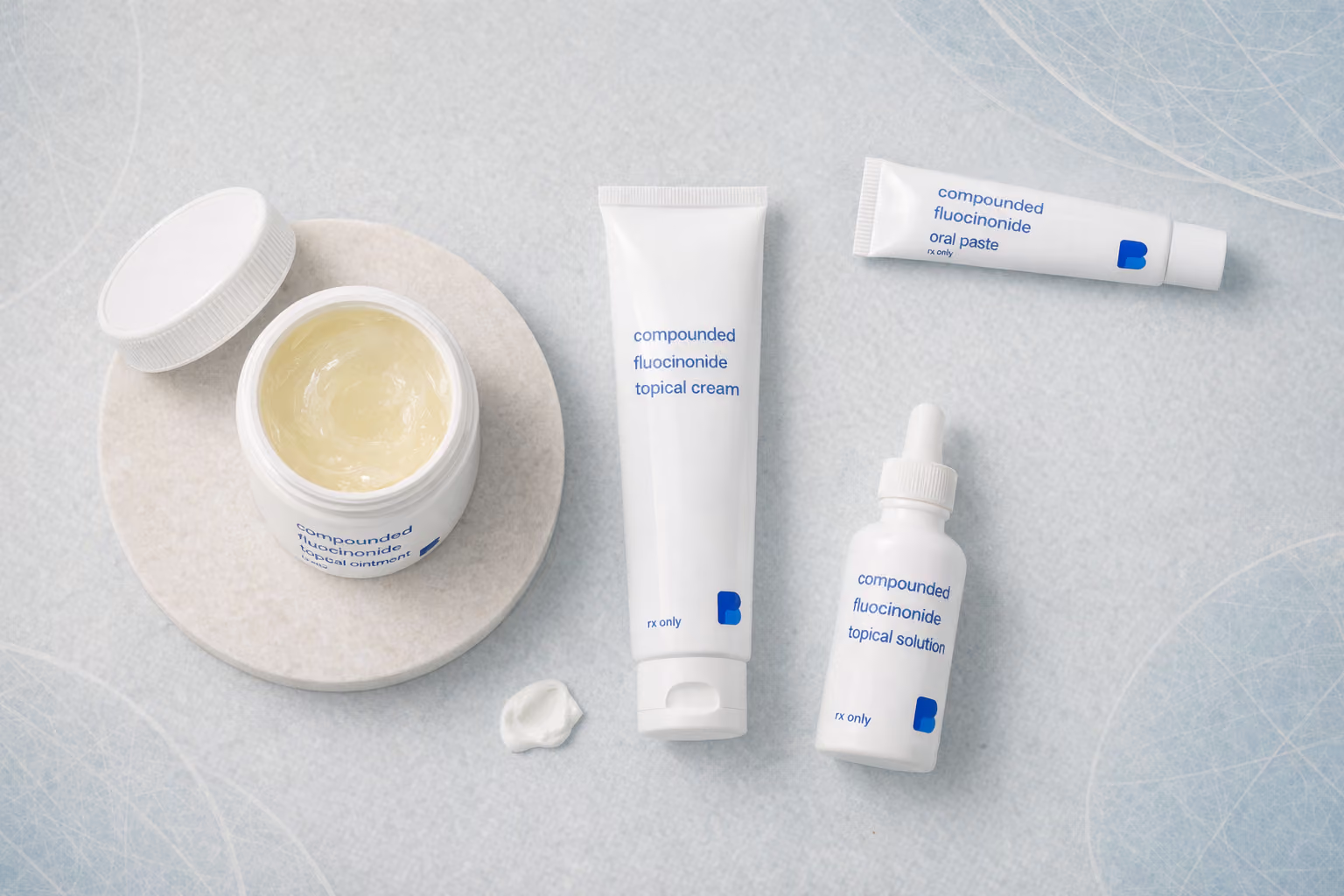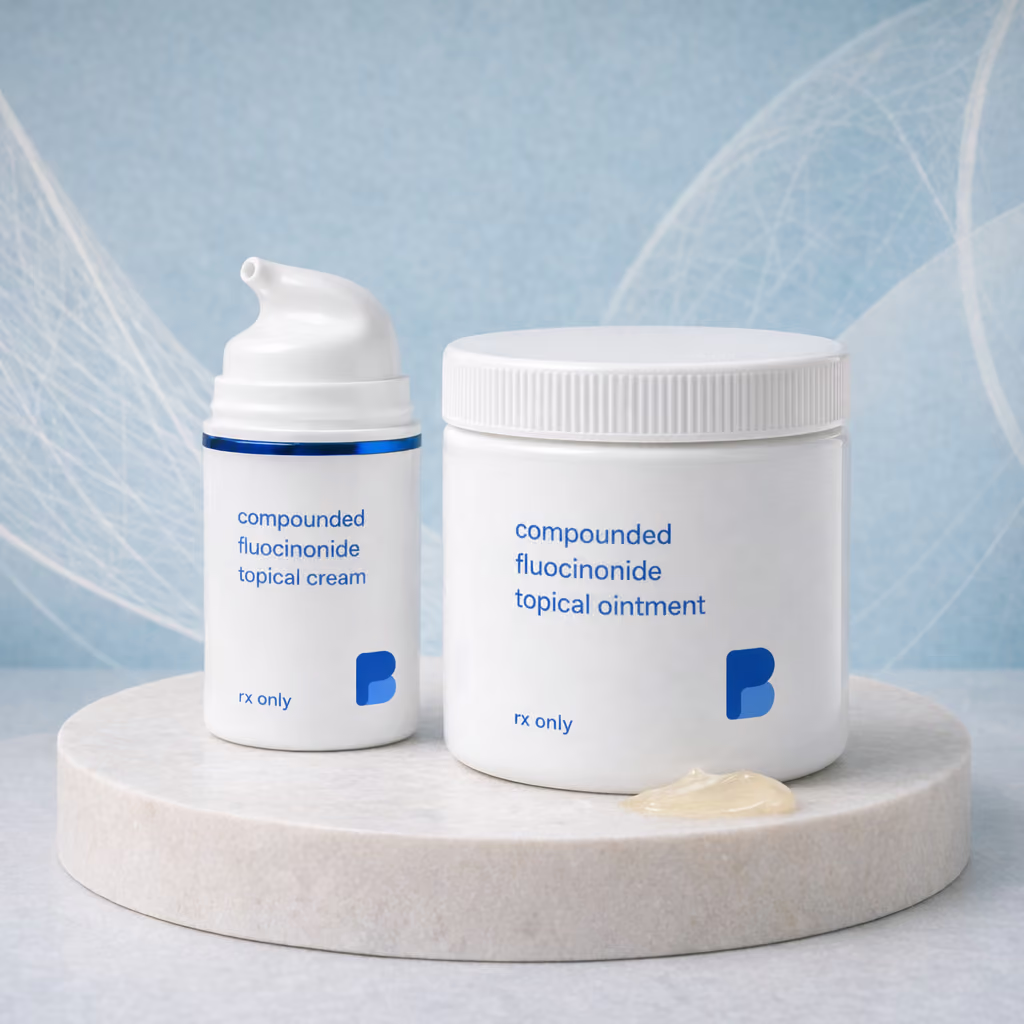



Fluocinonide is a high-potency topical corticosteroid. Applied to the skin, it reduces the inflammation, redness, swelling, and itch of conditions such as eczema, psoriasis, contact dermatitis, and lichen planus. Manufactured fluocinonide is sold as 0.05% cream, ointment, gel, and solution and as a 0.1% cream; other strengths, other bases, and oral preparations are prepared by compounding.
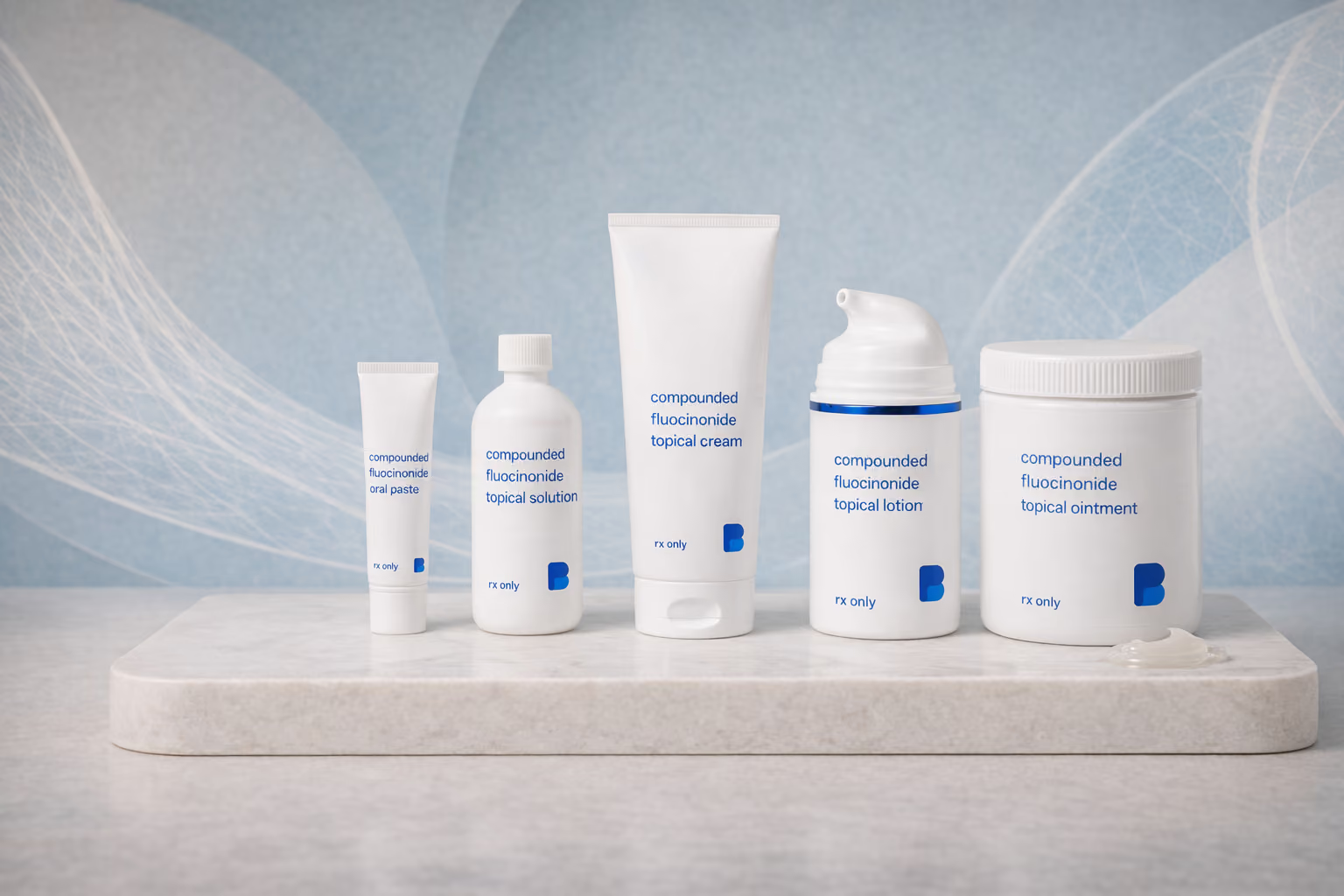
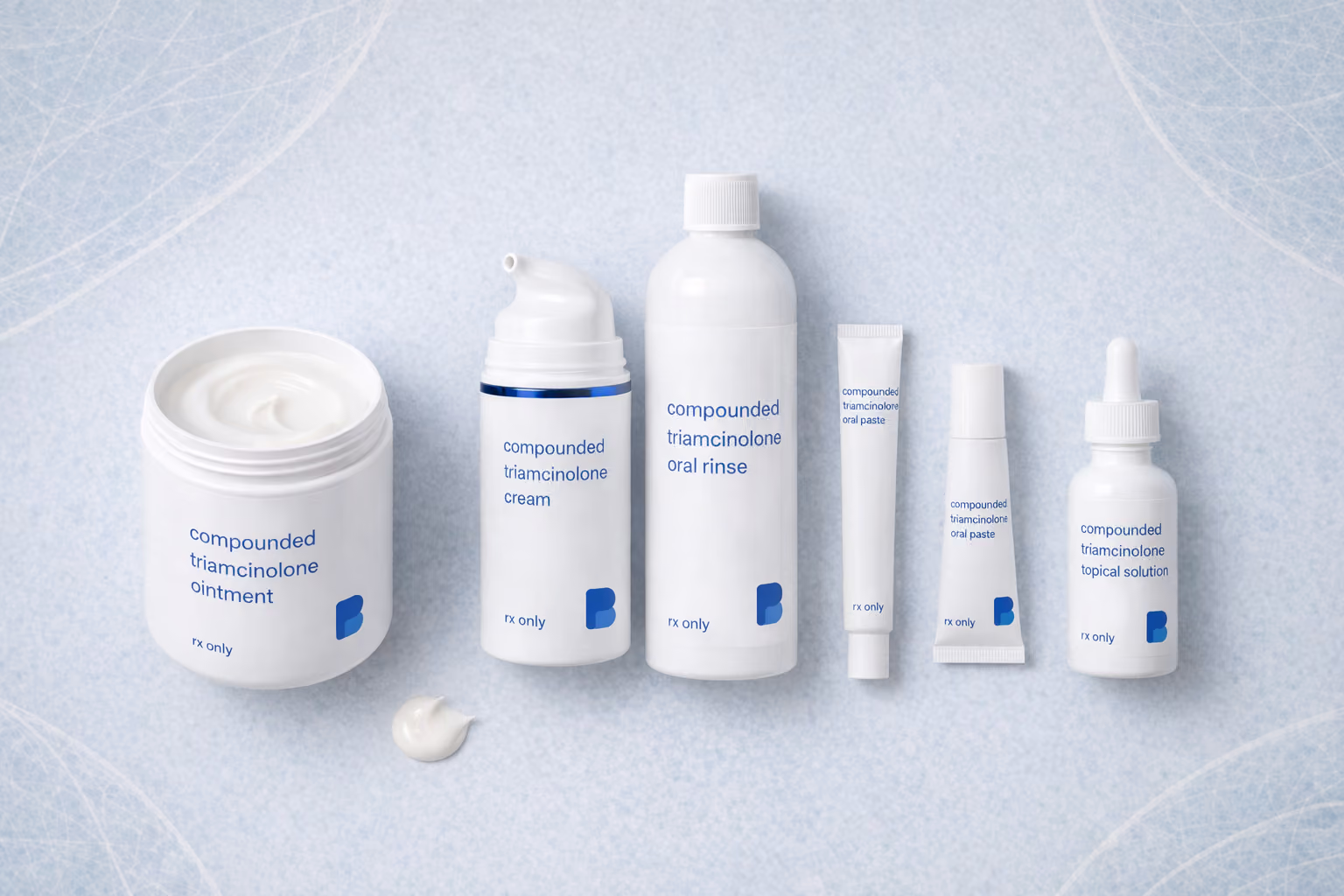
Bayview compounds fluocinonide from 0.01% to 0.1% as a cream, ointment, gel, solution, or lotion, and at 0.05% as an oral adhesive paste and an oral rinse, to the strength and base your prescriber orders. Fluocinonide itself is an FDA-approved drug, but these compounded strengths, bases, and oral forms are not FDA-approved. A valid prescription is required, and only your prescriber can decide whether it is appropriate for you. Bayview compounds this as part of our dermatology compounding line.
How does it work?
Corticosteroids act inside skin cells to turn down the production of the chemical signals that drive inflammation, narrow the small blood vessels that cause redness, and slow the overactive cell turnover seen in psoriasis (StatPearls, Topical Corticosteroids). Topical steroids are grouped into seven potency classes; fluocinonide 0.05% sits in class II (high potency) and the 0.1% cream in class I (superpotent), which is why it is prescribed for short, defined courses rather than open-ended use (StatPearls, Topical Corticosteroids). Some fluocinonide is absorbed through the skin into the bloodstream, and that absorption rises with the strength, the size of the treated area, damaged or inflamed skin, and occlusion (DailyMed, Fluocinonide 0.05%).
What is it used for?
Manufactured fluocinonide is FDA-approved to relieve the inflammation and itch of corticosteroid-responsive skin conditions (DailyMed, Fluocinonide 0.05%). Prescribers use it for eczema and atopic dermatitis, plaque psoriasis, contact dermatitis, lichen planus, discoid lupus, and similar inflammatory conditions, usually on thicker skin such as the arms, legs, trunk, hands, feet, and scalp (MedlinePlus, Fluocinonide Topical). Inside the mouth, potent topical steroids in an adhesive paste or a rinse are a first-line treatment for symptomatic oral lichen planus and are also used for other inflammatory mouth conditions (StatPearls, Oral Lichen Planus). Your prescriber decides whether it fits your situation and how it should be used.
Cream, ointment, gel, solution, or lotion?
The base changes how the medicine feels and where it works best. Ointment is greasy, holds moisture in, and is generally preferred for thick, dry, or scaly patches. Cream absorbs and is preferred for moist or weeping areas. Gel, solution, and lotion spread through hair and dry without residue, so they are the usual choices for the scalp and other hair-bearing skin (StatPearls, Topical Corticosteroids). The oral adhesive paste is applied as a thin layer that sticks to the affected spot inside the mouth; the oral rinse is swished and spat out and reaches patches a paste cannot (StatPearls, Oral Lichen Planus). Your prescriber selects the form and strength; see the strengths section for what Bayview compounds.
How is it used?
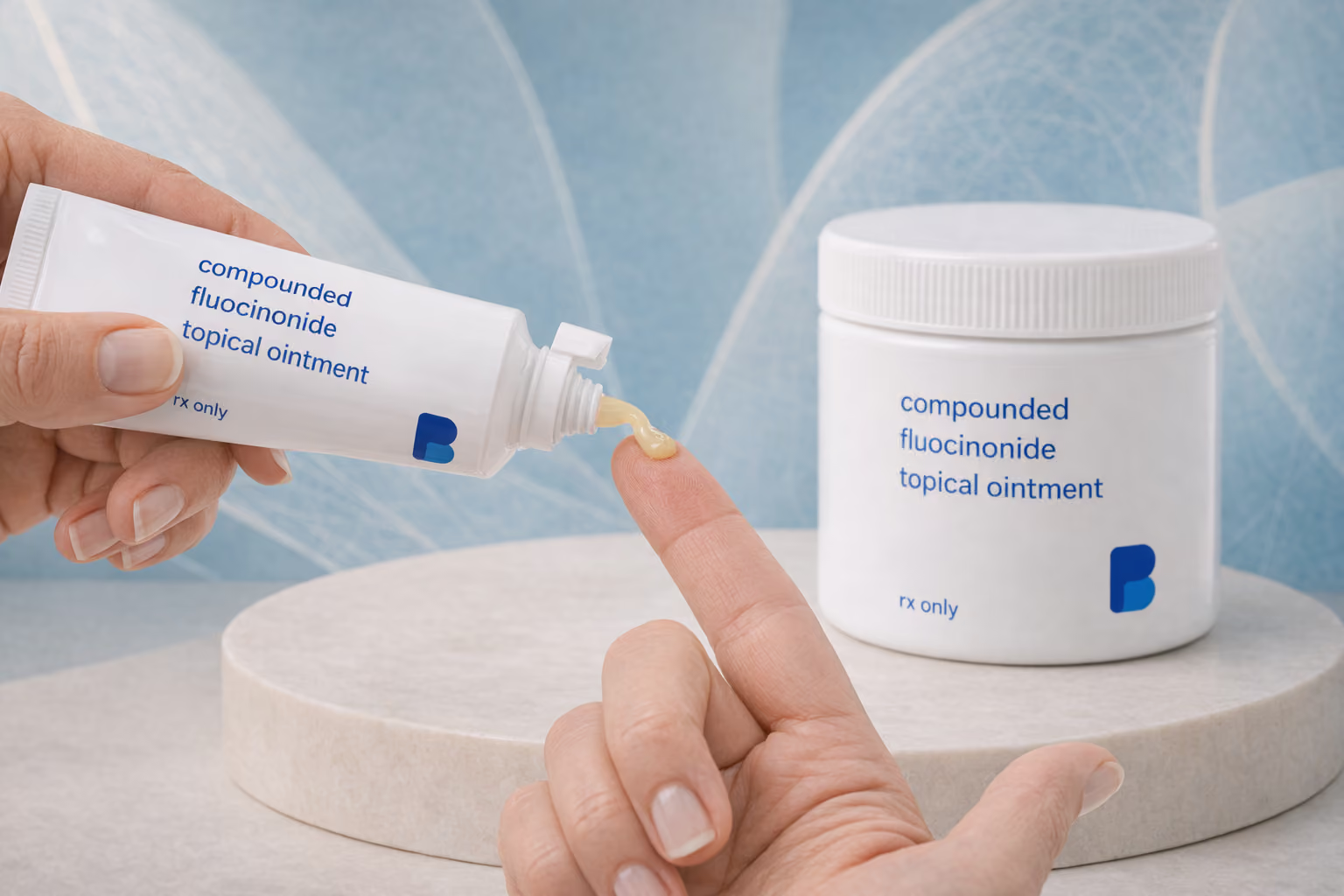
Apply a thin film to the affected skin, usually one to four times a day as your prescriber directs, and rub it in gently. Wash your hands afterward unless your hands are the treated area. Do not wrap, bandage, or cover the area, and do not use it under a diaper or plastic pants on a child, unless your prescriber says to. Keep it away from the eyes, and off the face, groin, and skin folds unless directed (MedlinePlus, Fluocinonide Topical).
Finish the course your prescriber set and do not continue past it; if the condition has not improved within two weeks, tell your prescriber rather than using more. For the oral paste, dry the spot with a tissue, dab on a small amount, and avoid eating or drinking for at least 30 minutes; for the rinse, swish for the time directed and spit it out (StatPearls, Oral Lichen Planus).
Side effects & safety
Most effects are local: burning or stinging on application, itching, dryness, redness, acne-like bumps, and lightening of the skin. Potent steroids used for too long or on thin skin can cause thinning, stretch marks, and visible blood vessels, some of which do not fully reverse.
Who should not use it?
Avoid fluocinonide if you are allergic to it or to other corticosteroids. Do not put it on infected skin, cold sores, or thrush unless your prescriber is treating the infection at the same time, because steroids can let an infection spread. Tell your prescriber if you are pregnant or breastfeeding; a topical steroid applied to a small area is generally considered acceptable during breastfeeding, but it should not be applied to the nipple area before feeding (LactMed, Fluocinonide). Also mention diabetes, glaucoma, any other steroid medicines you use, and whether the area to be treated is large. Use in children calls for a pediatric prescriber's direction.
How should it be stored?
Store as directed on your label, at room temperature away from heat and moisture, and keep it out of the reach of children and pets. Do not use it after the beyond-use date, and dispose of unused medication as directed.
Why is this compounded?
FDA-approved fluocinonide comes as 0.05% cream, ointment, gel, and solution and as a 0.1% cream, and when one of those fits the order, that is what Bayview dispenses. Compounding is for the cases the manufactured line does not cover: a lower strength such as 0.01% or 0.025% for a larger area or a step-down course, a 0.1% ointment, gel, or solution, a lotion, or an adhesive paste or rinse for the inside of the mouth, which no manufacturer makes.
As a 503A compounding pharmacy, Bayview prepares each order in small batches under USP standards, pursuant to a prescription for an individual patient. We do not supply fluocinonide as clinic or office stock, that is the role of a 503B outsourcing facility, which Bayview is not. Compounded preparations are not FDA-approved. Related preparations include Compounded Tacrolimus, Hydroquinone Brightening Blends, Magic Mouthwash, and Mupirocin, Betamethasone & Miconazole Cream. The full list is in our compounded medications catalog.
Clinical details for prescribers
Regulatory status. Fluocinonide is a fluorinated corticosteroid; 0.05% preparations are class II and the 0.1% cream is class I on the seven-class scale. FDA-approved presentations: 0.05% cream, ointment, gel, and topical solution; 0.1% cream. Other strengths (0.01%, 0.015%, 0.025%, 0.1% ointment, gel, and solution), lotion vehicles, and the oral adhesive paste and oral rinse are compounded and not FDA-approved. Not a controlled substance. Prepared via 503A compounding.
Formulation & directions. Bayview compounds fluocinonide 0.01%, 0.015%, and 0.025% ointment or lotion; 0.05% cream, ointment, gel, solution, or lotion; 0.1% ointment, gel, or solution; 0.05% oral adhesive paste; and 0.05% oral rinse. Dispensed 15 g, 30 g, or 60 g (300 mL for the rinse). Typical outpatient directions: apply a thin film to the affected area twice daily for up to 14 days, no occlusion, then reassess. Oral paste: apply a thin layer to dried lesions two to four times daily; oral rinse: swish 5 mL for two to three minutes and expectorate, two to four times daily, nothing by mouth for 30 minutes after.
Safety & counseling:
- HPA-axis suppression is dose-, area-, and duration-dependent; limit continuous high-potency use to about two weeks, avoid occlusion, and specify site, frequency, and course length on the prescription. Reassess before refilling.
- Avoid the face, intertriginous, and genital skin unless a short course is deliberately intended; atrophy, striae, telangiectasia, and perioral dermatitis are the usual local harms.
- Pediatric patients absorb proportionally more; growth suppression and HPA effects are documented. Use the lowest effective strength for the shortest course.
- Oral preparations: counsel on oropharyngeal candidiasis; consider concurrent antifungal therapy for extended courses. Rinse is expectorated, not swallowed.
- Steroid-sparing alternatives for the face, folds, and long-term maintenance include compounded tacrolimus.
Non-controlled; ship to patient or office per the order form. Licensed to dispense in RI, MA, CT, NJ, NH, FL, ME, and PA. Background: StatPearls, Topical Corticosteroids; DailyMed, Fluocinonide 0.05%; StatPearls, Oral Lichen Planus. Account setup, licensing, and ordering are covered on our for providers page.
This is a prescription compounded medication and is not FDA-approved. This information is educational and is not medical advice. Your prescriber determines whether it is appropriate and sets the formulation and directions.