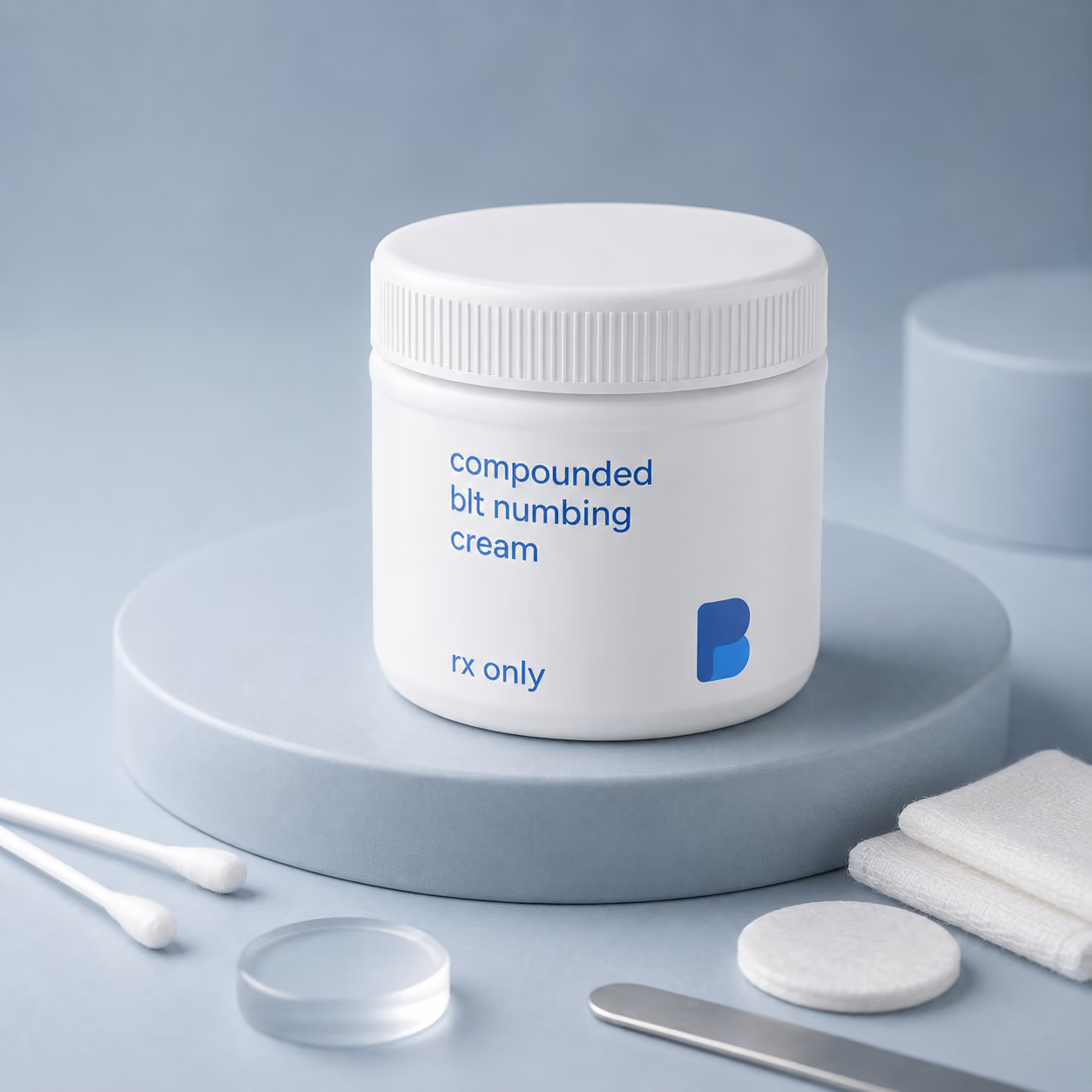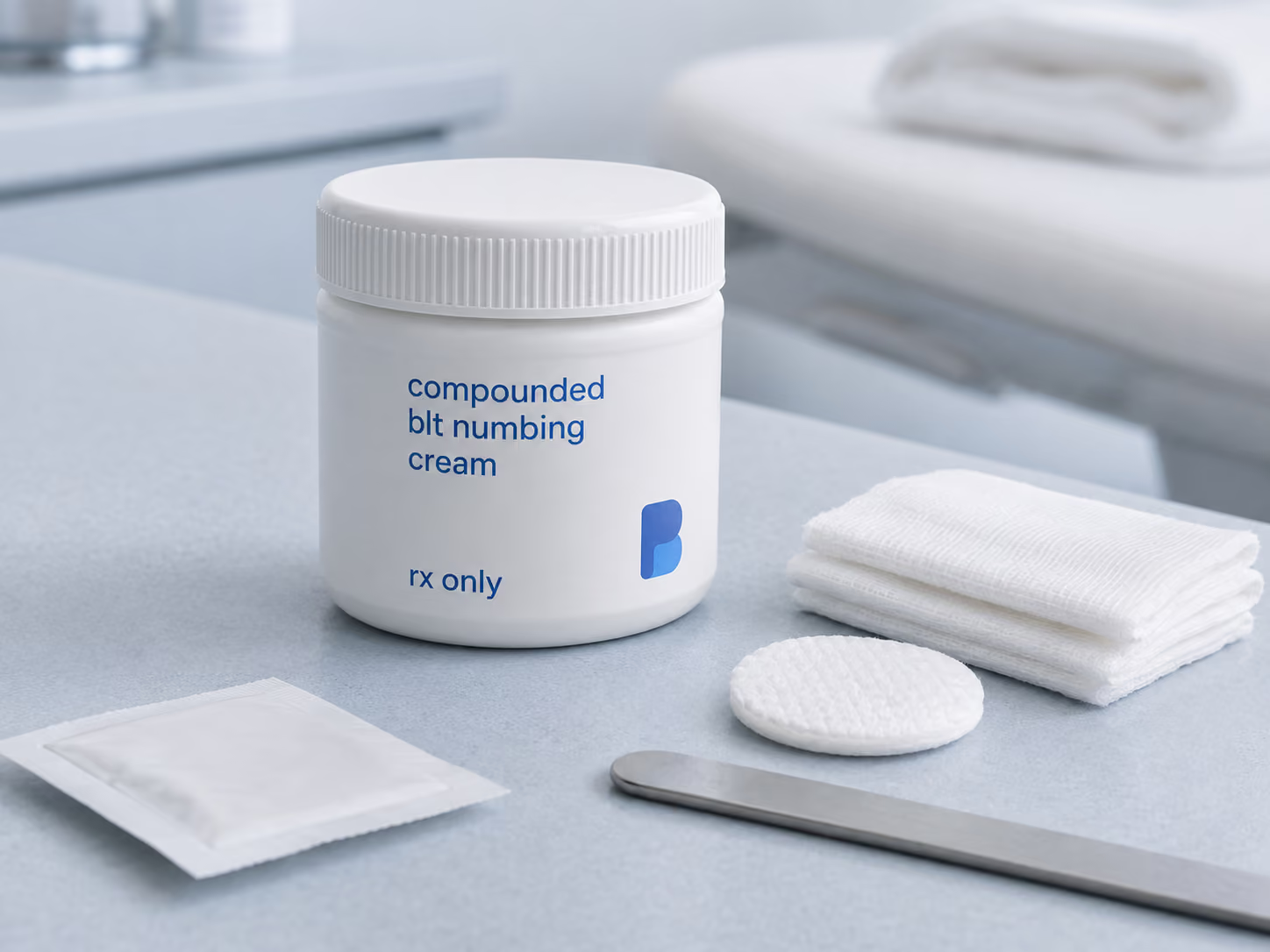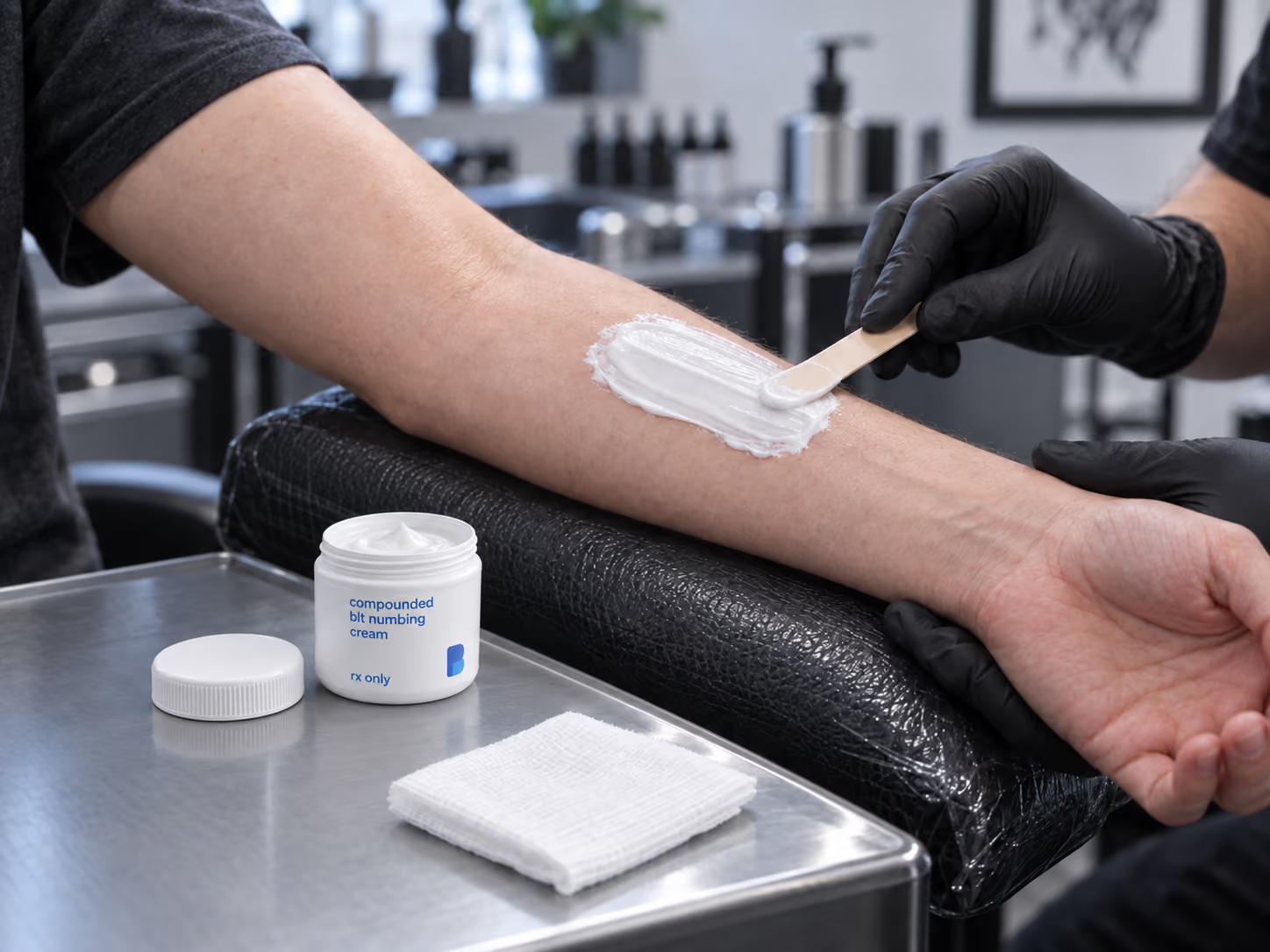


BLT numbing cream is a compounded topical anesthetic that combines three medicines, benzocaine, lidocaine, and tetracaine, to numb the skin before cosmetic and dermatologic procedures. Applied about 45 to 60 minutes beforehand, it helps make treatments like laser, microneedling, tattoos, and injectables far more comfortable.
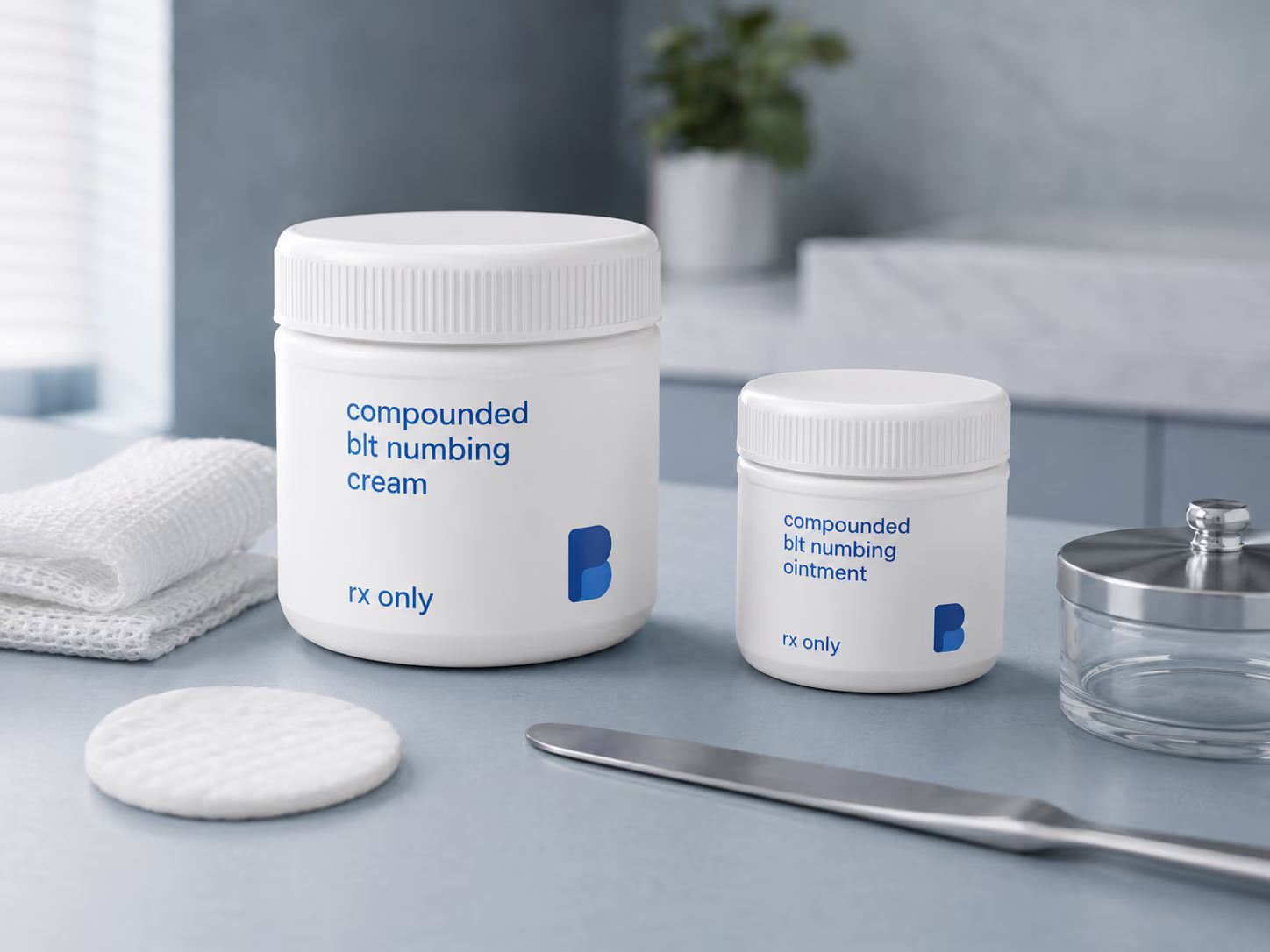
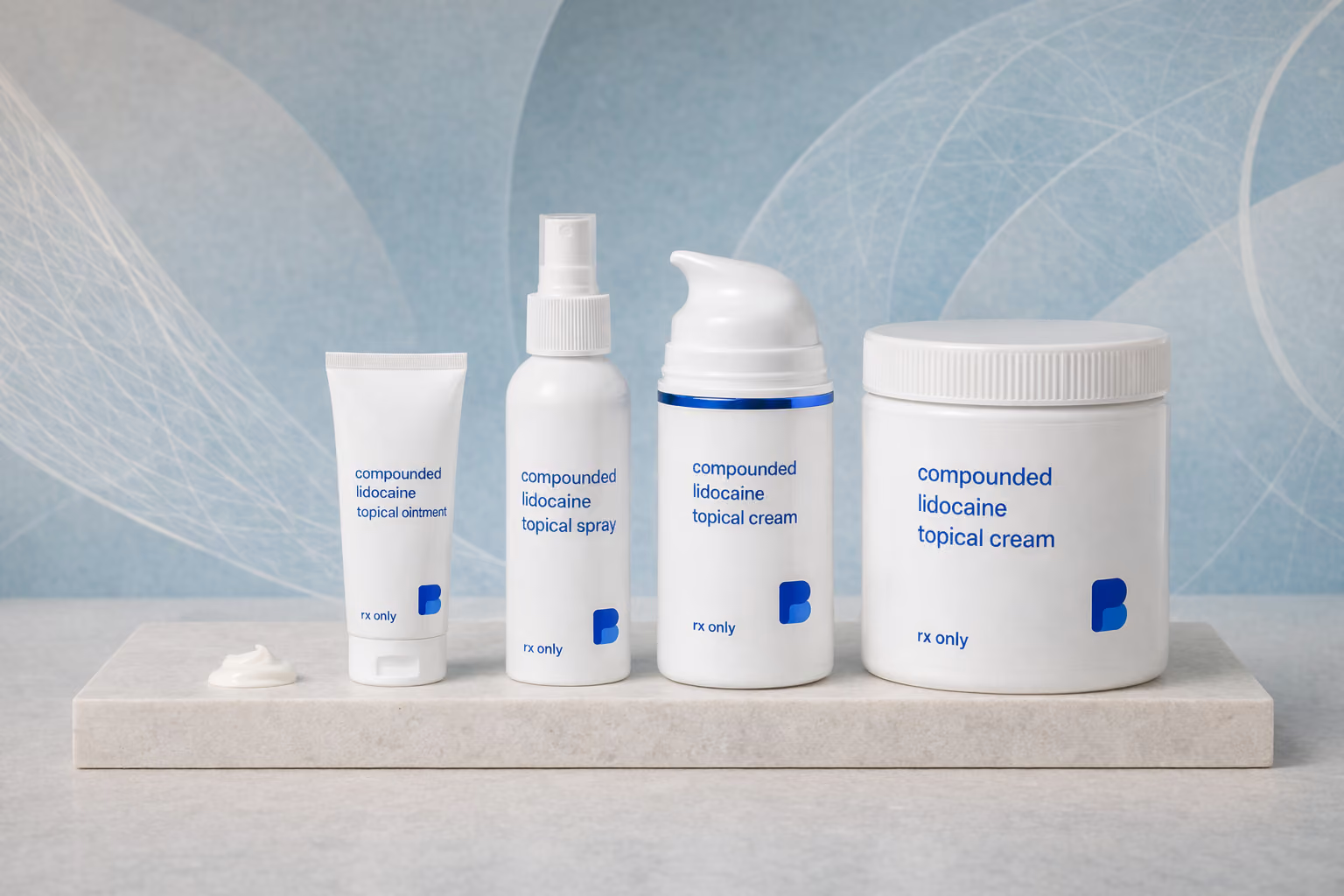
Bayview compounds BLT as a cream for non-laser procedures and as an ointment for laser procedures, in 30 g and 60 g sizes. The individual anesthetics are FDA-approved, but this specific combination is compounded and is not FDA-approved. A valid prescription is required, and only your provider can decide whether it is appropriate for you. Bayview compounds this as part of our dermatology compounding line.
How does it work?
Each ingredient blocks the nerve signals that carry pain and sensation in the skin (StatPearls, Topical Anesthetics). Benzocaine acts quickly at the surface, lidocaine provides the main, reliable numbing, and tetracaine extends how long the effect lasts. Together they give faster onset and steadier comfort than a single agent, which is why the triple combination is popular before aesthetic treatments.
What is it used for?
Providers use BLT to numb intact skin before cosmetic and dermatologic procedures such as laser hair removal, laser resurfacing, microneedling, tattooing and permanent makeup, and injectable treatments like fillers. Your provider decides whether it fits your procedure and how it should be applied.
Cream or ointment?
The difference is the base. Bayview compounds BLT as a cream for non-laser procedures and as an ointment for laser procedures, because the base is chosen to suit the treatment. A lidocaine and tetracaine ointment is also available for laser work. Your provider selects the form and strength; see the strengths section for details.
How is it used?
Apply a thin, even layer to the clean, intact treatment area about 45 to 60 minutes before your procedure, exactly as your provider directs. Use only on the area specified and only the amount directed. Do not apply it to broken, irritated, or sunburned skin, do not cover it with plastic wrap, and do not apply heat unless your provider instructs you to, because these can increase how much medicine is absorbed. Higher-strength BLT is often applied in the office. Remove it as directed before treatment, and wash your hands after applying.
Side effects & safety
Most effects are mild and local, such as temporary redness, blanching (paleness), mild swelling, or a tingling sensation where it is applied. The more serious risk is absorbing too much medicine into the bloodstream, which is why the area, amount, and timing matter.
Who should not use it?
BLT is not for everyone. Avoid it if you are allergic to benzocaine, lidocaine, tetracaine, or related anesthetics, and do not apply it to broken, inflamed, or infected skin. Tell your provider if you have heart or liver problems, a condition that raises the risk of methemoglobinemia (such as G6PD deficiency), or if you are pregnant or breastfeeding. It is not for use on infants or young children unless a provider directs it.
How should it be stored?
Store as directed on your label, at room temperature away from heat and moisture, and keep it out of the reach of children and pets, since even small amounts can be harmful if swallowed. Do not use it after the beyond-use date, and dispose of unused medication as directed.
Why is this compounded?
There is no FDA-approved benzocaine, lidocaine, and tetracaine combination, so BLT is available only through compounding. Compounding lets a licensed pharmacy prepare the exact strengths and bases that providers use for aesthetic procedures. As a 503A compounding pharmacy, Bayview prepares each BLT order in small batches under USP standards, pursuant to a prescription for an individual patient. We do not supply BLT as clinic or office stock, that is the role of a 503B outsourcing facility, which Bayview is not. Compounded preparations are not FDA-approved. Related dermatology preparations include Topical Pain Cream, Cantharidin, Wrinkles & Fine Lines, and Melasma & Dark Spots. The full list is in our compounded medications catalog.
Clinical details for prescribers
Regulatory status. BLT is a compounded combination of benzocaine (ester), lidocaine (amide), and tetracaine (ester); the combination is not FDA-approved. Not a controlled substance. Prepared via 503A compounding.
Formulation & directions. Common preparations are benzocaine 20% / lidocaine 8% / tetracaine 4% and benzocaine 20% / lidocaine 6% / tetracaine 4%, as a cream for non-laser procedures and an ointment for laser procedures; a lidocaine 23% / tetracaine 7% ointment is also available for laser work. Dispensed 30 g or 60 g. Typical directions: apply to the treatment area 45 to 60 minutes before the procedure.
Safety & counseling:
- Apply thin layers to intact skin over a limited area; avoid application to inflamed or denuded tissue, occlusion, and heat, which increase systemic absorption and the risk of local anesthetic systemic toxicity (LAST).
- Higher-strength BLT is best applied and monitored in-office; counsel patients to remove within the directed time.
- Benzocaine carries a risk of methemoglobinemia; advise on bluish discoloration, dyspnea, fatigue, and to seek care. Use caution in G6PD deficiency and in infants.
- The FDA has issued public health advisories on compounded topical anesthetics for cosmetic procedures following serious adverse events and deaths.
Non-controlled; ship to patient or office per the order form. Licensed to dispense in RI, MA, CT, NJ, NH, FL, ME, and PA. Background: StatPearls, Benzocaine; lidocaine/tetracaine for laser procedures. Account setup, licensing, and ordering are covered on our for providers page.
This is a prescription compounded medication and is not FDA-approved. This information is educational and is not medical advice. Your provider determines whether it is appropriate and sets the formulation and directions.