

In Stock
Hospice & Palliative Care Compounding | Bayview Pharmacy

Hospice & Palliative Care Compounding

Smiling man in blue pharmacist scrubs with arms crossed and pen behind his ear.
Medically reviewed by Ryan Dyer, RPh
Last updated on
August 24, 2026
Starting at
$110
for
25 mL
Checkmark icon followed by text 'HSA/FSA Eligible'.
Start with a prescriptionPrescribers: request this order form →
Licensed to fill prescriptions for patients in RI, MA, CT, NY, NJ, NH & FL
This medication is a controlled substance. Your provider must send it by electronic prescribing for controlled substances (EPCS).
  • Concentrated opioid infusions. Preservative-free, past what commercial injection covers.
  • Cassettes sized to the visit. 25, 50, 100, 150, and 200 mL.
  • Beyond opioids. Midazolam, ketamine, dexmedetomidine, haloperidol, and oral concentrates.
  • Sterile and patient-specific. Prepared under USP <797> standards on a valid prescription.
  • Six states. Licensed to dispense in RI, MA, CT, NJ, NH, and FL.

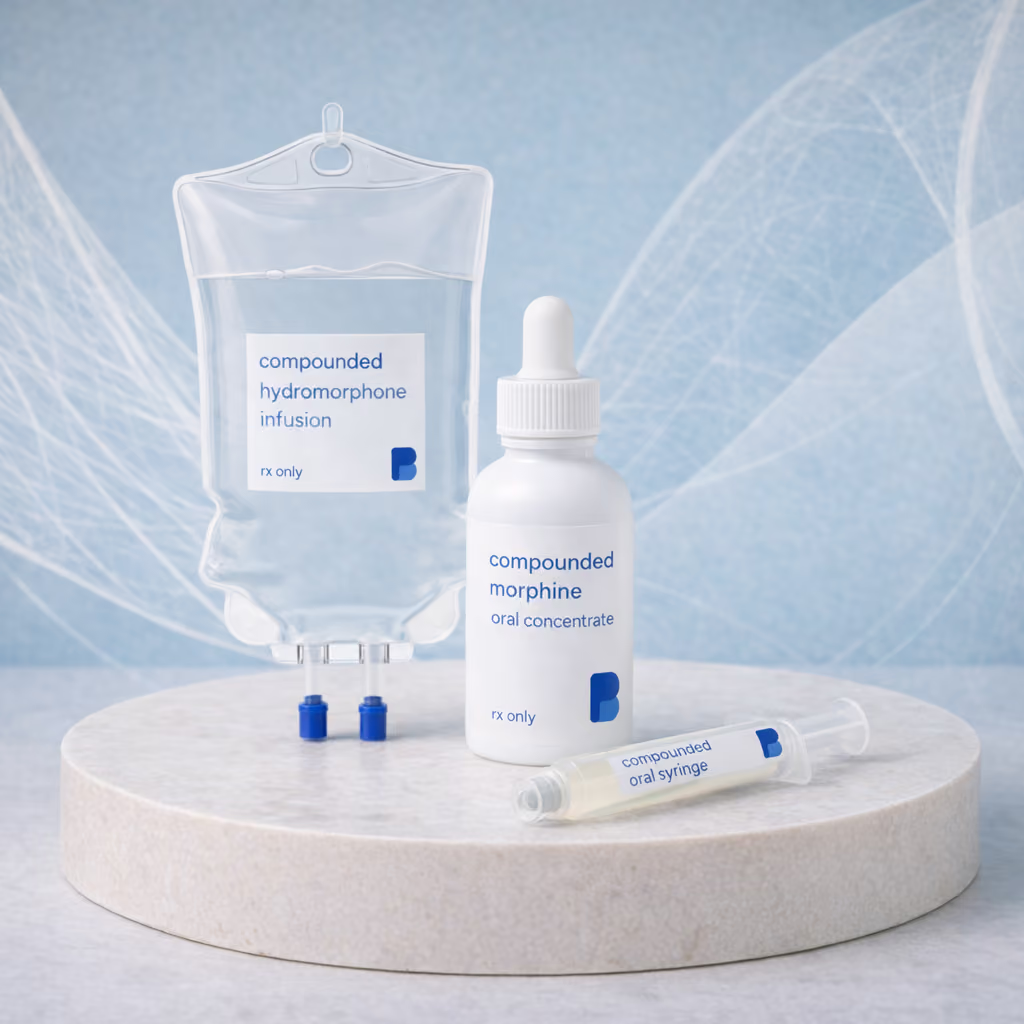
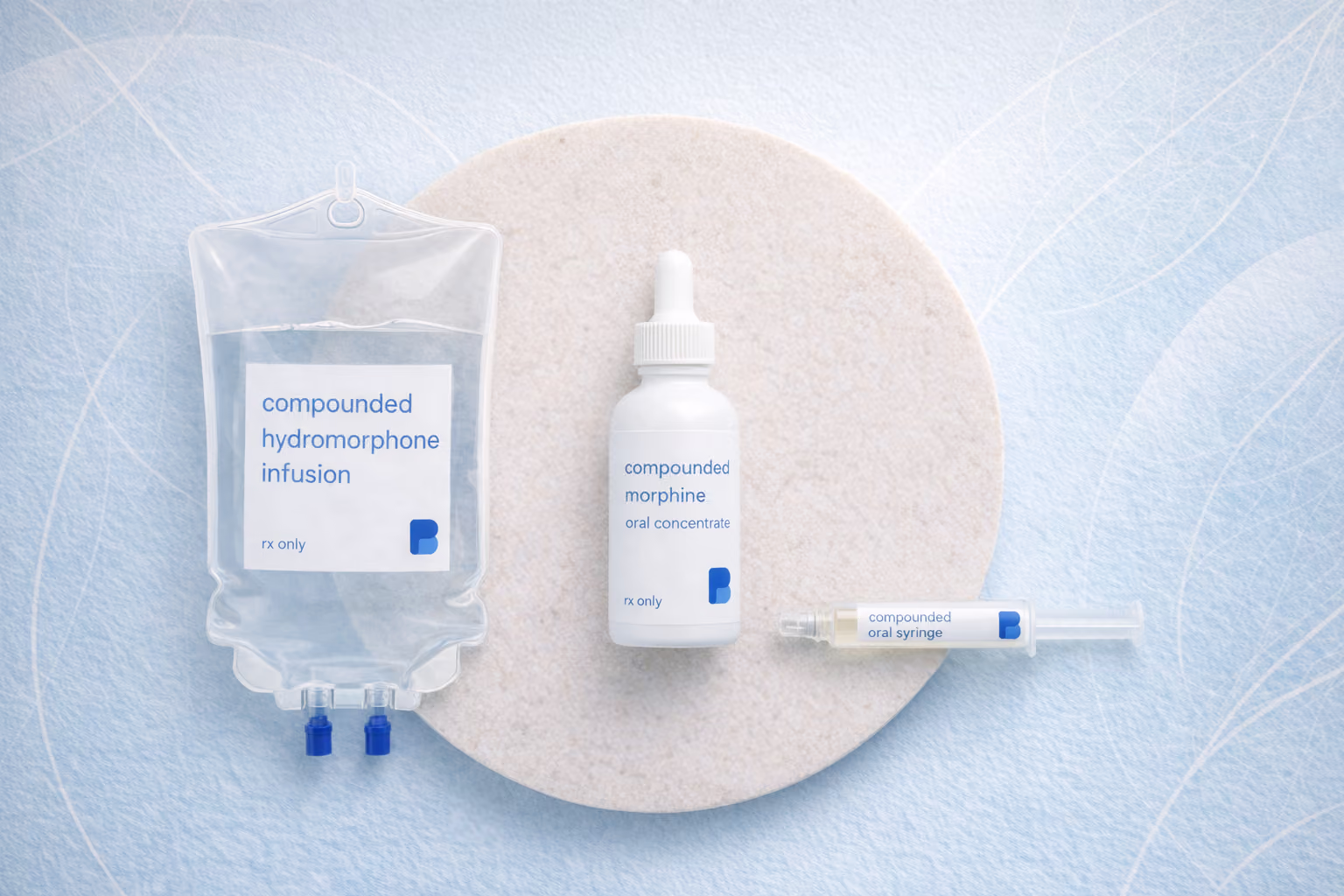
Hospice and palliative care compounding covers the sterile infusions, oral concentrates, and topical preparations used to manage pain, dyspnea, agitation, delirium, seizures, nausea, and airway secretions at the end of life. Bayview Pharmacy prepares these for an identified individual patient on a valid prescription from a hospice or palliative prescriber. Compounded preparations are not FDA-approved, and FDA does not verify the safety, effectiveness, or quality of compounded drugs before they are marketed.

The most frequently ordered items are concentrated preservative-free opioid infusions for continuous subcutaneous infusion in the home. Separate pages cover hydromorphone infusion and morphine infusion in detail. This page summarizes the rest of the catalog and the clinical, regulatory, and ordering points that apply across it.

What does Bayview prepare for hospice patients?

The catalog covers concentrated preservative-free opioid infusions for continuous subcutaneous or IV administration, midazolam, ketamine, dexmedetomidine, and haloperidol infusions, oral and buccal concentrates, ABH-type syringes, and sublingual atropine. Bayview is a 503A pharmacy, so every item is compounded for an identified individual patient on a valid prescription.

We do not supply office-use stock, agency stock, or fillable hospice kits. An agency that needs non-patient-specific stock generally requires a 503B outsourcing facility.

How does a hospice send a Schedule II order?

Under 21 CFR 1306.11 a Schedule II prescription must be written and signed, and EPCS electronic prescribing is accepted where your system supports it. E-prescribe to Bayview Pharmacy, 3844 Post Rd, Warwick, RI 02886, NCPDP 4106882, or fax 401-284-4506.

A facsimile serves as the original written prescription with no follow-up hard copy required in three situations: a Schedule II narcotic compounded for direct parenteral administration by IV, IM, subcutaneous, or intraspinal infusion; a resident of a long-term care facility; and a patient enrolled in a hospice program certified or paid for by Medicare or licensed by the state. Note hospice status on the prescription.

Trusted by 105,826 patients to date.
A group of faces of our past satisfied patients.
Compounded medications are prepared pursuant to a valid prescription for an individual patient and are not FDA-approved. This page is for educational purposes and is not medical advice.
**The FDA does not review or approve compounded medications for safety or effectiveness. A valid prescription from a licensed practitioner is required.
Important safety information →
Service availability

Prescription delivery in your state

Bayview Pharmacy currently serves eligible patients in six states. Check your state before getting started.

Where we currently serve

Select a highlighted state to check availability.

Currently licensed Licensed — non-controlled only Not currently licensed Your selection

Select a state on the map or use the state checker.

Do we serve your state?

Choose your state to confirm current service availability.

Thank you! Your submission has been received!
Oops! Something went wrong while submitting the form.
Currently licensed in
Start with a prescription

Your provider e-prescribes it

STEP
1
This medication is a controlled substance, so your provider must send it electronically (EPCS) from a DEA-registered account. A licensed provider has to decide it's appropriate first.
A thin blue light beam connecting two clear glass slabs on a white surface.

A pharmacist reviews it

STEP
2
We verify your electronic prescription and its controlled-substance requirements, then prepare your medication to your provider's exact instructions.
Close-up of a white dial with blue measurement markings and a rotating knob.

We compound & ship

STEP
3
We prepare your medication and ship it discreetly to your door, with support when you need it. Refills and quantities follow the limits set by law for its drug schedule and by your prescriber.
Close-up of a gray box with a precise blue line running along its folded edges.

Formulations we prepare for hospice

This page is written for hospice agencies, hospice and home-health nurses, and palliative prescribers. It describes the preparations Bayview Pharmacy compounds for end-of-life symptom management, why several of them cannot be met with commercially available products, and the regulatory constraints that govern how they are ordered.

Every item described here is prepared only for an identified individual patient on a valid prescription. Nothing on this page is a recommendation to use any drug, route, or dose for any patient. Dosing figures are reported as they appear in the palliative care literature; selection, initiation, titration, and monitoring remain the prescriber's responsibility. Bayview compounds this as part of our hospice and palliative care compounding line.

Compounded preparations are not FDA-approved. FDA does not verify the safety, effectiveness, or quality of compounded drugs before they are marketed. Section 503A of the Federal Food, Drug, and Cosmetic Act exempts compounded preparations from CGMP requirements, from adequate-directions-for-use labeling, and from new drug approval only when the statutory conditions are met. Bayview compounds for an identified individual patient based on a valid prescription.

Why concentrated preservative-free preparations are compounded

Subcutaneous tissue absorbs roughly up to 3 mL per hour. That volume ceiling is the reason concentrated opioid infusions exist. Commercial preservative-free opioid injection is generally capped at about 1 to 10 mg/mL, which cannot deliver opioid-tolerant hourly doses within that ceiling and forces impractically frequent cassette changes in the home. A patient whose order calls for 60 mg per hour of hydromorphone cannot receive it subcutaneously at a commercial 10 mg/mL concentration.

Preservative-free matters because benzyl alcohol and similar preservatives cause local tissue irritation at continuous subcutaneous infusion sites and accumulate as infused volume rises. Cassette size is selected as a function of the ordered rate multiplied by the desired interval between nurse visits, which is why the same concentration is stocked in several volumes. Persistent shortages of morphine and hydromorphone injection, both of which have appeared on the FDA and ASHP shortage lists, are an additional documented driver of compounding demand.

This explains why particular concentrations are compounded. It is not a statement that a compounded preparation is superior to, or interchangeable with, an available commercial product. Related hospice and palliative care preparations include Hydromorphone Infusion (Preservative-Free) and Morphine Infusion (Preservative-Free). The full list is in our compounded medications catalog.

Continuous subcutaneous infusion in the home

Continuous subcutaneous infusion (CSCI) is the usual parenteral route in home hospice when the oral route fails, dysphagia, obtundation, intractable vomiting, or bowel obstruction, and intravenous access is absent or burdensome to maintain at home. Morphine, hydromorphone, fentanyl, and sufentanil are all described as suitable for subcutaneous administration.

As described in the palliative care literature, a 25- or 27-gauge butterfly is placed in the upper arm, shoulder, abdomen, or thigh, avoiding the chest wall, and may remain in place up to about a week unless a local reaction develops. Sites are rotated for redness, induration, or leakage, and edematous or irradiated tissue is avoided. Evidence for intravenous-to-subcutaneous conversion is weak; many practitioners use a 1:1 ratio. Site care, gauge, and dwell time are nursing and prescriber decisions.

Formulations we prepare for hospice

The table below maps the catalog by symptom and preparation. Detail pages exist for the two highest-volume opioid infusions; the remaining entries are summarized in the sections that follow.

Symptom or indicationPreparationNotes
Pain or dyspnea, opioid-tolerant, subcutaneous volume-limitedHydromorphone HCl preservative-free infusion, 5, 20, and 30 mg/mLSchedule II. See the hydromorphone infusion page
Pain or dyspneaMorphine sulfate preservative-free infusion, 5 and 20 mg/mLSchedule II. See the morphine infusion page
Pain where renal impairment complicates opioid selectionFentanyl citrate 50 mcg/mL and fentanyl 200 mcg/mL, preservative-freeSchedule II. No clinically significant active metabolites
Refractory terminal agitation, seizures, proportional palliative sedationMidazolam 5 mg/mL infusion, 25, 50, and 100 mLSchedule IV
Sedation or agitation where suppression of respiratory drive is a concernDexmedetomidine 40 mcg/mL infusion, 50 to 200 mLEmerging and investigational in this setting. See below
Refractory or neuropathic pain, central sensitization, opioid toleranceKetamine 5 and 20 mg/mL infusionSchedule III. Evidence is mixed. See below
Breakthrough pain, dyspnea, or anxiety when swallowing failsMorphine oral concentrate 20 mg/mL; lorazepam oral concentrate 2 mg/mLCommercially available FDA-approved products. See the restriction below
Terminal delirium; nausea of chemical or metabolic originHaloperidol; ABH-type oral or sublingual prefilled syringes (lorazepam 0.5 mg, diphenhydramine 12.5 mg, haloperidol 0.5 mg per mL)Prefilled syringe is a convenience and adherence formulation
Airway secretions at the end of lifeAtropine 1% ophthalmic solution given sublingually; glycopyrrolateSublingual use of an ophthalmic product is an off-label route. See below
Prescriber-requested topical preparationLorazepam 1 mg/mL topical gel, 1 mL syringeTransdermal absorption is not supported by the available data. See below

This table lists what Bayview compounds on prescription. It is not a treatment algorithm and does not indicate that any listed preparation is appropriate for a particular patient.

Midazolam

Midazolam is a short-acting benzodiazepine acting as a positive allosteric modulator at the GABA-A receptor. In hospice it is used for refractory terminal agitation, for seizures, and for proportional palliative sedation, and it is the most studied agent for palliative sedation in the home setting. Reported experience describes sedation achieved in about 97 percent of patients starting at 1 mg per hour, usual total daily parenteral doses under 100 mg, an average duration of sedation before death of roughly three days, and monitoring to a RASS target of approximately −1 to −4. These figures are reported from the literature for prescriber reference only; the prescriber sets the starting rate, titration, and sedation target.

Dexmedetomidine

Emerging and investigational in palliative care. Dexmedetomidine is not an established palliative care therapy. The best available synthesis (Tavares et al., J Palliat Med 2024;27(10):1390 to 1403) included 14 studies, only 2 of which were randomized, and most of which were small and methodologically limited. Case reports and retrospective cohorts suggested benefit and possible opioid-sparing, but the randomized data showed no statistically significant difference. The authors described the approach as promising and concluded that controlled trials are warranted.

Dexmedetomidine is a selective alpha-2 adrenergic agonist that acts at the locus coeruleus to produce what is described as cooperative sedation, with minimal suppression of respiratory drive compared with benzodiazepines and opioids. Bradycardia and hypotension are dose-limiting and require monitoring. Bayview compounds a 40 mcg/mL infusion in 50 to 200 mL volumes on prescriber request; no claim of efficacy in palliative care is made or implied.

Ketamine

Ketamine is an NMDA-receptor antagonist used in palliative care to target central sensitization, opioid tolerance, and neuropathic pain. Subanesthetic infusion dosing reported in the literature is 0.1 to 0.2 mg/kg/hr titrated by about 0.1 mg/kg/hr daily to a commonly cited maximum of 1 mg/kg/hr, or fixed dosing of 5 to 10 mg/hr with an upper range of 40 to 50 mg/hr, typically over 3 to 5 days, by either the intravenous or the subcutaneous route.

The evidence is mixed and should be presented that way. The largest randomized controlled trial did not show a clinical benefit from adding ketamine to opioids for cancer pain. Adverse effects are common and frequently dose-limiting, including dysphoria, vivid imagery, hallucinations, delirium, hypertension, tachycardia, nystagmus, and hypersalivation.

Fentanyl

Fentanyl is a highly lipophilic mu-opioid agonist with rapid onset, short duration, and no clinically significant active metabolites, which is why it is commonly selected as the infusion opioid when renal impairment complicates opioid choice. Bayview compounds fentanyl citrate 50 mcg/mL and fentanyl 200 mcg/mL preservative-free infusions. The 200 mcg/mL strength exists to fit high hourly dose requirements into the subcutaneous volume limits described above; it is not intended for any other purpose and is dispensed only on a patient-specific Schedule II prescription.

Oral concentrates and comfort-kit preparations

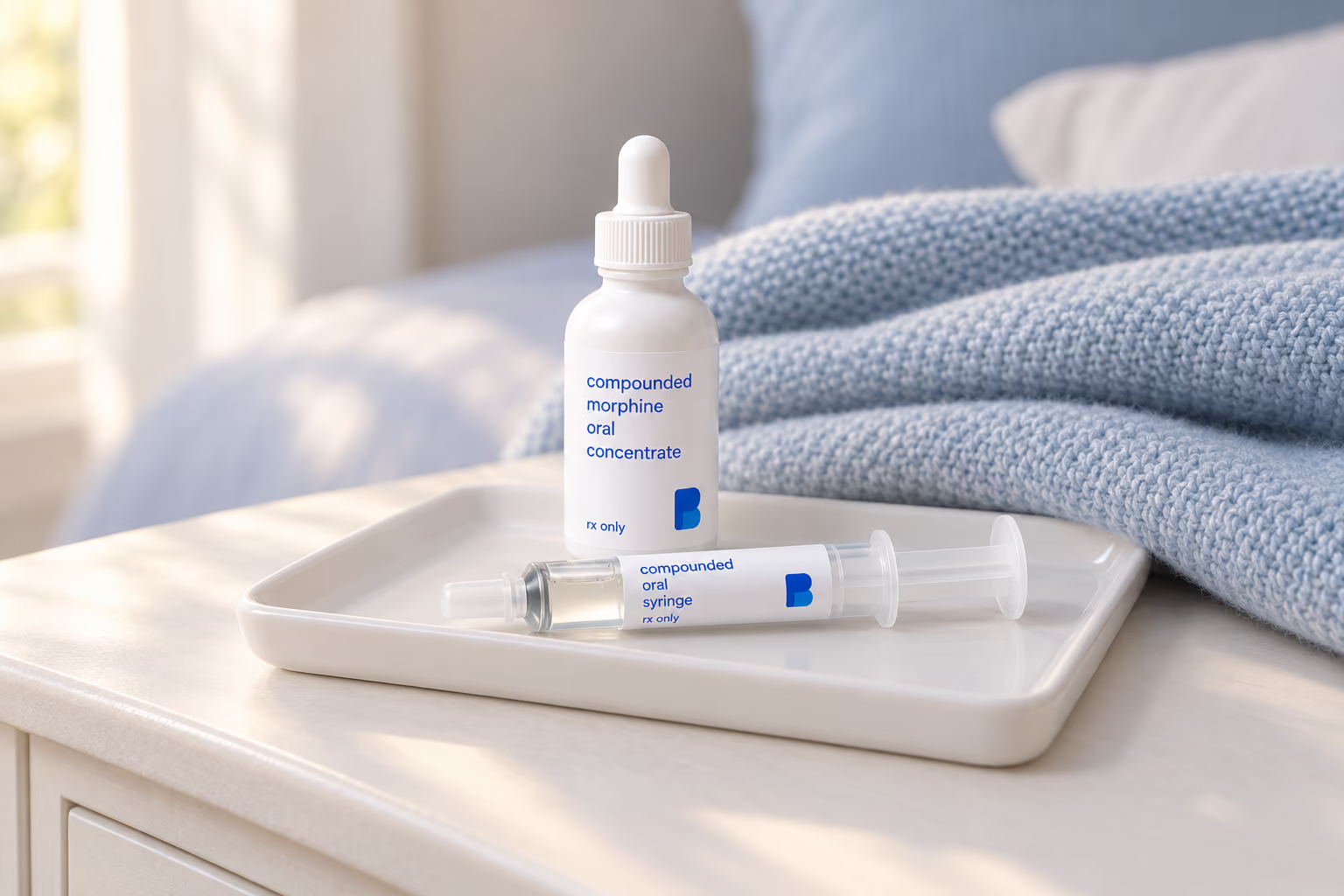
When swallowing fails, small buccal or sublingual-adjacent volumes of 0.25 to 0.5 mL are the backbone of home symptom management. Morphine oral concentrate 20 mg/mL and lorazepam oral concentrate 2 mg/mL are the two most commonly requested. Haloperidol is a D2 antagonist used first-line for terminal delirium and agitation and for nausea of chemical or metabolic origin such as uremia or opioid-induced nausea; an ABH-type combination of lorazepam, diphenhydramine, and haloperidol supplied as an oral or sublingual prefilled syringe is a defensible convenience and adherence formulation.

Morphine, lorazepam, and haloperidol oral concentrates are commercially available FDA-approved products. Compounding a preparation that is essentially a copy of a commercially available drug product is restricted under Section 503A. Regularly compounding these concentrates triggers that restriction unless there is a documented shortage, or a specific change made for an identified patient, for example dye-free, alcohol-free, an alternate flavor, or a different concentration, that is documented as a patient need on the prescription. Please note the reason on the order so it can be documented at the point of dispensing.

Airway secretions at the end of life

Atropine 1% ophthalmic solution given sublingually is described in the palliative literature at 1 drop every 4 hours as needed, with an onset of about 30 minutes and a duration of roughly 2 hours. Glycopyrrolate is described at 0.5 to 1 mg orally three times daily as needed, or 0.2 to 0.4 mg intravenously or subcutaneously every 4 hours as needed.

Sublingual administration of an ophthalmic atropine product is an off-label route. Efficacy of antisecretory agents versus placebo for terminal secretions has not been consistently demonstrated. Non-pharmacologic measures, repositioning, reducing artificial hydration, and family education, are described as first-line. Tertiary amines such as atropine, scopolamine, and hyoscyamine cross the blood-brain barrier and add sedation and delirium risk; glycopyrrolate is a quaternary amine and does not, but has poor oral absorption. Airway secretions at the end of life distress families more than patients, since the patient is typically unconscious.

Lorazepam topical gel

Bayview prepares lorazepam 1 mg/mL topical gel on prescriber request, and makes no claim that it is absorbed or effective. Pharmacokinetic study found lorazepam and haloperidol undetectable in plasma after topical application. Smith TJ and colleagues (J Pain Symptom Manage 2012;43(5):961 to 966) applied ABH gel to ten healthy volunteers with serial plasma sampling to 240 minutes: no lorazepam and no haloperidol were detected in any sample from any volunteer down to a limit of 0.05 ng/mL, and diphenhydramine was erratically detected in 5 of 10 volunteers at subtherapeutic levels. The authors concluded that none of the three agents is absorbed in quantities sufficient to be effective. Any observed benefit is likely a placebo, local, or caregiver effect. PLO and Perme8 vehicles have not been shown to overcome this.

No efficacy or absorption claim is published for this preparation. It is compounded only because a prescriber has requested it for an identified patient.

Palliative sedation

Palliative sedation is sedation used to relieve severe refractory physical distress such as pain, delirium, or dyspnea. It should not be prescribed with the intent to hasten death. It follows a proportionality principle: the least sedation needed to control the target symptom. Interdisciplinary review that includes pharmacy and spiritual care is recommended before initiation, together with explicit informed consent addressing whether sedation is intended to be intermittent or continuous until death.

Prospective multicenter data indicate that palliative sedation does not hasten death. It is categorically distinct from physician-assisted death by intent, by dose proportionality, and by reversibility. Bayview's role is limited to compounding on a valid patient-specific prescription; the clinical and ethical decision belongs to the care team.

Safety considerations

Respiratory depression is the principal opioid risk. Opioids correctly titrated to symptom relief do not cause respiratory depression; the risk lies in non-proportional dose escalation, in opioid-naive patients, and in benzodiazepine and opioid co-administration. Midazolam combined with an opioid infusion is the highest-risk combination in this catalog and warrants correspondingly close monitoring.

Equianalgesic conversion is the most common source of serious error. Incomplete cross-tolerance is generally handled with a 25 to 50 percent dose reduction when rotating opioids, and published conversion ratios are approximations rather than precise equivalences.

The common claim that hydromorphone is safe in renal failure is overstated. Morphine's glucuronide metabolites (M3G and M6G) accumulate in renal failure and may cause neurotoxicity, and hydromorphone follows a similar pattern through its own glucuronide metabolite. Reported guidance is a dose reduction of about 25 percent at a creatinine clearance of 10 to 50 mL/min and about 50 percent below 10 mL/min. Fentanyl and methadone have no active metabolites. Opioid neurotoxicity presents as myoclonus, hyperalgesia, and agitated delirium rather than simply as sedation.

These points summarize published clinical literature for prescriber reference. They are not dosing recommendations, and they do not describe any compounded preparation as safe.

USP <797> and beyond-use dating

The 2023 revision of USP General Chapter <797>, official November 1, 2023, replaced the previous low-, medium-, and high-risk model with Category 1, Category 2, and Category 3 compounded sterile preparations. You can read how we handle sterile compounding. Category 1 preparations are compounded in a primary engineering control within an unclassified segregated compounding area and carry short beyond-use dates. Category 2 requires a cleanroom suite, with beyond-use dates assigned per the chapter's Table 13. Category 3 permits longer beyond-use dates per Table 14 but requires sterility testing, extended environmental monitoring, and additional quality assurance.

The practical consequence for hospice ordering is that the assigned beyond-use date, rather than the chemical stability of the molecule, usually governs how long a cassette may be used. Beyond-use dates are assigned according to the USP <797> category and the testing performed for that preparation, and are printed on the label. Confirm the dating on the label of the specific preparation you receive.

Regulatory status and how orders are handled

Compounded preparations are not FDA-approved, and FDA does not verify their safety, effectiveness, or quality before marketing. Compounding under Section 503A must be for an identified individual patient based on a valid prescription. FDA's June 2016 503A guidance permits anticipatory compounding in limited quantities only where there is a documented history of valid prescription orders within an established pharmacist-patient-prescriber relationship.

Bayview cannot supply non-patient-specific stock. Section 503A does not authorize general office use or agency-stock distribution. A hospice agency that needs non-patient-specific stock generally requires a 503B outsourcing facility. Every preparation described on this page is dispensed against a valid prescription written for a named patient.

Controlled substance scheduling for this catalog: hydromorphone, morphine, and fentanyl are Schedule II; ketamine is Schedule III; midazolam and lorazepam are Schedule IV. Under 21 CFR 1306.11, a Schedule II prescription must be written and signed. A facsimile prescription serves as the original written prescription, with no follow-up hard copy required, for (a) a Schedule II narcotic compounded for direct parenteral administration by intravenous, intramuscular, subcutaneous, or intraspinal infusion, (b) a resident of a long-term care facility, and (c) a patient enrolled in a hospice program certified or paid for by Medicare or licensed by the state. This provision is directly relevant to CADD cassette ordering.

Under 42 CFR 418.106, hospices must have written policies on the management and disposal of controlled drugs in the patient's home, must provide a copy of those policies to the patient or representative and family in understandable language when controlled drugs are first ordered, and must document that discussion in the clinical record.

Clinical details for prescribers

Infusion titration framing. A structured approach reported in the palliative literature is: convert the current 24-hour opioid requirement to an intravenous or subcutaneous equivalent; divide by 24 to obtain the basal rate; give a loading bolus, because steady state takes hours to reach; set demand boluses at 50 to 150 percent of the hourly rate with a lockout of about 20 minutes; and reassess every 30 to 60 minutes until symptoms are controlled. The instruction to start morphine at 1 mg per hour and titrate to effect is pharmacologically unsound in an opioid-tolerant patient and is not a defensible default. All dosing decisions remain the prescriber's.

Cassette sizing. Volume is a function of the ordered rate multiplied by the intended interval between nurse visits, bounded by the roughly 3 mL/hr subcutaneous absorption ceiling. Specify concentration, total volume, and the intended interval on the order so the cassette can be built to match the visit schedule.

Route. Continuous subcutaneous infusion is used when the oral route fails and intravenous access is absent or burdensome at home. Morphine, hydromorphone, fentanyl, and sufentanil are all described as suitable subcutaneously. A 25- or 27-gauge butterfly placed in the upper arm, shoulder, abdomen, or thigh, avoiding the chest wall, may remain up to about a week absent a local reaction; rotate for redness, induration, or leakage and avoid edematous or irradiated tissue. Intravenous-to-subcutaneous conversion evidence is weak; many practitioners use 1:1.

Points frequently raised on order review:

  • Incomplete cross-tolerance: a 25 to 50 percent reduction is customary when rotating opioids; published conversion ratios are approximations
  • Renal impairment: morphine M3G/M6G and the hydromorphone glucuronide accumulate; reported reductions are about 25 percent at CrCl 10 to 50 mL/min and about 50 percent below 10 mL/min; fentanyl and methadone have no active metabolites
  • Neurotoxicity presents as myoclonus, hyperalgesia, and agitated delirium, not simply sedation
  • Midazolam combined with an opioid infusion is the highest-risk combination in this catalog
  • Oral concentrates of morphine, lorazepam, and haloperidol are FDA-approved commercial products; note the shortage or the patient-specific need (dye-free, alcohol-free, flavor, concentration) on the prescription
  • Dexmedetomidine in palliative care is emerging and investigational; bradycardia and hypotension are dose-limiting
  • Lorazepam topical gel: no absorption or efficacy claim is made; see Smith 2012
  • Beyond-use dates are assigned per USP <797> category and the testing performed, and are printed on the label

Ordering: e-prescribe or fax a patient-specific prescription to Bayview Pharmacy, NCPDP 4106882, fax 401-284-4506. For Schedule II preparations compounded for direct parenteral infusion, for long-term care facility residents, and for hospice patients, the facsimile serves as the original written prescription. Bayview does not supply office use or agency stock. Account setup, licensing, and ordering are covered on our for providers page.

These are prescription compounded preparations and are not FDA-approved. This page is educational information for licensed prescribers and clinicians and is not medical advice, a treatment recommendation, or a dosing recommendation. Doses described are reported from published literature. The prescriber determines whether any preparation, route, or dose is appropriate for an individual patient. A valid patient-specific prescription is required.
References

  1. FDA Drug Shortages database.
  2. ASHP Drug Shortages list.
  3. 21 CFR 1306.11, Requirement of prescription (Schedule II controlled substances).
  4. 42 CFR 418.106, Hospice condition of participation: drugs and biologicals, medical supplies, and durable medical equipment.

Reviewed by Ryan Dyer, RPh, pharmacist at Bayview Pharmacy. Last reviewed July 28, 2026. Bayview does not provide consultations and does not decide whether a medication is right for you. Your prescriber makes that call.

In Stock

On this page

What we prepare for hospice

Bayview compounds the sterile infusions, oral concentrates, and topicals hospice teams order for pain, breathing trouble, agitation, seizures, nausea, and secretions. Each is made for one named patient, with the prescriber choosing drug, strength, and rate.

Start with a prescription

Cassette volume follows the visit interval

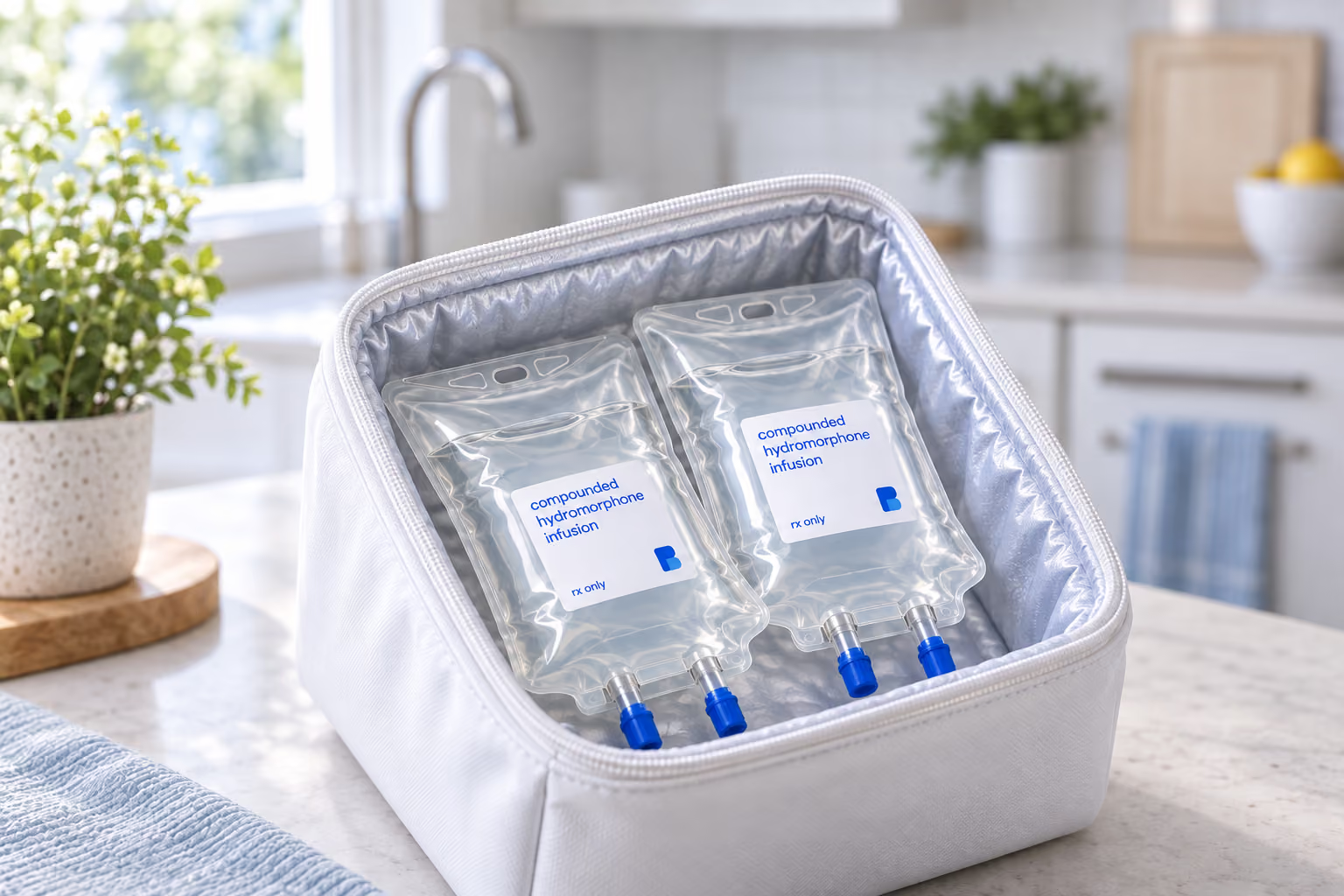
Because skin absorbs only about 3 mL per hour, high hourly doses need concentrated preparations. Cassette volume is simply the ordered rate multiplied by the time between nurse visits.

View our formulas

Personalized compounding for patients who need more than a standard option.

"As a compounding pharmacy, we prepare each medication to a provider’s exact specifications. My focus, and my team’s focus, is quality, consistency, and close communication with prescribers so patients receive medication prepared for their individual needs."
Ryan Dyer, RPh
Owner and Chief Pharmacist, Bayview Pharmacy
Smiling man in blue scrubs with arms crossed and pen behind his ear
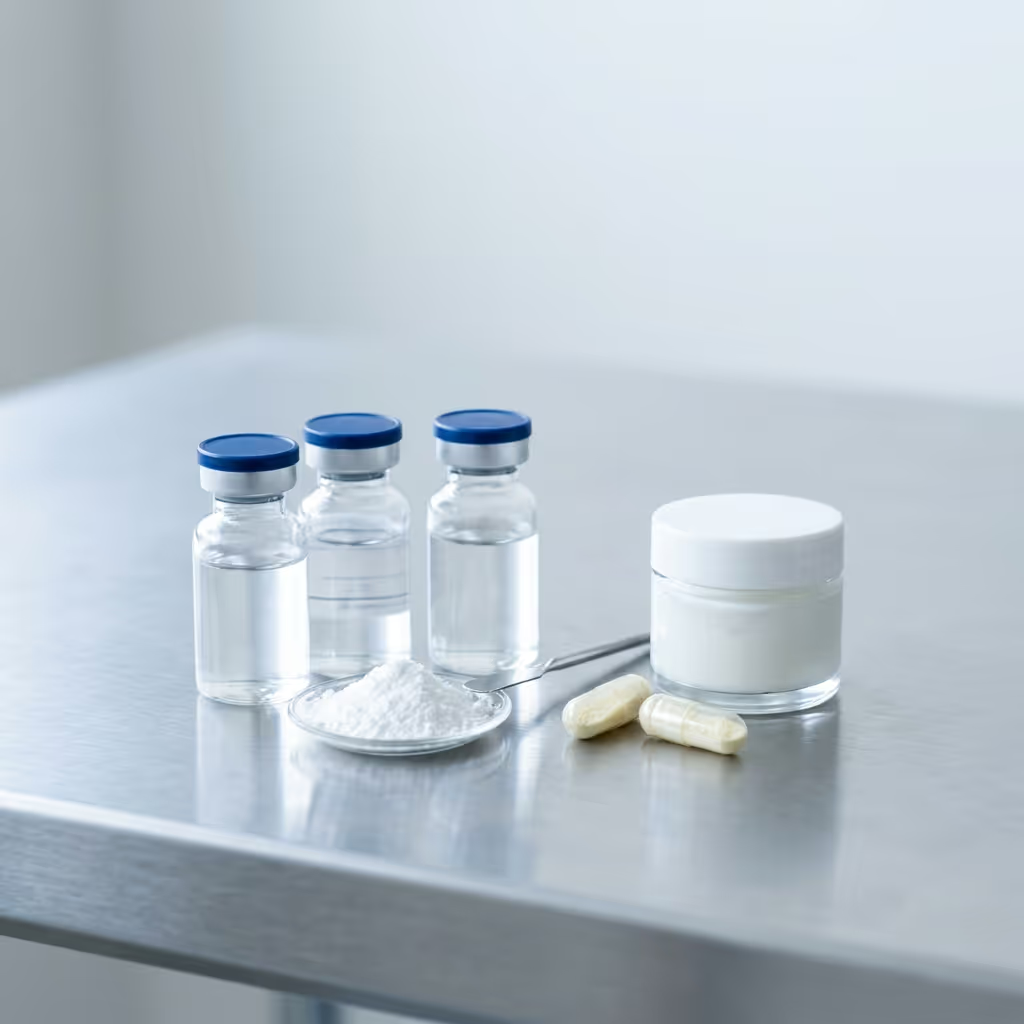
Three clear liquid vials, white powder on spoon, two capsules, and a cream jar on a metal surface.
QUALITY AND TESTING

Held to a higher standard

Every preparation is made under strict quality controls, and verified by a licensed pharmacist.
We use validated quality processes and third-party testing where appropriate
Sterile compounding in a dedicated USP <797> cleanroom
Non-sterile compounding under USP <795> and <800> standards
USP/NF-grade ingredients from reputable, vetted suppliers

Why patients choose Bayview

Made in our own pharmacy
Made to your prescription
Quality tested
Real pharmacist support
Trusted since 2006

Our formulations

Concentrations and volumes below are what Bayview compounds on a patient-specific prescription. Cassette volume is normally chosen as the ordered rate multiplied by the intended interval between nurse visits, within the roughly 3 mL/hr subcutaneous absorption ceiling. The prescriber selects the concentration, volume, and rate.

Preparation Strengths Volumes Route
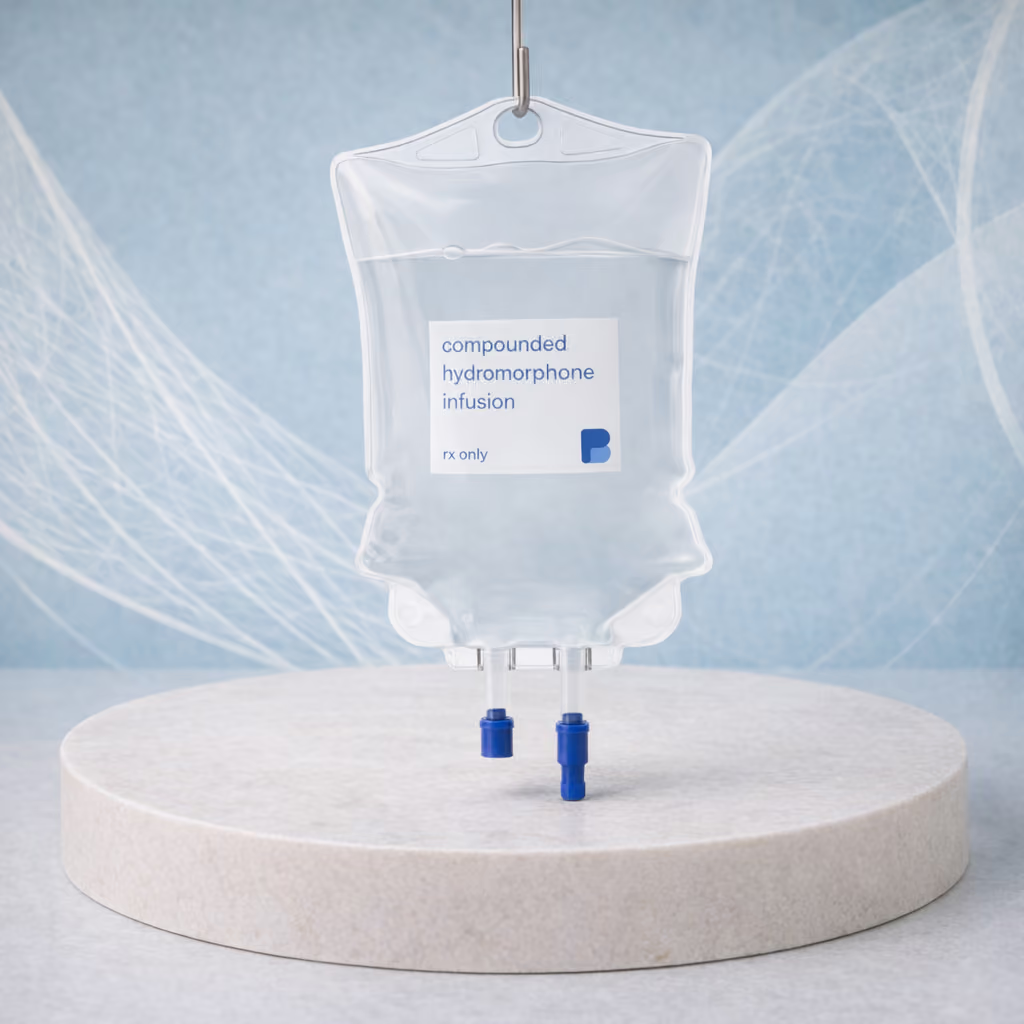
Hydromorphone HCl, preservative-free5, 20, 30 mg/mL50, 100, 150 mLContinuous subcutaneous or IV infusion
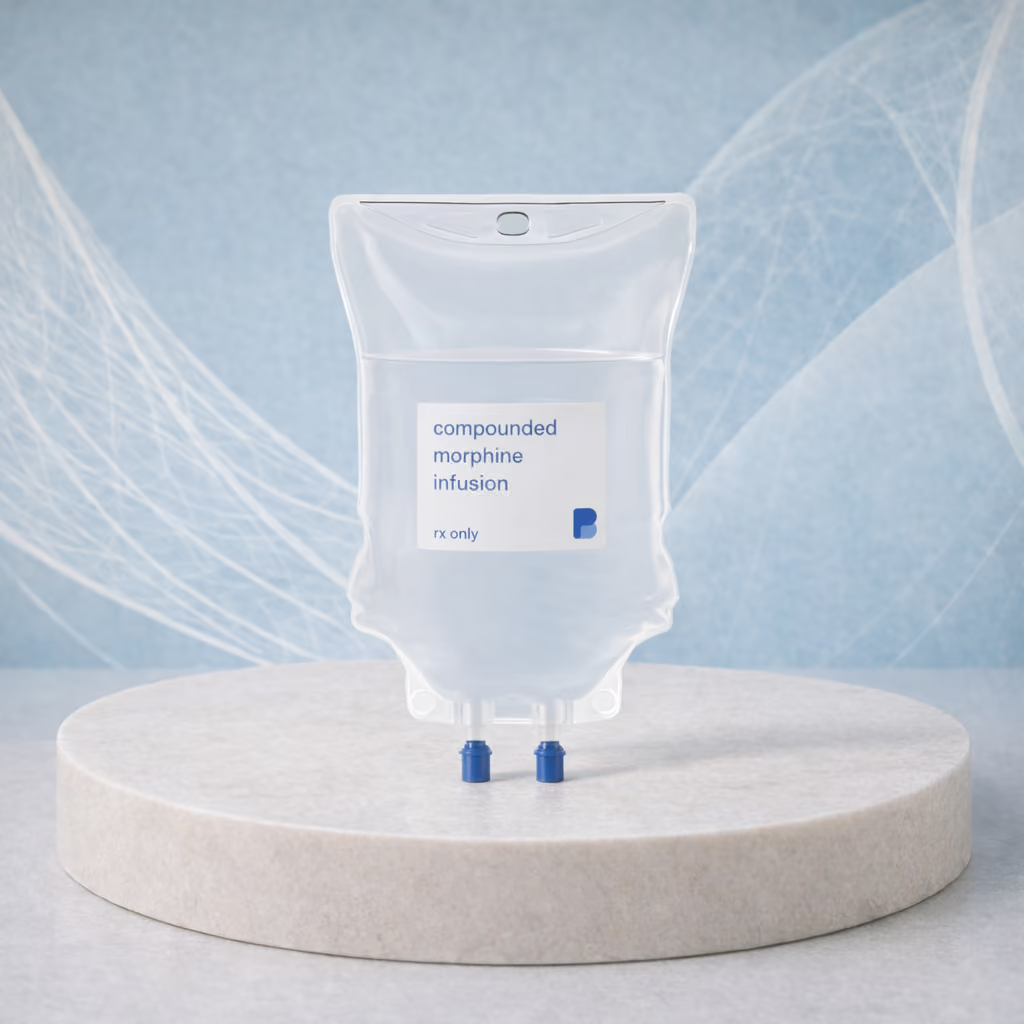
Morphine sulfate, preservative-free5, 20 mg/mL50, 100, 150 mLContinuous subcutaneous or IV infusion
Fentanyl citrate / fentanyl, preservative-free50 mcg/mL; 200 mcg/mL100, 150, 200 mLContinuous subcutaneous or IV infusion
Midazolam5 mg/mL25, 50, 100 mLContinuous subcutaneous or IV infusion
Dexmedetomidine (emerging / investigational)40 mcg/mL50, 100, 150, 200 mLContinuous subcutaneous or IV infusion
Ketamine5, 20 mg/mL50, 100 mLContinuous subcutaneous or IV infusion
Morphine oral concentrate20 mg/mL15, 30, 120 mLOral / buccal
Lorazepam oral concentrate2 mg/mL30 mLOral / buccal
ABH-type prefilled syringe (lorazepam / diphenhydramine / haloperidol)0.5 / 12.5 / 0.5 mg per mL1 mL syringeOral / sublingual
Atropine 1% ophthalmic solution (off-label sublingual route)1%As orderedSublingual (off-label)
Lorazepam topical gel (no absorption or efficacy claim)1 mg/mL1 mL syringeTopical

This table lists what is compounded, not what should be used. It is not a treatment or dosing recommendation, and it does not indicate that a compounded preparation is preferable to a commercially available product. Beyond-use dates are assigned per USP <797> category and the testing performed, and are printed on the label. A valid patient-specific prescription is required. Compounded preparations are not FDA-approved, and FDA does not verify their safety, effectiveness, or quality before marketing.
Start with a prescription
Prescribers: request this order form →

Frequently asked questions

What does Bayview prepare for hospice patients?

The catalog covers concentrated preservative-free opioid infusions for continuous subcutaneous or IV administration, midazolam, ketamine, dexmedetomidine, and haloperidol infusions, oral and buccal concentrates, ABH-type syringes, and sublingual atropine. Bayview is a 503A pharmacy, so every item is compounded for an identified individual patient on a valid prescription.

We do not supply office-use stock, agency stock, or fillable hospice kits. An agency that needs non-patient-specific stock generally requires a 503B outsourcing facility.

How does a hospice send a Schedule II order?

Under 21 CFR 1306.11 a Schedule II prescription must be written and signed, and EPCS electronic prescribing is accepted where your system supports it. E-prescribe to Bayview Pharmacy, 3844 Post Rd, Warwick, RI 02886, NCPDP 4106882, or fax 401-284-4506.

A facsimile serves as the original written prescription with no follow-up hard copy required in three situations: a Schedule II narcotic compounded for direct parenteral administration by IV, IM, subcutaneous, or intraspinal infusion; a resident of a long-term care facility; and a patient enrolled in a hospice program certified or paid for by Medicare or licensed by the state. Note hospice status on the prescription.

Why are concentrated preservative-free preparations needed?

Subcutaneous tissue absorbs only roughly 3 mL per hour, so a patient whose ordered hourly dose is high cannot receive it subcutaneously at commercially available dilute concentrations. Concentrated preparations exist to keep the ordered dose within that volume. Preservative-free matters because benzyl alcohol irritates continuous subcutaneous infusion sites.

Turnaround depends on the preparation, the components on hand, and the sterile compounding required, so call the pharmacy with the specific order. Beyond-use dates are assigned per the applicable USP <797> category and the testing performed, and are printed on the label.

Does lorazepam topical gel work?

We make no absorption or efficacy claim for it. A published pharmacokinetic study found lorazepam and haloperidol undetectable in plasma after topical application of an ABH-type gel, so the evidence does not support systemic delivery by that route.

Bayview prepares the gel when a prescriber specifically requests it, on a patient-specific prescription. Prescribers weighing it should be aware of that finding when considering it against an oral, buccal, or sublingual route.

Is dexmedetomidine established in palliative care?

No. Its use in palliative care is emerging and investigational. Reports in the literature describe subcutaneous and intravenous infusion for refractory agitation and as an opioid-sparing adjunct, but the evidence base is limited and it is not an established standard of care.

Bradycardia and hypotension are the dose-limiting effects reported. Bayview compounds it on a patient-specific prescription; whether it is appropriate for a given patient is the prescriber's judgment.

Are these compounded preparations FDA-approved?

No. Compounded preparations are not FDA-approved, and FDA does not verify the safety, effectiveness, or quality of compounded drugs before they are marketed. They are prepared under USP <797> sterile compounding standards and dispensed only on a valid prescription for an identified individual patient.

Where an FDA-approved commercial product exists, Section 503A restricts compounding a copy of it absent a documented shortage or a documented patient-specific need, such as a dye-free, alcohol-free, or different concentration. Note that need on the prescription.

Do I need a prescription?

Yes. All of our medications require a valid prescription from a licensed provider. We're a dispensing and compounding pharmacy, so we don't provide consultations or write prescriptions. If you don't have one yet, you'll need to find and see a provider first.

What is compounding?

Compounding is the practice of preparing a medication tailored to an individual patient's prescription. Instead of a mass-produced product, a compounding pharmacy makes the medication to the specific strength, form, or combination your provider orders.

Are compounded medications FDA-approved?

Compounded medications are not FDA-approved. They're prepared by a licensed pharmacy pursuant to a valid prescription for an individual patient, under USP standards. The FDA does not review compounded medications for safety or effectiveness.

How do providers send a prescription to Bayview?

Providers can submit a prescription three ways:

  • E-prescribe: Search Bayview Pharmacy, Warwick, RI (NCPDP 4106882) in your EHR. For compounds, use the compound, custom, or free-text option and include the full formulation, strength, quantity, refills, and directions.
  • Fax: Send a signed order to 401-284-4506 (alt. 401-210-2757) with patient and prescriber details, medication, quantity, refills, directions, signature, and date.
  • Phone: Call 401-284-4505 to submit, clarify, or coordinate refills.

A valid prescription is required, and compounded medications are not FDA-approved.

Can you fill a prescription from my own provider?

Yes. Your provider can send your prescription to Bayview Pharmacy by e-prescribe, fax, or phone, or you can transfer an existing prescription from another pharmacy.

How does shipping work?

Once your prescription is verified, we prepare your medication and ship it discreetly in plain packaging either via UPS or USPS. A pharmacy technician confirms the details with you before it goes out, and we're available if you have any questions.

How do refills and automatic refills work?

Refills are coordinated with your prescriber and your prescription. You can request a refill through our website or by calling us, and we'll handle the rest as long as you have refills remaining on a valid prescription. You can also opt into automatic refills on non-controlled substances, with no need to worry about running out of your medication. We can either ship it to you automatically, or ready for pickup.

Shipping & Delivery

Every prescription ships directly to your door in discreet packaging. Refrigerated medications travel in insulated coolers with ice packs to stay cold in transit.

Delivery AreaStandard ShippingRefrigerated Shipping
Rhode Island, Massachusetts & Connecticut$9 USPS$20 UPS
New Hampshire, New Jersey & New York$15 UPS$40 UPS Next Day Air
Florida$15 UPS$80 UPS Next Day Air

Need it faster? Expedited UPS is $15 for Rhode Island, Massachusetts and Connecticut. Your pharmacist will let you know if your medication needs refrigerated shipping. Questions? Call us at (401) 284-4505.

References

Important safety information

Important safety information

The preparations described on this page are prescription compounded medications and are not FDA-approved. FDA does not verify the safety, effectiveness, or quality of compounded drugs before they are marketed. They are dispensed only on a valid prescription written for an identified individual patient and are intended for administration under the direction of a hospice or palliative care team. Nothing here is a recommendation to use any drug, route, or dose.

Controlled substances:

  • Hydromorphone, morphine, and fentanyl are Schedule II. Ketamine is Schedule III. Midazolam and lorazepam are Schedule IV.
  • Under 42 CFR 418.106, hospices must maintain written policies on the management and disposal of controlled drugs in the home, provide a copy to the patient or representative and family in understandable language when controlled drugs are first ordered, and document that discussion in the clinical record.

Principal risks:

  • Respiratory depression. Risk concentrates in non-proportional dose escalation, in opioid-naive patients, and in benzodiazepine and opioid co-administration. Midazolam combined with an opioid infusion is the highest-risk combination in this catalog.
  • Equianalgesic conversion error. Published conversion ratios are approximations; incomplete cross-tolerance is generally handled with a 25 to 50 percent reduction when rotating opioids.
  • Renal impairment. Morphine's M3G and M6G metabolites accumulate and may cause neurotoxicity, and hydromorphone follows a similar pattern through its own glucuronide. The claim that hydromorphone is safe in renal failure is overstated. Neurotoxicity presents as myoclonus, hyperalgesia, and agitated delirium.
  • Ketamine: dysphoria, vivid imagery, hallucinations, delirium, hypertension, tachycardia, nystagmus, and hypersalivation are common and often dose-limiting.
  • Dexmedetomidine: bradycardia and hypotension are dose-limiting. Its use in palliative care is emerging and investigational.
  • Infusion site reactions. Rotate for redness, induration, or leakage; avoid edematous or irradiated tissue and the chest wall.

Preparations with important limitations:

  • Lorazepam topical gel: pharmacokinetic study found lorazepam and haloperidol undetectable in plasma after topical application. No absorption or efficacy claim is made for this preparation.
  • Sublingual administration of atropine 1% ophthalmic solution is an off-label route, and efficacy of antisecretory agents versus placebo has not been consistently demonstrated.
  • Morphine, lorazepam, and haloperidol oral concentrates are commercially available FDA-approved products; compounding a copy is restricted under Section 503A absent a documented shortage or a documented patient-specific need.

Handling, storage, and dating:

Beyond-use dates are assigned according to the USP <797> category and the testing performed for the preparation, and are printed on the label. Store as directed on the label. Follow the hospice's policies for storage, waste, and disposal of controlled drugs in the home.

This is a compounded prescription medication and is not approved by the FDA. Use it only under the supervision of a licensed provider, exactly as prescribed. Do not adjust your dose without talking to your prescriber. Seek emergency care for any severe or unexpected reaction. This information is not complete; talk to your provider about your full medical history and all medications you take.

Ready to get started?

Send us your prescription and a Bayview pharmacist will take it from there.