Check out our most popular compounded medications! Get Started


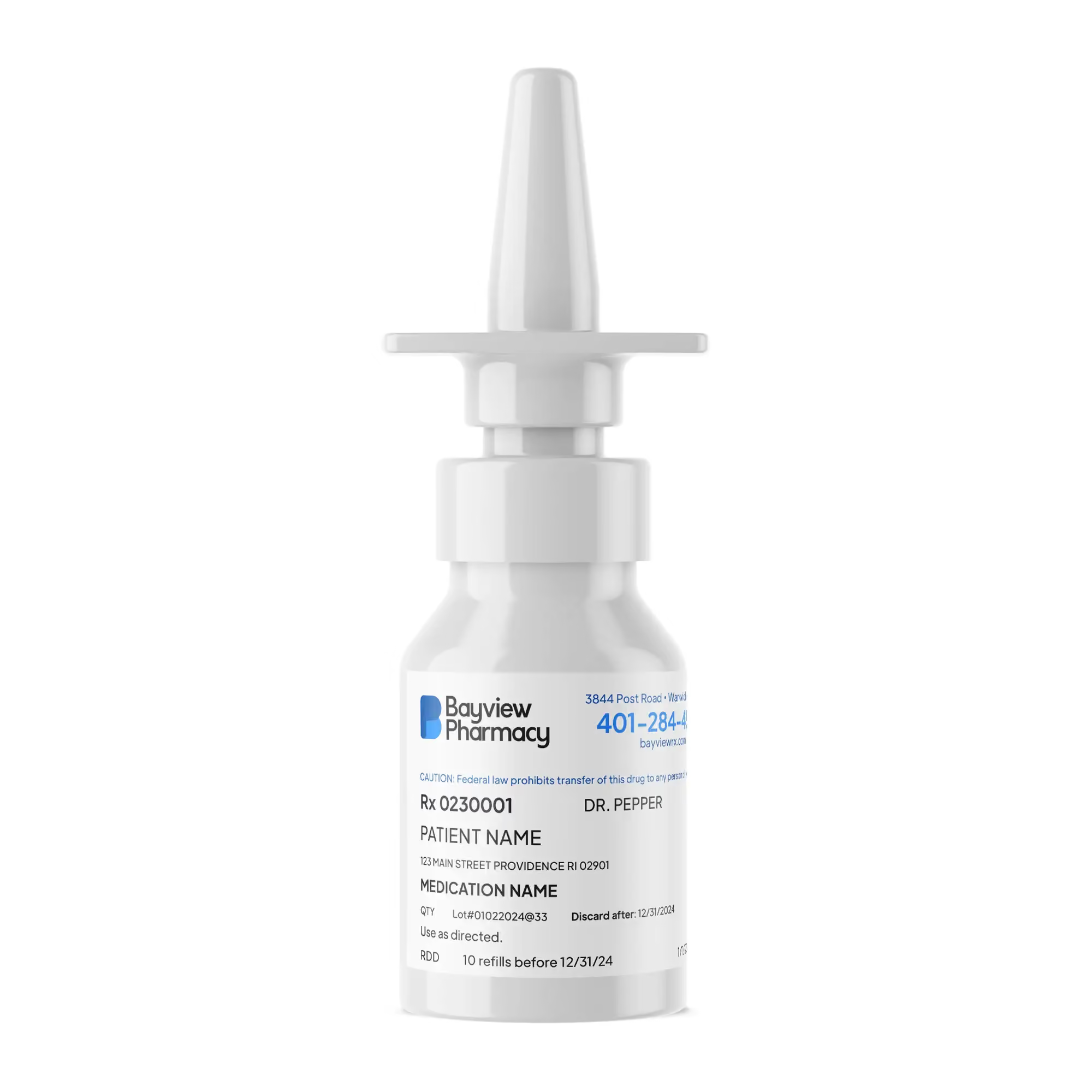


Cetirizine Dihydrochloride 4 mg/0.2 mL Nasal Spray is a liquid formulation delivered in a spray form, specifically designed for administration into the nasal cavity. This formulation provides targeted local or systemic effects through the nostrils.
It is used to treat allergic rhinitis and other allergy-related symptoms, offering relief from nasal congestion, sneezing, and runny nose.

Licensed to fill prescriptions for patients in RI, MA, CT, NJ, NH, FL, ME and PA. New York patients are served on a limited basis while nonresident registration is pending.

Cetirizine Dihydrochloride 4 mg/0.2 mL Nasal Spray is a specialized compounded formulation designed to deliver the antihistaminic effects of cetirizine directly to the nasal mucosa. This liquid nasal spray provides targeted relief from allergic symptoms by administering the medication where it's most needed, enhancing its efficacy and onset of action.
Cetirizine is a second-generation antihistamine that selectively inhibits peripheral H1 receptors. By blocking the action of histamine—a substance in the body that triggers allergic symptoms—cetirizine effectively reduces nasal congestion, sneezing, itching, and runny nose associated with allergic rhinitis and other upper respiratory allergies.
The nasal spray formulation allows for direct application to the nasal passages, offering rapid symptom relief with potentially fewer systemic side effects compared to oral administration. This can be particularly beneficial for patients who experience drowsiness or other systemic effects from oral antihistamines.
For prescribers, this compounded nasal spray provides an alternative route of administration for patients who may have difficulty swallowing pills or require localized treatment for nasal symptoms. The precise dosing of 4 mg/0.2 mL ensures accurate delivery of medication with each spray, allowing for consistent therapeutic effects.
Patients using Cetirizine Dihydrochloride Nasal Spray may experience significant relief from the symptoms of seasonal or perennial allergic rhinitis, enhancing their quality of life by minimizing discomfort and disruption caused by
Cetirizine Dihydrochloride 4 mg/0.2 mL Nasal Spray is a formulation designed for intranasal administration, providing targeted relief for allergic rhinitis and other nasal allergy symptoms. As with any medication, it is important to consider potential drug interactions that may affect the efficacy and safety of this treatment. Patients and prescribers should be aware of these interactions to ensure optimal therapeutic outcomes.
One of the primary considerations when using Cetirizine Dihydrochloride Nasal Spray is its interaction with central nervous system (CNS) depressants. Cetirizine, an antihistamine, can cause drowsiness in some individuals, and this effect may be potentiated when used concurrently with other CNS depressants such as alcohol, benzodiazepines, opioids, and certain antidepressants. Patients should be advised to avoid or limit the use of these substances while using this nasal spray to prevent excessive sedation and impairment.
Additionally, cetirizine may interact with other antihistamines, whether they are administered orally, topically, or through other routes. Concurrent use of multiple antihistamines can increase the risk of side effects such as dry mouth, dizziness, and urinary retention. It is important for prescribers to review a patient's current medication regimen to avoid unnecessary duplication of antihistamine therapy.
Patients taking medications that affect the cytochrome P450 enzyme system should also exercise caution. Although cetirizine is primarily metabolized by the liver, it is less likely to interact with drugs that are substrates, inhibitors, or inducers of the CYP450 enzymes compared to other antihistamines. However, it is still prudent to monitor for any unexpected side effects or changes in efficacy when cetirizine is used alongside such medications.
Furthermore, cetirizine may interact with theophylline, a medication used for respiratory diseases such as asthma and COPD. Theophylline can slightly decrease the clearance of cetirizine, potentially leading to increased plasma concentrations and enhanced effects of cetirizine. Patients using both medications should be monitored for increased side effects, and dosage adjustments may be necessary.
Lastly, while cetirizine is generally well-tolerated, patients with renal or hepatic impairment should use this nasal spray with caution. Impaired kidney or liver function can alter the metabolism and excretion of cetirizine, necessitating dosage adjustments to prevent accumulation and toxicity. Prescribers should assess renal and hepatic function before initiating treatment and adjust the dosage accordingly.
If you have any questions or need further information regarding the use of Cetirizine Dihydrochloride 4 mg/0.2 mL Nasal Spray and its potential drug interactions, please reach out to us. Our team of compounding pharmacists at Bayview Pharmacy is here to assist you with any concerns or inquiries you may have.
Cetirizine Dihydrochloride 4 mg/0.2 mL Nasal Spray is a specialized liquid formulation designed for precise delivery into the nasal cavity. This formulation leverages the pharmacological properties of cetirizine, a second-generation antihistamine, to provide relief from allergic symptoms. Cetirizine works by selectively inhibiting peripheral H1 receptors, which are responsible for mediating the effects of histamine, a compound released during allergic reactions. By blocking these receptors, cetirizine effectively reduces symptoms such as nasal congestion, sneezing, and itching, which are commonly associated with allergic rhinitis and other allergic conditions.
The nasal spray form of cetirizine dihydrochloride offers several advantages over oral administration. When delivered directly into the nasal cavity, the medication can exert its effects more rapidly and with greater concentration at the site of action. This localized delivery minimizes systemic exposure, potentially reducing the risk of side effects commonly associated with oral antihistamines, such as drowsiness and dry mouth. Additionally, the nasal spray formulation allows for a more targeted approach, which can be particularly beneficial for patients who experience predominantly nasal symptoms.
For patients, the use of cetirizine dihydrochloride nasal spray can lead to improved quality of life by alleviating bothersome allergic symptoms and allowing for better breathing and comfort. It is important for patients to follow the prescribed dosing regimen and administration instructions to achieve optimal results. The spray should be used as directed, typically involving a specific number of sprays per nostril, and patients should be advised to avoid blowing their nose immediately after administration to ensure maximum absorption of the medication.
For prescribers, cetirizine dihydrochloride nasal spray offers a valuable option for managing allergic rhinitis and related conditions, particularly in patients who may not tolerate oral antihistamines well or who require rapid symptom relief. The formulation's efficacy in reducing nasal symptoms makes it a suitable choice for both seasonal and perennial allergic rhinitis. Prescribers should consider the patient's overall allergy management plan and any potential interactions with other medications the patient may be taking.
If you have any questions about this formulation or its use, please reach out to us at Bayview Pharmacy. Our team of compounding pharmacists is here to provide further information and support to both patients and healthcare providers.
Cetirizine Dihydrochloride 4 mg/0.2 mL Nasal Spray, while primarily used for the treatment of allergic rhinitis and other allergy-related symptoms, may have additional applications that could be beneficial for both patients and prescribers to consider. This formulation, delivered directly into the nasal cavity, allows for rapid absorption and onset of action, which can be advantageous in managing conditions that require quick relief. One potential off-label use of this nasal spray could be for the alleviation of symptoms associated with non-allergic rhinitis, a condition characterized by nasal congestion, runny nose, and sneezing not caused by allergens. The anti-inflammatory properties of cetirizine may help reduce nasal inflammation and improve breathing comfort in such cases.
Furthermore, cetirizine's antihistamine effects might be explored for the management of nasal symptoms in patients with chronic sinusitis, where inflammation and histamine release play a role in symptom exacerbation. Although not a first-line treatment, the nasal spray could serve as an adjunct therapy to help manage symptoms in conjunction with other treatments. Additionally, cetirizine nasal spray might be considered for patients experiencing nasal symptoms due to environmental irritants, such as smoke or pollution, where its ability to block histamine receptors could provide symptomatic relief.
For prescribers, it is important to consider the patient's overall health status, potential drug interactions, and the specific etiology of the nasal symptoms when contemplating the use of cetirizine nasal spray for these alternative purposes. Patients should be informed about the potential benefits and limitations of using cetirizine nasal spray for conditions beyond its primary indications. As always, any off-label use should be based on clinical judgment and individual patient needs. If you have any questions or require further information about this formulation, please reach out to us at Bayview Pharmacy.
Cetirizine Dihydrochloride 4 mg/0.2 mL Nasal Spray is used to relieve symptoms associated with allergic rhinitis, such as sneezing, runny or itchy nose, and nasal congestion. It provides targeted relief by delivering the medication directly into the nasal cavity.
This nasal spray works by delivering cetirizine, an antihistamine, directly to the nasal passages. It blocks the action of histamine, a substance in the body that causes allergic symptoms, thereby reducing inflammation and discomfort in the nasal cavity.
To use the nasal spray, gently shake the bottle, remove the cap, and insert the nozzle into one nostril while closing the other. Spray the recommended dose while inhaling gently through the nose. Repeat in the other nostril if necessary. Follow your healthcare provider's instructions for dosage and frequency.
If you are pregnant or breastfeeding, consult your healthcare provider before using this nasal spray. They will assess the potential benefits and risks to determine if it is appropriate for you.
Some common side effects may include nasal irritation, dryness, or a mild burning sensation. If you experience severe side effects such as difficulty breathing, swelling, or severe dizziness, seek medical attention immediately.
Store the nasal spray at room temperature, away from direct sunlight and moisture. Keep it out of reach of children and do not freeze. Always check the expiration date before use.
Before using this nasal spray with other medications, consult your healthcare provider. They will advise you on potential interactions and whether it is safe to use in combination with other treatments.
The onset of relief can vary, but many users experience symptom relief within a few minutes to an hour after administration. Consistent use as directed can help maintain symptom control.
The suitability of this nasal spray for children depends on their age and specific health needs. Consult a pediatrician to determine if it is appropriate for your child and to receive guidance on the correct dosage.
If you miss a dose, use it as soon as you remember. If it is almost time for your next dose, skip the missed dose and resume your regular dosing schedule. Do not double the dose to catch up.
This formulation is compounded by Bayview Pharmacy on a prescriber's order for an individual patient. It is not an FDA-approved drug product, and the FDA has not evaluated it for safety, effectiveness, or manufacturing quality.
The conditions listed on this page are indications prescribers have ordered this preparation for. They are not FDA-approved indications, and listing them is not a statement that this preparation is effective for them.
A valid prescription is required. Availability depends on Bayview's licensure in your state. This page is general information, not medical advice — discuss your situation with a licensed healthcare provider.
Search by NCPDP 4106882, or by name and ZIP: Bayview Pharmacy, Warwick, RI 02886. Select it as the destination pharmacy and save it as a favorite. Click any value to copy it.
Compounded preparations have no NDC, so this formula will not appear in your EHR's drug search. Use your system's compound, non-formulary, or free-text prescription entry and name the preparation exactly as written in step 3. If your EHR forces you to pick a listed drug, pick the closest entry for the active ingredient and put the full formula in the prescription body (the Sig or directions field), not in Notes to Pharmacy.
Compounded preparations have no NDC and will not appear in your drug search. For EPCS to validate, select a drug entry your EHR recognizes as controlled, usually the bulk powder entry for the active ingredient (for example Ketamine (bulk) powder, not a branded product), then put the full formula from step 3 in the prescription body. A free-text entry that does not validate as controlled will be rejected by your EPCS module.
Quantity and directions are starting points for this dose form, not treatment recommendations. Dosing remains the prescriber's responsibility.
Transmit from your EHR. For this non-controlled preparation we also accept fax to (401) 284-4506 and phoned orders at (401) 284-4505. Order forms are on the formulation pages and in the prescriber portal.
Transmit with two-factor authentication through your EPCS-enabled EHR. No order form is offered for this preparation; e-prescribing guides for our controlled preparations are on the formulation pages.
Licensed to dispense in RI, MA, CT, NJ, NH, FL, ME, and PA; New York is served on a limited basis while nonresident registration is pending. Compounded preparations are not FDA-approved. A valid prescription is required. Full guide, including steps by EHR: How to e-prescribe to Bayview. Questions about this formula: call (401) 284-4505.
Inhale intranasally

