Check out our most popular compounded medications! Get Started


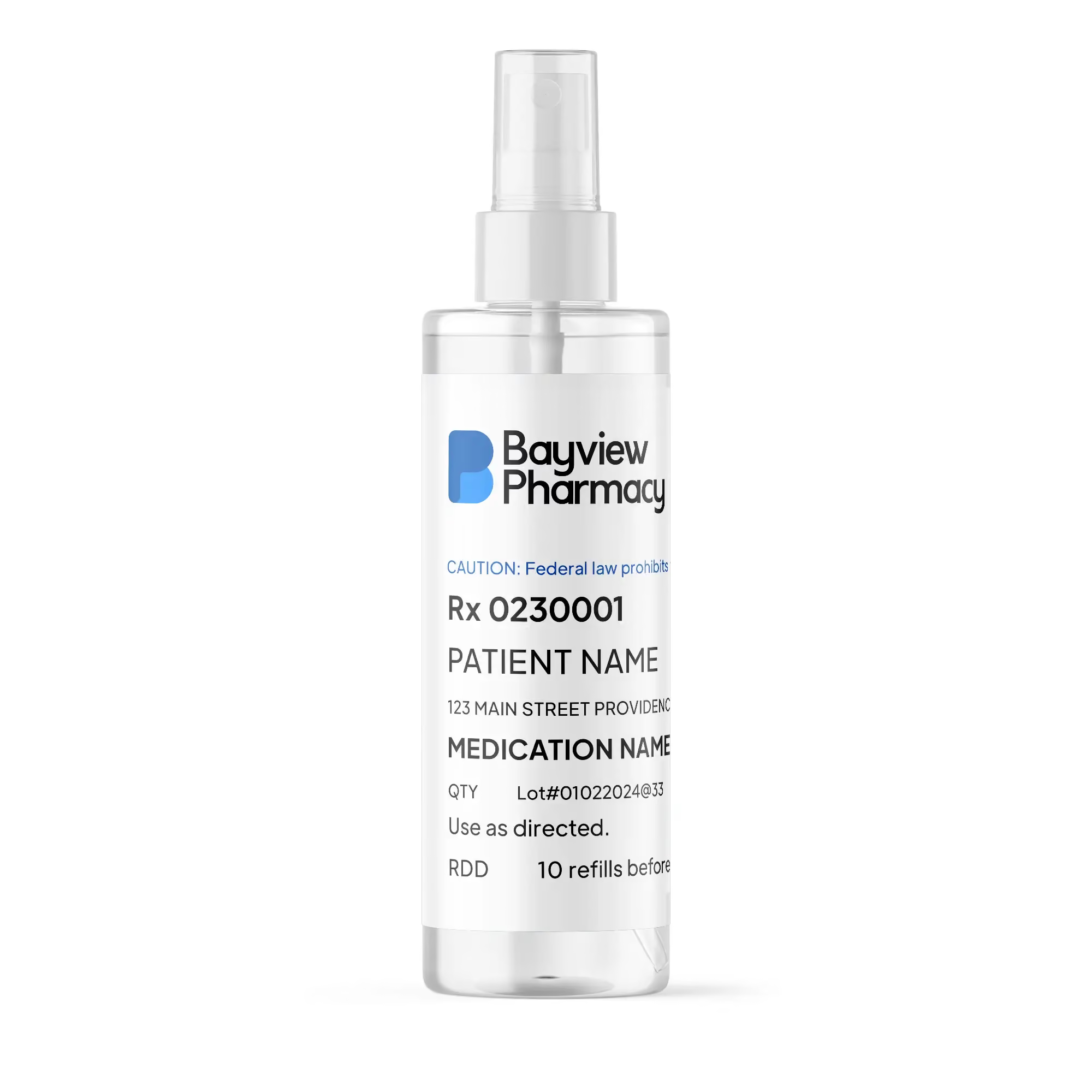


Chlorpromazine HCl 50 mg/mL Topical Spray is a liquid formulation contained in a spray bottle, specifically designed for topical application to the skin. This formulation provides a convenient and efficient method of delivering medication directly to the affected area, allowing for easy and targeted application with a fine mist or spray. It is used to treat conditions such as pruritus, dermatitis, and localized pain.

Licensed to fill prescriptions for patients in RI, MA, CT, NJ, NH, FL, ME and PA. New York patients are served on a limited basis while nonresident registration is pending.

Chlorpromazine HCl 50 mg/mL Topical Spray is a specialized compounded medication designed for direct application to the skin. Encased in a convenient spray bottle, this liquid formulation allows for easy and targeted delivery of the medication to affected areas, providing localized treatment and potential relief with a fine mist application.
Chlorpromazine is a phenothiazine derivative primarily known for its antipsychotic properties when administered orally or intravenously. However, in topical form, it may offer benefits due to its potential anti-inflammatory and analgesic effects. This formulation may be considered for off-label uses where topical administration of chlorpromazine could be advantageous, as determined by a healthcare provider.
For patients, it is important to use Chlorpromazine HCl 50 mg/mL Topical Spray exactly as prescribed. Before applying, ensure the skin area is clean and dry. Spray the medication evenly over the affected area, taking care to avoid contact with the eyes, mouth, and any mucous membranes. Do not apply to broken or irritated skin unless directed by your physician. If you experience any adverse reactions such as skin irritation, redness, or unexpected side effects, discontinue use and consult your healthcare provider promptly.
Healthcare providers considering this formulation should assess the potential benefits for their patients on a case-by-case basis. The topical application may reduce systemic exposure and side effects associated with oral administration. It is important to monitor patients for any local skin reactions or signs of systemic absorption. Being a compounded medication, Chlorpromazine HCl 50 mg/mL Topical Spray is prepared specifically for individual patient needs and may be suited for patients who require an alternative route of administration.
As a compounded preparation, this medication is not commercially available and is crafted by our skilled pharmacists at Bayview Pharmacy. We utilize strict compounding standards to ensure the quality and efficacy of the medication. Healthcare providers should inform patients about the nature of compounded medications and verify that this treatment aligns with their overall therapeutic goals.
If you have any questions or need further information about Chlorpromazine HCl 50 mg/mL Topical Spray, please reach out to us at Bayview Pharmacy. Our team of knowledgeable pharmacists is available to assist both patients and prescribers with any inquiries regarding this formulation.
Chlorpromazine HCl 50 mg/mL Topical Spray is a formulation designed for direct application to the skin, providing localized treatment for conditions that may benefit from the pharmacological effects of chlorpromazine. While primarily known as an antipsychotic medication, chlorpromazine has properties that can be utilized in topical applications, such as anti-inflammatory and analgesic effects. However, it is crucial to consider potential drug interactions, even with topical formulations, as systemic absorption can occur, albeit to a lesser extent than oral or parenteral routes.
Patients and prescribers should be aware that chlorpromazine, even in topical form, may interact with other medications. One of the primary concerns is the potential for additive effects with other central nervous system (CNS) depressants. If the patient is concurrently using medications such as benzodiazepines, opioids, or other antipsychotics, there may be an increased risk of sedation, respiratory depression, or hypotension. Caution is advised, and monitoring for signs of excessive CNS depression is recommended.
Chlorpromazine is also known to have anticholinergic properties, which can be potentiated when used with other anticholinergic drugs, such as certain antihistamines, tricyclic antidepressants, or medications for Parkinson's disease. This can lead to increased anticholinergic side effects, including dry mouth, constipation, urinary retention, and blurred vision. Patients should be monitored for these symptoms, and prescribers should consider the cumulative anticholinergic burden when prescribing this topical spray.
Another consideration is the potential interaction with medications that affect the cytochrome P450 enzyme system, particularly CYP2D6 and CYP3A4, which are involved in the metabolism of chlorpromazine. Inhibitors of these enzymes, such as certain antifungals (e.g., ketoconazole), macrolide antibiotics (e.g., erythromycin), or protease inhibitors used in HIV treatment, could increase chlorpromazine levels, potentially leading to enhanced effects or adverse reactions. Conversely, inducers of these enzymes, such as rifampin or carbamazepine, may reduce the effectiveness of chlorpromazine.
Patients using this topical spray should also be cautious if they are taking medications that can prolong the QT interval, such as certain antiarrhythmics, as chlorpromazine itself has the potential to affect cardiac conduction. The risk of QT prolongation and subsequent arrhythmias may be increased, necessitating careful monitoring and possibly an ECG evaluation, especially in patients with pre-existing cardiac conditions or those on multiple QT-prolonging drugs.
Lastly, it is important to consider the potential for photosensitivity reactions with chlorpromazine. Patients should be advised to avoid excessive sunlight or UV exposure and to use protective measures such as sunscreen or protective clothing, especially if they are using other photosensitizing agents.
If you have any questions or need further information regarding the use of Chlorpromazine HCl 50 mg/mL Topical Spray and its potential interactions, please reach out to us at Bayview Pharmacy. Our team of compounding pharmacists is here to assist you with any concerns or inquiries you may have.
Chlorpromazine HCl 50 mg/mL Topical Spray is a specialized formulation designed to deliver the active ingredient, chlorpromazine hydrochloride, directly to the skin. This method of delivery is particularly beneficial for localized treatment, as it allows the medication to be applied precisely where it is needed, minimizing systemic exposure and potential side effects associated with oral or injectable forms of the drug. Chlorpromazine is a phenothiazine antipsychotic that works primarily by blocking dopamine receptors in the brain, but when used topically, its mechanism of action is focused on providing relief from localized symptoms such as inflammation, pain, or irritation.
The spray formulation is contained in a convenient spray bottle, which allows for easy application. The fine mist produced by the spray ensures an even distribution of the medication over the affected area, promoting better absorption and efficacy. This method of application is particularly advantageous for patients who may have difficulty applying creams or ointments, or for areas of the body that are hard to reach. The topical spray can be used to treat a variety of dermatological conditions where chlorpromazine's anti-inflammatory and analgesic properties can provide relief.
It is important to consider the specific needs of the patient, including the size and location of the area to be treated, as well as any potential contraindications or interactions with other medications the patient may be taking.
Patients using Chlorpromazine HCl 50 mg/mL Topical Spray should follow the application instructions provided by their healthcare provider. It is typically recommended to clean and dry the affected area before application, and to apply the spray as directed, usually a few times a day depending on the severity of the condition being treated. Patients should be advised to avoid contact with the eyes and mucous membranes, and to wash their hands after application to prevent accidental ingestion or contact with sensitive areas.
If you have any questions about Chlorpromazine HCl 50 mg/mL Topical Spray, its uses, or how to apply it, please reach out to us at Bayview Pharmacy. Our team of compounding pharmacists is here to provide you with the information and support you need to ensure the safe and appropriate use of this medication.
Chlorpromazine HCl 50 mg/mL Topical Spray is primarily known for its use in managing certain dermatological conditions, but it also holds potential for a variety of other applications due to its pharmacological properties. This formulation, contained in a spray bottle, is designed for easy and targeted application, making it particularly useful for localized treatment. Beyond its primary indications, this topical spray may be considered for off-label uses where its anti-inflammatory, anti-itch, or sedative properties could be beneficial. For instance, it might be used in managing localized pain or discomfort associated with minor skin irritations, insect bites, or allergic reactions, where its soothing effects can provide relief.
Additionally, the topical application of Chlorpromazine HCl could be explored in the context of certain neuropathic pain conditions, where traditional systemic treatments may not be suitable or effective. Its ability to modulate neurotransmitter activity might offer some benefit in reducing pain perception at the site of application. Furthermore, in cases of localized hyperhidrosis (excessive sweating), the anticholinergic properties of chlorpromazine could potentially help in reducing sweat production when applied topically, although this would be considered an experimental use and should be approached with caution.
For prescribers, it is important to consider the patient's overall health status, potential drug interactions, and the specific characteristics of the skin condition being treated when contemplating the use of Chlorpromazine HCl Topical Spray for off-label purposes. Patients should be informed about the intended use, potential side effects, and the importance of adhering to the prescribed application regimen. As with any medication, monitoring for adverse reactions is crucial, especially since the skin can be sensitive to new formulations. If you have any questions or need further information about the potential uses of this formulation, please reach out to us at Bayview Pharmacy. We are here to assist both patients and healthcare providers in making informed decisions about compounding options.
Chlorpromazine HCl 50 mg/mL Topical Spray is used for delivering medication directly to the skin, providing localized treatment or relief for conditions that may benefit from the soothing and therapeutic effects of chlorpromazine.
To apply the spray, hold the bottle upright and spray the affected area from a distance of about 6-8 inches. Ensure the area is clean and dry before application. Allow the spray to dry naturally on the skin.
It is generally advised not to apply the spray on open wounds or broken skin unless directed by a healthcare professional, as it may cause irritation or delay healing.
The frequency of use should be determined by your healthcare provider. Typically, it may be applied 2-3 times daily or as directed by a physician.
Some users may experience mild skin irritation, redness, or itching at the application site. If these symptoms persist or worsen, discontinue use and consult a healthcare professional.
Before using this spray with other topical medications, consult your healthcare provider to avoid potential interactions or reduced effectiveness of the treatments.
The safety and effectiveness of this spray in children have not been established. Consult a healthcare professional before using it on children.
Store the spray at room temperature, away from direct sunlight and moisture. Keep it out of reach of children and pets.
If ingested, seek immediate medical attention or contact a poison control center. Do not induce vomiting unless instructed by a healthcare professional.
Consult your healthcare provider before using this spray if you are pregnant or breastfeeding to ensure it is safe for you and your baby.
This formulation is compounded by Bayview Pharmacy on a prescriber's order for an individual patient. It is not an FDA-approved drug product, and the FDA has not evaluated it for safety, effectiveness, or manufacturing quality.
The conditions listed on this page are indications prescribers have ordered this preparation for. They are not FDA-approved indications, and listing them is not a statement that this preparation is effective for them.
A valid prescription is required. Availability depends on Bayview's licensure in your state. This page is general information, not medical advice — discuss your situation with a licensed healthcare provider.
Search by NCPDP 4106882, or by name and ZIP: Bayview Pharmacy, Warwick, RI 02886. Select it as the destination pharmacy and save it as a favorite. Click any value to copy it.
Compounded preparations have no NDC, so this formula will not appear in your EHR's drug search. Use your system's compound, non-formulary, or free-text prescription entry and name the preparation exactly as written in step 3. If your EHR forces you to pick a listed drug, pick the closest entry for the active ingredient and put the full formula in the prescription body (the Sig or directions field), not in Notes to Pharmacy.
Compounded preparations have no NDC and will not appear in your drug search. For EPCS to validate, select a drug entry your EHR recognizes as controlled, usually the bulk powder entry for the active ingredient (for example Ketamine (bulk) powder, not a branded product), then put the full formula from step 3 in the prescription body. A free-text entry that does not validate as controlled will be rejected by your EPCS module.
Quantity and directions are starting points for this dose form, not treatment recommendations. Dosing remains the prescriber's responsibility.
Transmit from your EHR. For this non-controlled preparation we also accept fax to (401) 284-4506 and phoned orders at (401) 284-4505. Order forms are on the formulation pages and in the prescriber portal.
Transmit with two-factor authentication through your EPCS-enabled EHR. No order form is offered for this preparation; e-prescribing guides for our controlled preparations are on the formulation pages.
Licensed to dispense in RI, MA, CT, NJ, NH, FL, ME, and PA; New York is served on a limited basis while nonresident registration is pending. Compounded preparations are not FDA-approved. A valid prescription is required. Full guide, including steps by EHR: How to e-prescribe to Bayview. Questions about this formula: call (401) 284-4505.
Apply topically to affected area(s)

