Check out our most popular compounded medications! Get Started


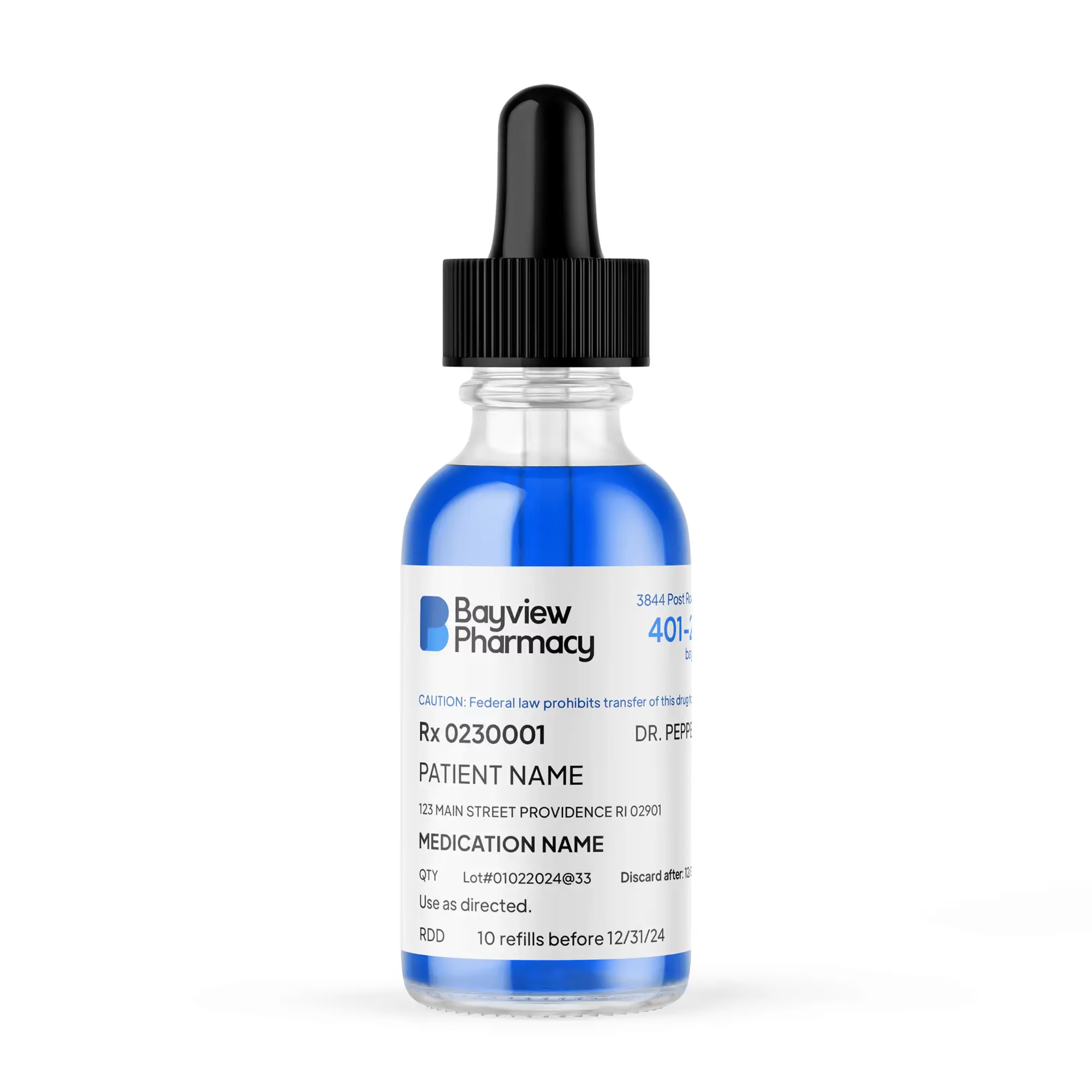


Coenzyme Q10 100 mg/mL Sublingual Solution is a liquid formulation designed for sublingual administration, dispensed in a dropper bottle for precise dosing. This solution facilitates rapid absorption into the bloodstream through the sublingual mucosa, ensuring efficient delivery and fast-acting effects. It is used to support cardiovascular health, manage heart failure, and alleviate symptoms of Coenzyme Q10 deficiency, providing targeted treatment by bypassing the digestive system.

Licensed to fill prescriptions for patients in RI, MA, CT, NJ, NH, FL, ME and PA. New York patients are served on a limited basis while nonresident registration is pending.

Coenzyme Q10 100 mg/mL Sublingual Solution is a specialized liquid formulation designed for administration under the tongue. This method leverages the highly vascularized sublingual mucosa to facilitate rapid absorption of Coenzyme Q10 directly into the bloodstream, bypassing the digestive system and enhancing bioavailability.
Coenzyme Q10 (CoQ10) is a naturally occurring antioxidant crucial for cellular energy production within the mitochondria. It plays a vital role in the synthesis of adenosine triphosphate (ATP), the primary energy currency of cells. CoQ10 levels naturally decrease with age and may be diminished in certain disease states, potentially affecting overall health and energy levels.
This sublingual solution provides a concentrated dose of 100 mg/mL, allowing for precise and controlled dosing through a convenient dropper bottle. The liquid form is particularly beneficial for individuals who may have difficulty swallowing pills or have malabsorption issues that affect the efficacy of oral capsules or tablets.
For patients, supplementing with CoQ10 may support cardiovascular health, as it has been associated with benefits in conditions such as congestive heart failure, hypertension, and angina. Additionally, CoQ10 may aid in reducing the muscle pains associated with statin therapy and support neurological health in conditions like Parkinson's disease and migraines by promoting optimal mitochondrial function and reducing oxidative stress.
Prescribers may consider this formulation for patients requiring rapid absorption of CoQ10 or those needing an alternative to traditional oral supplements. The sublingual administration ensures that CoQ10 bypasses the gastrointestinal tract, potentially leading to more immediate and effective therapeutic outcomes. Accurate dosing is easily achievable with the dropper bottle, supporting adherence to treatment protocols.
Patients
Coenzyme Q10 (CoQ10) is a naturally occurring antioxidant that plays a crucial role in cellular energy production. It is often used as a dietary supplement to support cardiovascular health, improve energy levels, and manage conditions such as heart failure, hypertension, and certain mitochondrial disorders. The sublingual administration of CoQ10 allows for rapid absorption directly into the bloodstream, bypassing the digestive system, which can be beneficial for individuals with malabsorption issues or those who require immediate effects.
When considering the use of Coenzyme Q10 100 mg/mL Sublingual Solution, it is important to be aware of potential drug interactions. CoQ10 may interact with anticoagulant medications such as warfarin. CoQ10 has been reported to potentially decrease the effectiveness of warfarin, leading to a reduced anticoagulant effect. Patients taking warfarin should have their INR levels monitored closely and may require dosage adjustments to maintain therapeutic anticoagulation.
CoQ10 may also interact with antihypertensive medications. As CoQ10 can have a blood pressure-lowering effect, concurrent use with antihypertensive drugs may result in additive effects, potentially leading to hypotension. Patients should be monitored for signs of low blood pressure, such as dizziness or lightheadedness, and dosage adjustments of antihypertensive medications may be necessary.
Additionally, CoQ10 may interact with certain chemotherapy agents, such as doxorubicin. CoQ10 has been studied for its potential protective effects against the cardiotoxicity associated with doxorubicin, but it is crucial to consult with a healthcare provider before combining these treatments, as the interaction may affect the efficacy of the chemotherapy.
Patients taking statins for cholesterol management should also be aware of the interaction with CoQ10. Statins can reduce the natural levels of CoQ10 in the body, and supplementation may help mitigate some of the muscle-related side effects associated with statin use. However, patients should discuss with their healthcare provider before starting CoQ10 supplementation to ensure it is appropriate for their specific situation.
It is essential for both patients and prescribers to consider these potential interactions when using Coenzyme Q10 100 mg/mL Sublingual Solution. Patients should inform their healthcare providers of all medications and supplements they are currently taking to avoid adverse interactions. If you have any questions or need further information, please reach out to us at Bayview Pharmacy.
Coenzyme Q10 100 mg/mL Sublingual Solution is a specialized liquid formulation designed for sublingual administration, meaning it is intended to be placed under the tongue. This method of delivery is particularly advantageous due to the rich network of blood vessels located in the sublingual mucosa, which allows for the rapid absorption of Coenzyme Q10 directly into the bloodstream. By bypassing the digestive system, this formulation ensures that the active ingredient is not subjected to the acidic environment of the stomach or the metabolic processes of the liver, which can degrade or alter the compound before it reaches systemic circulation. This results in a more efficient and targeted delivery, providing fast-acting effects that are beneficial for patients requiring prompt therapeutic action.
Coenzyme Q10, also known as ubiquinone, is a naturally occurring antioxidant that plays a crucial role in cellular energy production. It is an essential component of the mitochondrial electron transport chain, where it facilitates the production of adenosine triphosphate (ATP), the primary energy currency of the cell. This makes Coenzyme Q10 particularly important for tissues with high energy demands, such as the heart, muscles, and brain. In addition to its role in energy metabolism, Coenzyme Q10 also exhibits potent antioxidant properties, helping to neutralize free radicals and reduce oxidative stress, which is implicated in the pathogenesis of various chronic diseases.
The sublingual administration of Coenzyme Q10 is particularly beneficial for individuals with conditions that may impair the absorption of nutrients through the gastrointestinal tract, such as those with malabsorption syndromes or certain gastrointestinal disorders. Additionally, this formulation is advantageous for patients who have difficulty swallowing pills or capsules.
In clinical practice, Coenzyme Q10 has been utilized in the management of several disease states. It is commonly used as an adjunctive therapy in cardiovascular diseases, such as heart failure, hypertension, and ischemic heart disease, due to its role in enhancing cardiac energy metabolism and reducing oxidative damage. Furthermore, Coenzyme Q10 has been investigated for its potential benefits in neurodegenerative disorders, such as Parkinson's disease and Alzheimer's disease, where mitochondrial dysfunction and oxidative stress are key pathological features. It may also be beneficial in managing conditions associated with mitochondrial dysfunction, such as chronic fatigue syndrome and fibromyalgia.
For prescribers considering the use of Coenzyme Q10 100 mg/mL Sublingual Solution, it is important to note the potential for drug interactions, particularly with medications that affect mitochondrial function or oxidative stress pathways. Additionally, while Coenzyme Q10 is generally well-tolerated, patients should be monitored for any adverse effects, such as gastrointestinal discomfort or allergic reactions. As with any supplement or medication, it is essential to tailor the dosage and administration to the individual needs of the patient, taking into account their specific health conditions and treatment goals.
If you have any questions or require further information about Coenzyme Q10 100 mg/mL Sublingual Solution, please do not hesitate to reach out to us at Bayview Pharmacy. Our team of knowledgeable compounding pharmacists is here to assist you with any inquiries you may have regarding this formulation or its use in clinical practice.
Coenzyme Q10 100 mg/mL Sublingual Solution is a liquid formulation designed for sublingual administration, meaning it is placed under the tongue for rapid absorption into the bloodstream. It is dispensed in a dropper bottle for precise dosing.
Sublingual administration involves placing the solution under the tongue, where it is absorbed through the highly vascularized sublingual mucosa. This method allows for fast-acting effects by delivering the active ingredient directly into the bloodstream, bypassing the digestive system.
The benefits of using a sublingual solution include rapid absorption, fast-acting effects, and bypassing the digestive system, which can enhance the bioavailability of the active ingredient and provide more efficient and targeted delivery.
To use the Coenzyme Q10 sublingual solution, dispense the recommended dose using the dropper bottle under your tongue and hold it there for a few minutes to allow for absorption before swallowing.
Coenzyme Q10 is an essential nutrient that plays a critical role in energy production within cells and acts as an antioxidant, helping to protect cells from damage. It is important for maintaining overall health and supporting cardiovascular function.
Before taking Coenzyme Q10 sublingual solution with other medications, it is important to consult with a healthcare professional to ensure there are no potential interactions or contraindications.
The recommended dosage for Coenzyme Q10 sublingual solution can vary based on individual needs and health conditions. It is important to follow the dosage instructions provided by your healthcare provider or the product label.
Coenzyme Q10 is generally well-tolerated, but some individuals may experience mild side effects such as gastrointestinal discomfort or allergic reactions. If you experience any adverse effects, consult your healthcare provider.
Store the Coenzyme Q10 sublingual solution in a cool, dry place away from direct sunlight and out of reach of children. Ensure the bottle is tightly closed when not in use to maintain its efficacy.
While Coenzyme Q10 is generally safe for most people, it is important for individuals with specific health conditions, pregnant or breastfeeding women, and those taking certain medications to consult with a healthcare professional before use.
This formulation is compounded by Bayview Pharmacy on a prescriber's order for an individual patient. It is not an FDA-approved drug product, and the FDA has not evaluated it for safety, effectiveness, or manufacturing quality.
A valid prescription is required. Availability depends on Bayview's licensure in your state. This page is general information, not medical advice. Discuss your situation with a licensed healthcare provider.
Search by NCPDP 4106882, or by name and ZIP: Bayview Pharmacy, Warwick, RI 02886. Select it as the destination pharmacy and save it as a favorite. Click any value to copy it.
Compounded preparations have no NDC, so this formula will not appear in your EHR's drug search. Use your system's compound, non-formulary, or free-text prescription entry and name the preparation exactly as written in step 3. If your EHR forces you to pick a listed drug, pick the closest entry for the active ingredient and put the full formula in the prescription body (the Sig or directions field), not in Notes to Pharmacy.
Compounded preparations have no NDC and will not appear in your drug search. For EPCS to validate, select a drug entry your EHR recognizes as controlled, usually the bulk powder entry for the active ingredient (for example Ketamine (bulk) powder, not a branded product), then put the full formula from step 3 in the prescription body. A free-text entry that does not validate as controlled will be rejected by your EPCS module.
Quantity and directions are starting points for this dose form, not treatment recommendations. Dosing remains the prescriber's responsibility.
Transmit from your EHR. For this non-controlled preparation we also accept fax to (401) 284-4506 and phoned orders at (401) 284-4505. Order forms are on the formulation pages and in the prescriber portal.
Transmit with two-factor authentication through your EPCS-enabled EHR. No order form is offered for this preparation; e-prescribing guides for our controlled preparations are on the formulation pages.
Licensed to dispense in RI, MA, CT, NJ, NH, FL, ME, and PA; New York is served on a limited basis while nonresident registration is pending. Compounded preparations are not FDA-approved. A valid prescription is required. Full guide, including steps by EHR: How to e-prescribe to Bayview. Questions about this formula: call (401) 284-4505.
Place dropper amount under the tongue

