


Salicylic acid is a keratolytic: it softens and loosens thickened skin so it can fall off or be removed more easily. Trichloroacetic acid, usually called TCA, is a stronger acid that destroys the skin it touches. Both are prescribed for thick or overgrown skin, and both are used in very small amounts on exactly the spot a prescriber names.
Salicylic acid is sold over the counter in many forms, including pads, patches, gels and liquids. Bayview compounds salicylic acid and TCA when a prescriber needs a strength, base or combination those products do not provide, such as a 70% paste, salicylic acid and TCA together in one preparation, or TCA at a specific percentage.
What is it used for?
According to MedlinePlus, topical salicylic acid is used for acne and for skin conditions that involve scaling or overgrowth of skin cells, such as psoriasis, ichthyoses, dandruff, corns, calluses, and warts on the hands or feet.
MedlinePlus also says topical salicylic acid should not be used on genital warts, warts on the face, warts with hair growing from them, warts in the nose or mouth, moles or birthmarks. Compounded high-strength salicylic acid and TCA preparations have not been studied in the trials behind manufactured products, and Bayview makes no claim that they work for any condition.
Which forms does Bayview compound?
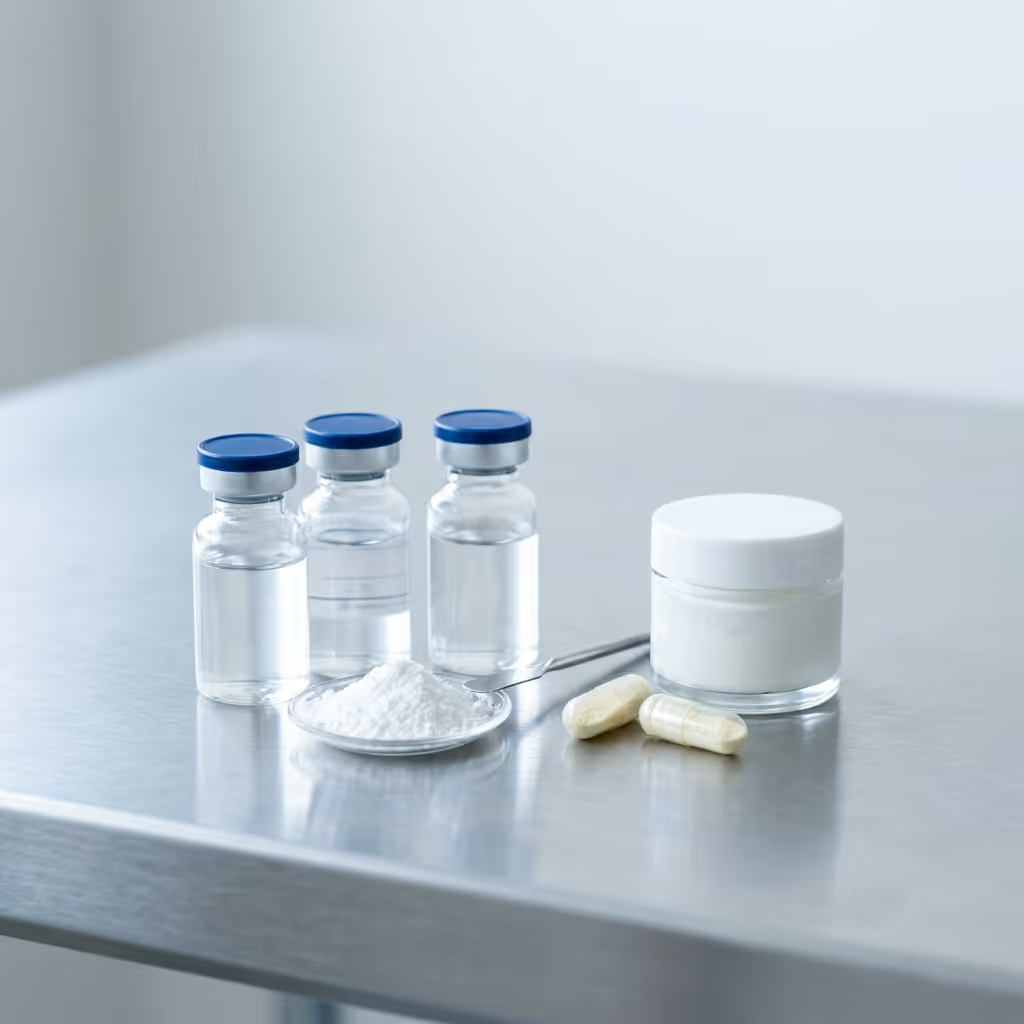
- Salicylic acid. 40% topical solution and 70% topical paste.
- Trichloroacetic acid (TCA). Solutions at 10%, 20%, 30%, 35% and 50%, or another percentage from 10% to 50%; a 20% cream, lotion or liquid; a 30% ointment; and a 90% gel.
- Salicylic acid and TCA together. TCA 20% with salicylic acid 60% as a paste, salicylic acid 16.7% with TCA 12% in flexible collodion, salicylic acid 2% with TCA 7% as a gel, and solutions that add lactic acid.
- Softening and scaling blends. Salicylic acid with urea (5% / 10% ointment, 3% / 20% lotion), with triamcinolone, or with benzoic acid.
Every preparation is made for one specific patient on a prescriber's order. With the strongest ones, such as TCA 50% and 90% and the salicylic acid 60% and 70% pastes, the prescriber may choose to apply it to that patient in the office. Cantharidin, another option a prescriber applies, is covered on our cantharidin page.
How is it used?
Follow the directions on your label exactly; they come from your prescriber. Apply only to the area named, and keep it off the healthy skin around it. MedlinePlus advises against covering salicylic acid with a bandage or dressing unless your doctor says to, and against putting it on skin that is broken, red, swollen, irritated or infected, or on large areas of the body.
Do not swallow it. If it gets into your eyes, nose or mouth, flush with water for 15 minutes. TCA can burn healthy skin on contact; if it was prescribed for use at home, follow your prescriber's instructions for protecting the surrounding skin.
Side effects & safety
MedlinePlus lists skin irritation and stinging as common side effects of salicylic acid. It advises calling a doctor right away for confusion, dizziness, extreme tiredness or weakness, headache, fast breathing, ringing or buzzing in the ears, hearing loss, nausea, vomiting or diarrhea, which can be signs that too much salicylate has been absorbed.
TCA is caustic. Expect the treated spot to turn white and sting at first; a blister or scab can follow. Call your prescriber for spreading redness, swelling, pus, or a burn on skin that was not meant to be treated.
Who should not use it?
- Children and teenagers who have chickenpox or the flu, unless a doctor says otherwise, because of the risk of Reye's syndrome (MedlinePlus).
- Anyone allergic to salicylic acid, aspirin or another ingredient in the preparation.
Tell your prescriber about diabetes and blood vessel, kidney or liver disease, about aspirin or methyl salicylate products you use, and if you are pregnant, planning a pregnancy or breastfeeding.
How should it be stored?
Keep it in the container it came in, tightly closed, at room temperature away from heat and moisture. Use it before the beyond-use date printed on your label, and keep it out of reach of children and pets.
Why is this compounded?
A prescriber may order a compounded preparation for a strength or base the over-the-counter products do not come in, for salicylic acid and TCA combined in one preparation, or for TCA at a specific percentage. Those are the prescriber's decisions.
As a 503A compounding pharmacy, Bayview prepares each order pursuant to an individual patient prescription under USP 795 non-sterile compounding standards.
Clinical details for prescribers
Regulatory status. Salicylic acid and trichloroacetic acid are noncontrolled, so eRx, fax and phone orders are accepted. All compounded preparations are 503A, patient-specific and not FDA-approved.
Formulation & dosing. Formulary preparations: salicylic acid 40% topical solution; salicylic acid 70% topical paste; TCA 10%, 20%, 30%, 35% and 50% topical solution (or a stated percentage from 10% to 50%); TCA 20% cream, lotion and liquid; TCA 30% ointment; TCA 90% gel; TCA 20% / salicylic acid 60% paste; salicylic acid 16.7% / TCA 12% in flexible collodion; salicylic acid 2% / TCA 7% gel; lactic acid / salicylic acid / TCA solutions; salicylic acid 5% / urea 10% ointment; salicylic acid 3% / urea 20% lotion; salicylic acid 20% / triamcinolone 0.1% ointment. Every order is patient-specific; state who applies it (the patient at home, or the prescriber in the office) and the frequency.
Counseling / clinical points:
- High-strength TCA and salicylic acid pastes are caustic; the prescriber may apply them to the patient in the office, and surrounding skin should be protected
- Salicylate absorption risk with large areas, occlusion, children and renal impairment
- Avoid in children and teens with varicella or influenza (Reye's syndrome)
- Not for facial, genital, mucosal or hair-bearing warts, moles or birthmarks per MedlinePlus
Send orders by eRx to Bayview Pharmacy (NCPDP 4106882) or fax 401-284-4506. See how to e-prescribe and the for providers page.
Compounded salicylic acid and trichloroacetic acid are compounded medications and are not FDA-approved. The FDA has not evaluated compounded preparations for safety, effectiveness or quality. A prescription is required.